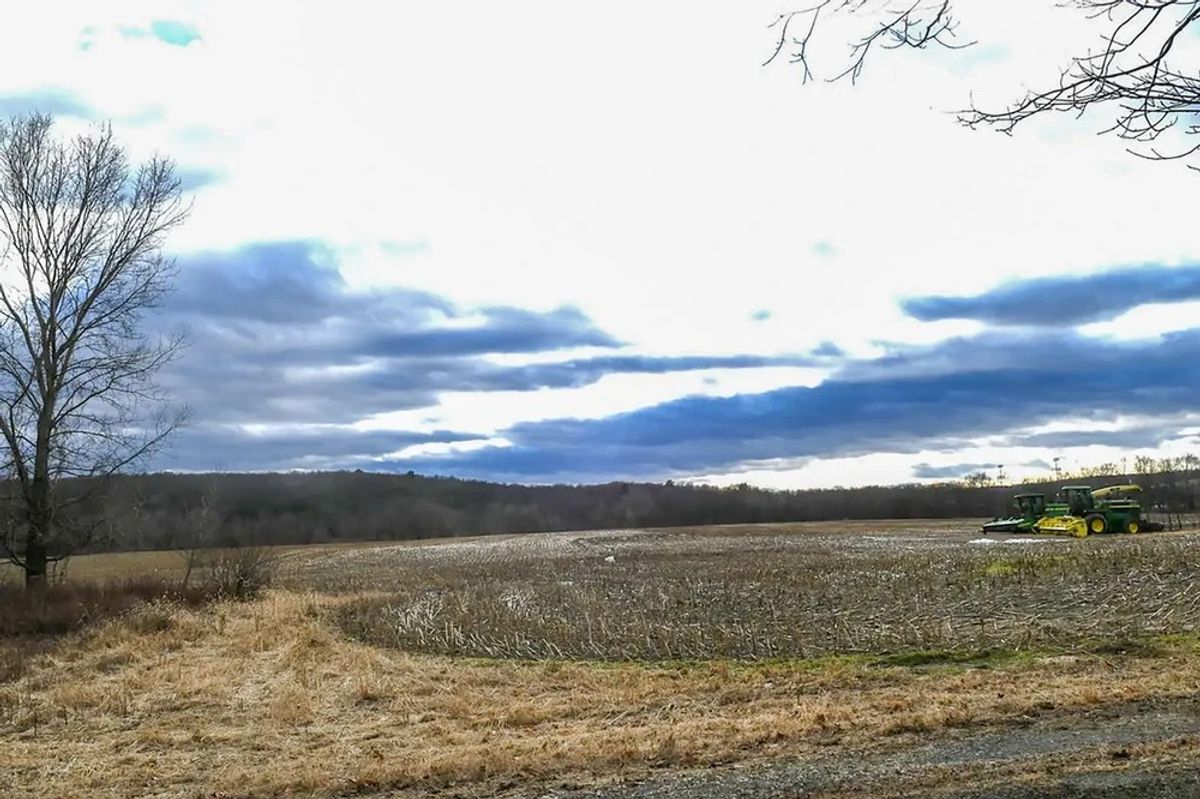
COPAKE — The parties involved in the mid-September New York State hearing on Copake’s proposed Shepherd’s Run solar project filed briefs on Monday, Sept. 21, further supporting their ‘for’ and ‘against’ stances on the project.
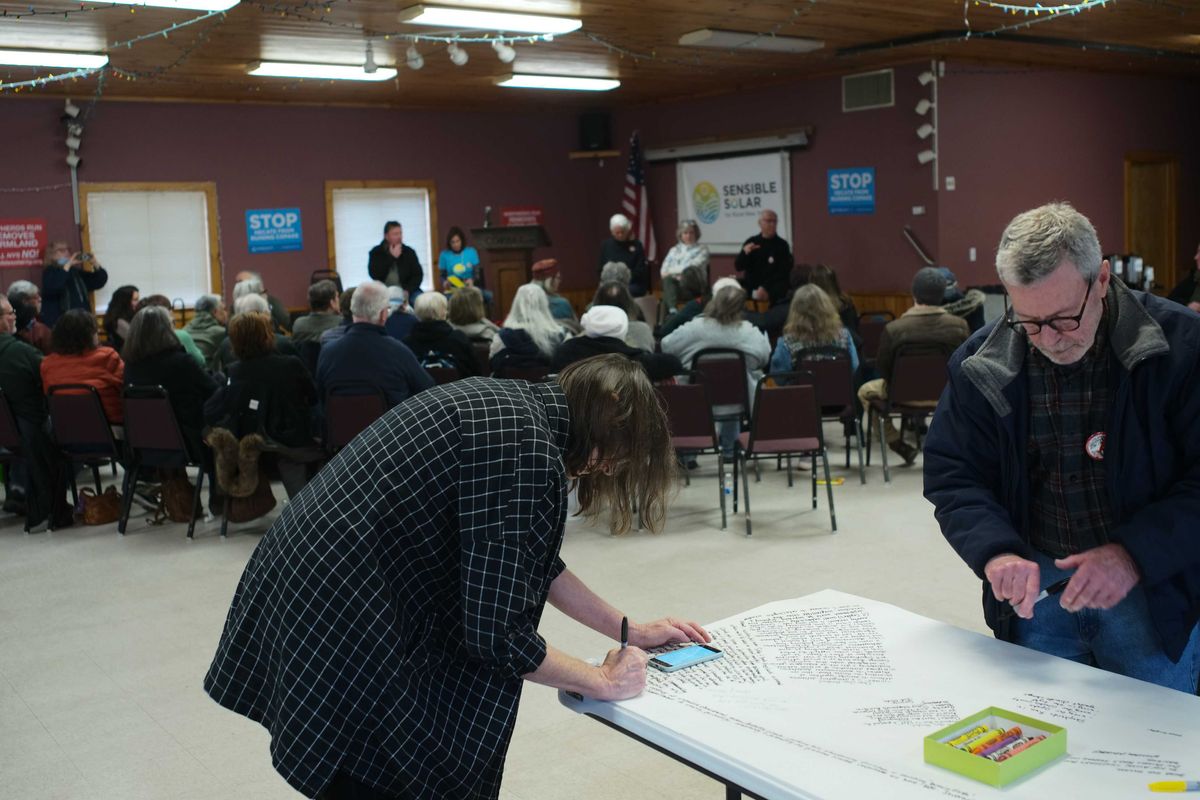
On Monday, Sept. 14, the state held an adjudicatory hearing in a packed Copake Town Hall for the purpose of establishing facts related to flood plain compliance and second, meeting the requirements of the town’s wetlands laws.
The four parties in the hearing that filed briefs are Chicago-based Hecate Energy LLC, which has sought to build a multi-megawatt solar farm in Craryville for nearly a decade; the state Office of Renewable Energy Siting and Electric Transmission, known as ORES; the state Department of Environmental Conservation; and the Town of Copake.
Maureen F. Leary and Dawn MacKillop-Soller, administrative law judges at the New York State Department of Public Service’s ORES office, who conducted the hearing, will now issue a hearing report and a recommended decision on Shepherd’s Run draft permit. The ultimate decision to grant or deny a final permit will be made by ORES’s executive director.
Because of a time clock on the project, ORES has until Oct. 19 to make a decision whether to grant a site permit or deny Hecate. If the application moves ahead, Hecate will then have to come to the town to get a permit before construction can begin.
In its response to the adjudicatory hearing testimony, ORES staff recommends that the current draft permit for the project be made final, but with the addition of “further analysis of wetlands on the site based on the test imony presented at the adjudicatory hearing in order to ensure that potential impacts to wetlands and water resources are avoided, minimized and mitigated to the maximum extent practicable.
“No further modifications or conditions are necessary in order to address the Applicant’s compliance with the substantive portions of the Town of Copake’s Chapter 135 Floodplain Development Law,” the ORES filing stated.
In its filing, New York’s DEC affirmed that “it is DEC’s position that ORES does not have authority to waive local laws that administer … local floodplain management permitting … This authority is federally delegated to the local community only.”
Hecate noted that: “The record demonstrates that the application … would comply with all applicable laws and regulations unless waived, including applicable wetlands laws and the applicable provisions of Chapter 135. The record therefore supports the issuance of a final siting permit.”
The Town of Copake filed a brief that focused on several alleged shortcomings in Hecate’s application. “The Sept. 12, 2026 system component inventory places panels, arrays, collection lines, access roads, fencing, limits of disturbance, and a second inverter in mapped Zone A,” the town’s attorney, Benjamin Wisniewski, wrote in one example.
“The Applicant has not met its burden … to demonstrate, by a preponderance of the evidence, compliance with the state wetlands laws or with the substantive provisions of Chapter 135,” the brief continued.
“The Application should therefore be dismissed or denied,” he concluded.









 Tiffany Lemelin, shelter manager, brushing Marsala upon arrival.Provided
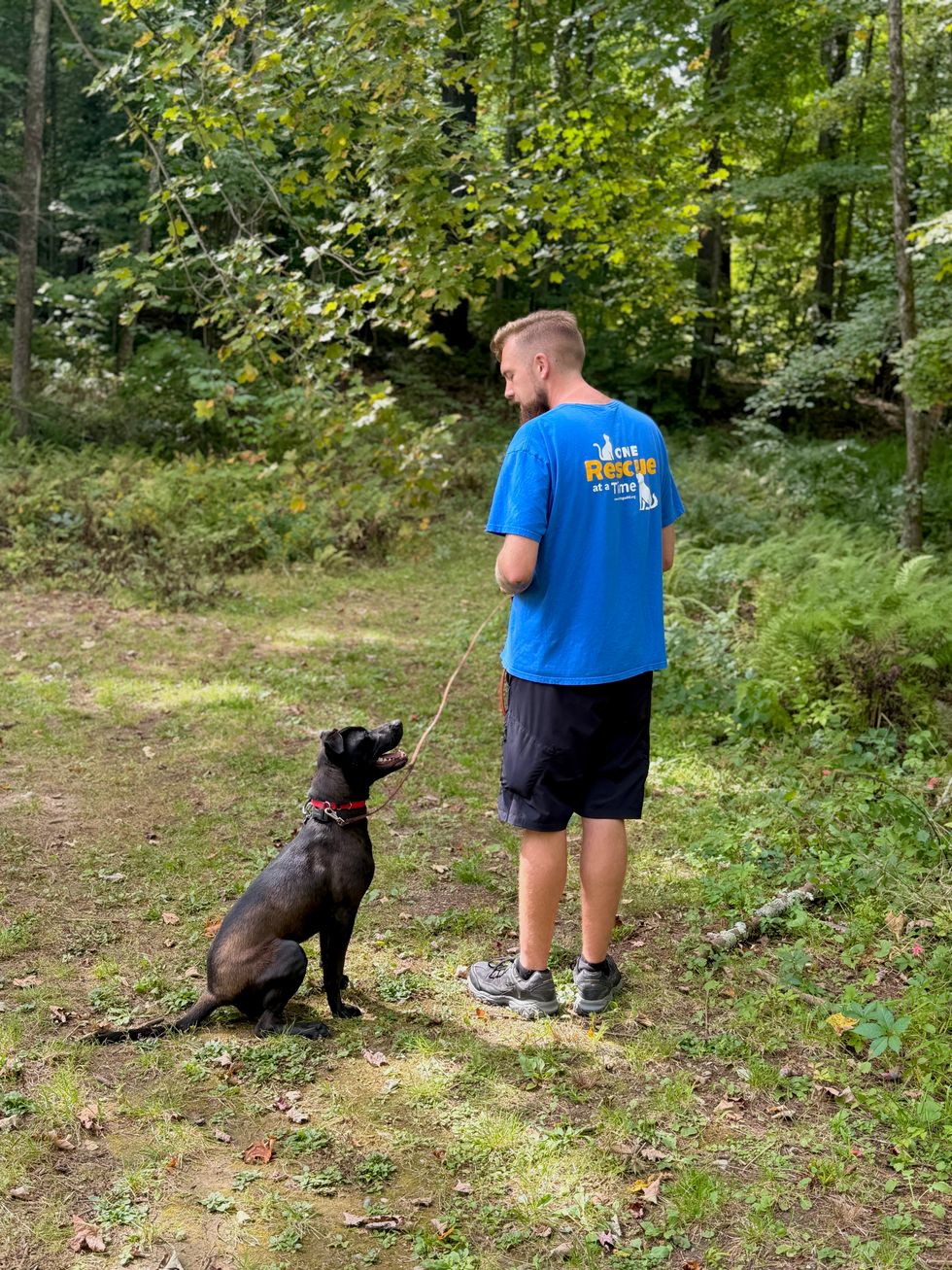 Michael DeBarba, certified dog trainer working with Marsala.Jennifer Almquist
 Marsala wins a heart.Jennifer Almquist

 Sadie, center, a Carolina dog, plays with her friend Negra, a terrier mix. Bella Linda, the small poodle, has since been adopted.L. Tomaino
 Wesley, a young, exuberant mix, is looking for an active home.L. Tomaino
 Bonnie and Clyde, an affectionate terrier pair.L. Tomaino