SHARON — Northern Dutchess Paramedics will cease operating in northwest Connecticut at the start of the new year, a move that emergency responders and first selectmen say would replace decades of advanced ambulance coverage with a more limited service arrangement.
Emergency officials say the change would shift the region from a staffed, on-call advanced life support service to a plan centered on a single paramedic covering multiple rural towns, raising concerns about delayed response times and gaps in care during simultaneous emergencies.
The decision became known on Dec. 11 when communities were informed that NDP’s service would end as of Jan. 1, according to Andrea Downs, president of the Falls Village Volunteer Fire Department and an employee of the organization.
Founded in 1994 and based in Rhinebeck, New York, NDP has provided advanced and basic life support ambulance services to communities in Dutchess and Columbia counties in New York, as well as parts of Litchfield County, for nearly three decades.
How the change came about was outlined by Al Tortorella of Sharon, also an employee of NDP.
Tortorella said every Connecticut municipality is required to have an advanced life support provider. For the past 28 years, Sharon Hospital has fulfilled that requirement by signing an annual hospital-sponsored agreement with NDP. In recent years, the agreement was signed by Dr. Ronald Santos, head of the hospital’s emergency department, under whose medical license NDP operates.
When NDP recently approached Santos to renew the agreement, he said he could not sign it, a decision that took the organization by surprise, Tortorella said.
Area towns operate volunteer ambulance squads that provide basic life support. NDP supplements those crews by delivering advanced medical care, administering medications and conducting inter-facility transports.
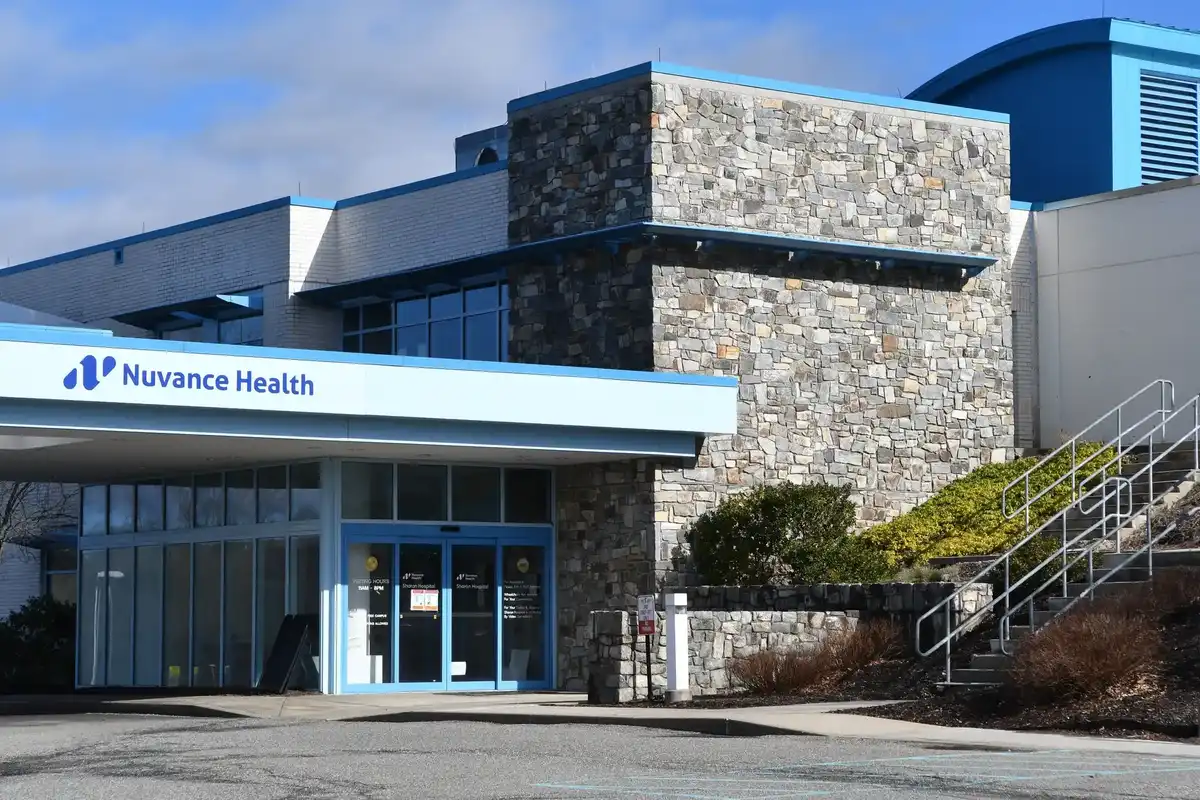
Sharon Hospital, which is part of Nuvance Health, merged earlier this year with Northwell Health.
Downs and Tortorella said they understand that the hospital system plans to replace NDP with its own paramedic service.
Under the proposed arrangement, a single paramedic would cover the Sharon Hospital catchment area, starting each shift in New Milford before traveling to Sharon. If needed, the paramedic would be assisted by a paid EMT provided by Nuvance.
Tortorella sharply criticized the model. “It’s a system designed to fail,” he said. “This is a huge issue.”
Downs echoed those concerns, noting that the paramedic’s 12-hour shift would include significant travel time between locations. “I’m very concerned about the health and well-being of residents in the Northwest Corner,” she said. “We don’t want any reduction in services for patients in the region. I can’t understand the rationale of taking services away. Northwell wants to maintain a model of corporate health care, but they can’t put a face to the people and culture we’ve established here. We’re talking life and death.”
Downs emphasized that the decision does not involve layoffs at NDP, which was recently acquired by Empress. She said there is ample demand for paramedic services in New York state and that employees’ jobs are secure. The concern, she said, is for the safety of families, friends and neighbors in Northwest Connecticut.
In an interview, Sharon Hospital President and CEO Christina McCulloch and Andrea Rynn, assistant vice president for community, government and public relations at Northwell Health, addressed the decision to discontinue the hospital-sponsored agreement with NDP.
“Recently, concerns were brought to our attention about compliance and [a lack of] communications,” they said. “This information left us unsettled and unable to be a sponsoring hospital at this time.”
They acknowledged that the timing of the transition was far from ideal. “Despite the tight timing, we are actively developing a coverage plan in concert with local first responders and area leaders. This is a process that is just beginning and we are confident it will strengthen over time.”
McCulloch and Rynn said the hospital and health system remain committed to maintaining service continuity and working with community partners to enhance emergency medical services across the region.


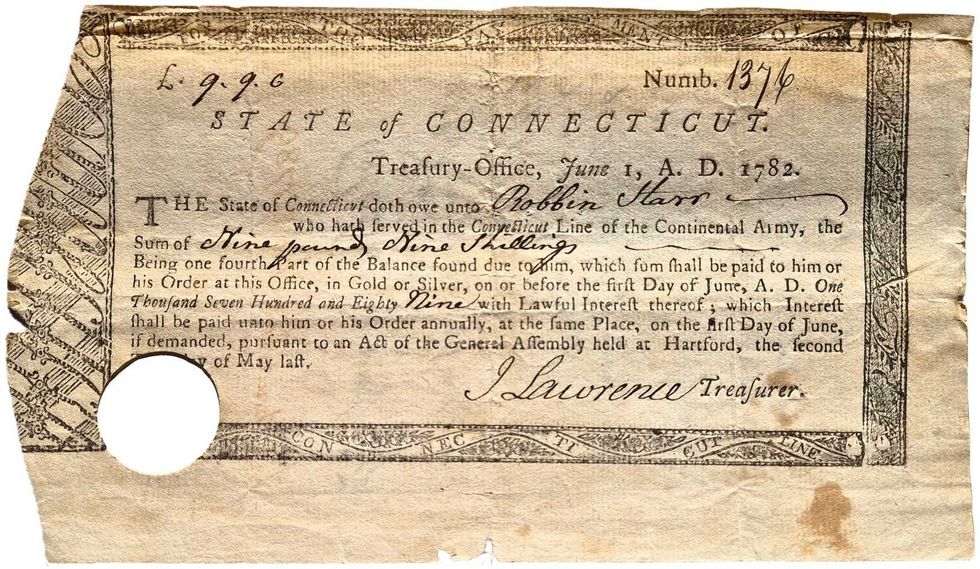 Pay Bill for Robin Starr’s service in the Continental Army.Courtesy the Alex Breanne Corporation
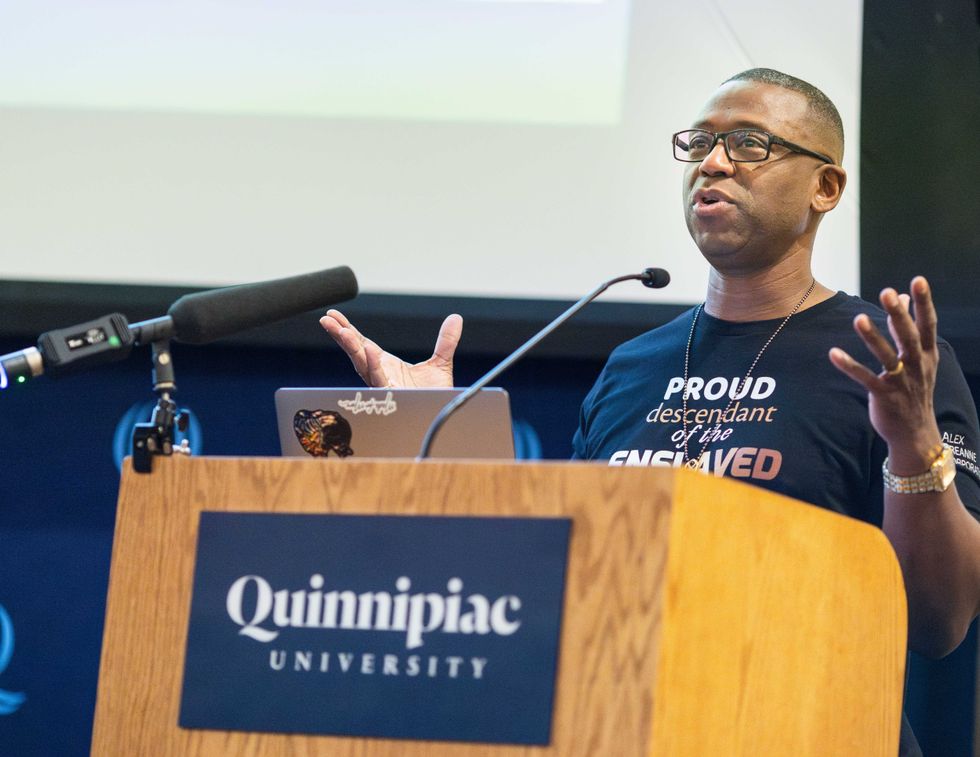 John Mills speaking at Quinnipiac University.Courtesy the Alex Breanne Corporation
 Stephanie Saetta,with her rescue dog George and Blue (left), a shepherd mix awaiting his forever home.Madi Long