NEW YORK STATE — With the election looming and concerns about voting during the age of Covid-19, Dutchess County Board of Elections (BOE) Democratic Commissioner Elizabeth Soto spent mornings during her recent vacation in Maine monitoring developments that led to major changes in the absentee voting procedure.
Following her participation in a Thursday, Aug. 27, teleconference with the state’s Election Board, Soto discussed the recent voting law and Executive Orders from Governor Andrew Cuomo, that were designed to make it easier for voters concerned about the virus to vote by absentee ballot and to request ballots without the need to sign the application.
Ballot requests may now be made by phone, at 845-486-2473; by fax, at 845-486-2483; by email, at dutchesselections@dutchessny.gov; or by a new electronic portal, expected to go live any day, at www.elections.dutchessny.gov.
Soto said voters are going to love the new portal, which provides checks for accuracy and alerts the voter to any changes or additions needed. The portal will allow voters to submit their required information, including the reason for making the request, such as being away from the area, illness or care-giving.
As a result of the law, approved along party lines by the state Legislature and signed into law by the governor, option one, “temporary illness,” now also includes COVID-19, whether the voter is actually sick or simply concerned about exposure. Previously in New York State, voters had to actually be suffering from an illness to use that option to vote by absentee ballot.
The Executive Orders call for a redesigned submission envelope with the signature line in large red lettering and the notation “sign here,” a change made after absentee ballots submitted during the recent primary were rejected because voters didn’t sign the official envelopes as instructed.
Soto said Cuomo’s orders also provide for a “cure” process, which requires the BOE to alert a voter in a timely manner if a ballot is received with errors, such as failure to sign or seal the correct envelope or to put that envelope in the proper return envelope.
Completed ballots may either be mailed or taken to locked drop boxes, which will be located at both early and regular polling places.
Recognizing that time can be an issue, Soto suggested voters begin the process as soon as possible and further recommended that anyone who is able to should vote in person — preferably using one of the early voting locations listed on the BOE’s website, www.elections.dutchessny.gov.
Noting that the post office’s assistance during the primary had been “phenomenal,” Soto said after receiving 25,000 absentee ballots for the primary election, she anticipates between 50,000 to 75,000 of the county’s 202,000 registered voters will opt to vote by absentee ballot in November.
A team of 10 election workers processed the primary count in four days. With the goal of completing the November tally in the 48 hours designated by the governor’s order, 30 additional workers will be hired to tally the results of the general election.
Absentee ballots will be sent to military personnel starting Friday, Sept. 18, with civilian ones being sent out starting Monday, Sept. 21.
Early voting runs from Saturday, Oct. 24, to Tuesday, Nov. 3. Election Day is Nov. 3.



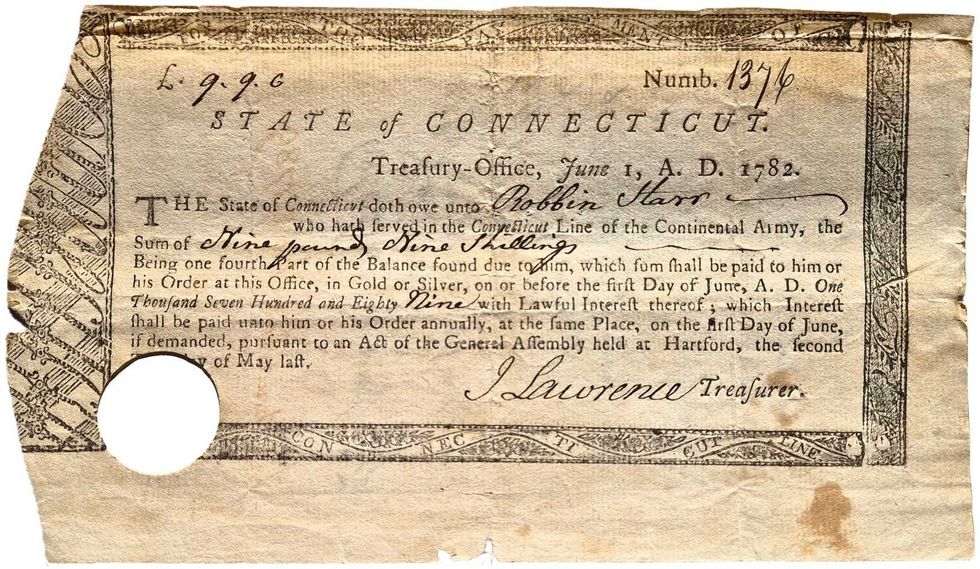 Pay Bill for Robin Starr’s service in the Continental Army.Courtesy the Alex Breanne Corporation
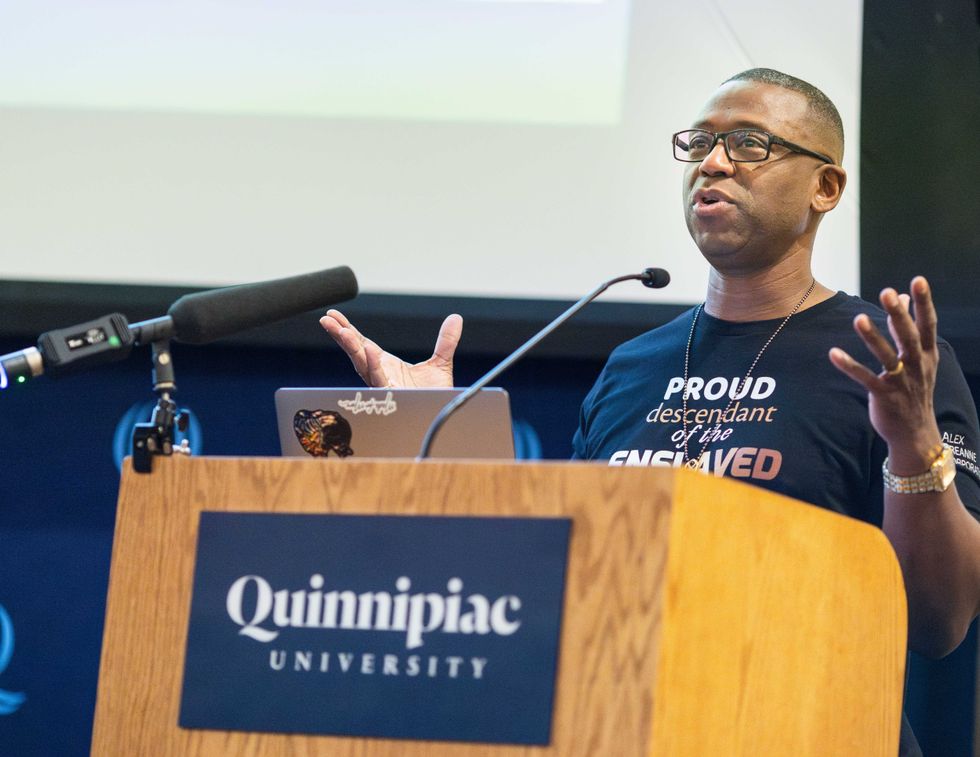 John Mills speaking at Quinnipiac University.Courtesy the Alex Breanne Corporation
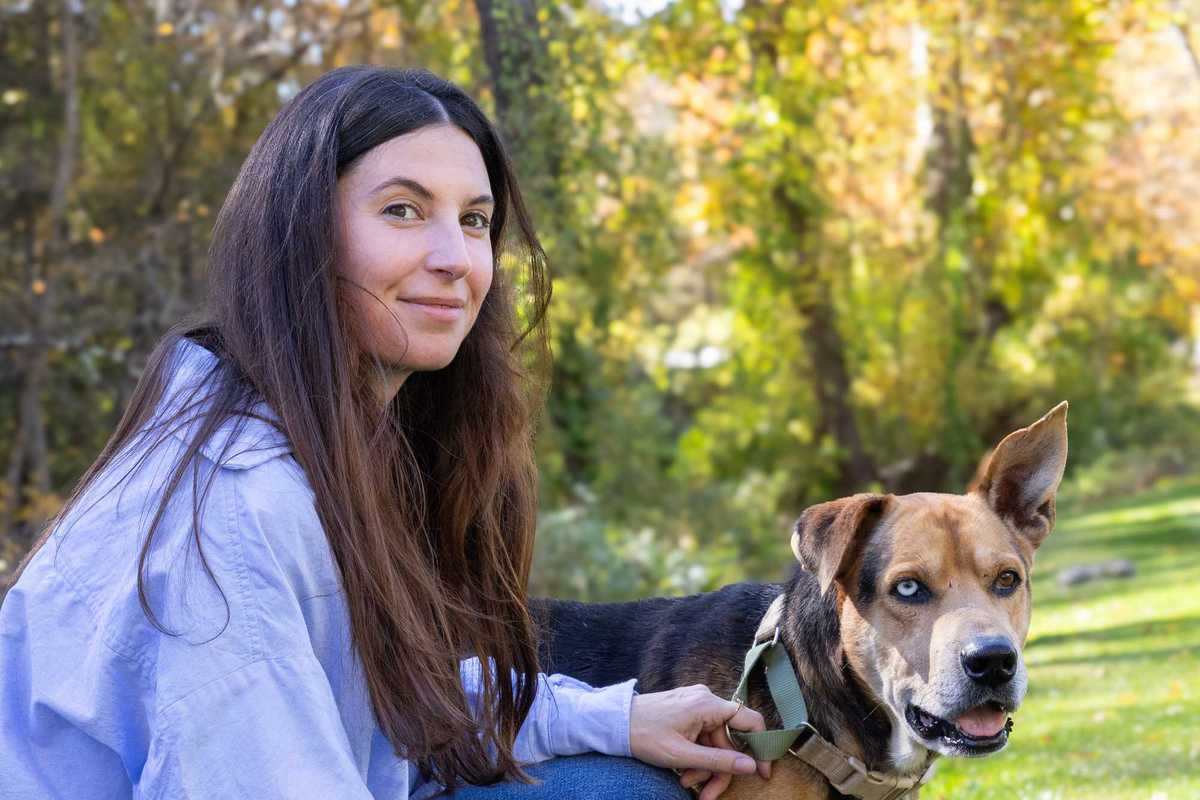
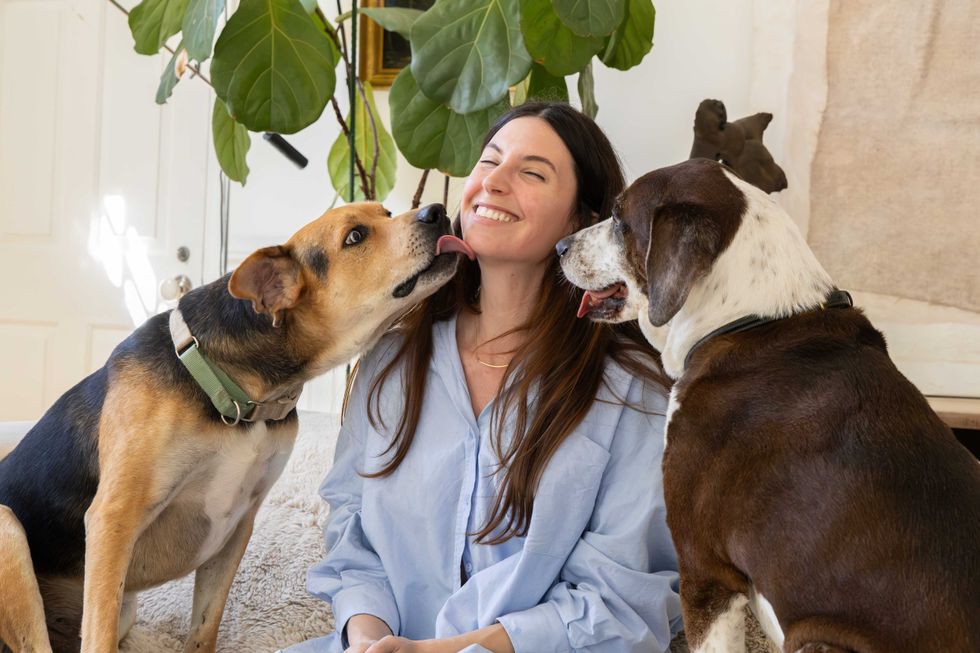 Stephanie Saetta,with her rescue dog George and Blue (left), a shepherd mix awaiting his forever home.Madi Long