Imagine a clothes’ line, you know, where you hang laundry. Go to one end and wiggle it a little… see the ripple going down the line, reaching the end and rippling back to you? Did you see that the line moved more in the middle than where you started the ripple? This is basic physics vibration that can be measured and calculated — see the ripple going back and forth ‘til it ebbs away?
2021 has seen temperature records not just broken but shattered. Although scientists use the metric system and Celsius (centigrade) to measure and calculate, I’ll use Fahrenheit to help here. Seattle and Vancouver, Canada, recorded days of temperatures of 121.1 degrees in June — that’s 8.1 degrees hotter than ever recorded there. And record highs lasted weeks all down the coast, drying out the forests, killing people with incessant heat. The forest and grassland fires — smoke reaching all the way to New York — are hotter, faster, larger as a cause of this temperature rise.
Mathematicians can plot these temperatures and calculate — via comparisons of earlier temperature recordings — what the probability is of these higher temperatures occurring. So, what’s the probability of a record temperature occurring, say, 200 years ago? And what is the probability of a record temperature occurring now? To be as accurate as possible, mathematicians run computer modeling thousands — yes thousands — of times to make sure the probability calculations are reliable, similar, cohesive.
It’s like you going to the supermarket, buying exactly the same basket of food every week. What did it cost, calculate the average and when there was a spike in costs (or a sale caused the prices total to drop) you can see how often there is a variation in the prices you pay. Next time you go to the supermarket, buy five items (gallon of milk, dozen eggs, 1 lb. butter, 1 loaf bread, ½ lb. cheese — say $11.25) about what you always need, and track prices. In a few weeks, you’ll soon know if they go up or down — and from that you can make your own probability calculation of what may be facing you next time you go shopping. Will I have enough money? How likely is it that prices will stay the same or go up?
So, these meteorologists used the same method to calculate not only the temperatures but calculated what the probability was for a new high temperature record being set in any one year. Looking at temperature records 200 years ago, the probability of the month of June having so many record-breaking temperatures was once in every 60,000 years. Calculated over the past two decades, the probability for a record-breaking June is one in every 16 years. The increased likelihood of record-breaking temperatures — hot and cold, spring, summer, fall and winter, remember — has gone up 4,000 times.
And what does a mathematician think of that probability? It is simple… the probability of multiple temperature records in a pre-industrial climate was virtually impossible whereas the probability of more sudden temperature records — high and low (remember the clothes’ line) — in our industrial climate are now 4,000 times more likely than ever in human history.
Oh, and in case you’re thinking the prices at the supermarket are unaffected… think about where that food comes from and what happens to growing anything when records are being set.
Go on, ask a farmer. Meantime, start your own probability calculation on your supermarket purchases. Chances are that the numbers of record temperatures and your food hikes will match.
Peter Riva, a former resident of Amenia Union, now resides in New Mexico.


 Firefighters and other uniformed first responders stand alongside flag bearers during Stanford’s ceremony marking the 25th anniversary of the Sept. 11 terrorist attacks. Nearly 3,000 American flags covered the hillside at Stanford Recreation Park.Photo by Graham Corrigan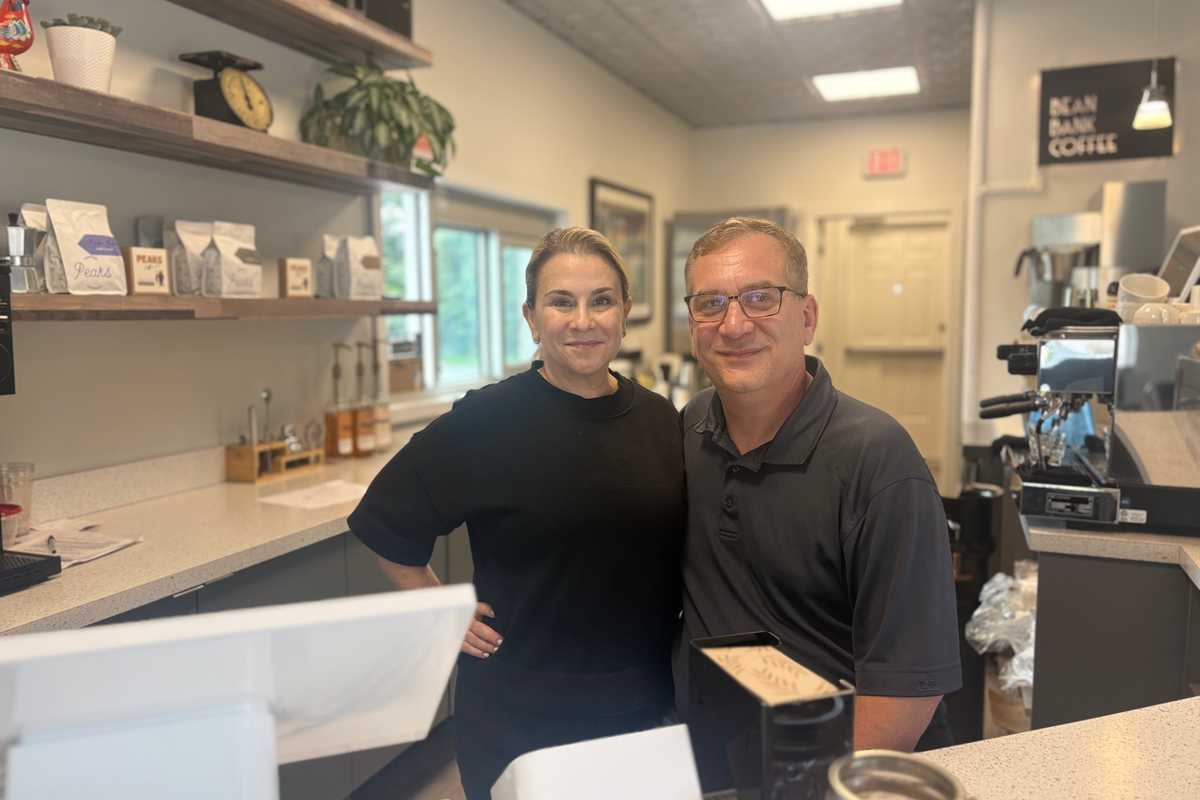
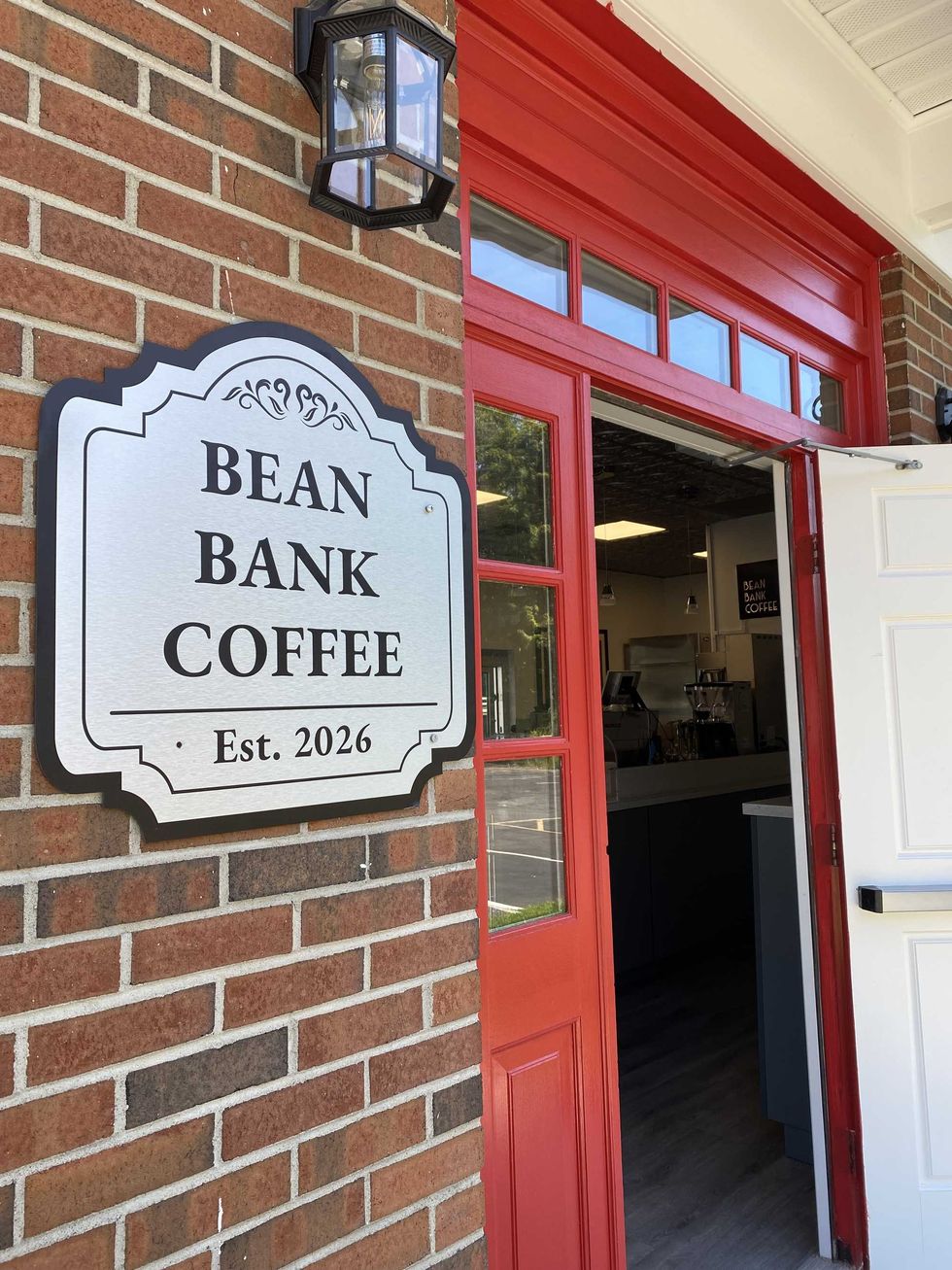 Bean Bank Coffee is now open at Freshtown Plaza, offering drive-through service with a selection of pastries, coffee and tea.Photo by Leila Hawken