Love it or hate it, there is no denying the several blankets of snow this winter were beautiful, especially as they visually muffled some of the damage they caused in the first place.There appears to be tree damage — some minor and some major — in many places, and now that we can move around, the pre-spring cleanup begins. Here, a heavy snow buildup on our sun porch roof crashed onto the shrubs below, snapping off branches and cleaving a boxwood in half, flattening it.
The other area that has been flattened by the snow is the meadow, now heading into its fourth year of post-lawn alterations. A short recap on its genesis: I simply stopped mowing a half-acre of lawn, planted some flowering plants, spread little bluestem seeds and, far less simply, obsessively pluck out invasive plants such as sheep sorrel and stilt grass. And while it’s not exactly enchanting, it is flourishing, so much so that I cannot bring myself to mow.
I have doubts:If I mow in the spring, would I kill all the overwintering insects? If I mow after the first frost, as suggested in a 2017 paper by the esteemed Kim Stoner, Ph.D., on the Connecticut AgriculturalExperiment Station website, would I lose the seed heads of yarrow, rattlesnake master and black-eyed Susan that birds are supposed to feed on in the winter?Paralyzed by indecision, I have not been able to bring myself to do even a partial cut.
I took a poll at a recent party attended by horticulturalists, environmentalists and garden experts. There was a consensus that early spring is indeed the best time to mow — early, before the ground-nesting birds like woodcock start nesting.I then called Mike Nadeau, whom I consider a meadow master of the Northwest Corner, and he concurred, following the Xerces Society meadow-mowing guidelines: mow in early spring when dandelions are in bloom.
“Xerces Society says this is the time most insects have hatched out of hollow stems and is between bird migrations.”
Nadeau’s experience has borne this out.
“I stress not to mow in fall because a dormant meadow is a haven for winter critters of all ilk.Birds use dormant plants for nesting materials, eat seeds, refuge — not to mention the other mammalian life that benefits from a meadow. An argument that has worked for me to discourage fall mowing is to describe a dormant meadow, with its myriad seed heads and foliage, as kinetic sculpture, especially with snowfall.It’s a beauty all its own.”
Nadeau mows a third to a half of a meadow each year, ideally using a flail mower, which chops vegetation into small pieces, helping foliage to resprout. The unmowed portion is left as a refuge for the animals that get evicted from their homes in the mowed area.
Stoner agrees with Mike to divide up the meadow and mowing different sections at different times. And she validates my mowing trepidation.
“There’s no perfect time. Any time you mow, you will be disturbing the habitat of some creature. If you don’t mow, you will have invasive plants creeping in, and eventually you will have trees,” she said.
“Best thing is to think about what your goals are — what creatures do want to encourage in your meadow? Then set the time of mowing to protect and enhance the habitat for those creatures.”
Additionally, Nadeau suggests that mown paths should be rerouted at least every two years to prevent rhizomatous grasses from establishing, which can grow into meadow edges and look unsightly. And the window is short:
“It’s too late to mow when spring birds arrive in earnest and new meadow growth is taller than 6 inches.”
Lights Out!
One of my favorite meadow benefits are the hundreds of fireflies that emerge in June. I am grateful for the lack of artificial light from neighbors (save for one house across the river with a persistent outside night light), so these creatures can shine brightly — and securely.
The organization DarkSky International relays the effect outdoor lights can have on fireflies: an almost 50% decrease in flashes per minute, which affects courtship behavior and mating success, according to two studies they cite on its website,darksky.org.
There, you can also get the lowdown on the devastating effects even one outdoor light can have on birds, amphibians, insects and mammals.The organization provides educational materials that explain the issue, making it easier to bring it up to neighbors and friends — which I will soon try with the house across the river.
Dee Salomon ungardens in Litchfield County.



 Kim Yarnell supplies all the young dancers with gold star trophies to mark their completion of the six-week pilot program at NECC on Sunday, Oct. 11.Photo by Nathan Miller

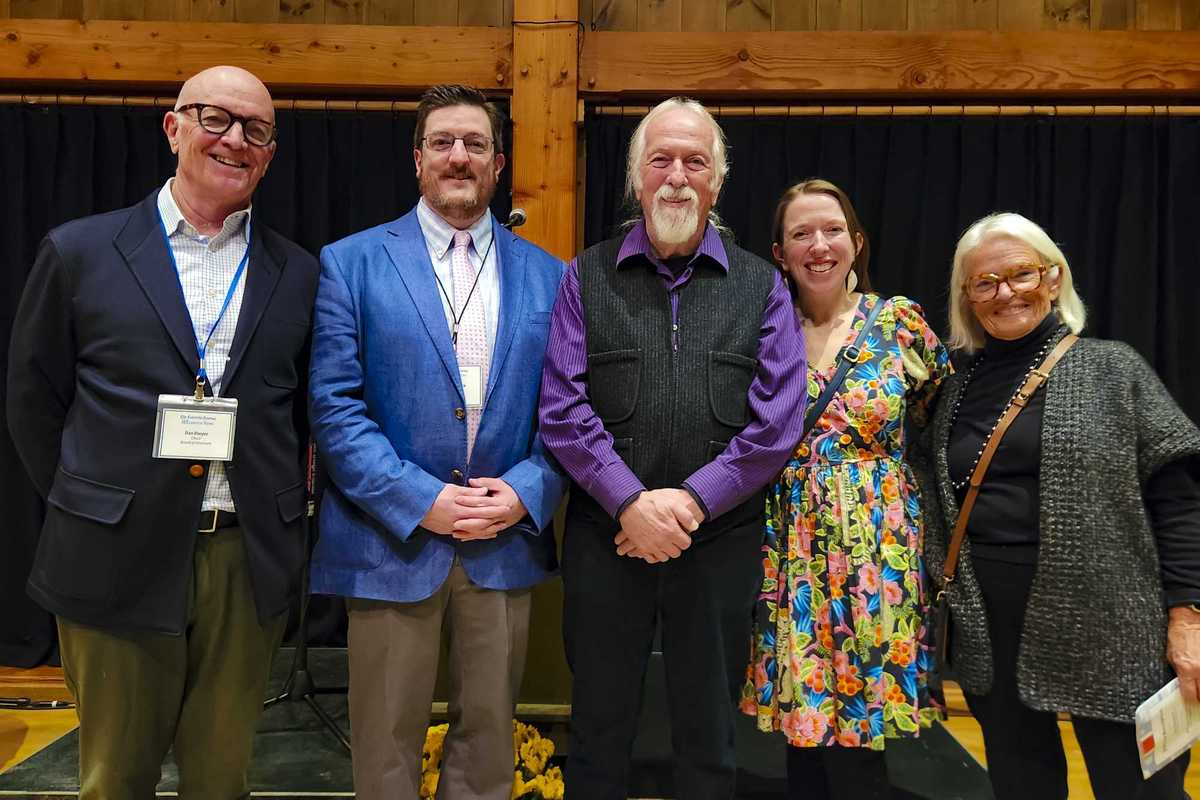
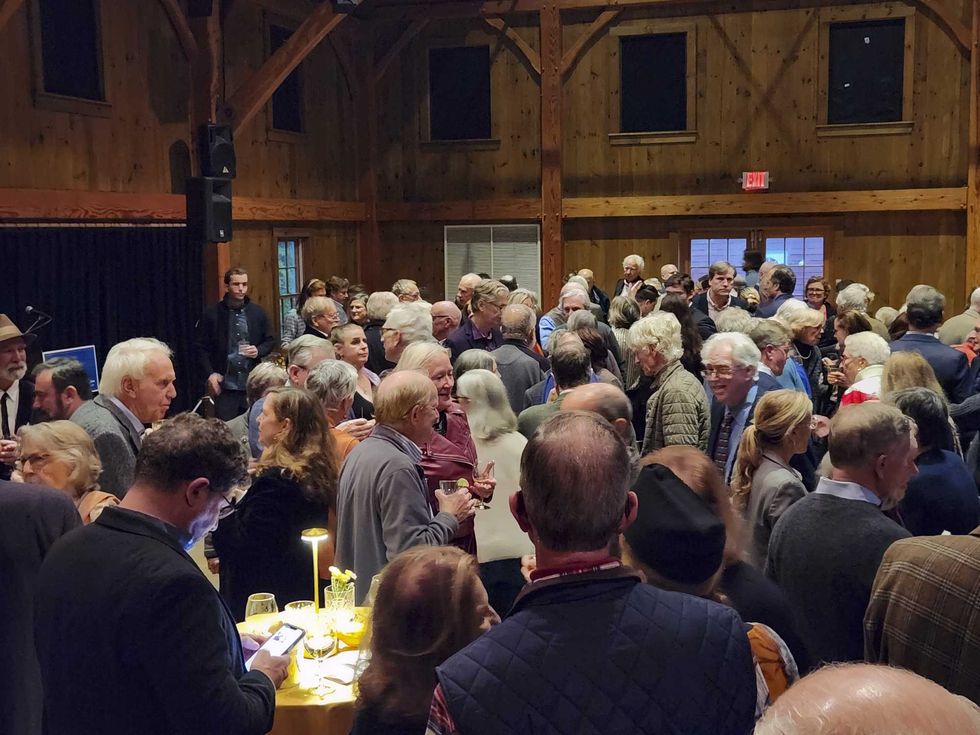 Attendees gather at the Sharon Playhouse Sunday, Oct. 11, for the annual Jubilee gala, celebrating five years of nonprofit ownership of The Lakeville Journal and The Millerton News.Photo by Patrick Stachniak