After 20 years of dreaming of what it would be like to be able to step off from Main Street in Millerton and end up at Beilke Road in Ancram, the Harlem Valley Rail Trail Association (HVRTA) finally has its answer. That’s because last month, the northward extension of the much-loved amenity, which now stretches from the tiny hamlet of Wassaic in the town of Amenia, thanks to the recently completed Trail to Train project, all the way up to Ancram, was finally finished. When fully completed, the Rail Trail will run 23 continuous miles from the Metro-North Wassaic Train Station in Amenia to the Copake Falls area of Taconic State Park (plus the approximately 3,500 linear feet that makes up the Trail to Train extension from the Wassaic Train Station to the hamlet of Wassaic).
The Harlem Valley Rail Trail is a big deal in these parts. It’s unquestionably one of Millerton’s biggest assets and lures visitors to the area from near and far. The linear park is owned by the state but leased to Dutchess County, which maintains the Rail Trail. Townscape, we should note, kindly volunteers to maintain the environmentally friendly composting toilets by the Trail head at Main Street that are so welcome by Millerton merchants who had often opened their facilities to Trail users.
According to HVRTA Chairman Dick Hermans, when the Rail Trail’s Millerton section was first opened in 2000, connecting the 3.6 miles between Coleman Station and the village, there were visions of extending it along the rail bed to our northern neighbors. He said the Association approached county leaders immediately with the concept and were well received, but little did they realize it would take two decades to bring the idea to fruition.
This newly opened extension will only enhance what is already an incredible regional resource. The Rail Trail provides wonderful recreational and educational opportunities (with more to come!), not to mention offers great ways for local residents and visitors alike to relax and enjoy the area’s natural beauty. Whether one is walking, running, cycling or skating — it really doesn’t matter how one travels along the path, just that the path is traveled upon. The physical and mental health benefits of getting out on the Rail Trail are huge — especially helpful during today’s high-stress pandemic world.
And there are other projects in the works. The HVRTA is currently seeking a matching grant as it’s hoping to connect Black Grocery Road in Copake and Orphan Farm Meadow in Copake Falls. The $2.4 million project would link a 4.9-mile stretch of Trail that local residents often traverse.
There’s also the Bridge to Nature being built over the Webatuck Creek in Millerton, which will serve as an outdoor educational area for Trail users to teach about how humans have impacted the natural world.
Additionally, fundraising is taking place for the installation of a pedestrian bridge along the Trail in Hillsdale. So far, $75,000 has been pledged; another $75,000 is needed.
We hope the HVRTA is successful in finding the funds it needs for all the work it wants to accomplish. We applaud it in advocating for the Trail and Trail users for all these years and for overseeing so many rewarding and thriving projects — all of which have greatly improved our communities and our lives. We congratulate the Association on another project completed. And we thank county leaders, too, for their support and hope the county will continue to offer its aid for future projects and whatever work is necessary to properly maintain the Trail down the pike.
After all, converting old, decaying and abandoned railroad beds into a beautifully paved linear Rail Trail park is the ultimate form of recycling — and that’s pretty much always going to win our seal of approval. Here’s to 20 years and counting!
For more on the Rail Trail, go to www.hvrt.org.




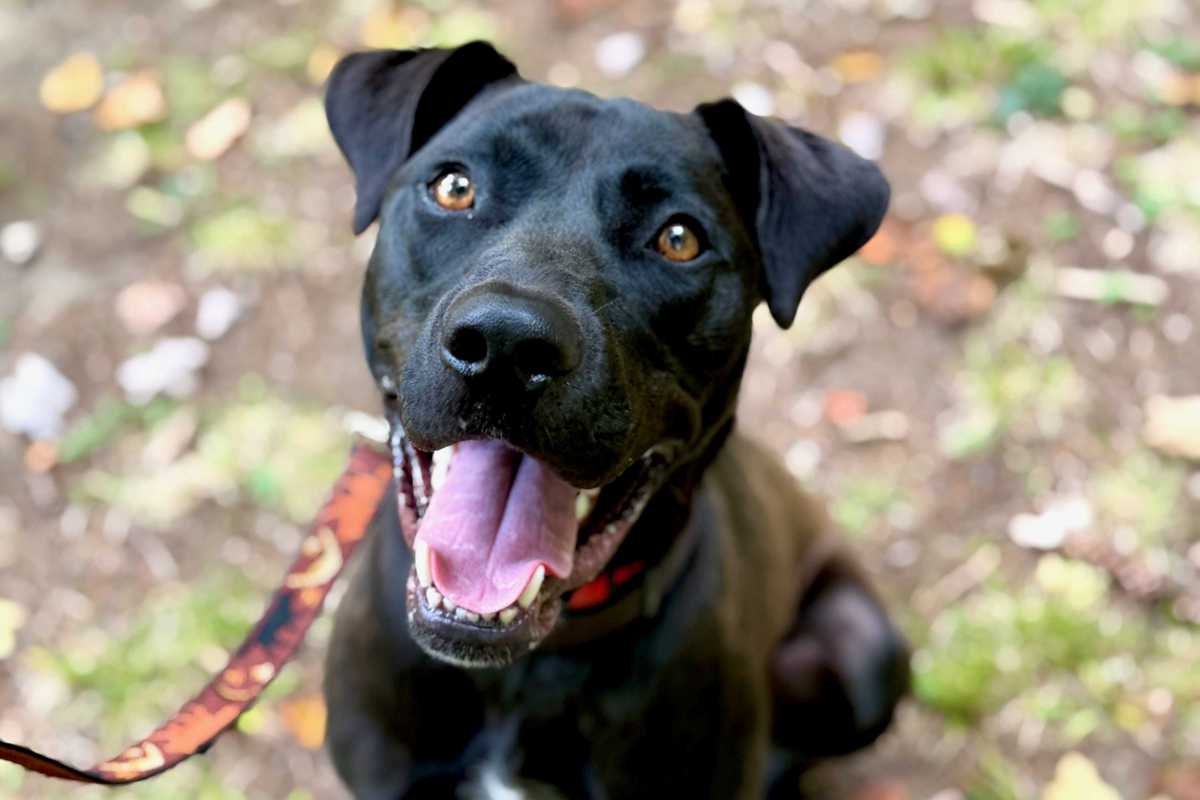
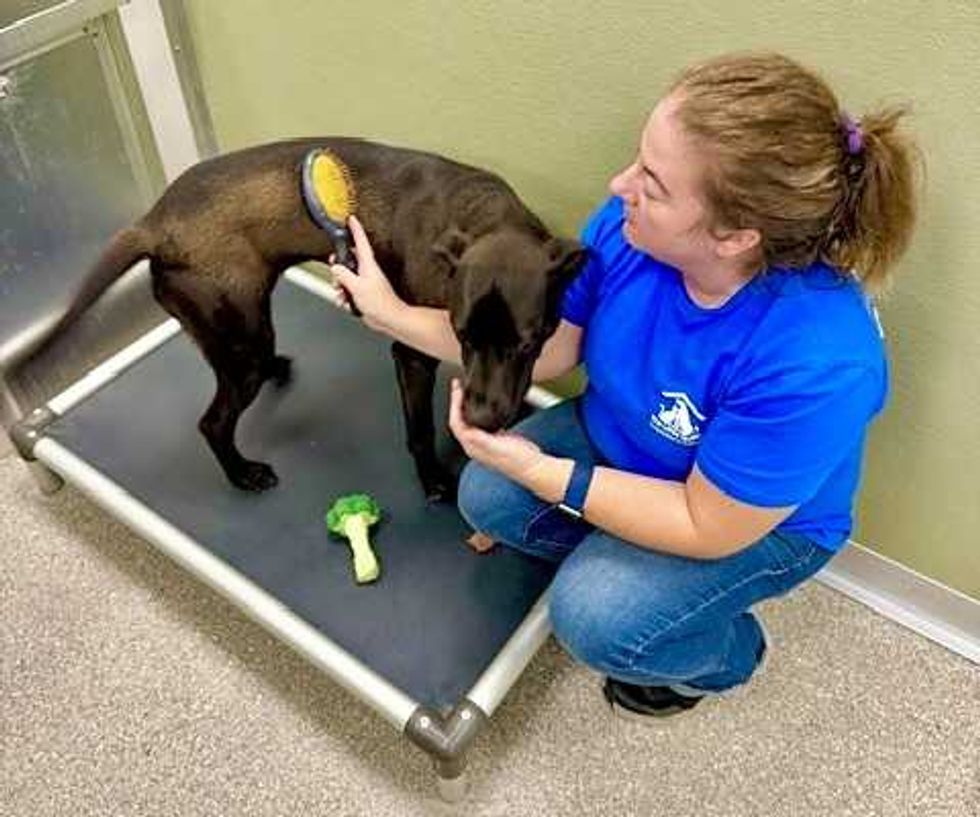 Tiffany Lemelin, shelter manager, brushing Marsala upon arrival.Provided
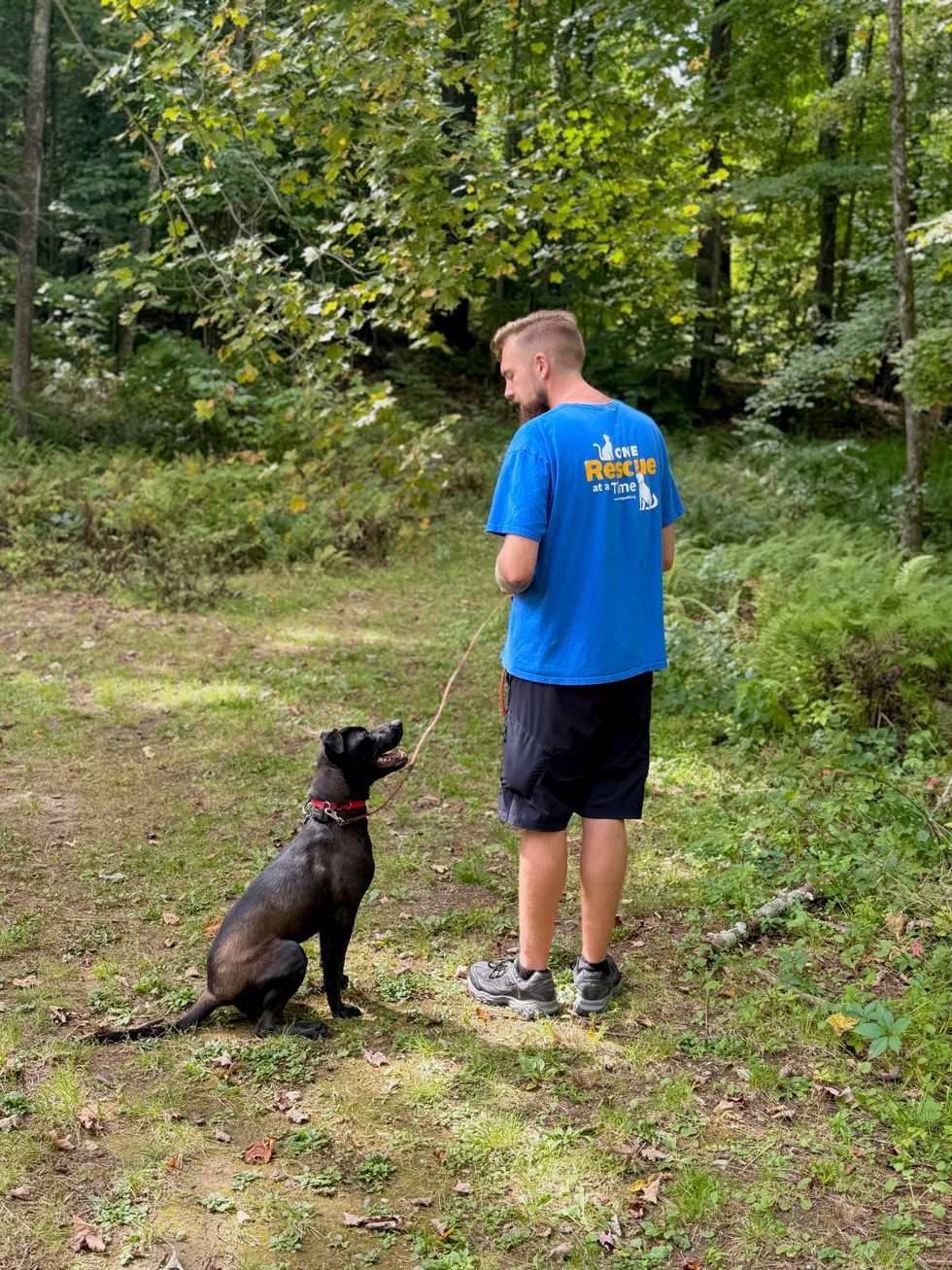 Michael DeBarba, certified dog trainer working with Marsala.Jennifer Almquist
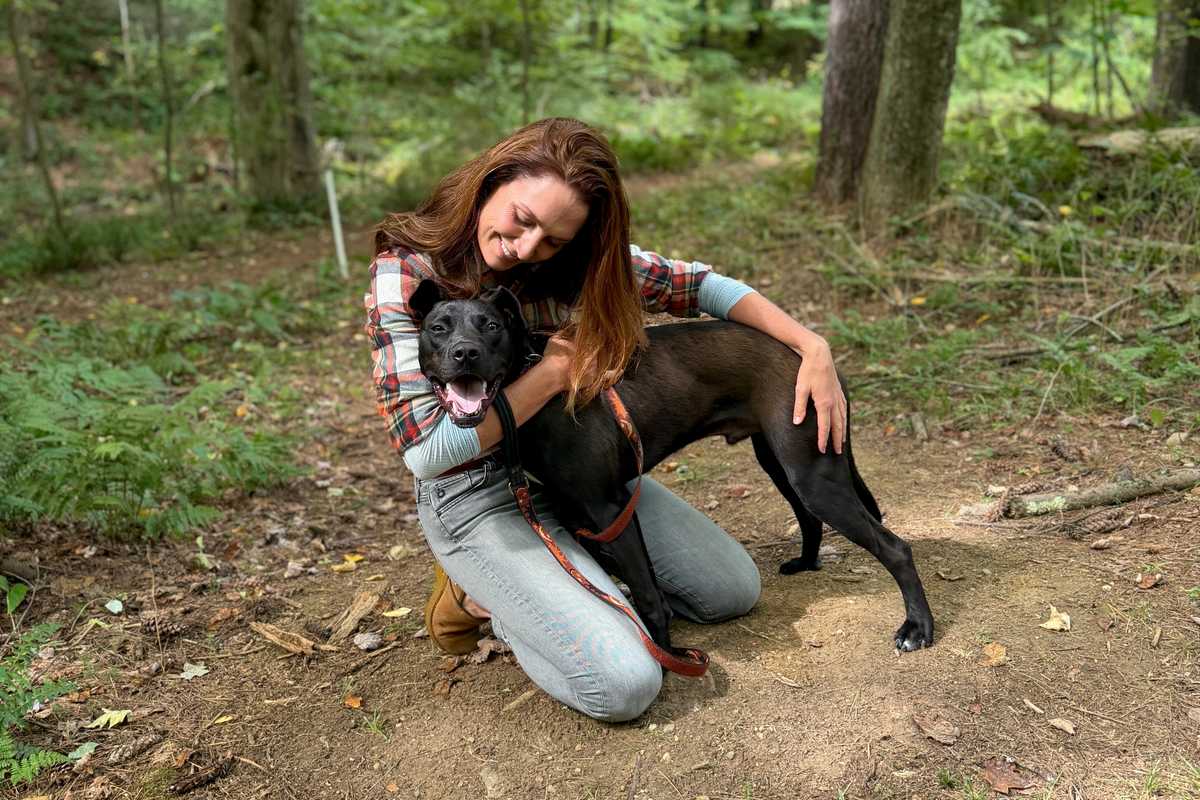 Marsala wins a heart.Jennifer Almquist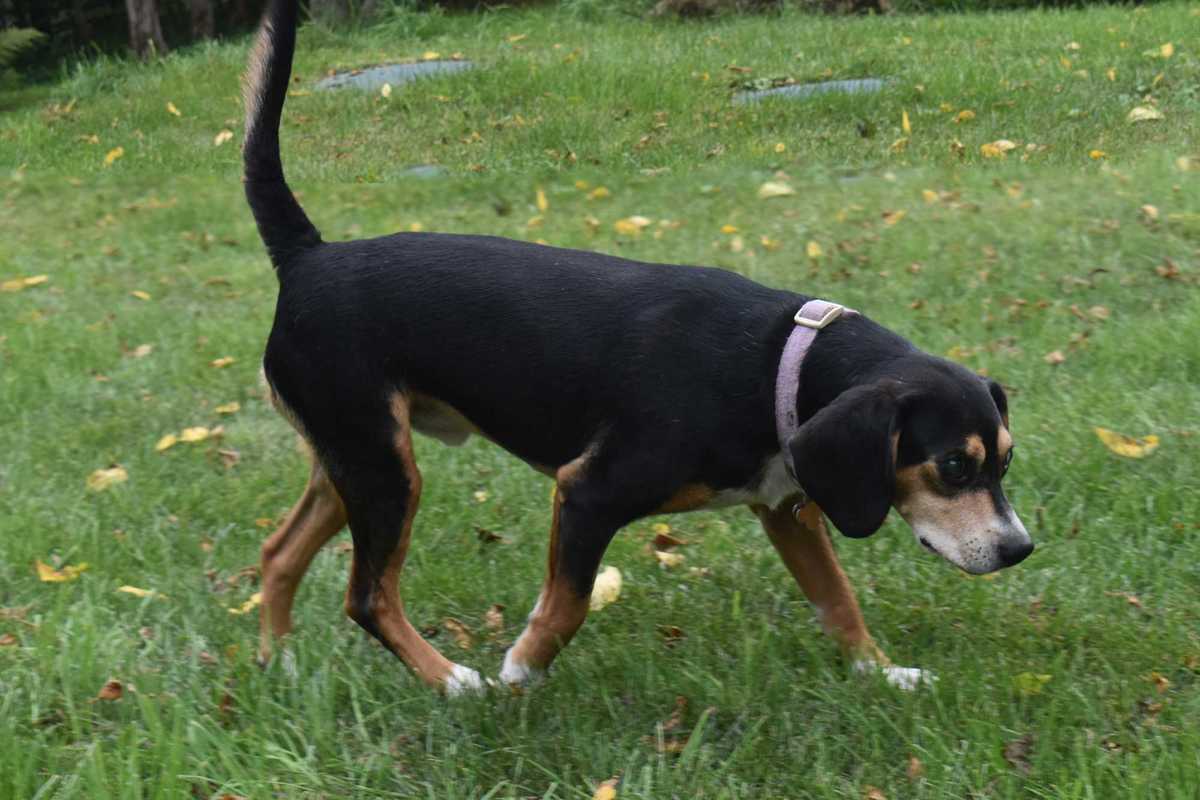
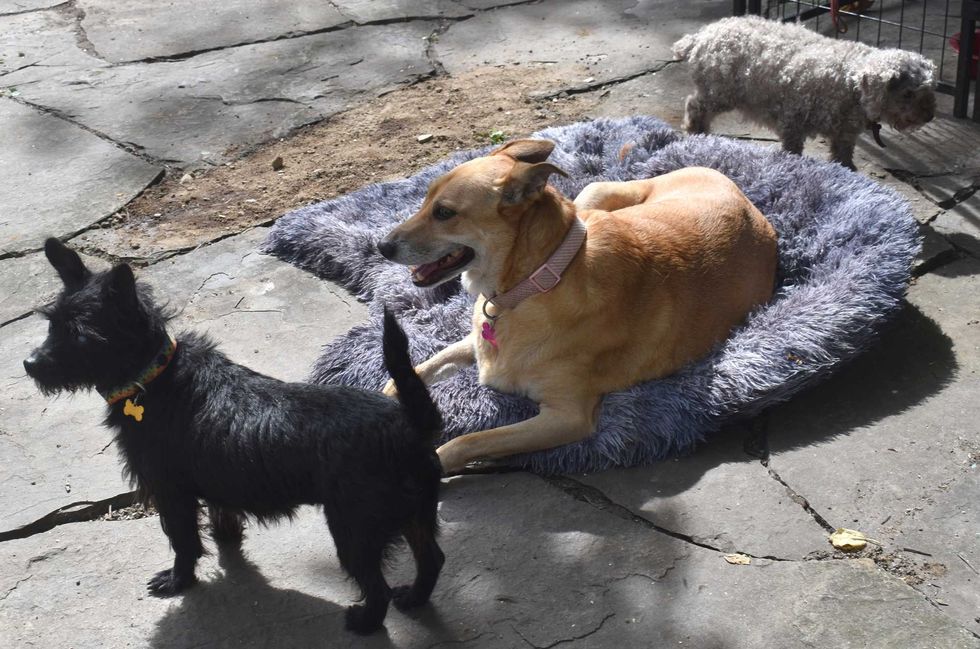 Sadie, center, a Carolina dog, plays with her friend Negra, a terrier mix. Bella Linda, the small poodle, has since been adopted.L. Tomaino
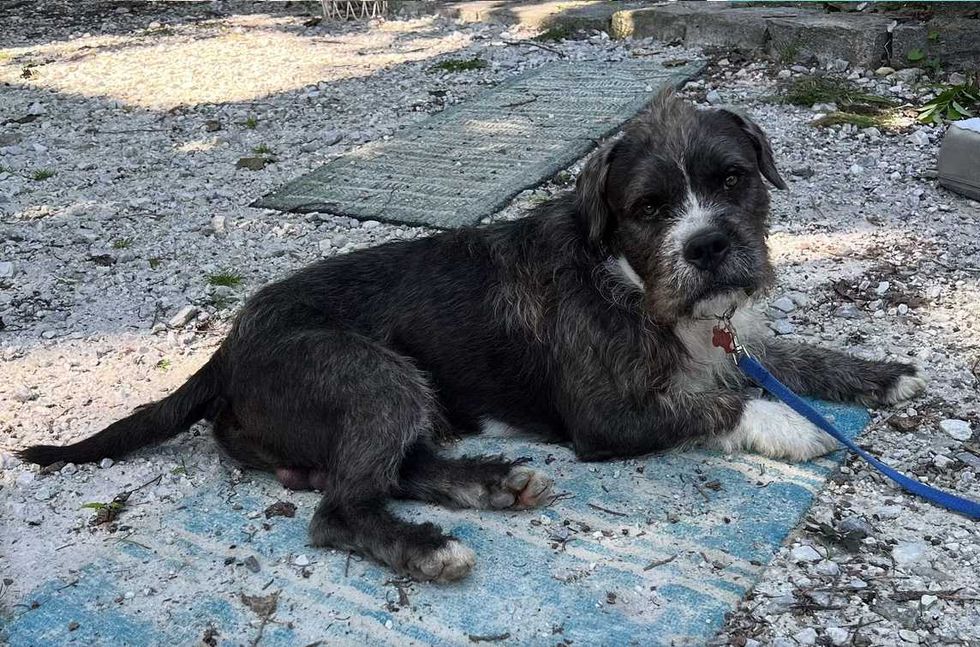 Wesley, a young, exuberant mix, is looking for an active home.L. Tomaino
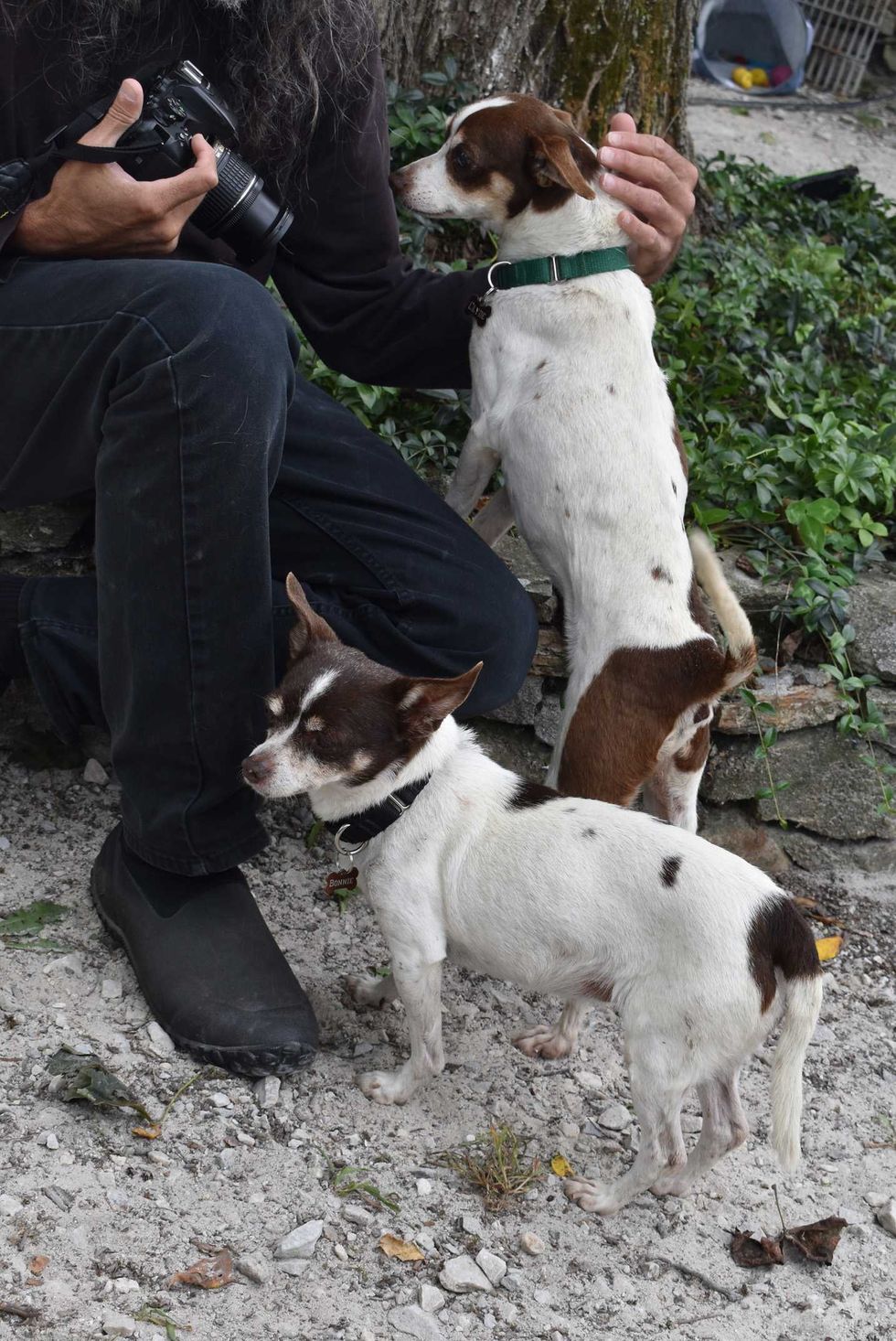 Bonnie and Clyde, an affectionate terrier pair.L. Tomaino