Educator Seymour Smith left a legacy in Pine Plains

Educator Seymour Smith left a legacy in Pine Plains
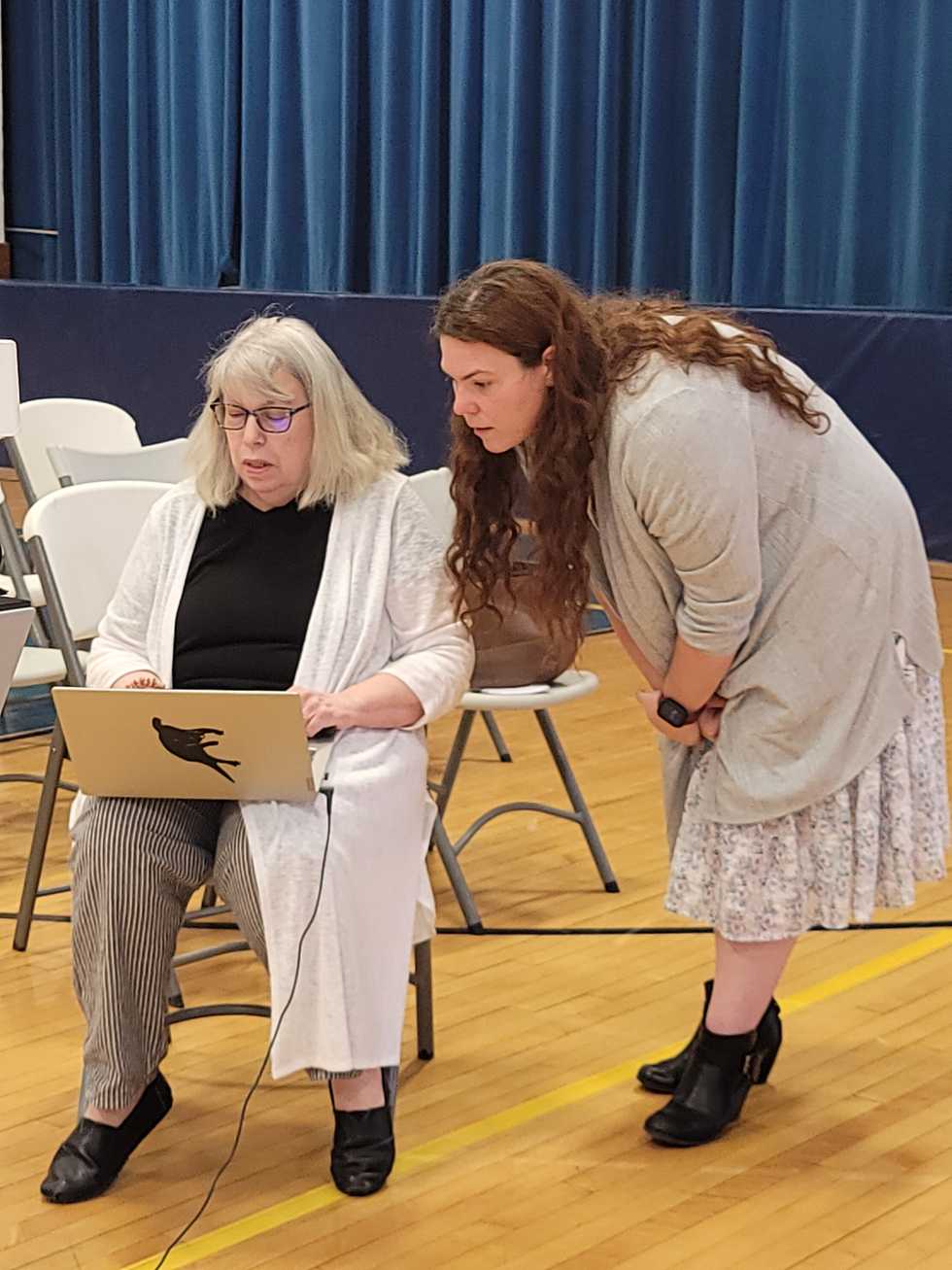
Dyan Wapnik, left, president of the Little Nine Partners Historical Society, readies the Saturday, June 10, presentation of the legacy of educator Seymour Smith with Alexis Tackett, director of the Pine Plains Free Library, in the gym of the Seymour Smith Intermediate Learning Center on Academy Street in Pine Plains. 
Photo by Judith O’Hara Balfe

MILLBROOK —  Most of Pine Plains’ youth are familiar with the hallways, gym and auditorium of the Seymour Smith Intermediate Learning Center (SSILC). In this year of Pine Plains’ bicentennial, the Little Nine Partners Historical Society (LNPHS) wants them to also know the history of the school, its name and how it came to be.

On Saturday, June 10, Dyan Wapnik, president of the LNPHS, with a little help from Alexis Tackett, director of the Pine Plains Free Library, gave an information-filled presentation about Seymour Smith, his contribution to the Pine Plains school system, and the history of the private and public schools that made the educational system what it is today.

Smith was born in 1779 and spent his youth in Pine Plains. His parents, Peter Smith and Sarah Winans Smith, were farmers; the land they had was later known as the Tripp-Hicks Farm in Stanford. Later they moved to land that was and is part of Pine Plains, where their son Seymour was born. He was part of a very large family.

Smith attended the district school, which, at best, provided a limited education. He finished school in Poughkeepsie, but one should note that most education ended at age 15, for boys got jobs or went to work on the farm and girls got married. When Smith returned to Pine Plains, he mustered up a volunteer group to serve for a year in the War of 1812. Upon his return, he leased a farm, later known as the Henry Knickerbocker Farm. He spent most of his adult life away from Pine Plains.

Industrious and hardworking, Smith made a success of his farming ventures throughout his life; he also had other business ventures and was a magistrate. He never married or had children, so upon his death in 1863, he had what, at that time, was a considerable amount of money to bequest. In spite of the fact that he’d spent very little time there after his youth, he remembered his birthplace and his early schooling.

A provision of his will stipulated that he authorized the Town of Pine Plains to take the money, about $6,000, to “…build an academy for the promotion of knowledge.”  The money was invested and accumulated until the building was finally built in 1877.

The Seymour Smith Academy opened in 1879 with about 50 students, both male and female, and the first graduating class held eight students. In 1896, the Seymour Smith Academy ceased to exist, as more stringent rules and regulations were being handed down from New York state. But while it lasted, it served 1,002 students, with 82 of them graduating, and 25 or more were prepared to enter college, this at a time when most students didn’t get past grade school.

The Seymour Smith Academy wasn’t free, but it was less expensive than most of the other private schools of the times, when almost no secondary education was free or even reasonable for the average student.

When Pine Plains Central School District No. 1 came into being in 1931, it was the first in Dutchess County. When the new school was built and opened in 1933, naming it after Seymour Smith seemed appropriate. Naming it after a man who had actually spent little time in Pine Plains after his youth, a man who might seem a bit strange to some, (he kept a coffin in his barn and would often get into the coffin, and would explain to guests about what a wonderful funeral he would have) but had furthered the cause of education seemed fitting.

The district has added schools, changed the grades from school to school, and now SSILC is for children in second through fifth grades. It was rededicated on May 15, 2012, its 80th anniversary, as the Seymour Smith Intermediate Learning Center, still standing proudly at 41 Academy St.

Latest News

Classifieds - February 26, 2026

Classifieds - February 26, 2026

Help Wanted

PART-TIME CARE-GIVER NEEDED: possibly LIVE-IN. Bright private STUDIO on 10 acres. Queen Bed, En-Suite Bathroom, Kitchenette & Garage. SHARON 407-620-7777.

The Salisbury Association’s Land Trust seeks part-time Land Steward: Responsibilities include monitoring easements and preserves, filing monitoring reports, documenting and reporting violations or encroachments, and recruiting and supervising volunteer monitors. The Steward will also execute preserve and trail stewardship according to Management Plans and manage contractor activity. Up to 10 hours per week, compensation commensurate with experience. Further details and requirements are available on request. To apply: Send cover letter, resume, and references to info@salisburyassociation.org. The Salisbury Association is an equal opportunity employer.

Keep ReadingShow less
google preferred source

Want more of our stories on Google? Click here to make us a Preferred Source.

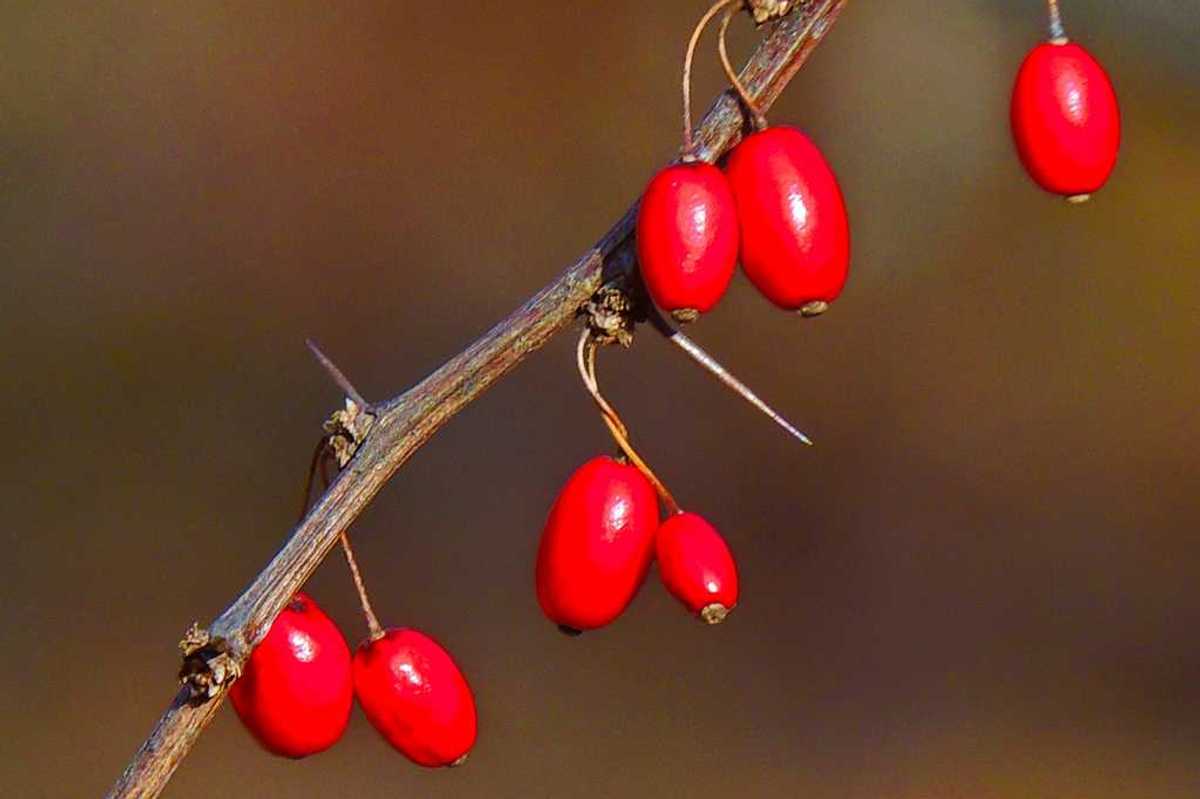
To save birds, plant for caterpillars

Fireweed attracts the fabulous hummingbird sphinx moth.

Photo provided by Wild Seed Project

You must figure that, as rough as the cold weather has been for us, it’s worse for wildlife. Here, by the banks of the Housatonic, flocks of dark-eyed juncos, song sparrows, tufted titmice and black-capped chickadees have taken up residence in the boxwood — presumably because of its proximity to the breakfast bar. I no longer have a bird feeder after bears destroyed two versions and simply throw chili-flavored birdseed onto the snow twice a day. The tiny creatures from the boxwood are joined by blue jays, cardinals and a solitary flicker.

These birds will soon enough be nesting, and their babies will require a nonstop diet of caterpillars. This source of soft-bodied protein makes up more than 90 percent of native bird chicks’ diets, with each clutch consuming between 6,000 and 9,000 caterpillars before they fledge. That means we need a lot of caterpillars if we want our bird population to survive.

Keep ReadingShow less
Stephanie Haboush Plunkett and the home for American illustration

Stephanie Haboush Plunkett

L. Tomaino
"The field of illustration is very close to my heart"
— Stephanie Plunkett

For more than three decades, Stephanie Haboush Plunkett has worked to elevate illustration as a serious art form. As chief curator and Rockwell Center director at the Norman Rockwell Museum in Stockbridge, Massachusetts, she has helped bring national and international attention to an art form long dismissed as merely commercial.

Her commitment to illustration is deeply personal. Plunkett grew up watching her father, Joseph Haboush, an illustrator and graphic designer, work late into the night in his home studio creating art and hand-lettered logos for package designs, toys and licensed-character products for the Walt Disney Co. and other clients.

Keep ReadingShow less
Free film screening and talk on end-of-life care
‘Come See Me in the Good Light’ is nominated for best documentary at this year’s Academy Awards.
Provided

Craig Davis, co-founder and board chair of East Mountain House, an end-of-life care facility in Lakeville, will sponsor a March 5 screening of the documentary “Come See Me in the Good Light” at The Moviehouse in Millerton, followed by a discussion with attendees.

The film, which is nominated for best documentary at this year’s Academy Awards, follows the poet Andrea Gibson and their partner Megan Falley as they are suddenly and unimaginably forced to navigate a terminal illness. The free screening invites audiences to gather not just for a film but for reflection on mortality, healing, connection and the ways communities support one another through difficult life transitions.

Keep ReadingShow less
google preferred source

Want more of our stories on Google? Click here to make us a Preferred Source.

google preferred source

Want more of our stories on Google? Click here to make us a Preferred Source.