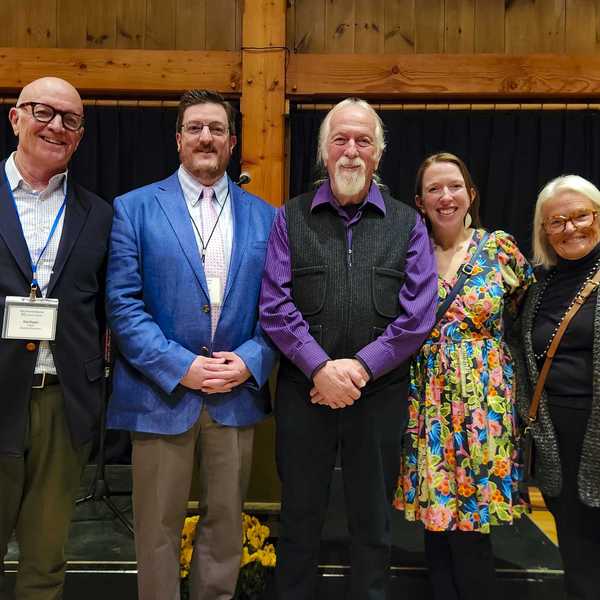
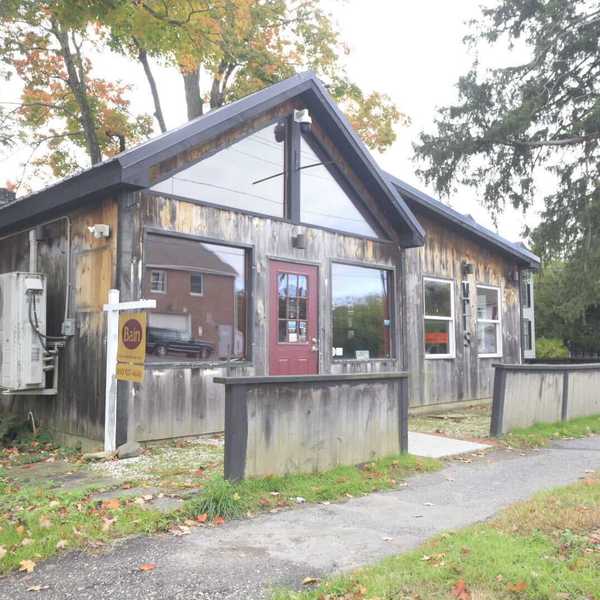
MILLERTON — Transportation challenges in northeast Dutchess County took center stage last week during a listening session held by the Dutchess County Transportation Council at the NorthEast-Millerton Library Annex.
The event, held Oct. 22, was part of the Council’s effort to update its Coordinated Public Transit–Human Services Transportation Plan, which aims to “improve mobility for older adults, people with disabilities, low-income individuals and others who struggle to access reliable transportation.”
Data included in the 2021 version of the plan reveals the Town of North East and Village of Millerton have higher-than-average percentages of older adults, a group especially affected by limited transportation options.
“As people age, their need for services and transportation increases,” the plan states. “Given that we expect an increase in our older population, we can expect to see a concurrent increase in the demand for services that allow people to age in place and remain socially engaged.”
And yet, options remain limited in the northeastern part of the county.
In their presentation, the DCTC outlined the early stages of the six-month data collection and community feedback process. They acknowledged the region’s unique challenges — its distance from Poughkeepsie, smaller population and proximity to the Connecticut border.
In attendance was Martha Shultz, site manager for the Dutchess County Office for the Aging’s Friendship Center in Millerton. Shultz said she joined the meeting as an advocate for the members who regularly take advantage of the Friendship Center’s meals, activities and sense of community — many of whom face daily struggles getting to medical appointments, grocery stores and social activities.
Shultz said she also encouraged several of her center’s participants to join the session so that county officials could hear directly from those most affected. “It’s one thing for me to say something, but to hear it from the people who really need it is different,” she said.
“I often get calls from people who are looking for information about transportation,” Shultz added. “I usually refer them to the North East Community Center. They do the best they can, but they’re just one resource — that’s all we have out here.”
The NECC transportation program offers free rides to seniors, families and individuals from Amenia, Dover, Millerton, Pine Plains, Millbrook and Stanford. Transportation is available to those in need of medical attention, medication, groceries and laundry. Drivers also go to Sharon Hospital across the border in Connecticut. But advance notice is recommended, and priority rides go to those with disabilities and seniors with medical appointments.
Shultz said she appreciated that DCTC staff seemed receptive to feedback, including the need for better communication tools for seniors who may not use technology. She said, “It was worthwhile to go and have our voices heard.”
The DCTC will continue holding listening sessions around the county as it develops its updated transportation plan, expected to be released next year.

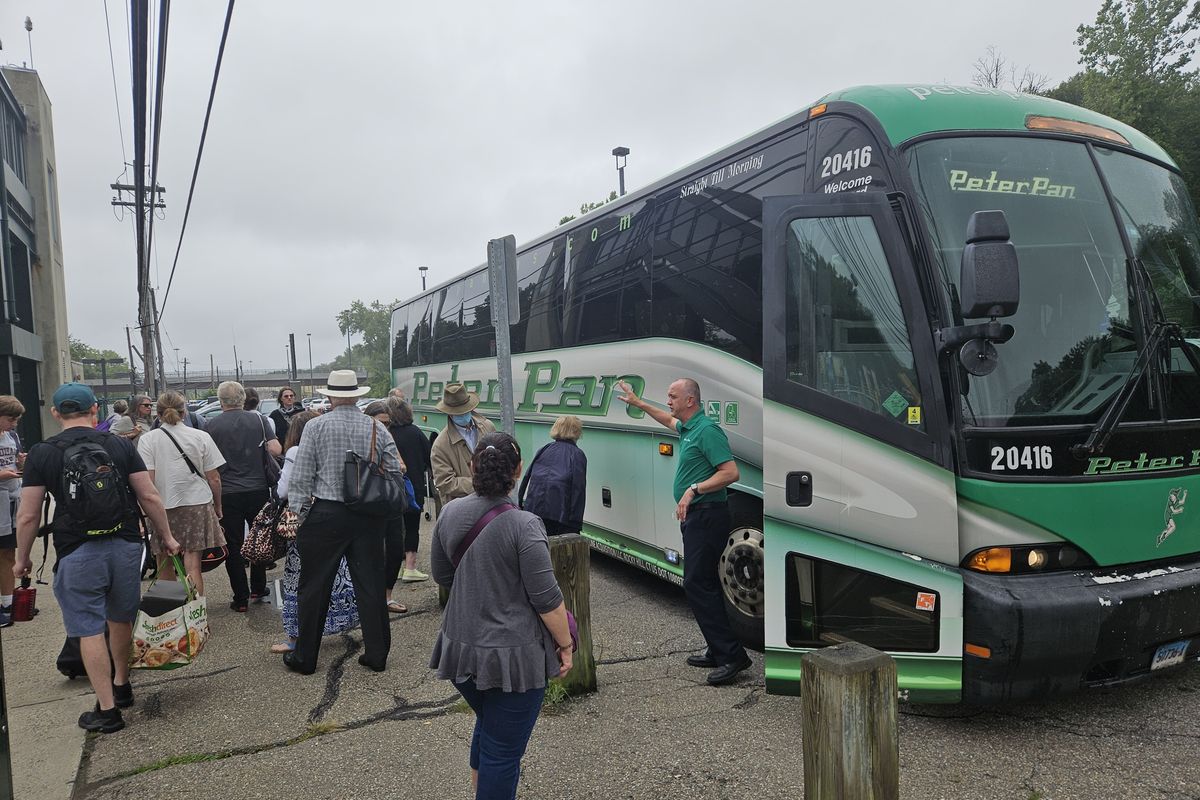



 Photo by Graham Corrigan