This week it’s traditional to consider the things in life for which we’re most grateful. Along with all the more personal items, we should also count the strong Freedom of Information laws in Connecticut as one of them. Connecticut is unique among the states in its long-term commitment to open information and transparent government, its Legislature having unanimously adopted the Freedom of Information Act in 1975.
Mitchell W. Pearlman was the executive director of the state’s Freedom of Information Commission (the world’s first Freedom of Information enforcement agency) from 1975 to 2005, and has been very active not only in the state, but nationwide and worldwide in recommending formal approaches to keeping government accountable to its constituents. Pearlman was key in founding the Connecticut Foundation for Open Government (CFOG), a nonprofit organization dedicated to promoting the open and accountable government so essential in a democratic society, and the education arm of the state’s open government organizations.
Also key to CFOG’s vision was the late Robert Estabrook, editor and publisher emeritus of The Lakeville Journal, who worked with Pearlman and others to form CFOG and ensure its continuation.
Estabrook created the culture for The Lakeville Journal’s involvement with and commitment to freedom of information and open government over all the years since 1975.
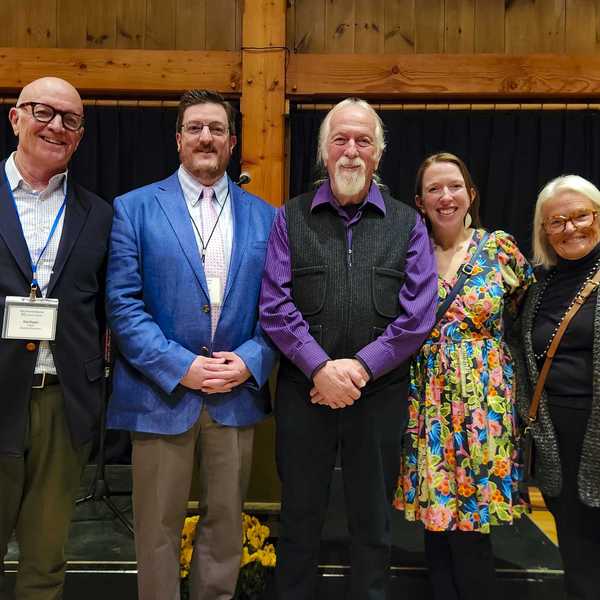
CFOG sponsored an awards ceremony last Thursday, Nov. 16, to honor three people: a state public official, a member of the public, and a journalist, whose use of the state’s freedom of information laws have greatly benefitted their fellow citizens.
The official honored for fostering open government was Rhonda Stearley-Hebert, the deputy director of communications, education and outreach for the state Judicial Branch, whose responsiveness to the media in requests for access to all things relating to the courts has been stellar over many years. In the general public category, CFOG recognized Kevin Brookman, a blogger who has used the FOI Act to uncover critical issues in Hartford government, often finding stories that the media then follows his lead on.
The journalist honored was Bill Cummings, who was selected for his groundbreaking story in August 2022 that revealed Connecticut state troopers had been accused in 2018 of fabricating traffic stop tickets for professional gain. Cummings had used the state Freedom of Information Act to obtain internal affairs documents after seeing the category of “fictitious traffic tickets” in a spreadsheet log he had received after an earlier FOI request. This July, an audit found that hundreds of troopers had falsified information on more than 25,000 traffic stops from 2014 to 2021, skewing reports on the race and ethnicity of drivers who had been pulled over. The scandal prompted Gov. Ned Lamont and the U.S. Department of Justice to investigate the allegations, according to the CFOG website.
— Janet Manko, Publisher Emeritus, CFOG Board member
We are grateful, too, to our many readers, advertisers, supporters and donors. Without you, we would not be able to continue our mission of helping members of our communities make more informed and inspired decisions through comprehensive news and arts coverage. Enclosed in this week’s edition is a preaddressed envelope and appeal letter. With your continued support, we will be able to serve our communities for years to come.



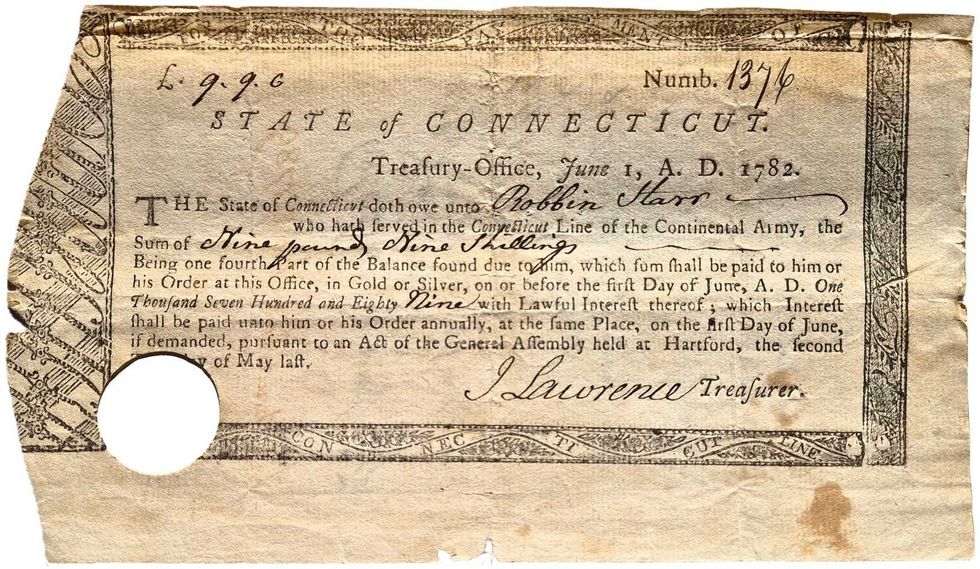 Pay Bill for Robin Starr’s service in the Continental Army.Courtesy the Alex Breanne Corporation
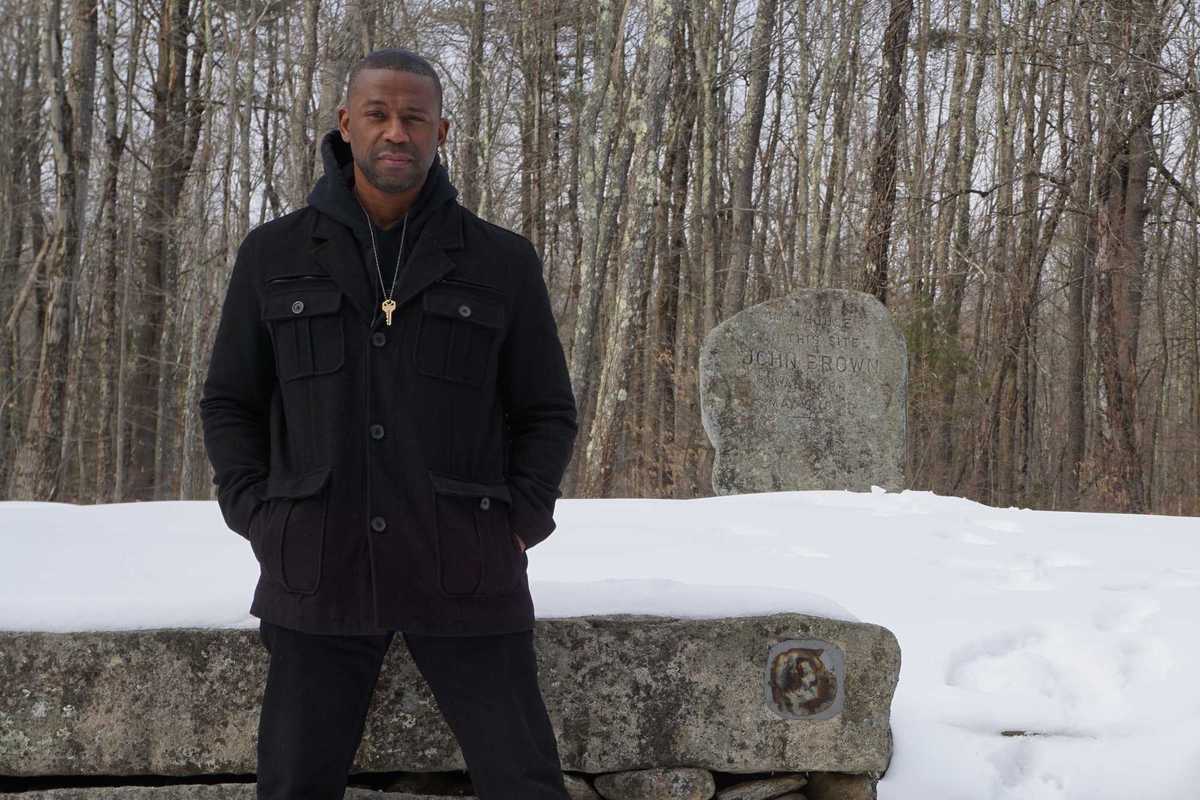
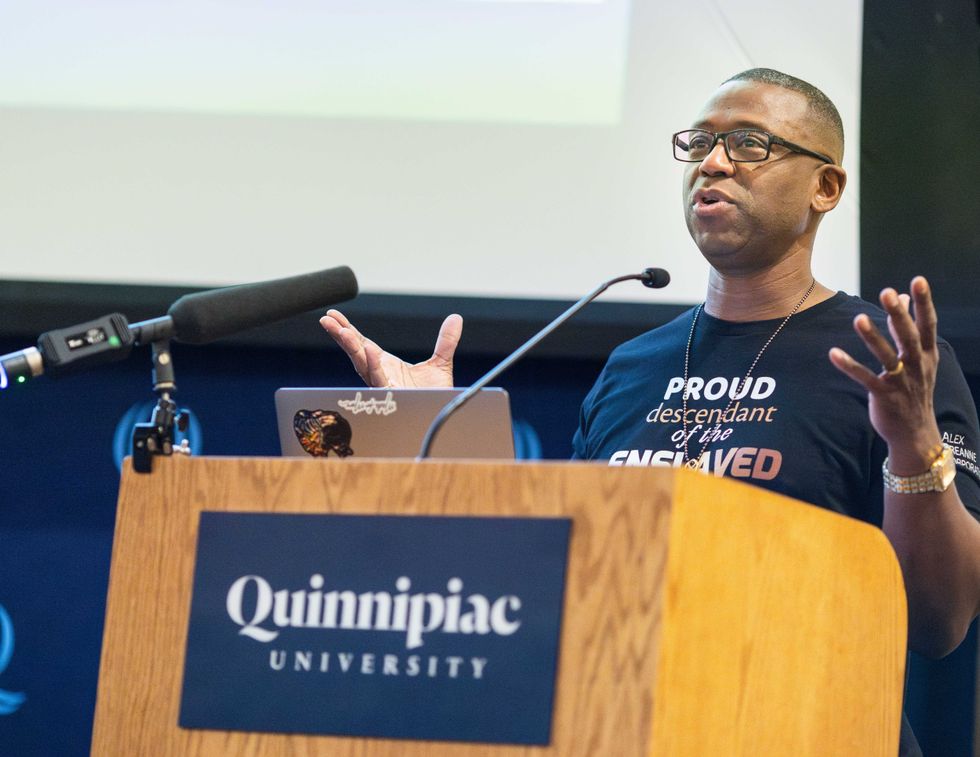 John Mills speaking at Quinnipiac University.Courtesy the Alex Breanne Corporation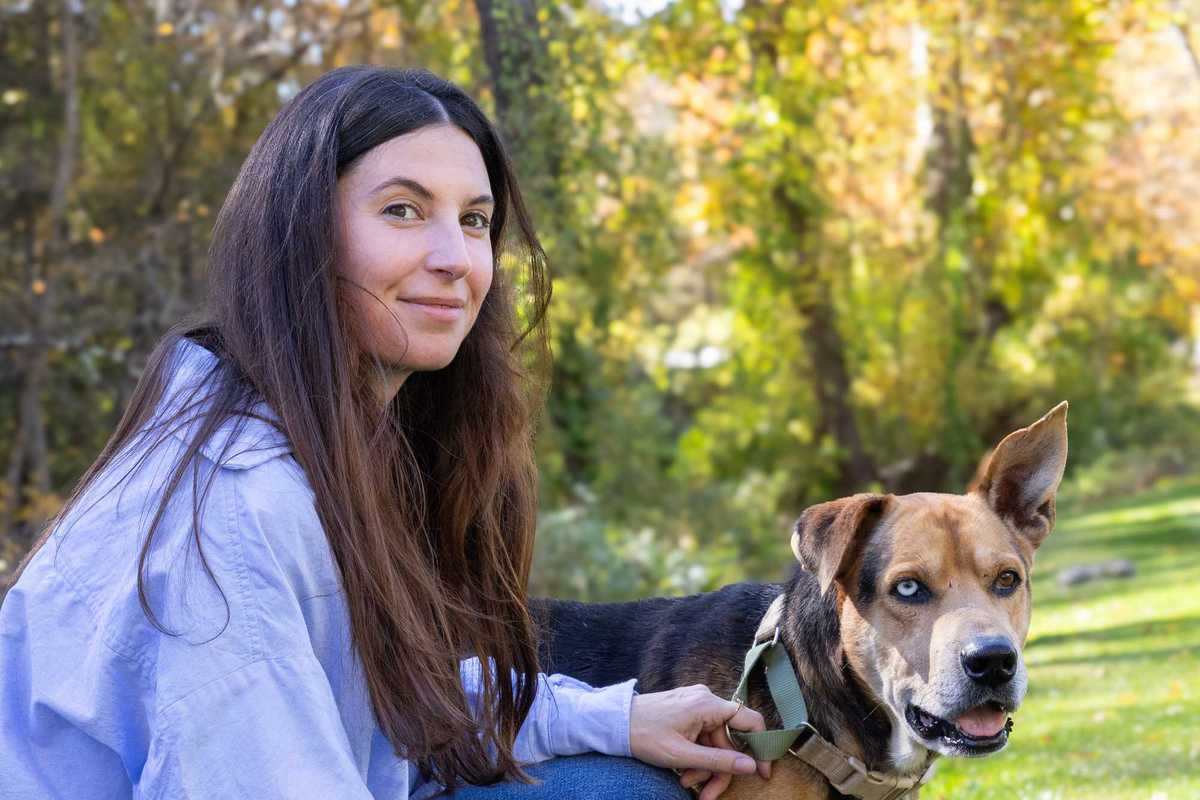
 Stephanie Saetta,with her rescue dog George and Blue (left), a shepherd mix awaiting his forever home.Madi Long