KENT — An 18-year-old swimmer was rescued from the Housatonic River in Kent at an area that has become a popular swimming and picnic spot for out-of-town visitors.
Kent Volunteer Fire Dept. Assistant Chief Gary Hock was the incident commander for the call, which came in to 911 at about 3:25 p.m. on Monday, Aug. 3.
In total, 10 fire company volunteers and five EMTs answered the call, Hock estimated, and mutual aid was requested from Cornwall and nearby Warren, Conn. Both those towns have water rescue teams.
When the emergency volunteers arrived at North Kent Road #2, the young man had already been pulled from the water by his sister-in-law and cousin, Hock said. The two had jumped into the river to save their relative. There is a heavy current in the water at that area, Hock said, but he added that the water did not seem higher or faster than normal for this time of year, in spite of the heavy rains and tornado on Sunday afternoon.
“We didn’t have to get down to the river because by the time we got there the party was semi-responsive and conscious and breathing,” Hock said.
The volunteers were unable to find out exactly what happened, in part because there was a language barrier, Hock said. There had been other bathers at that section of the river, but by the time the emergency vehicles turned up, most of the cars were leaving. Only the swimmer and his sister-in-law and cousin remained.
North Kent Road #2 has been a problem area for many years, not only because visitors take risks by swimming in the fast-moving section of the river but also because they leave large amounts of trash. The town has closed off the area with barriers many times in recent years. On Monday afternoon, the visitors had removed the barriers but then put them back in place behind them.
Hock said this is the second water rescue this summer for the Kent EMTs. The first was about a month ago, he said, farther south along the Housatonic River near Gaylordsville and New Milford. Two people drowned.
New Milford has been sufficiently worried about the dangers posed by the river that it has erected concrete barriers all along the shore.
Hock said he can’t recall the last time a water rescued was needed for a local resident; most of the swimmers taking risks in the river are from out of town. He was not sure where Monday’s visitors were from but he believes they were not local.








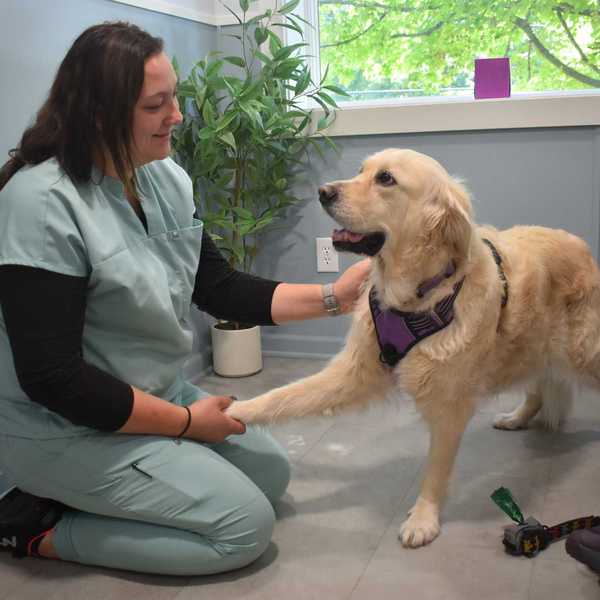
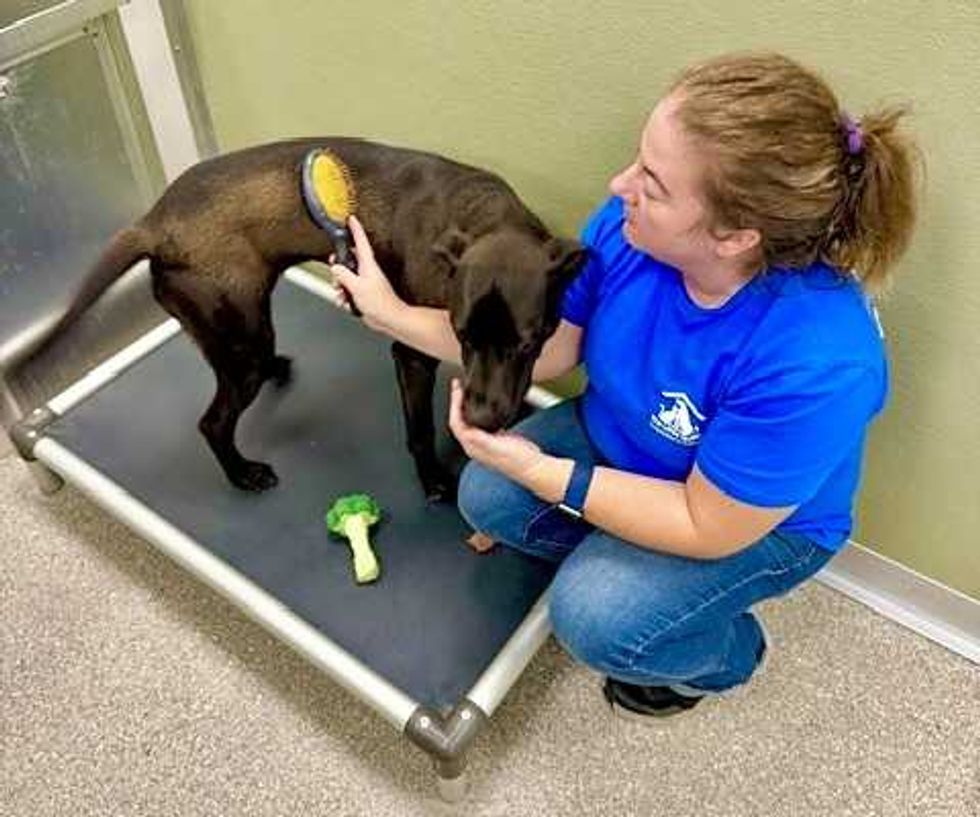 Tiffany Lemelin, shelter manager, brushing Marsala upon arrival.Provided
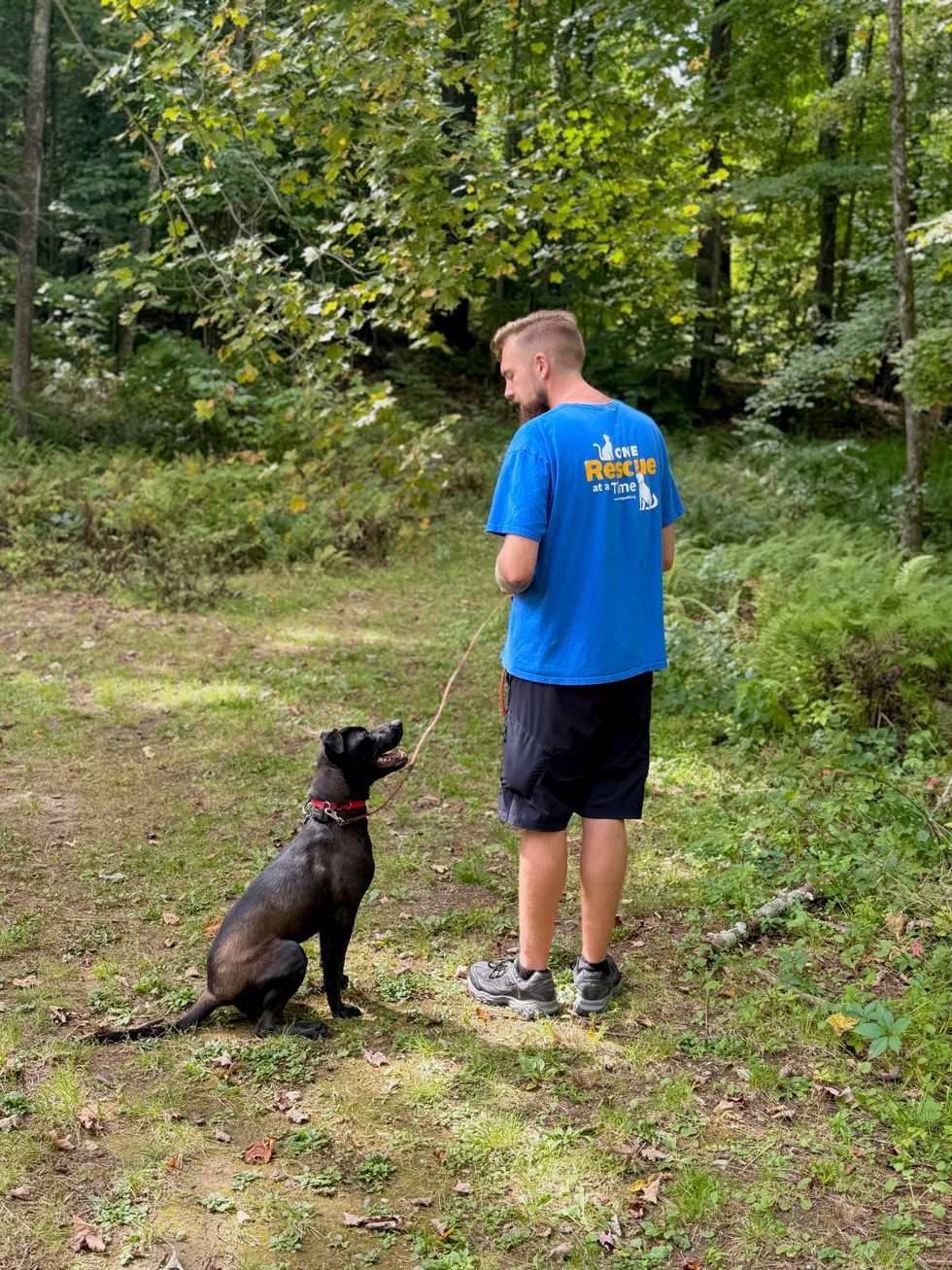 Michael DeBarba, certified dog trainer working with Marsala.Jennifer Almquist
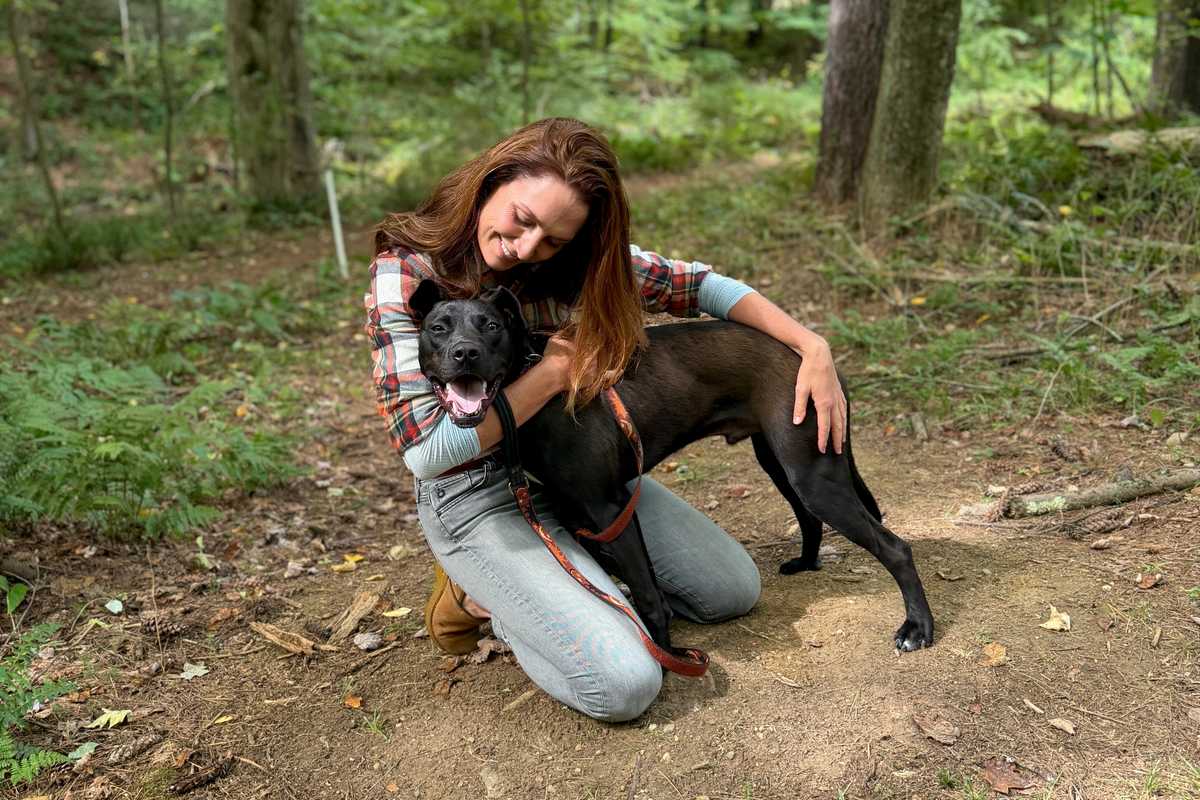 Marsala wins a heart.Jennifer Almquist
 Sadie, center, a Carolina dog, plays with her friend Negra, a terrier mix. Bella Linda, the small poodle, has since been adopted.L. Tomaino
 Wesley, a young, exuberant mix, is looking for an active home.L. Tomaino
 Bonnie and Clyde, an affectionate terrier pair.L. Tomaino