Community Quilting Workshop returns to Wassaic

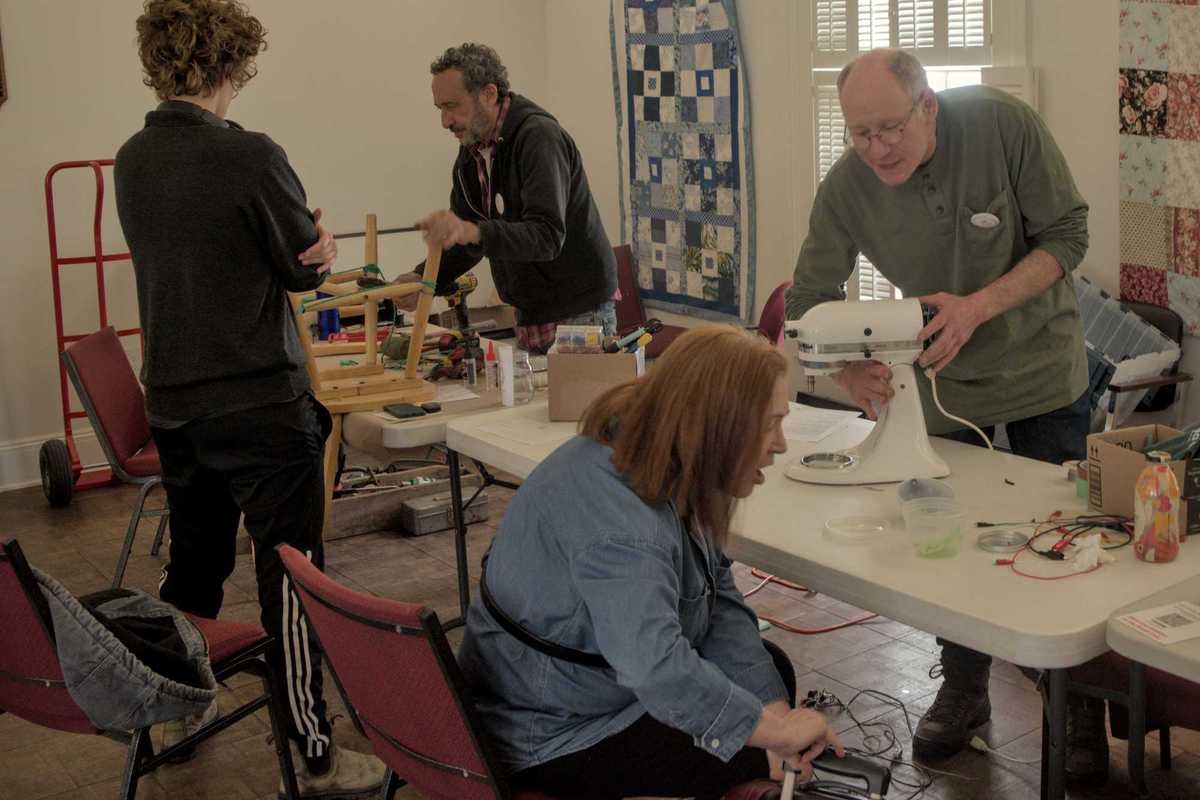
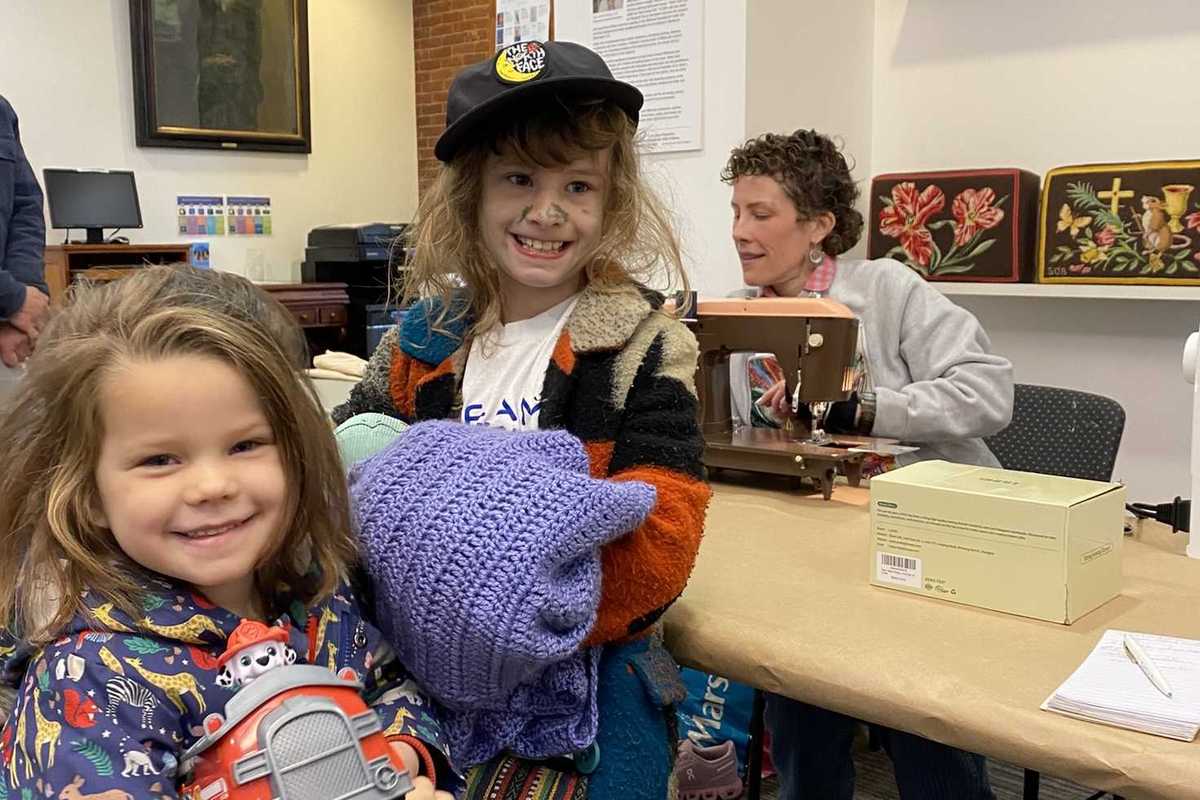
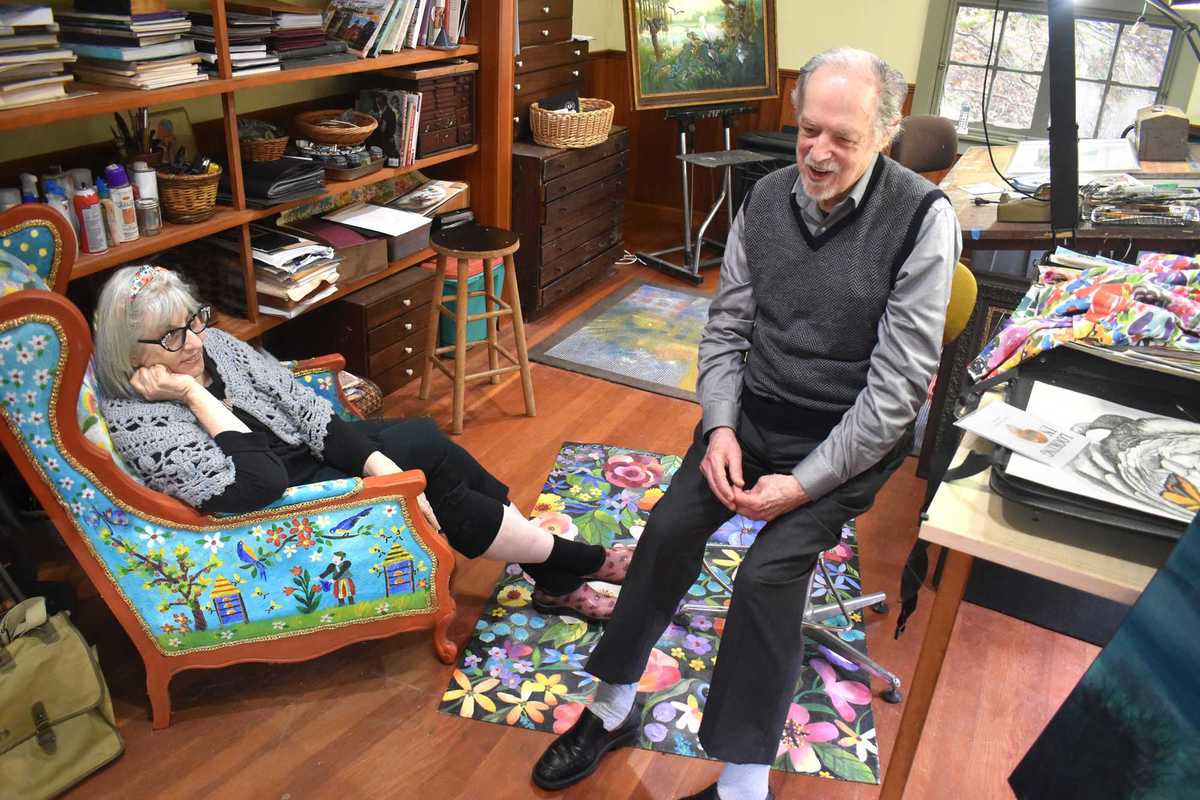
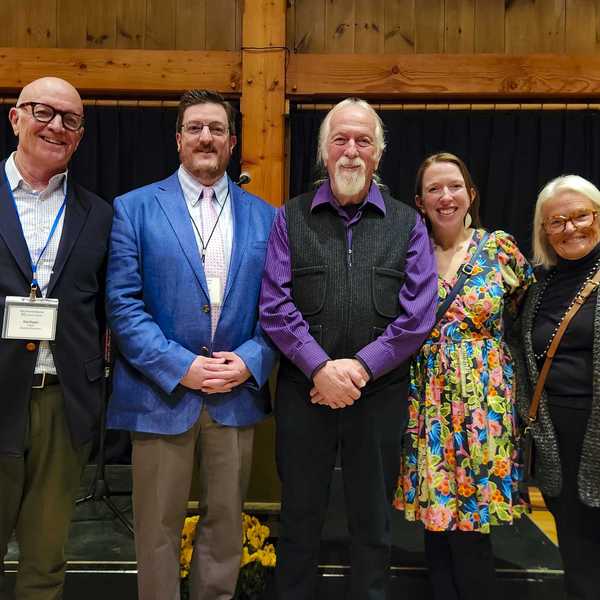
The Wassaic Community Quilting Workshop welcomes all ages and skill levels. Expert quilters will be on hand to help guide the work.
Photo Courtesy Joshua Simpson Photography

The Wassaic Community Quilting Workshop welcomes all ages and skill levels. Expert quilters will be on hand to help guide the work.
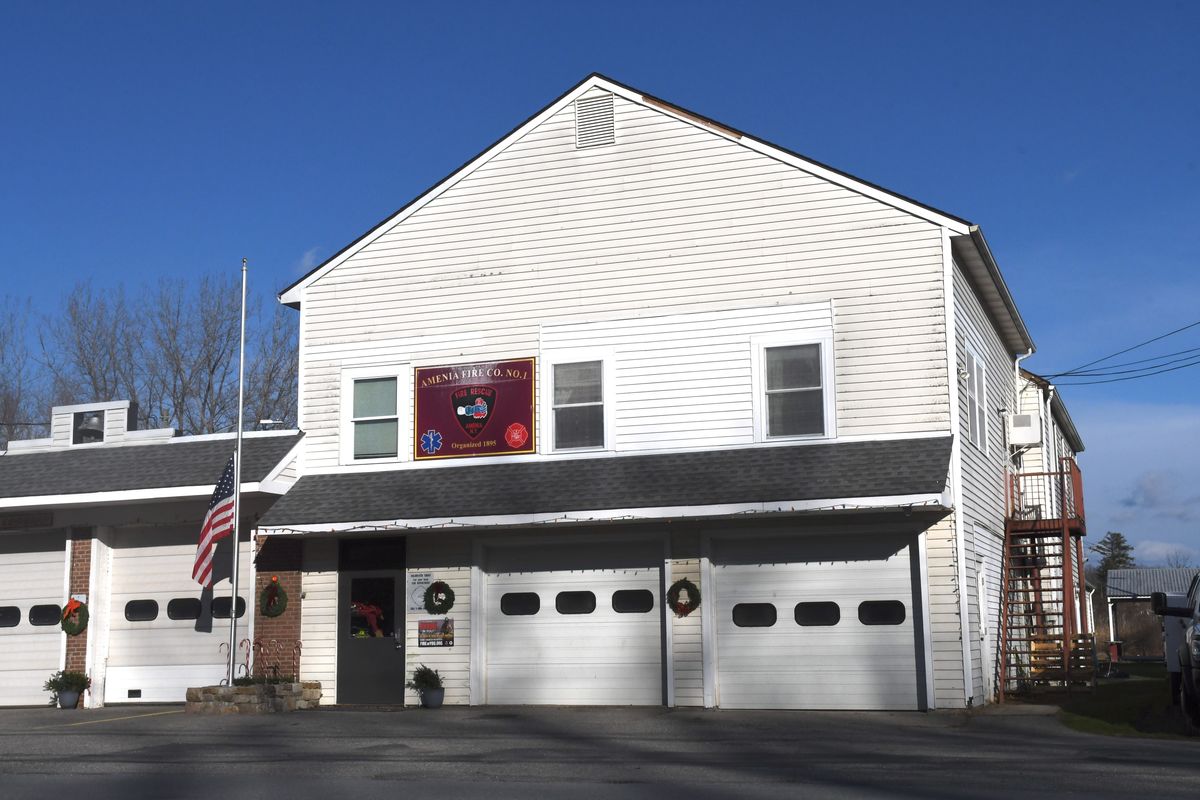
WASSAIC — The third annual Wassaic Community Quilting Workshop with local artist Natalie Baxter will take place on Saturday, Nov. 15, from 1 to 5 p.m. at the Wassaic Fire Station. The free, drop-in event — which is held in partnership with the Wassaic Project — is open to the public and no quilting experience is required.
Participants can expect a hands-on workshop led by quilting pros where they will learn to design, cut and piece together a quilt square using sewing machines under the guidance of experienced quilters. The completed squares will be sewn into a large community quilt, to be displayed at the Wassaic Project’s Maxon Mills before being auctioned off to support the Wassaic Fire Company.
Baxter, known for her textile-based artwork, created this workshop to bring people together in an open, inviting environment with creativity at its center. “Shared creative experiences have been shown to strengthen mental health and community bonds,” she said. “Quilting felt like the perfect medium for that kind of connection.”
The idea for the workshop came amid the COVID-19 pandemic when Baxter saw growing social isolation and political division. “It felt like people were increasingly speaking into echo chambers online rather than connecting face-to-face,” she said. “I noticed how few opportunities there were for people with different backgrounds and viewpoints to gather in the same space.”
Baxter said her choice to use the firehouse as a venue was intentional. “I wanted to get out of these unapproachable spaces like museums and galleries and actually bring people together in a shared space — like a firehouse.”
When Baxter and her family moved from New York City to Wassaic several years ago, it felt like a “significant shift.” She found herself seeking connection and belonging in what she calls a “purple county,” one with political diversity — something that informs much of her work.
Having grown up in Kentucky in a family that supported open-carry gun laws, Baxter’s perspective evolved after years spent in New York City. Today, she takes pride in her ability to bridge opposing perspectives — an ability that threads its way through her art. “My work often explores the space between these divides, and I wanted to take that exploration beyond the gallery and into real, shared action,” she said. “What better way to bring people together than through the act of creating?”
Working primarily in fabric, Baxter’s practice spans soft sculpture, quilted wall hangings and community-based projects. Her work has been exhibited in galleries, museums, universities and fairs in the United States, Hong Kong and Sweden.
“I create approachable work that playfully confronts the complexities of social and political division,” Baxter said, describing her series of stuffed caricatures of assault weapons made from vibrant fabrics. “Using humor and precision, I reflect the absurdity and intensity of our political climate.”
Quilting, however, is where it all began. Baxter learned to sew as a child in Kentucky, following a long line of family quilters. “I never imagined I’d have a career using the same art form I learned from my grandmother,” she said, adding that she is eager to share her experience and talents with the community.
“Shared creative experiences have been shown to strengthen mental health and community bonds, and quilting felt like the perfect medium for that kind of connection,” she said.
This event invites many hands and perspectives to collaborate on a shared vision, all in support of the Wassaic Fire Company.
Baxter received grant funding for the workshop, allowing all quilting materials to be provided to participants free of charge. This project is made possible with funds from the New York State Legislature and administered by Arts Mid-Hudson. This year will feature an optional potluck to encourage additional community building and conversation.

North East Town Hall on Maple Avenue in Millerton.
MILLERTON — North East Town Board members approved a $168,000 loan from the Bank of Millbrook to purchase a new truck for the town’s Highway Department at their regular meeting Thursday, Dec. 11.
The meeting marked the board’s final session of the year.
The town received financing offers from three banks, with interest rates of 3.9%, 3.6% and 2.25%. Board members unanimously approved the lowest bid — a 2.25% rate from the Bank of Millbrook.
Town Supervisor Chris Kennan also updated the board on plans for the new Town Hall, which will be located in the former Jehovah’s Witness Hall on Route 22, south of the Village of Millerton. Kennan said interior renovation design drawings are expected soon and that he hopes to schedule a special meeting in January to allow residents to review the plans and ask questions. A date has not yet been set.
Kennan further briefed the board on a dispute with Suburban Propane involving a buried propane tank discovered at the former Jehovah’s Witness Hall property. After the tank was uncovered, Suburban Propane asserted ownership and demanded the town purchase it for $2,500.
Further investigation revealed the tank bears a sticker reading “Suburban Propane customer-owned property.” In response, board members authorized town attorney Warren Replansky to push back against the company’s claim.
“We’ve been asking, you know, since this started, for proof of ownership,” Replansky said. “We’ve never gotten that.”
Pine Plains Central School District Superintendent Brian Timm addressed the board to outline the district’s anticipated funding challenges, saying officials are preparing for a potential $4 million reduction in state aid and are exploring ways to mitigate the impact.
Timm said the district has historically received about $6 million in annual “foundation aid” from New York state, but ongoing tensions between the Trump administration and state officials have prompted Albany to take a closer look at public aid disbursements.
In the past, New York maintained a policy that protected school districts from reductions in foundation aid, Timm said. That safeguard, however, is now under review as the state responds to cuts in federal funding.
“I think the governor has some difficult decisions that she needs to make in her preparation of her budget,” Timm said. “So, I’m not 100% sure that we will be fully funded in foundation aid.”
Timm said the district is proposing to close its elementary school building in an effort to “right-size” operations. He said the district’s two remaining buildings would be sufficient for current enrollment, and that closing the elementary school could reduce costs and generate revenue through a potential sale or lease of the property.
More information is available on the Pine Plains Central School District’s website at ppcsd.org.
The meeting also marked the end of Ralph Fedele’s 12-year tenure on the Town Board, prompting members to approve a resolution of commendation.
Kennan praised Fedele for his commitment to public service and his work revitalizing and maintaining historic landmarks throughout the town.
“Ralph Fedele has served three four-year terms as a councilman on the Town Board of the Town of North East with good humor, kindness to all, and a deep concern for the community’s senior citizens and for those living on fixed incomes,” Kennan read from the resolution. The resolution was approved by a unanimous roll-call vote.
Community members used the public comment portion of the meeting to further praise Fedele and his service.
“The way you laugh, it opens my heart,” said Claire Goodman, a Millerton resident and volunteer with the Friends of Spencer’s Corners Burying Ground. “It doesn’t matter whether we’re standing out in the cold, scrubbing tombstones at Spencer’s Corners, or whether you’re ringing the bell at the schoolhouse. You always have such grace, and you’re a true gentleman, and one of the reasons I decided to stay here. Thank you.”
Millerton Village Hall, where the Zoning Board of Appeals has begun laying the groundwork for a zoning overhaul aimed at modernizing the village’s code.
MILLERTON – The village Zoning Board of Appeals (ZBA) met on Tuesday night to begin laying the groundwork for a long-anticipated update to its zoning code — a process officials say is necessary to replace regulations they repeatedly describe as “outdated.” The discussion comes as the Town of North East faces public scrutiny over its November release of a years-long zoning rewrite of its commercial district.
To better understand the rewrite process — and avoid replicating challenges the town has encountered — ZBA Chair Kelly Kilmer invited two members of the North East Zoning Review Committee (ZRC), Edie Greenwood and David Sherman, to share insight.
Kilmer emphasized that the village has no intention of embarking on a years-long rewrite like North East’s, noting that the town’s zoning update has already stretched over four years. “Some of our terms [in office] will be up by then,” she joked.
Instead, Kilmer said the village intends to begin by zeroing in on the parts of the code that most often appear before the ZBA and Planning Board.
“We need to look at the zoning laws that come up the most when people come to us for variances,” Kilmer said. “The ones that are really holding people up.” She added that she doesn’t want to over-complicate the process.
Parking is one issue that continually comes up at Village Hall. It is already under review and will be discussed at a Dec. 15 public hearing, where a proposed zoning change will be presented. The revision would ease off-street parking requirements in the business district and lower barriers to entry for new businesses.
Greenwood offered two key suggestions for the village’s early stages. First, she recommended becoming fluent in the 2019 Comprehensive Plan, which she said guided the town’s zoning process and served as a blueprint. Second, she urged the village to hire a consultant, pointing out that zoning code is generally “too technical” to interpret and rewrite without professional support.
Greenwood said she pursued a grant through Hudson River Valley Greenway to help the town pay for its consultant. However, the September deadline has already passed for the upcoming year, meaning the village would need to wait until next year to apply
She also advised beginning the process with a clear purpose. “Whether you call it ‘legislative intent’ or ‘purpose,’ that’s the brainstorming of what you want to happen in that district,” Greenwood said.
Village board member and ZRC volunteer David Sherman echoed the sentiment: “Begin with the vision you’d like to see in the district.”
With the help of Greenwood and Sherman, Kilmer outlined four immediate next steps for the village.
Greenwood recommended additional in-person and online training, including programs through Cornell Cooperative Extension (CCE) and the New York Conference of Mayors (NYCOM). While ZBA members are only required to complete four hours of training annually, officials said they intend to do more.
Even as the zoning conversation moves ahead, board members stressed that the village’s long-running wastewater constraints will ultimately shape what any zoning changes can accomplish.
“We can dream all we want,” said ZBA member Delora Brooks, “but if the wastewater doesn’t get addressed, everything else we do will be shaped around that.”
Cathy Fenn, who has served in multiple village and town roles over the decades, questioned why the Planning Board was not at the table, noting that it led the last major zoning change in the village.
The meeting took place as the Village Board weighs whether to consolidate or potentially eliminate the Planning Board in favor of a different structure. Kilmer said there was value in keeping the initial zoning conversations small and focused while the village works through those broader governance questions.
Looking ahead, Kilmer said that transparency will be central to the process, noting that she intends to use the public as a sounding board and help demystify the steps ahead.
Correction: The Amenia Planning Board does not have another meeting scheduled prior to the end of the year. It is currently unclear if the board will schedule another meeting to make up for the cancelled meeting on Dec. 10.
A snowstorm that dropped about an inch across northeast Dutchess County forced the cancellation of municipal board meetings in the Village of Millerton, Amenia and Pine Plains on Wednesday, Dec. 10.
Planning Boards for all three municipalities were meant to meet on Wednesday night.
The Village of Millerton's Planning Board was meant to discuss a site plan for Caffeine Academy — a proposed education center for children and young adults with developmental disabilities.
Caffeine Academy founder Alex That purchased Millerton's former Presbyterian church at 58 Main St. in April, with plans to convert it into the second location of his West Babylon, New York-based music and video production learning center.
The site plan hearing has been rescheduled for Tuesday, Dec. 16, at village hall, 5933 N. Elm Ave., starting at 7 p.m.
The Town of Amenia's Planning Board postponed two public hearings due to the snow.
The first on the agenda is a small subdivision proposing to split a single lot with a farm into two parcels on Kent Road.
The second public hearing on the agenda concerned a modification to site plans for two condo buildings in the Silo Ridge luxury housing development.
The board also had several discussion items on the agenda, including a special use permit to convert the former bank in the Freshtown Plaza parking lot into a drive-thru coffee shop.
Board members were also expected to discuss improvements to the septic system at Cumberland Farms on Main Street, as well as continue discussions on the proposed Cascade Creek workforce housing development and the proposed Keane Stud luxury estate subdivision.
Pine Plains Planning Board members were expected to review and approve resolutions for three applications, including the proposed Upstate Pines retail cannabis dispensary that has been the subject of months of public hearings.
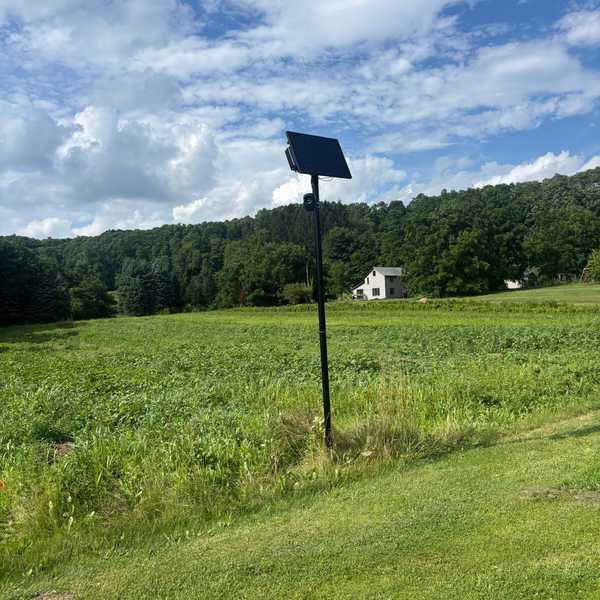
That meeting has been rescheduled for Wednesday, Dec. 17, at 7:30 p.m. The Planning Board is expected to approve a solar ground mount at a residential parcel, the proposed cannabis dispensary on Main Street and a six-month extension for site plan approval for hardwood manufacturer The Hudson Company's proposed mill and showroom.
The Stone Round Barn at Hancock Shaker Village.
My husband Tom, our friend Jim Jasper and I spent the day at Hancock Shaker Village in Pittsfield, Massachusetts. A cold, blustery wind shook the limbs of an ancient apple tree still clinging to golden fruit. Spitting sleet drove us inside for warmth, and the lusty smells of manure from the goats, sheep, pigs and chickens in the Stone Round Barn filled our senses. We traveled back in time down sparse hallways lined with endless peg racks. The winter light was slightly crooked through the panes of old glass. The quiet life of the Shakers is preserved simply.

Originally founded in England, the Shakers brought their communal religious society to the New World 250 years ago. They sought the perfection of heaven on earth through their values of equality and pacifism. They followed strict protocols of behavior and belief. They were celibate and never married, yet they loved singing and ecstatic dancing, or “shaking,” and often adopted orphans. To achieve their millennialist goal of transcendental rapture, we learned, even their bedclothes had to conform: One must sleep in a bed painted deep green with blue and white coverings.
Shakers believed in gender and racial equality and anointed their visionary founding leader, Mother Ann Lee, an illiterate yet wise woman, as the Second Coming. They embraced sustainability and created practical designs of great utility and beauty, such as the mail-order seed packet, the wood stove, the circular saw, the metal pen, the flat broom and wooden clothespins.
Burning coal smelled acrid as the blacksmith fired up his stove to heat the metal rod he was transforming into a hook. Hammer on anvil is an ancient sound. My husband has blacksmithing skills and once made the strap hinges and thumb latches for a friend’s home.
Shaker chairs and rockers are still made today in the woodworker’s shop. They are well made and functional, with woven cloth or rush seats. In the communal living space, or Brick Dwelling, chairs hang from the Shaker pegs that run the length of the hallways, which once housed more than 100 Shakers.

In 1826, the 95-foot Round Stone Barn was built of limestone quarried from the land of the 3,000-acre Hancock Shaker Village. Its unique design allowed a continuous workflow. Fifty cows could stand in a circle facing one another and be fed more easily. Manure could be shoveled into a pit below and removed by wagon and there was more light and better ventilation.
Shakers called us the “people of the world” and referred to their farm as the City of Peace. We take lessons away with us, yearning somehow for their simplicity and close relationship to nature. One Shaker said, “There’s as much reverence in pulling an onion as there is in singing hallelujah.”
A sense of calm came over me as I looked across the fields to the hills in the distance. A woman like me once stood between these long rows of herbs — summer savory, sage, sweet marjoram and thyme — leaned on her shovel brushing her hair back from her eyes, watching gray snow clouds roll down the Berkshires.
More information at hancockshakervillage.org