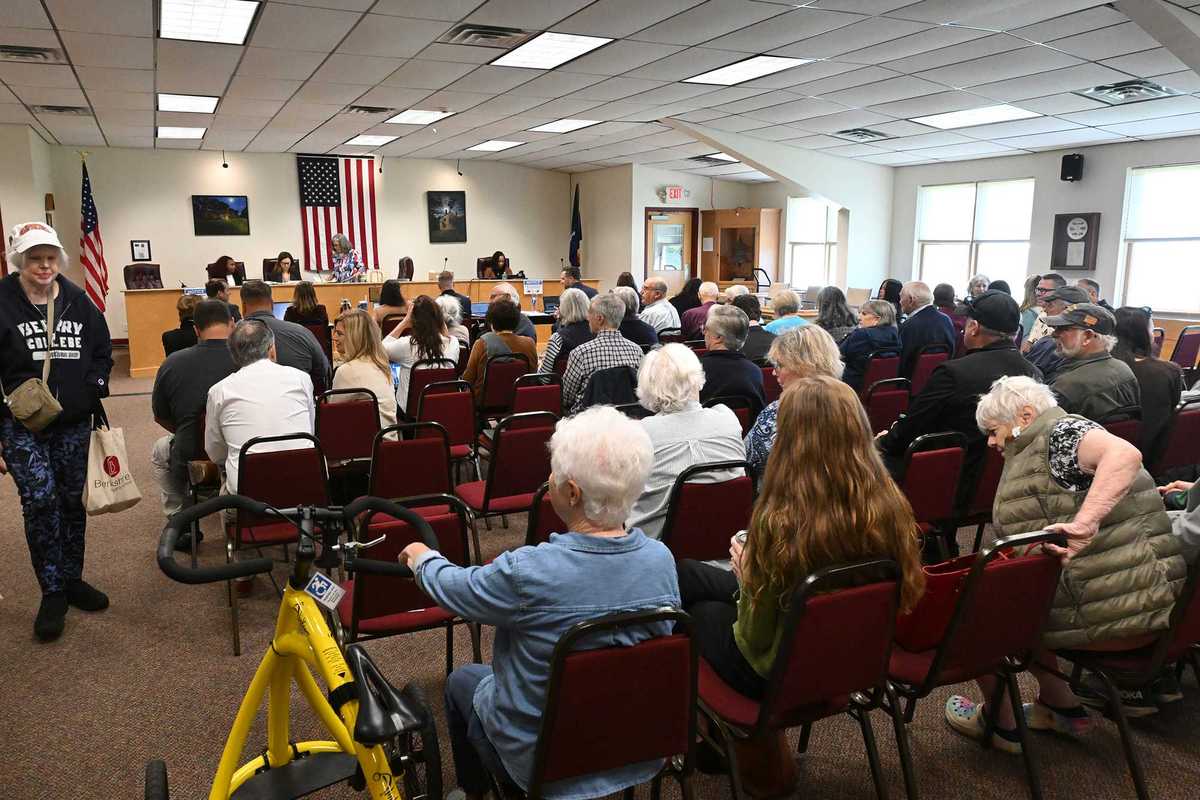
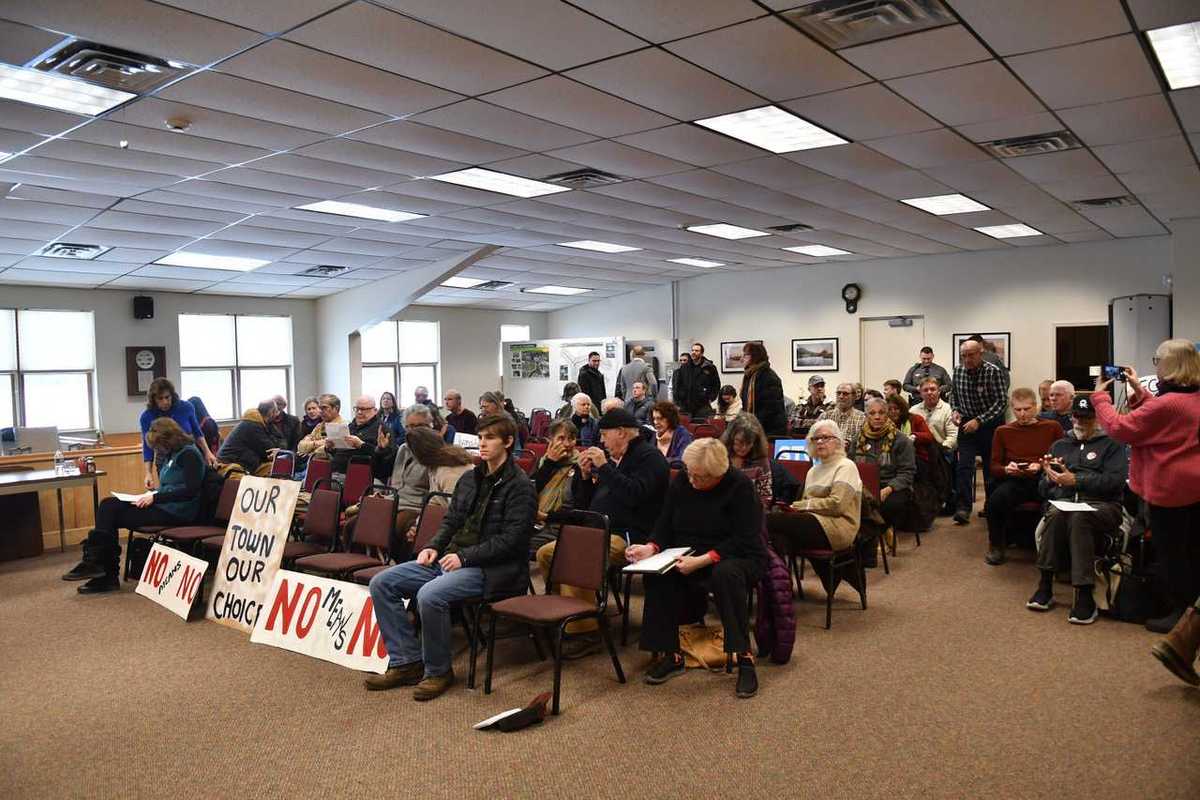
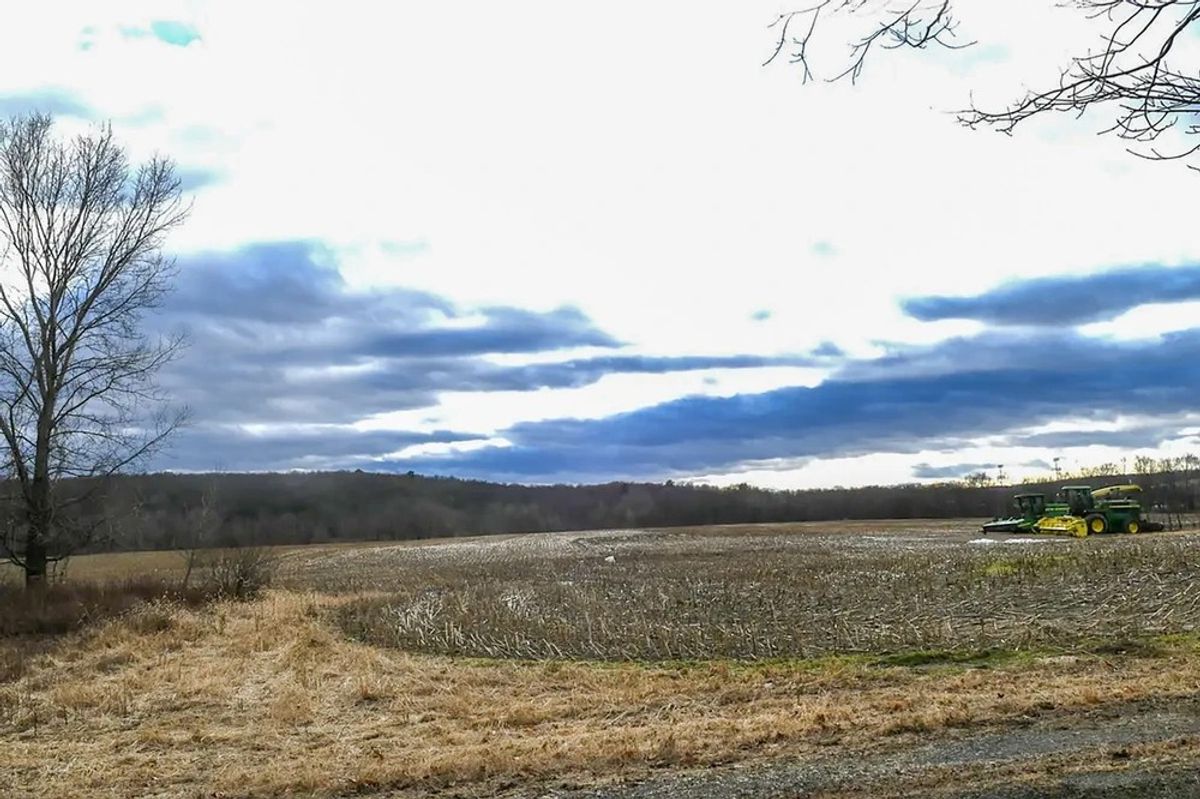
COPAKE — There was standing room only on Saturday, Jan. 10, when more than 100residents attended a community meeting to hear experts and ask questions about the proposed 42-megawatt Shepherd’s Run solar project that has been given draft approval by New York State.
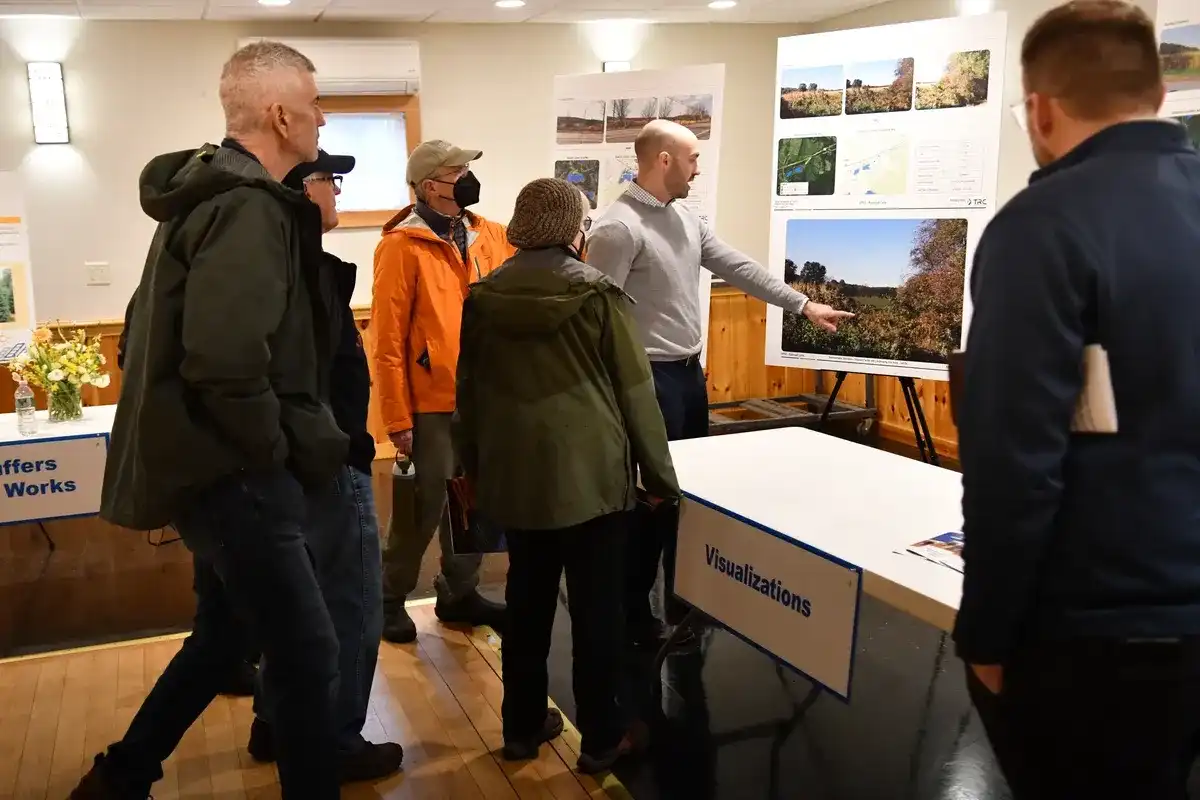
The parking lot at the Copake Memorial Park Building was filled, and inside Sensible Solar for Rural New York and Arcadian Alliance, two citizen groups, presented a program that included speeches, Q&A, videos and workshop-like setups.
Speakers urged everyone to attend public hearings on the Hecate Energy LLC plan that are scheduled for Wednesday, Jan. 21, and Thursday, Jan. 22, in person at the Copake Town Hall, and in a virtual setting on Tuesday, Jan. 27.
There were representatives from local, state and county government on hand, including from State Sen. Michelle Hinchey’s, D-41, office. Hinchey has expressed concerns about the project. Assemblywoman Didi Barrett, D-106, plans to attend one of the in-person hearings. Sam Hodge, chair of the Columbia County Democratic Party and a potential primary challenger to Barrett, was also present, as were Columbia County Clerk Holly Tanner and Copake Town Supervisor Richard Wolf.
“The vast majority of Copakians don’t want this project,” Wolf said as he began to talk, arguing that the local environment would be damaged, no permanent jobs would be created and the electricity generated would be transmitted downstate.
The state has overridden 16 of the town’s zoning regulations, he said.
“I encourage people to come to the hearings,” he said. “Make your opinions and voices heard.”
Wolf has been frustrated in dealing with the Chicago-based solar developer from the start and asserts that Hecate has “no interest in Copake.”
“I haven’t heard from anybody at Hecate in 20 months,” he said.
Lindsay LeBrecht, a Copake Lake resident, spoke as a member of a panel and questioned why prime farm land is being taken for this so-called solar farm. “It’s not a farm,” she said. “It’s an industrial site.”
One concern cited by the project’s opponents is the adjacency to Taconic Hills Central School in Craryville and the prospect of fire risk. William Murphy, a retired Battalion Chief with the New York City Fire Department, spoke about the fire threats, and said there isn’t enough fire-fighting capacity in the Craryville, Copake and Hillsdale area to adequately respond in the event of a fire. In New York in 2023, he said, there were three large solar facility fires. He also said they are increasing in number and often are unreported.
When he was asked by the school to develop an evacuation plan, he said he declined.
“No plan is fast enough to keep the students safe,” Murphy said.
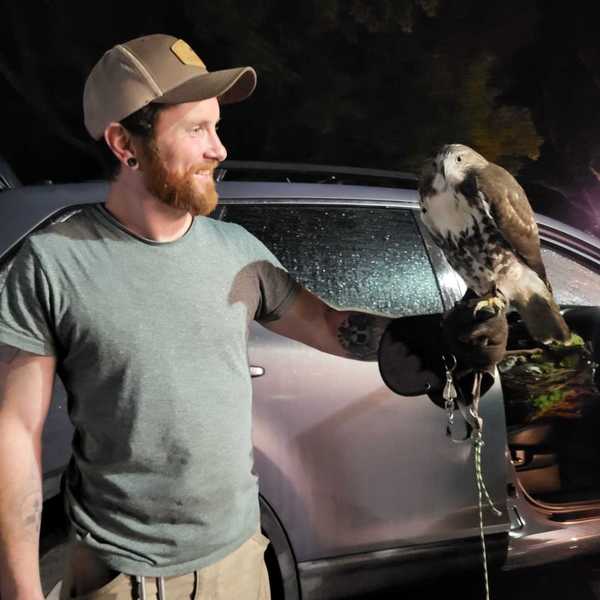
Animal expert Nick Jacinto, who is based on Long Island and who brought two live owls and a falcon to the community meeting, expressed concern about probable breeding pairs of peregrine falcons and bald eagles that could be threatened by the project.
“Will solar panels become this generation’s DDT,” he said, in a reference to the pesticide that nearly devastated bald eagle populations in the U.S. in the 1960s.
Questions from attendees focused on ways to stop the project, such as banding together to raise funds that could be used to buy out the lease options on the land, or having the town bring a lawsuit. Supervisor Wolf said there is a contingency plan that could bring this into court, but he didn’t believe the lease options can be touched at this point.
There was a lot of community spirit to go around. After the two-hours elapsed, people clustered together to continue discussing the project that has been in the wind in the agricultural hamlet since 2017.
Vicki Sander, a member of Sensible Solar who helped organize the meeting, said she invited Hecate to come. But “I didn’t hear back.”





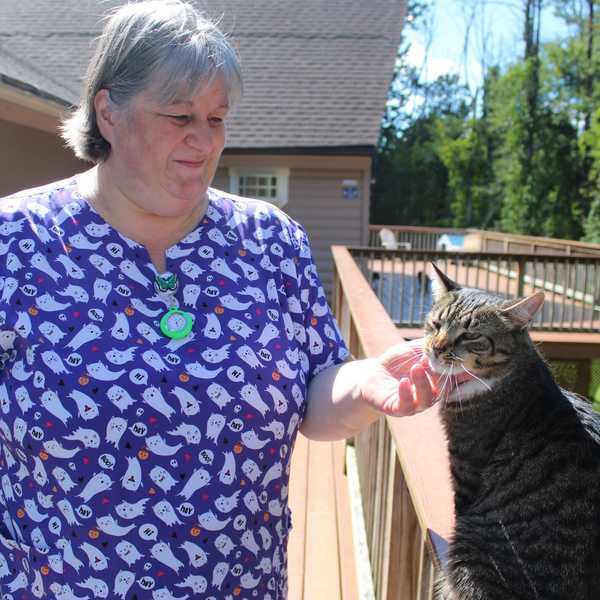
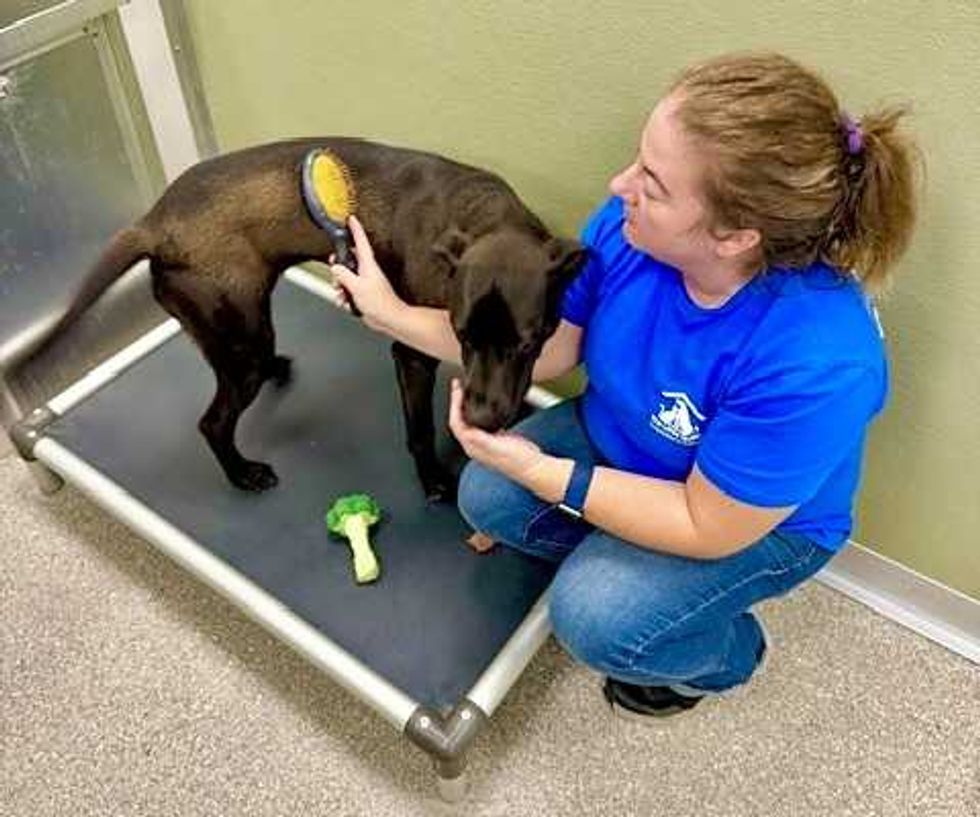 Tiffany Lemelin, shelter manager, brushing Marsala upon arrival.Provided
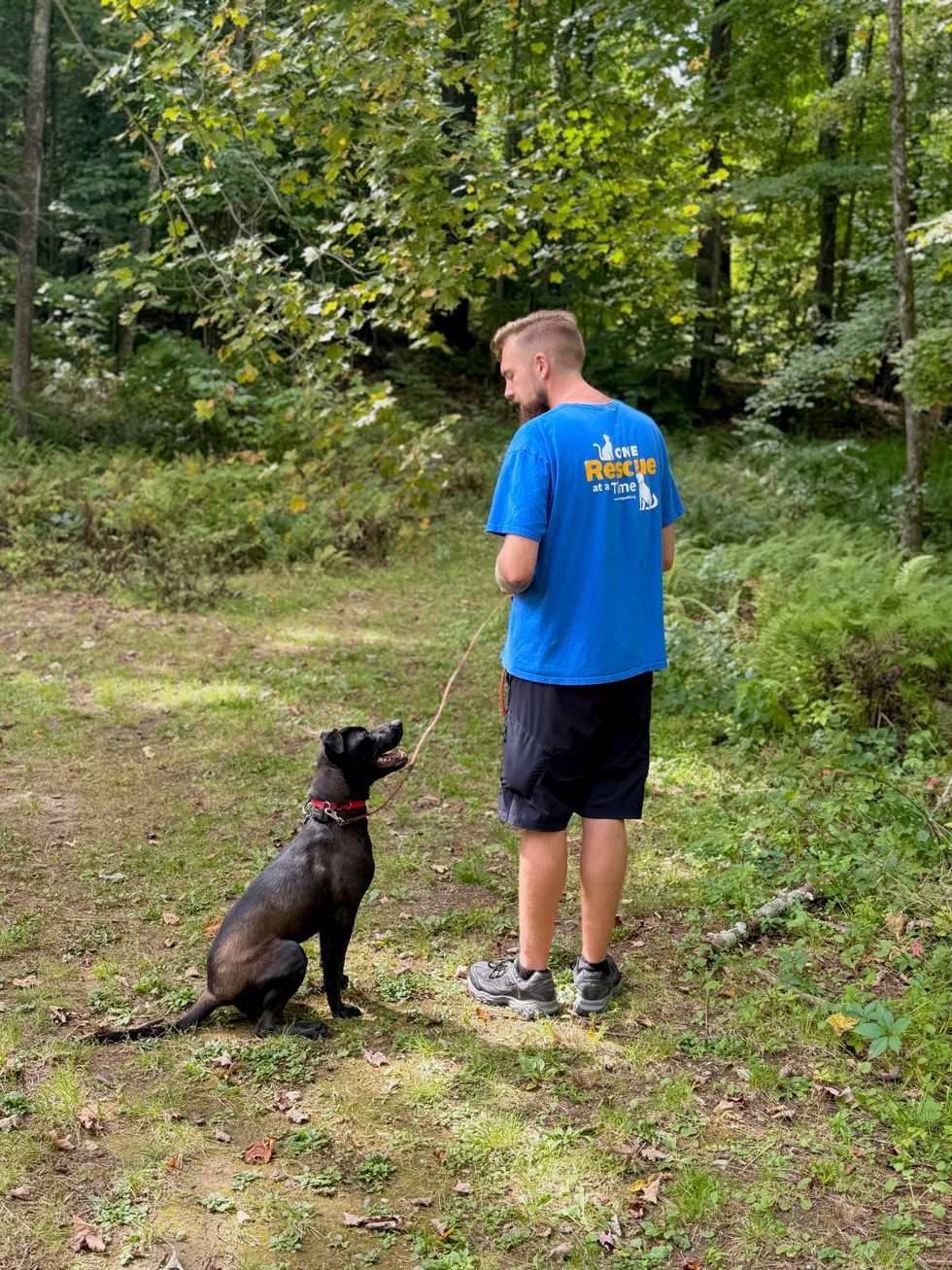 Michael DeBarba, certified dog trainer working with Marsala.Jennifer Almquist
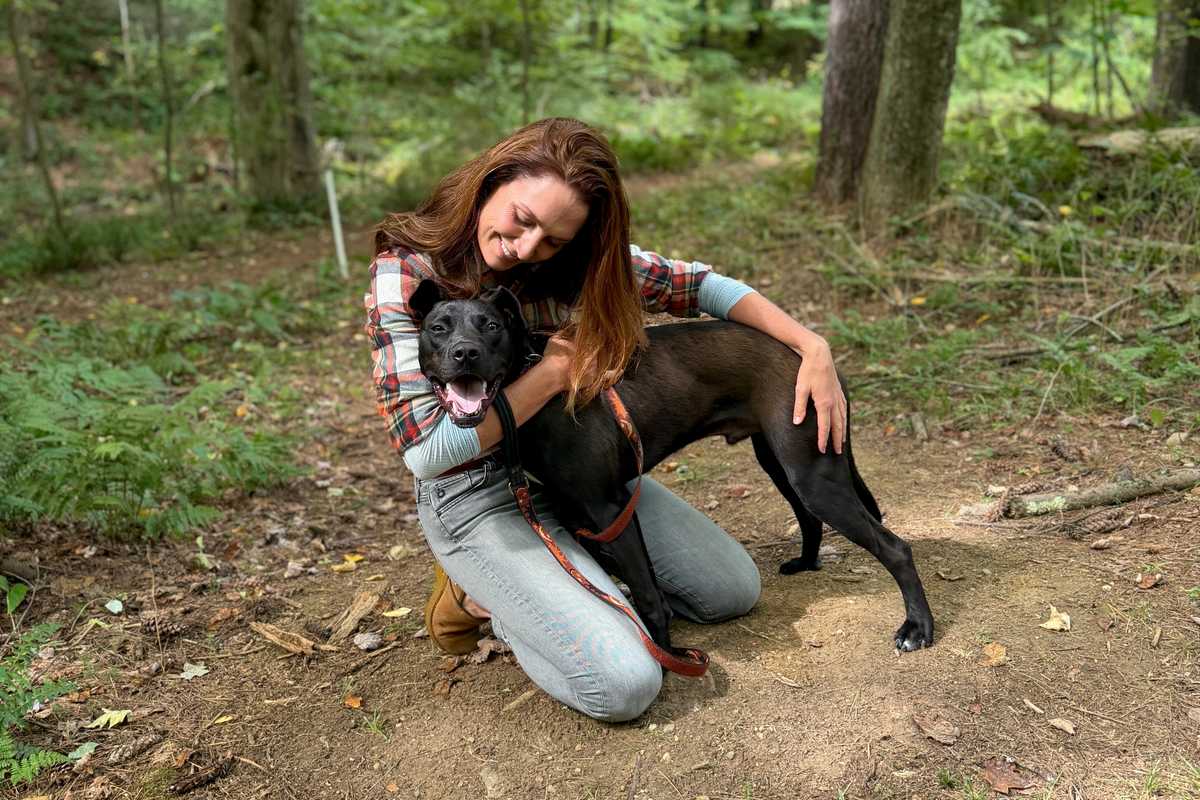 Marsala wins a heart.Jennifer Almquist
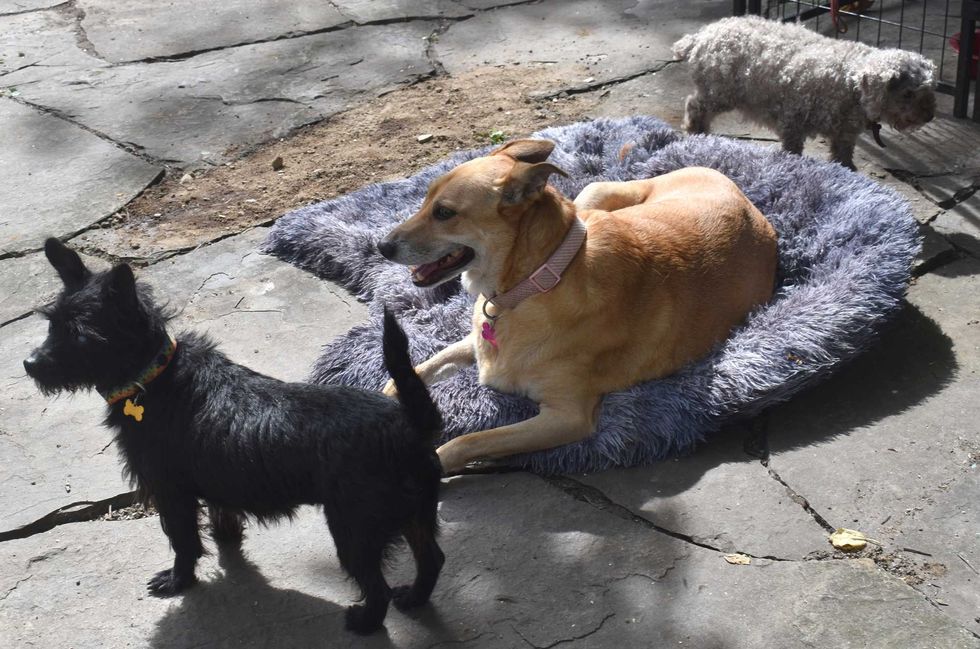 Sadie, center, a Carolina dog, plays with her friend Negra, a terrier mix. Bella Linda, the small poodle, has since been adopted.L. Tomaino
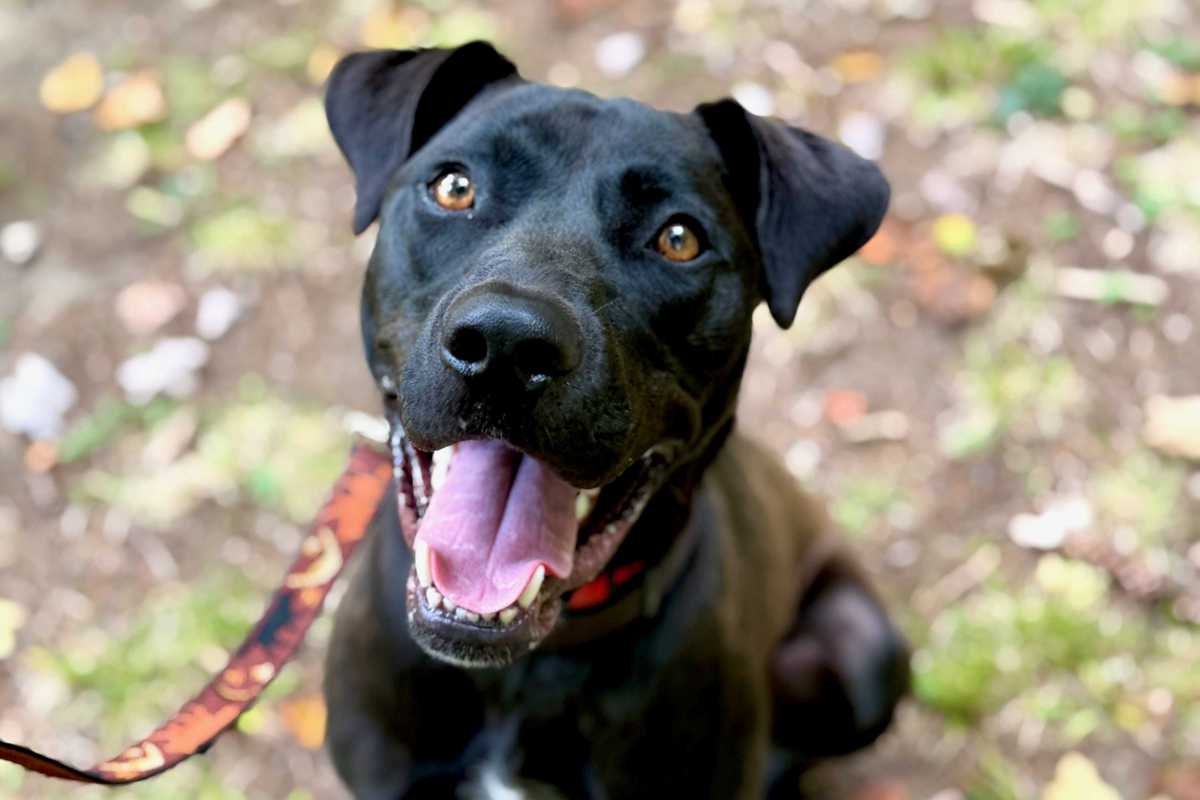
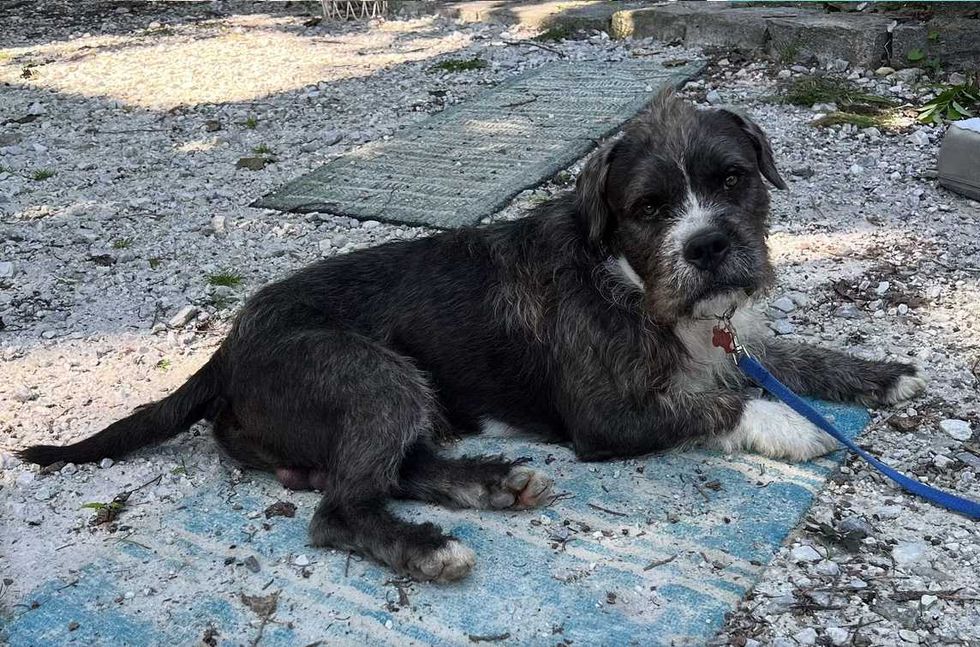 Wesley, a young, exuberant mix, is looking for an active home.L. Tomaino
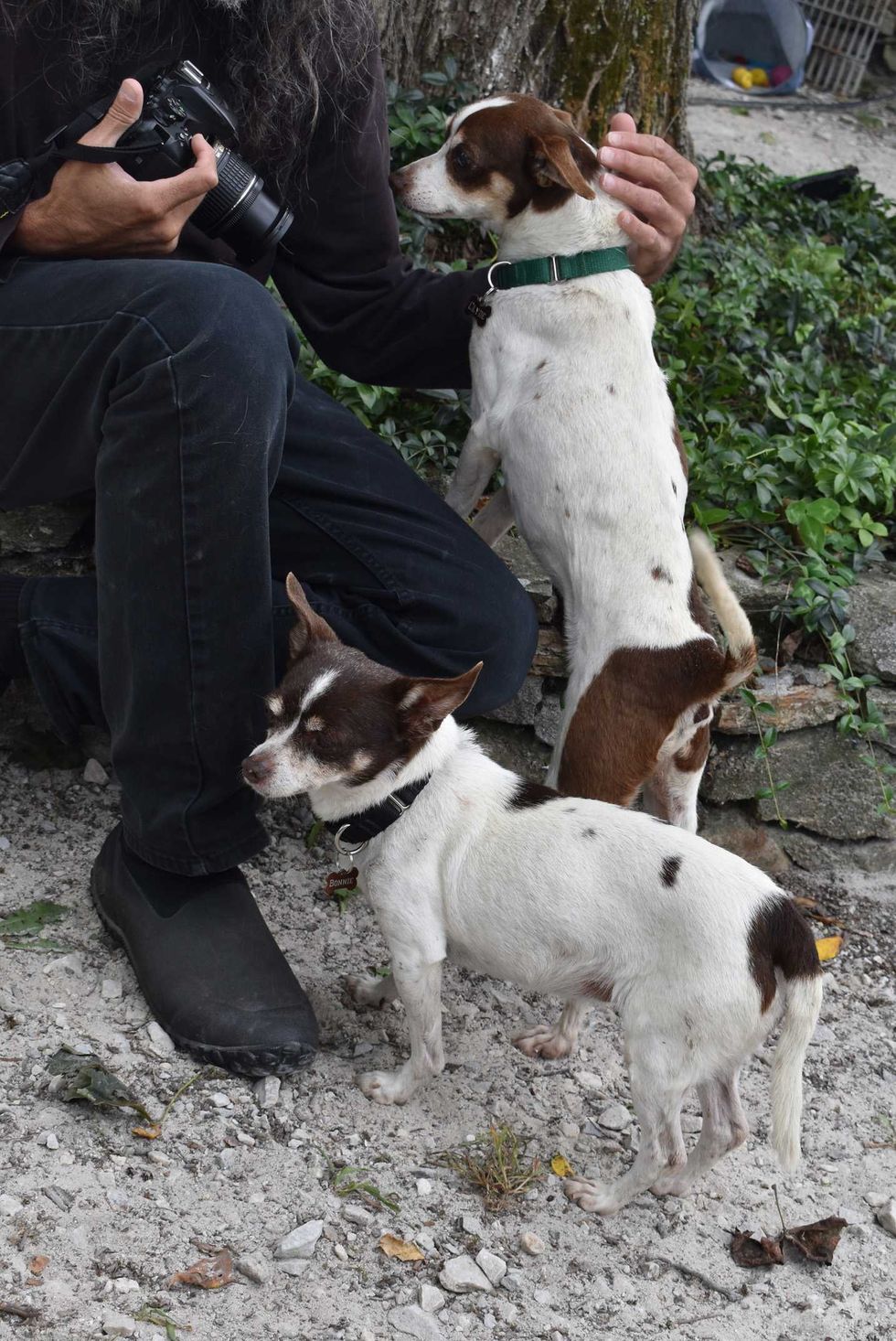 Bonnie and Clyde, an affectionate terrier pair.L. Tomaino