Thank you!
Your gift keeps The Millerton News in our towns.

Amenia native comes home to start new tattoo shop

Amenia native comes home to start new tattoo shop

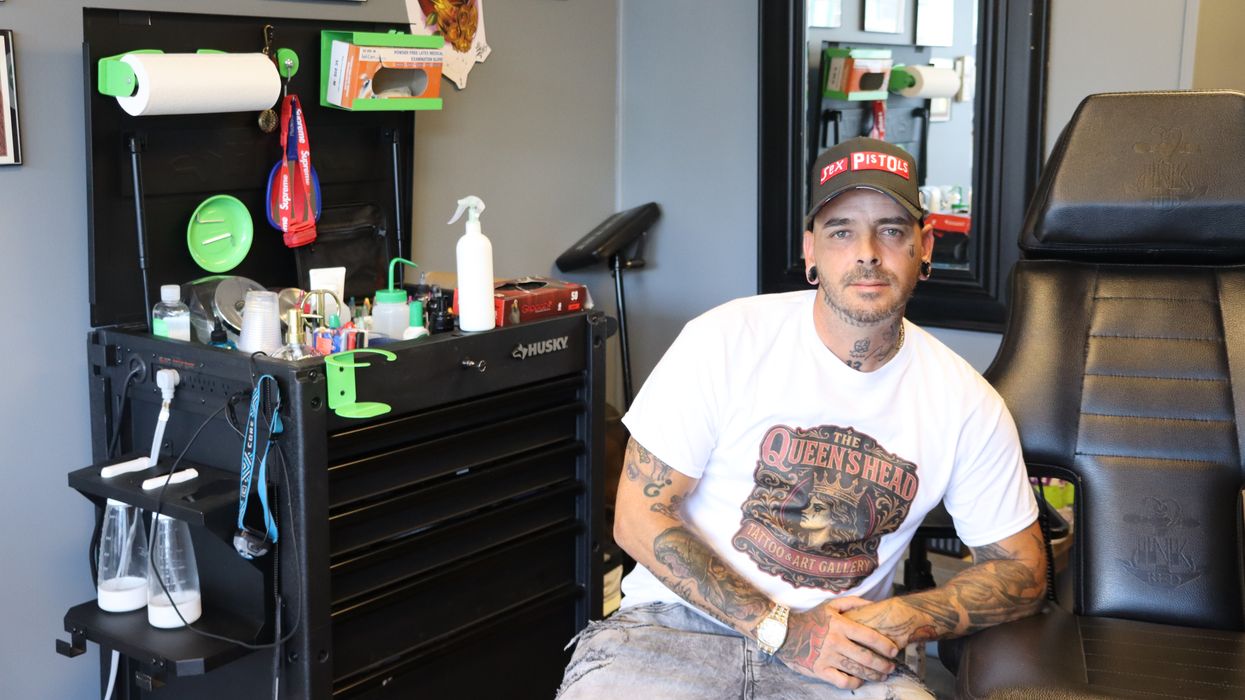
Mike Boyce sitting in a shop chair in his new tattoo studio in downtown Amenia. Boyce’s new studio marks a homecoming for the artist that ran Queen City Tattoo in Poughkeepsie since 2011.

Charlie Greenberg

AMENIA — The Queen’s Head Tattoo and Art Gallery is a fresh start for Mike Boyce, a tattoo artist originally from Amenia who spent the last 14 years running Queen City Tattoo in Poughkeepsie.

Boyce’s tattoo shop — which doubles as an art exhibition space — at 5329 Route 44 in Amenia opened last week for a soft opening, with an official grand opening planned for August.

As the challenges of running a small business in Poughkeepsie grew amid the area’s ongoing struggles with an epidemic of drugs and crime, Boyce returned to Amenia, aiming to narrow the divide between tattooing and what is traditionally seen as art, while doing his part to help the community.

For Boyce, the decision to leave Poughkeepsie was not an easy one. “I did a lot for the community out there — we used to feed the homeless,” Boyce said. “During COVID, we weren’t allowed to open up our shop, so we ended up turning it into a kitchen because a lot of the kids out there relied on school lunch.”

The COVID pandemic marked the beginning of a period of uptick in Poughkeepsie’s dangerous illicit activities, something that had always existed below the surface, Boyce said.

“When we went back, things started going downhill,” he said. “I was having to basically play a doctor, cop, security, everything. And I wasn’t able to concentrate on my work anymore.”

That work, tattooing, is something Boyce stumbled upon by chance, but it was a discovery that allowed him to make a living exploring his love of art.

Boyce, who attended culinary school, worked in the restaurant industry for ten years before he decided that it was time for a change.

Seeing an advertisement for a tattoo machine online, Boyce was intrigued by the prospect of learning to tattoo. “I was always into art since I was a little boy and I thought ‘I kind of want to try that,’” he said.

Upon trading a Game Boy and a camera for a tattoo machine online, Boyce set about teaching himself to tattoo. “At first, I did a lot of bad tattoos,” he said. “But within a year, I was in a shop. Within a year and a half, I was managing the shop.”

While Boyce appreciates the precision of tattooing itself, his love of the industry all comes down to its artistic foundation, something he hopes comes through in his work.

“I like showing people that the tattoo industry doesn’t have the stigma of drugs and bikers, gangs, stuff like that. It’s actual art now — the tattoo industry has changed and has come such a long way,” Boyce said.

“I like to show people that, you know, you might look at me and think one thing, but that’s not where I am right now,” he said. Boyce’s commitment to the artistry of tattooing is what he hopes will have his work seen as something more than the negative stereotypes surrounding the industry.

Boyce’s commitment to the skill involved in tattooing has gained recognition from others in the field. “I have a pretty good reputation in this industry,” he said.

Much of that reputation comes from Boyce’s commitment to teaching others the fundamentals of tattooing. “I taught a good 25 to 30 people how to tattoo throughout the last 14 years,” he said.

Boyce hopes to continue his tradition of serving the community, as he did in Poughkeepsie, in his new location in Amenia. “I want to start working with some kids coming out of high school that might be interested in art — do art classes,” Boyce said. “I want to do whatever I can with the community to be a part of the community. That’s huge for me.”

Everything in the store, including its name, has a lot of significance for Boyce.

“Poughkeepsie is known as the Queen City of the Hudson,” he said. “And that’s how we came up with the name when I was out in Poughkeepsie and had my shop. The Queen is over. Now it’s the Queen’s head.” Boyce added, “it’s sort of like ‘off with her head,’ you know?”

Boyce’s focus has changed slightly, being in a new location and having learned from the challenges of operating in Poughkeepsie. “One of my goals is to focus on my career. Find my peace, better my art,” he said.

His commitment to his work, however, remains unshaken. “This is something I can’t give up,” Boyce said. “This is what I’ve done for 14 years. I love it — it’s my passion.”


Latest News

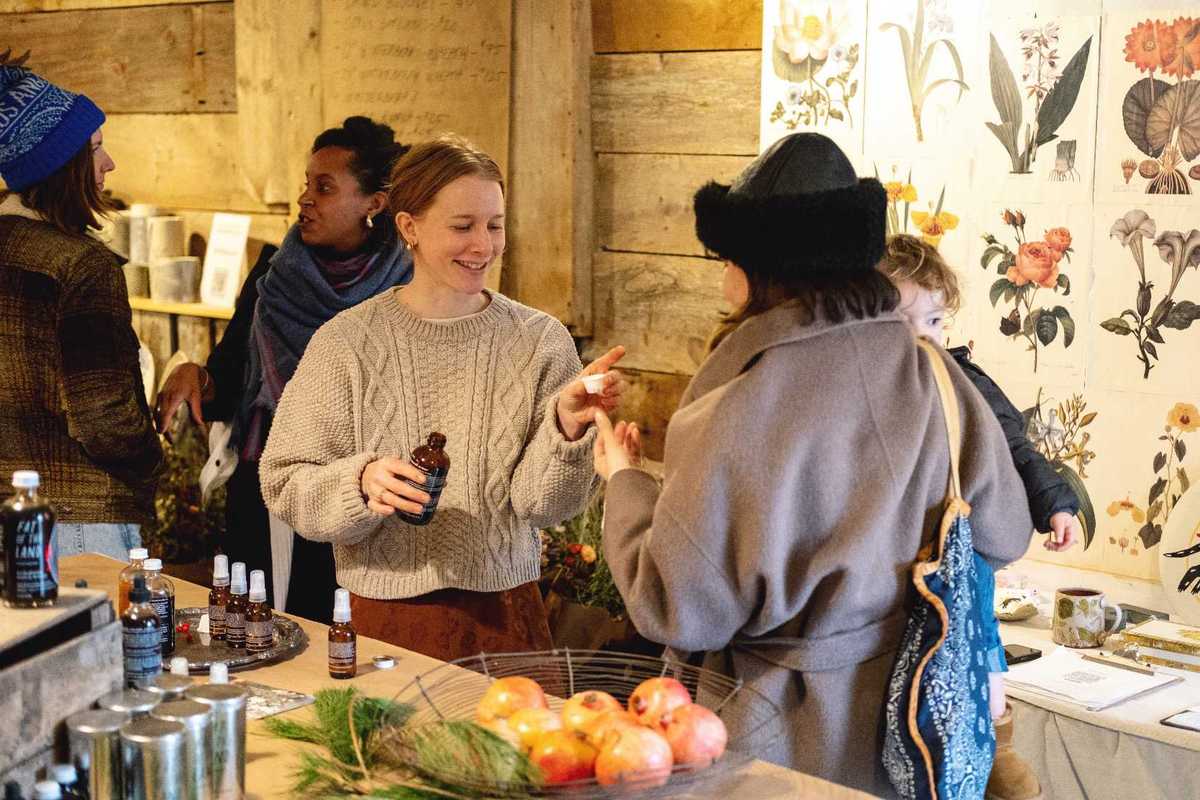
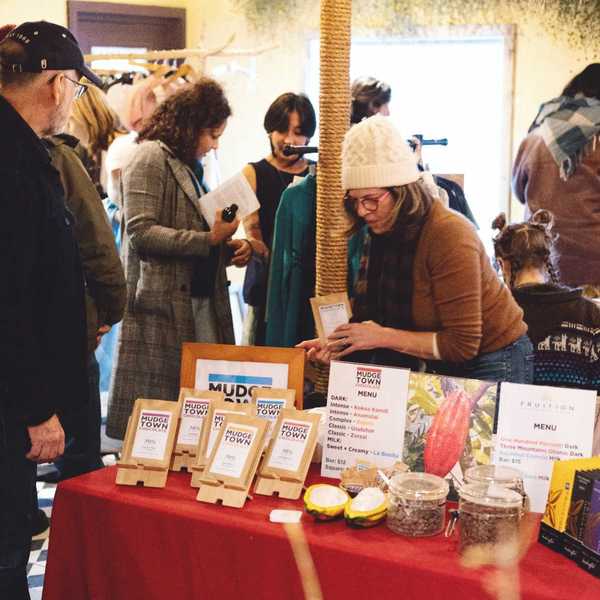
Farm & Friends: a holiday market that gives back

The Farm & Friends holiday market returns Nov. 21 and 22, featuring local makers, food producers and seasonal gifts.

Provided

According to PBS, “More than 5 million people have lost their Supplemental Nutrition Assistance Program, or SNAP, benefits since President Trump’s so-called One Big Beautiful Bill passed last year.” Combined with rising costs and new eligibility requirements, these cuts have placed additional pressure on families struggling to make ends meet. As more people turn to food banks and pantries for assistance, local farms are playing an increasingly important role in meeting that need. Hungry Reaper Farm in Morris, for example, supplies food and CSA shares to a variety of nonprofit organizations and schools.

In Dutchess County, The Webatuck Valley Farm Collaborative is working to strengthen the pipeline from farms to foodbanks. Led by Rock Steady Farm, Sweet Freedom Farm and Wildseed Community Farm and Healing Village, the collaborative hopes to double the infrastructure capacity for at least 15 local farms. This will allow them to increase supplies for food pantries and regional schools while expanding the farms’ reach to industrial buyers and distributors. By their estimation, the food hub “will supply and impact 9 school districts, 13 food pantries, and partner with 6 institutional buyers and 8 aggregators and distributors.”

Keep ReadingShow less
google preferred source

Want more of our stories on Google? Click here to make us a Preferred Source.

Under the big top at Full Circus Farm

Under the big top at Full Circus Farm

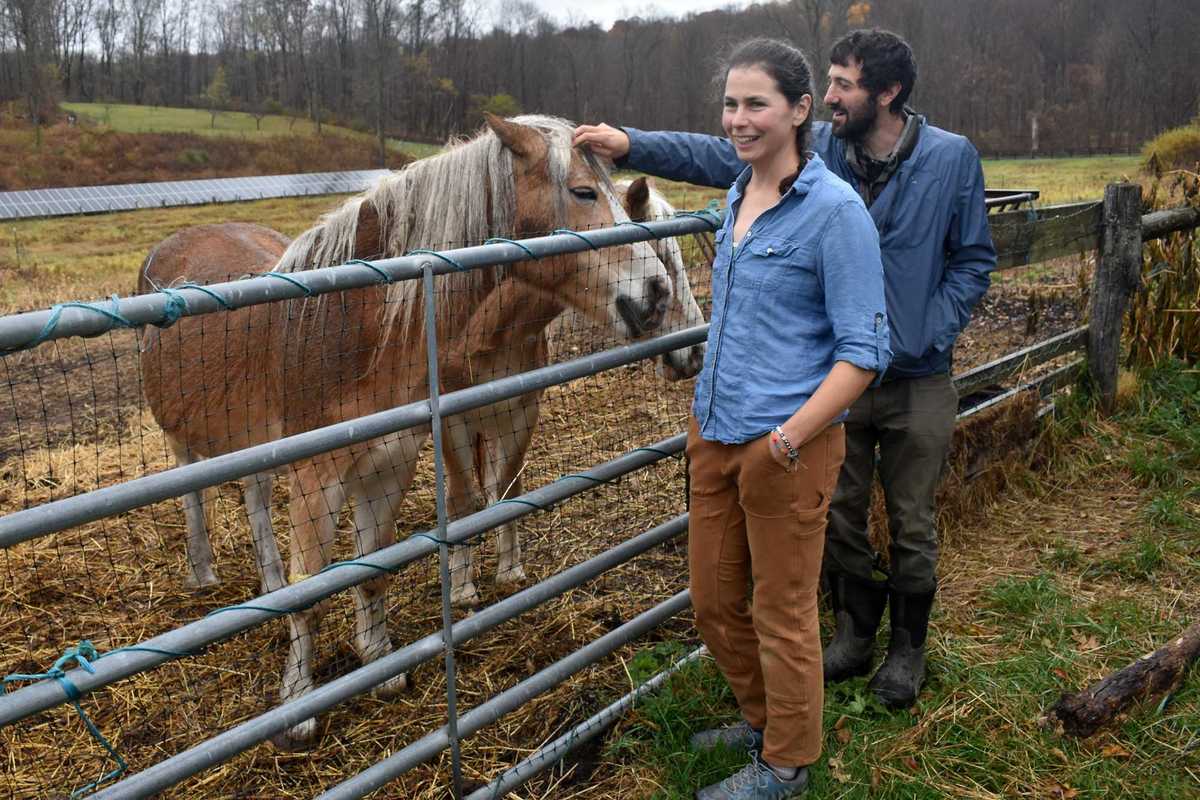
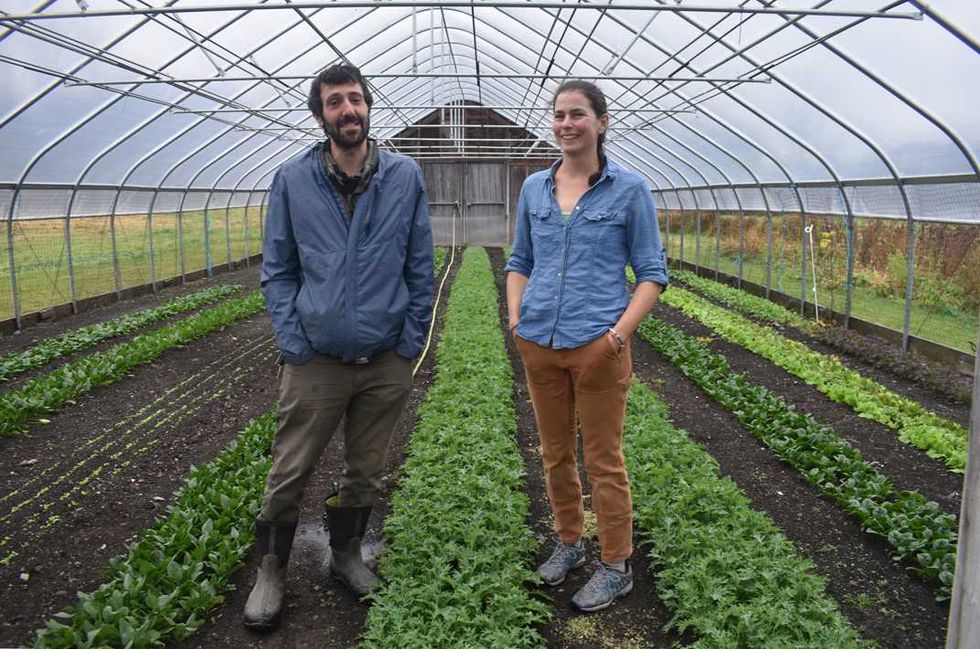
Miriam Goler and Mark Stonehill with their Haflinger horses, Sunshine and Sandy, at Full Circus Farm in Pine Plains.

L. Tomaino
We share this farm with such amazing human and nonhuman neighbors.
— Mark Stonehill

For Mark Stonehill and Miriam Stonehill Goler, the founder of Full Circus Farm in Pine Plains, farming has always been about more than what comes out of the ground.

“From the very beginning, we’ve envisioned the farm as a place not only for food production, but also merriment and community,” they said.

Keep ReadingShow less
At Ancram Center, community takes center stage
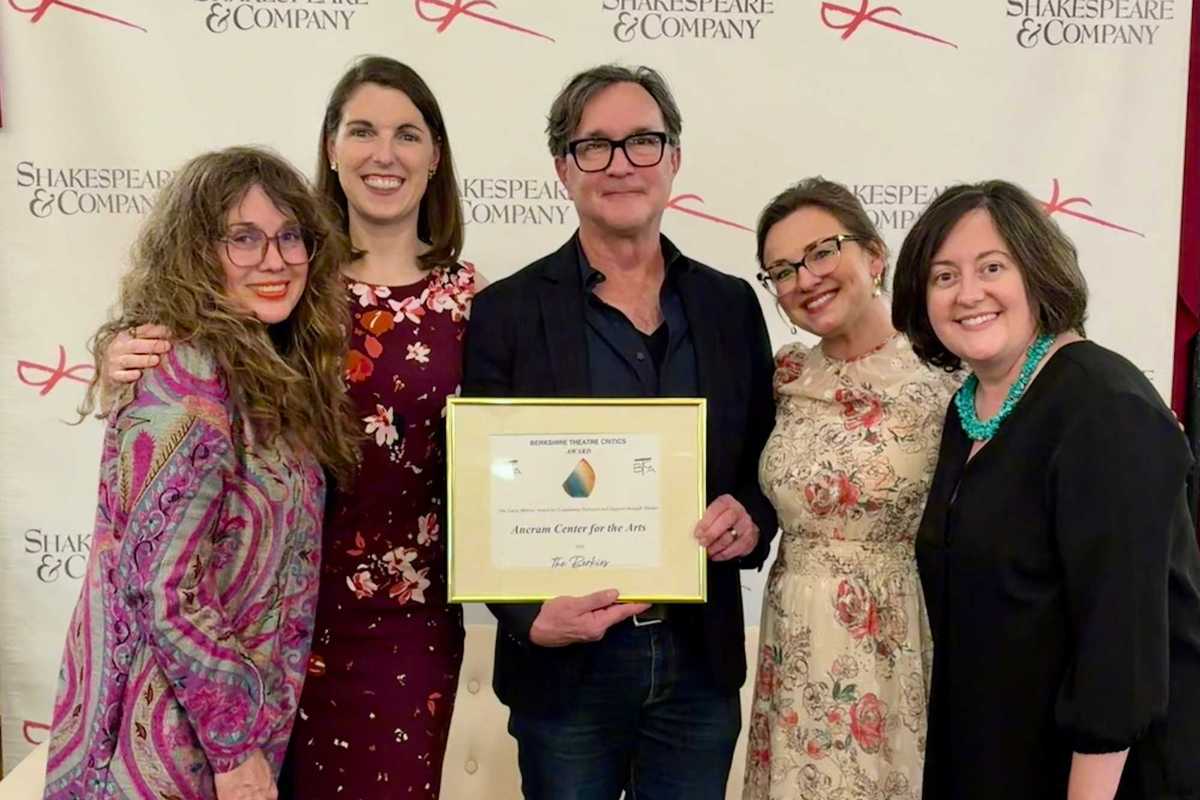
Ancram Center staff and teaching artists after the ceremony.From left to right,Simone Stevens, Sarah Katan, Jeffrey Mousseau, Erin Krom and Chris McCoy.
Provided

At the Ancram Center for the Arts, the stage has been host to numerous award winning professional actors, but it also often belongs to a neighbor with a story to tell. Other times, the performance moves out of the theater altogether, transforming a pond, a field or a corner of town into a stage.

That commitment to bringing theater into the community — and the community into the theater — has earned the Ancram Center the Larry Murray Award for Community Outreach and Support through Theater, one of the Berkshire Theatre Critics Association’s annual Berkie Awards.

Keep ReadingShow less

Social justice songwriting fall retreat

Social justice songwriting fall retreat

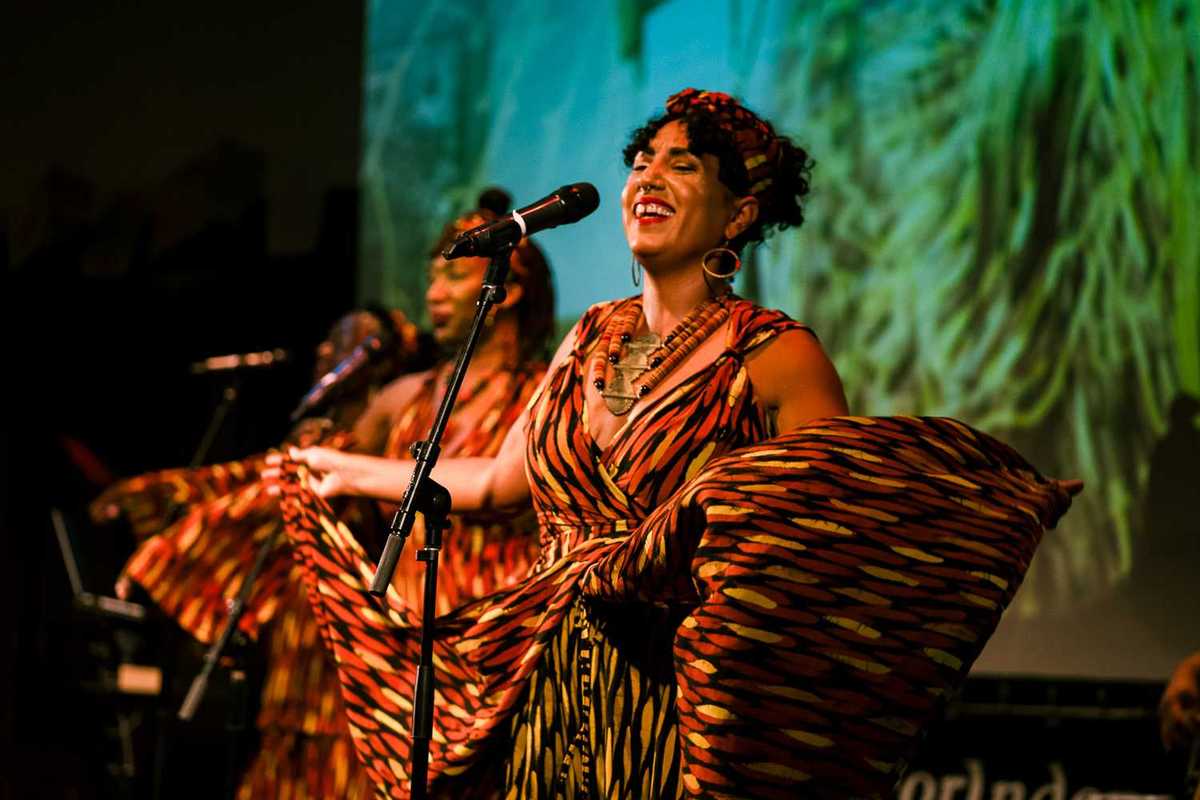
Singer, songwriter and activist Taína Asili leads a social justice songwriting retreat Nov. 20-23 at Soul Fire Farm in Petersburgh, N.Y.

Provided

Music has long been a powerful tool for protest, solidarity and social change. From civil rights anthems to contemporary songs of resistance, songwriting has helped give voice to movements and inspire collective action. Singer, composer and activist Taína Asili will explore that tradition during a four-day Social Justice Songwriting Retreat, Nov. 20 to 23, at Soul Fire Farm in Petersburgh, New York.

The retreat comes amid a renewed interest in collective singing as a form of activism. Organizations such as Singing Resistance are bringing people together across the country to use songs as tools for solidarity, nonviolent resistance and community building. The movement draws on the long history of music in social justice struggles, emphasizing the power of singing together to overcome fear, strengthen connections and inspire collective action.

Keep ReadingShow less
google preferred source

Want more of our stories on Google? Click here to make us a Preferred Source.

google preferred source

Want more of our stories on Google? Click here to make us a Preferred Source.