POUGHKEEPSIE — Dutchess County’s newest dog rescue, Poughkeepsie-based Upstate Pups, sets itself apart from other rescues by exclusively rescuing dogs from New York City and Long Island animal care centers.
Ryan Judge, long-time animal lover, fosterer and co-founder of the nonprofit, said other rescues source their dogs from a variety of places and a majority of rescues come from out of state.
“New York City euthanizes about 50,000 animals every year,” Judge said. “That’s where the idea for Upstate Pups came from.”
The nonprofit officially formed in July and Upstate Pups got its first rescue from Town of Babylon shelter on Long Island; a dog named Fluffy.
Since then, the network has grown to include four foster homes, but Judge said finding more fosters has been their biggest hurdle. “We can only pull the amount of dogs from shelters that we have foster homes for,” Judge said. “We don’t have a physical location. We don’t have a shelter.”
Fostering is a hard job and it takes a very special person, Judge said, but it’s rewarding to help a dog heal and find its forever home. Judge explained Upstate Pups goes to great lengths to ensure the best outcomes for the rescue dogs, foster parents, and adopters.
New fosters begin the process with an application where they’re asked what kind of dog they’d be willing and able to care for. “Then we comb the available dogs in New York City to find ones that would fit that foster home,” Judge said.
“We don’t want anyone to have a bad experience and decide they never want to foster again,” he said.
Similarly, Judge said he goes to great lengths to vet adopters before releasing an animal. The safety and health of the animal is paramount to Judge, and comes before anything else.
Another thing which sets Upstate Pups apart from other agencies is Judge’s insistence on home visits prior to adoption. Sometimes, and too often in Judge’s opinion, adopted dogs are returned to rescue agencies for reasons which could have been anticipated if thorough vetting happened first.
Right now there are three dogs listed for adoption:
Max the 4 year old terrier mix is “20 pounds of pure joy and affection,” according to the website. He loves rides in the car and adventures.
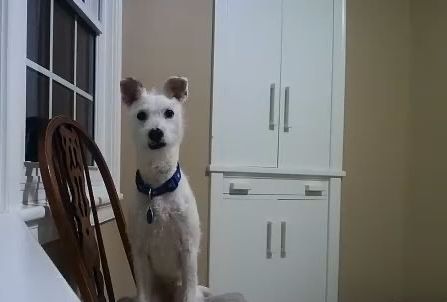 Max the Terrier sitting on a wooden chair in his foster home.Photo provided
Baby is “well-socialized” boxer/bully mix that was raised in a “loving home with children and another dog,” according to the website.
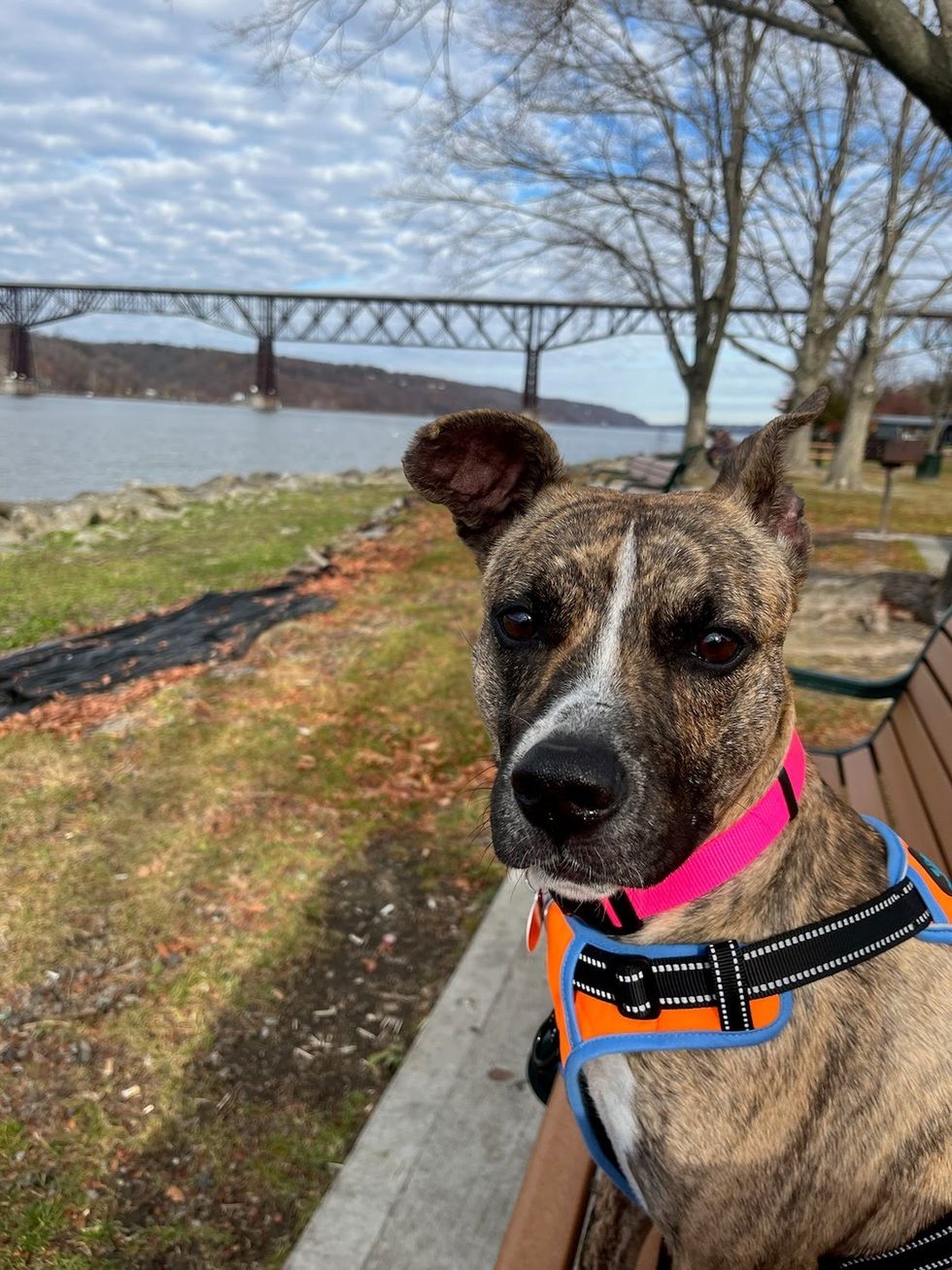 Baby the boxer/bully mix enjoying views of the hudson river on a walk.Photo provided
Milly is a 3 year old Staffordshire bull terrier mix with a friendly, playful attitude. Upstate Pups' website says Milly has "some anxiety," but she knows basic commands well. Milly's also friendly with other dogs and cats.
Adoption fees, tips and information on fostering are available online at www.upstatepupsny.org.

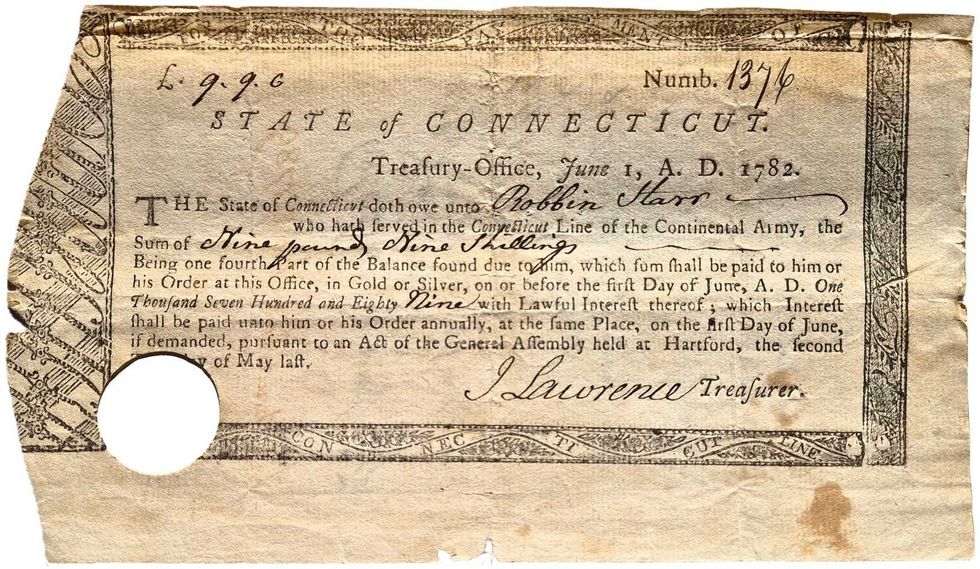 Pay Bill for Robin Starr’s service in the Continental Army.Courtesy the Alex Breanne Corporation
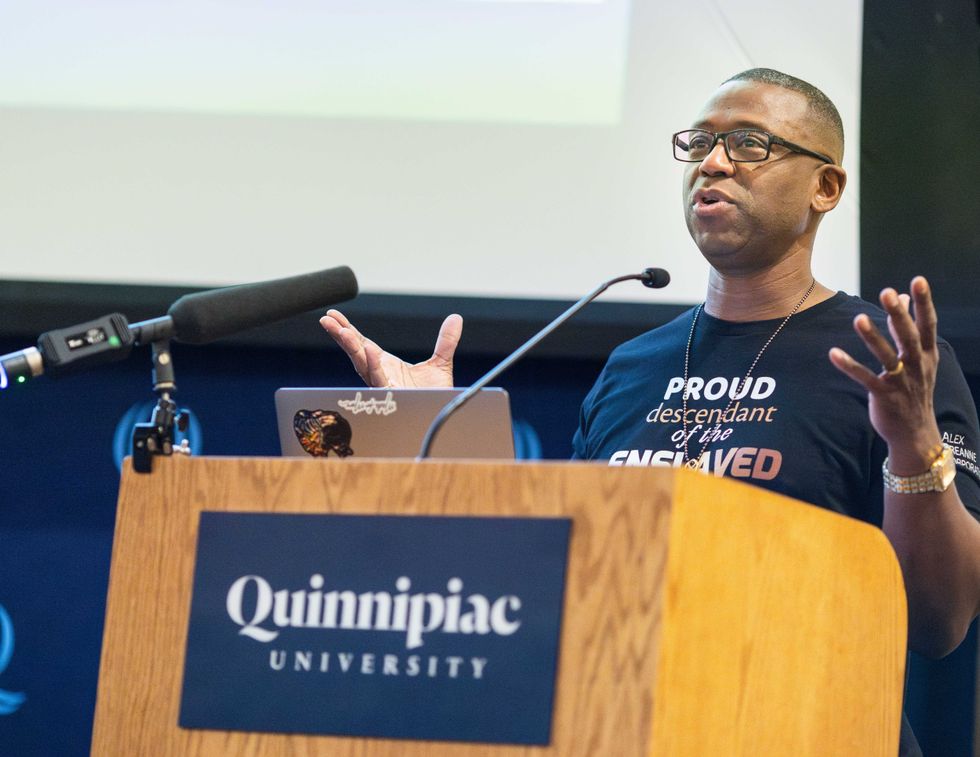 John Mills speaking at Quinnipiac University.Courtesy the Alex Breanne Corporation
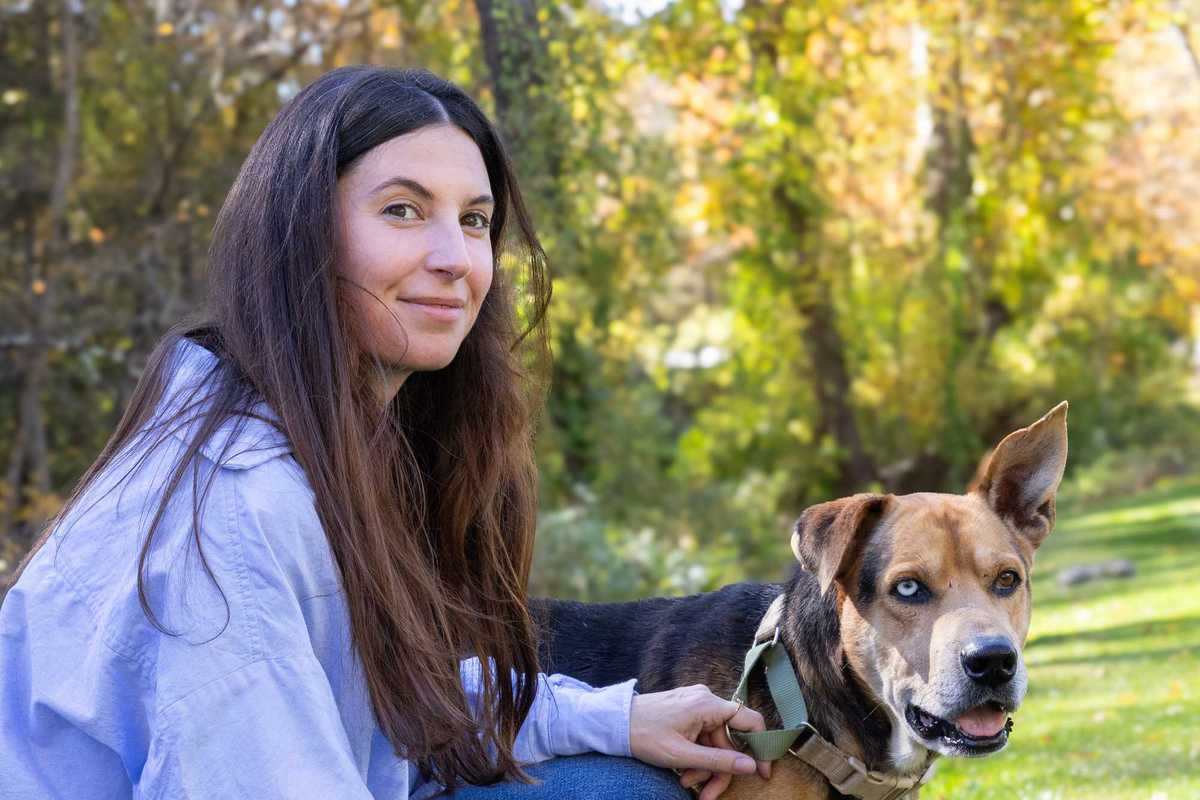
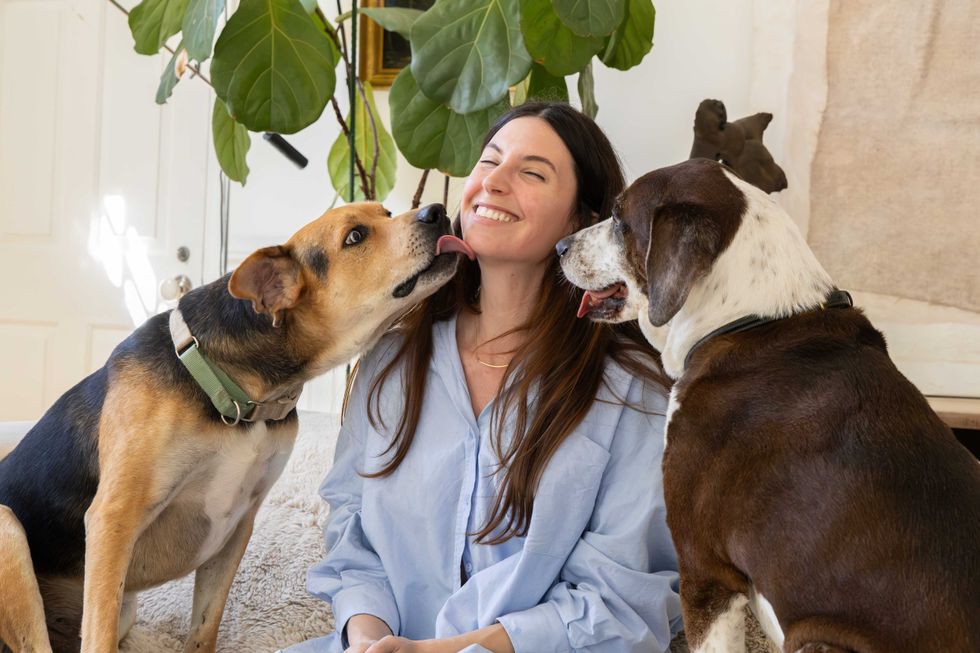 Stephanie Saetta,with her rescue dog George and Blue (left), a shepherd mix awaiting his forever home.Madi Long