Unexpected subjects, familiar beauty in new Kent exhibits

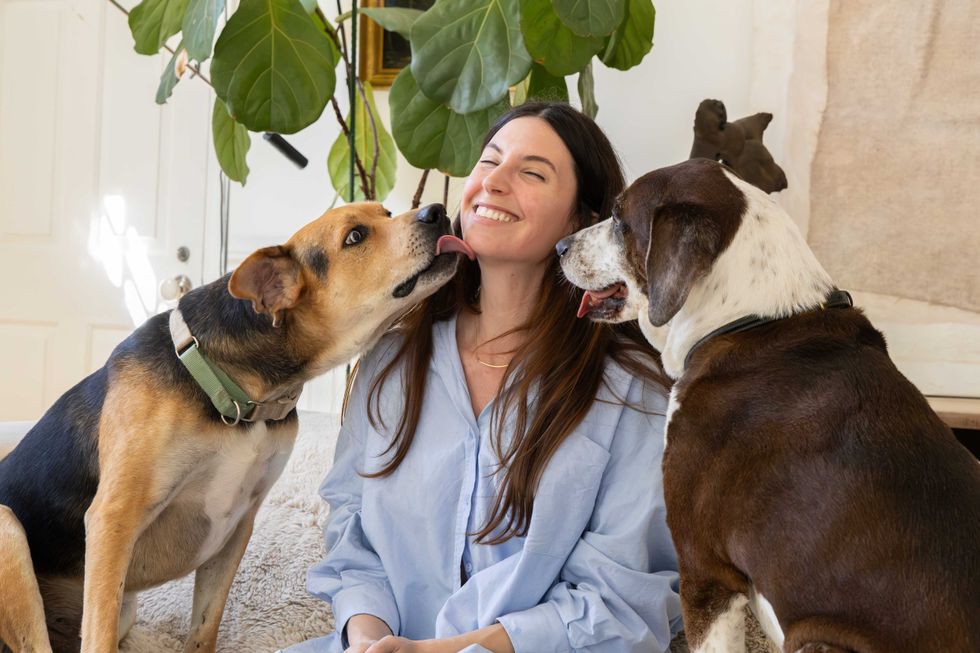
Millerton-based artist Alexis England with her flamingo and mandrill portraits at Peggy Mercury in Kent.
D.H. Callahan


Millerton-based artist Alexis England with her flamingo and mandrill portraits at Peggy Mercury in Kent.
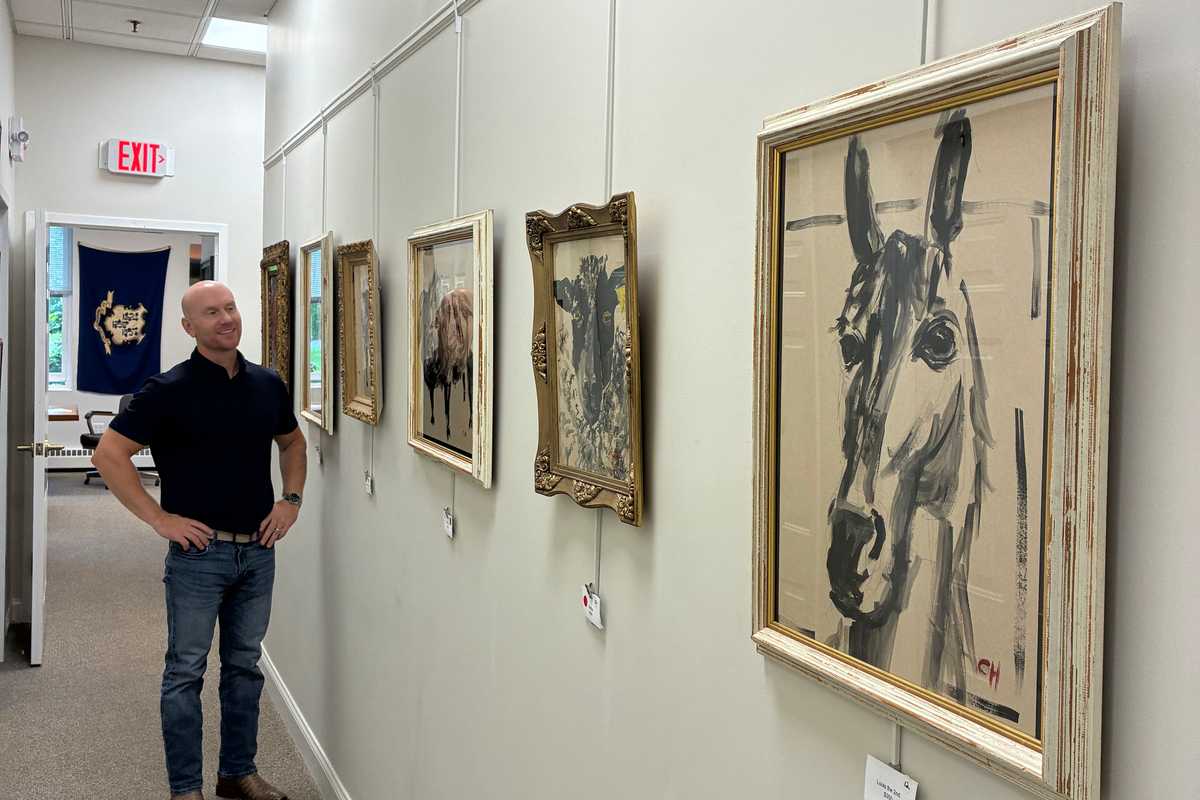
Kent Barns was alive with art on Saturday, June 13, as three new shows opened at Peggy Mercury and Kenise Barnes Fine Art, featuring a variety of fascinating paintings and drawings from four local artists.
Peggy Mercury, which in just two years has earned a reputation for curating remarkable collections of fine beauty products and accessories, continues to find exciting art to complement its offerings. The new show, “Portraits,” features four pairs of paintings by Millerton-based artist Alexis England. The “portraits” she paints, however, feature some pretty unexpected sitters.
England chooses some undercelebrated species, including the tarantula, vampire bat and even the lobster, and gives them the treatment she feels they deserve on large canvases with bold, vibrant colors.
The pairings work as delightful foils, as England inverts her color palettes within each duo. The pinks of the elegant flamingo serve as the background for the imposing stoicism of its partner, the mandrill. In turn, the mandrill’s deep grays set a dark canvas from which the flamingo can pop, its feathers flourishing in the juxtaposition. The results tie the unexpected couplings together while allowing each species to maintain its own visual identity.
Just steps away, the gallery at Kenise Barnes Fine Art opened two distinct shows in one packed room. On one side hangs “Behind My Eyes” by artists Gregory Hennen and David Konigsberg, both of whom have been represented by Kenise Barnes Fine Art for more than 20 years.
Konigsberg takes everyday items and abstracts them to a point of detached familiarity, giving light as much importance as the objects themselves. Hanging nearby is a series of landscapes painted in oils that seem as texturally considered as they are compositionally. “Each piece,” Hennen said, “is about a landscape, not of a landscape, as it does not necessarily depict an exact site or location. Finished paintings are often composites of several images that have evolved from a realistic portrayal to a more simplistic interpretation.”
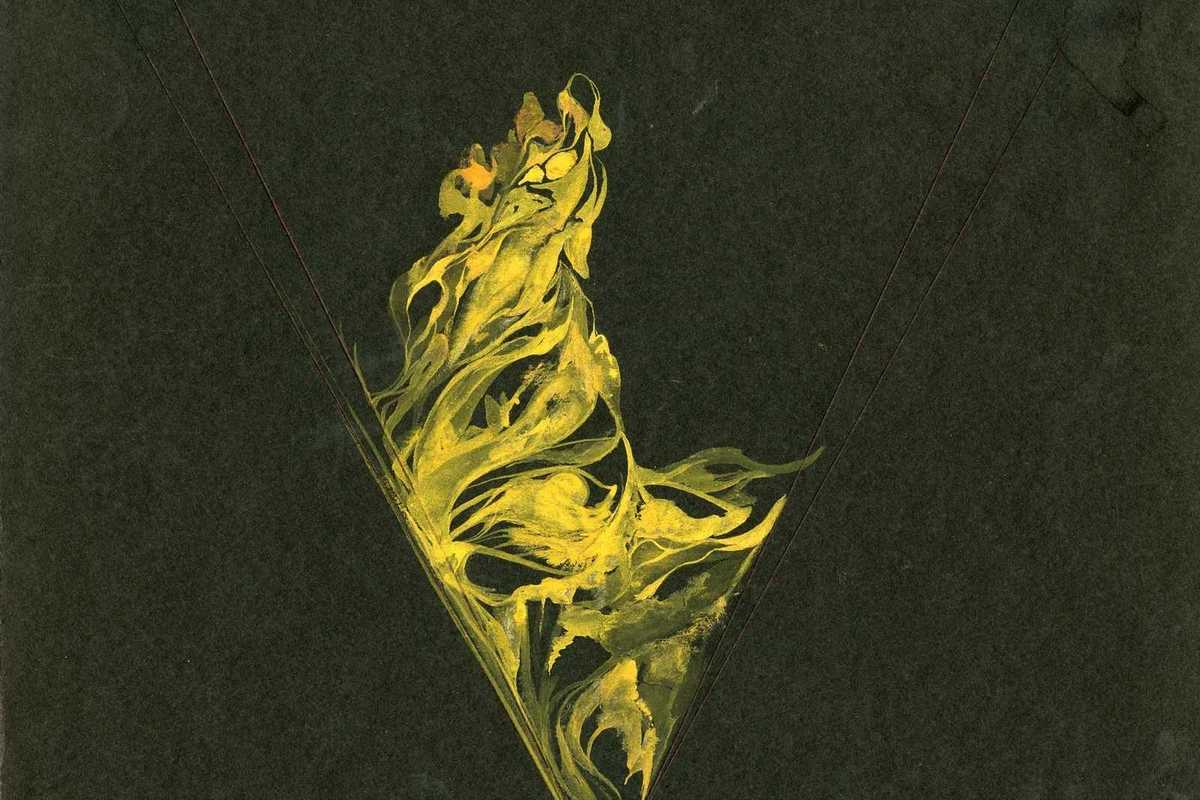
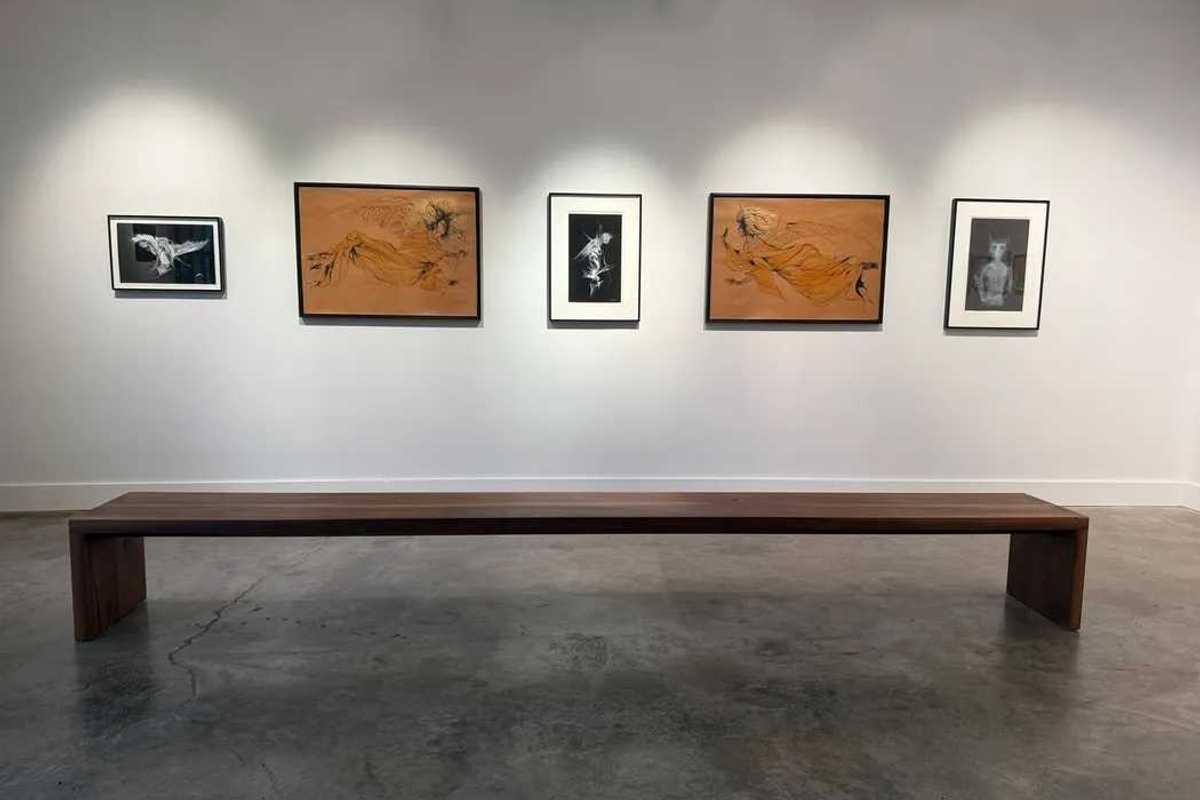
The other side of the room features drawings by Margot Glass. Like England, Glass celebrates the undercelebrated. Her work frequently depicts weeds and other “undesirable” species of flora in elevated media such as silverpoint and 14-karat goldpoint.
With this collection, titled “On This Fresh Morning,” the artist takes a more naturalistic approach, using black walnut ink that she makes herself from walnuts she collects on hikes and walks in western and central Massachusetts. The ink is a remarkably rich hue of brown, which Glass layers to create floral scenes filled with intricate natural details. While she includes more traditional beauties, such as blooming anemones and daisies, she also features underappreciated misfits including dandelions and garlic mustard.
Kent’s artistic footprint continues to expand, with at least five dedicated art galleries and boutiques contributing exceptional shows for art lovers throughout the Northwest Corner.
For a directory and gallery hours, visit kentbarnsct.com
Patrick L. Sullivan
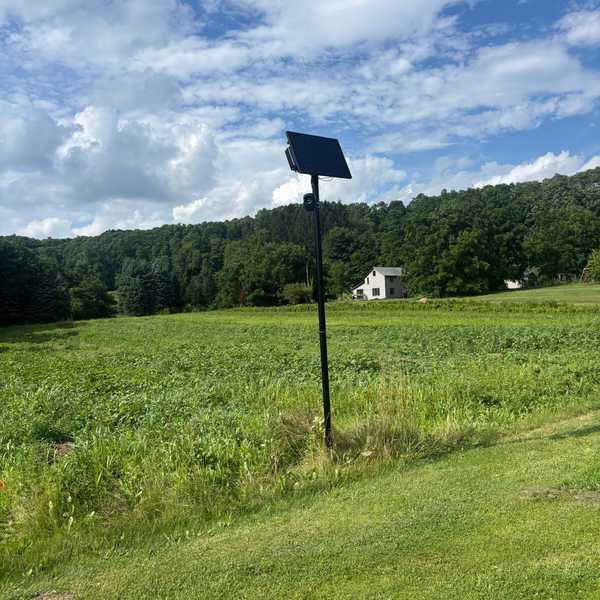
This fish took a Wooly Bugger in basic black, with rubber legs. Always get the rubber legs.
Largemouth bass are not picky eaters. When engaged they usually dive and tug. Once in a while they leap. They are easily discouraged, however, and after a minute or two come meekly to the net.
Every August I shift gears and head to the ancestral HQ with no electricity, minimal plumbing and a warm-water lake chock-full of largemouth bass, not to mention smallmouth, perch, pickerel and panfish. The largemouth are the main attraction.
I used an antique rowboat for years. Then a canoe, which was awkward to manage solo, especially when the wind picked up.
Then I hit on a succession of inflatable pontoon and belly boats, powered by oars and/or swim fins, and there I have remained.
Did I forget to mention that no motors are allowed on this lake? Well, no motors are allowed, and it’s no good arguing that a small electric trolling motor couldn’t possibly hurt anything. Ask me how I know this.
It’s a quiet, rejuvenating few weeks. The phone gets enough signal on one end of the deck to receive messages and maybe make a call if the wind is right. If something comes up, it’s only 15 minutes to so-called civilization.
When not fishing, I read, visit assorted cousins, listen to baseball on the AM radio and/or stare blankly into the middle distance.
Bassing with a fly rod in still water is a different game than chasing trout in streams.
A medium-fast-action rod, 8 to 10 feet, in line weight 7 or 8 is the starting point. The flies are big, and the wind is constant, so the angler needs some power, tempered with a bit of finesse.
I usually bring two rods. One is rigged with a floating line with a heavy front taper for turning over surface flies such as poppers.
The other has either a sink-tip or intermediate line. The lake is not all that deep, and the Woolly Buggers, Clousers and other streamers are heavy. The idea is to stay out of the vegetation while getting close to where the lunkers are hunkered down.
I use short nylon leaders, 7.5 feet with 1X tippet out of the package, and modify them constantly with additional sections of fluorocarbon tippet, snaps and droppers.
Surface action is usually minimal during the day unless it’s overcast. The lake runs east-west, so the angler can track the midmorning and late-afternoon shadows and work those areas.
Or the angler can wait until about 6:30 p.m., when things start to pick up.
Or get out there at the crack of dawn, which is best if surface action is the goal.
For subsurface fishing, some experimentation is required to find the right combination of flies, leader and sink rate. The angler also has to decide whether to troll.
There are a few places where a dry-dropper rig is appropriate, the dry being an extremely buoyant popper with a piece of stout fluorocarbon tippet tied to the bend of the hook and something heavy and wiggly at the end, like a stonefly nymph with rubber legs. (Always get the rubber legs.)
If this sounds like a bobber, it’s because it is. Don’t tell anyone. The purists don’t like it.
A net with a long handle is necessary. There is no leverage when sitting in what amounts to a floating chair.
I do not bring my phone for fish pictures. I will drop it into the depths. Ask me how I know this.
Instead I bring a small point-and-shoot camera. These get lost too, but perversely I have better luck keeping the cheap gear safe than the expensive items.
Sunscreen is applied liberally and frequently. After 50-odd years of being outside, I now have to visit the dermatologist every so often to have my face edited, and I don’t enjoy it.
A baseball cap does nothing for the ears and neck. I have a hat with a wide brim and a vented top, so it doesn’t get too hot. It looks stupid, but this is an acceptable risk.
Finally, a word about the quarry. Largemouth bass are not picky eaters. When engaged they usually dive and tug. Once in a while they leap. They are easily discouraged, however, and after a minute or two come meekly to the net.
Smallmouth, not so much. These aren’t especially big, but every smallie I’ve ever met thought it was much bigger than it actually was. Expect acrobatics.
Perch usually grab my fly when I don’t want them to.

Panfish are everywhere. They are extremely cooperative. Chasing sunnies is a good way to get a newcomer started.
And then there are the pickerel. These are nasty fish. Very antisocial. I keep a pair of long-handled pliers handy to get the fly out of their mouths safely while admiring the large number of very sharp teeth. They will bite the pliers. Do not use your fingers. Again, ask me how I know this.
Upon release, it’s not unusual to observe the pickerel hanging around a few yards away, glaring and plotting hideous revenge.
So this is the August routine, occasionally leavened with a scramble into a brook trout stream if conditions allow.
It’s peaceful. Kind of boring, in a good way.
And then in the fall the game shifts back to rivers and streams for trout.

Want more of our stories on Google? Click here to make us a Preferred Source.
Natalia Zukerman
Broadway is going way off Broadway when it heads outdoors for The Festival at Hutton Brickyards in Kingston Aug. 14-16, transforming the Hudson River waterfront into a three-day celebration of show tunes, stars and sing-alongs. The inaugural event features an all-star lineup including Audra McDonald, Kelli O’Hara, Renée Elise Goldsberry, Brian Stokes Mitchell and dozens more, along with a 30th anniversary celebration of the musical “Rent” featuring original cast members.
Hutton Brickyards is a former 19th-century brickyard transformed into a historic riverfront hotel and event destination spanning 100 acres along the Hudson. Beyond the nightly concerts, festivalgoers can expect campfire sing-alongs, dance parties, master classes, costume contests and a marketplace highlighting Hudson Valley food, drinks and artisans.
Three-day passes and more information are available at BroadwayFest.com.
Natalia Zukerman
The Crandell Theatre in 1948.
Originally built as an “atmospheric theater,” the Crandell was designed to transport audiences beyond the walls of the auditorium. Its sloped floor, proscenium arch, orchestra pit and balcony seating reflected the grandeur of early 20th-century movie palaces.
Crandell Theatre in Chatham has spent a century bringing stories to the big screen, and this December the historic theater will celebrate its 100th anniversary with a yearlong tribute to the films, filmmakers and community members who have helped keep it alive.
The celebration continues Sunday, Aug. 23, with a special screening of Martin Scorsese’s “The King of Comedy,” presented as part of the theater’s 100th Anniversary Series by Bill Kramer, CEO of the Academy of Motion Picture Arts and Sciences. Kramer will introduce the 1982 film, a darkly comic exploration of celebrity, obsession and the pursuit of fame.
The 100th Anniversary Series invites industry leaders and film experts to share movies that have influenced them and continue to inspire new generations of audiences.
“The King of Comedy” is a fitting selection for a theater whose own story is rooted in the enduring power of cinema. Built in 1926 by Chatham native Walter S. Crandell, the theater opened on Christmas Day of that year with the silent film “Michael Strogoff.” Designed by Glens Falls architect Louis L. Wetmore in the Spanish Renaissance style, the freestanding building quickly became a beloved fixture on Main Street.
Originally built as an “atmospheric theater,” the Crandell was designed to transport audiences beyond the walls of the auditorium. Its sloped floor, proscenium arch, orchestra pit and balcony seating reflected the grandeur of early 20th-century movie palaces. Sound equipment was added in 1929, allowing the theater to transition from silent films to “talkies.”
Over the decades, ownership changed hands, but the theater remained a gathering place for generations of moviegoers. In 2010, following the death of longtime owner Tony Quirino, the theater faced an uncertain future. Community members rallied to save it, with the Chatham Film Club raising approximately $600,000 to purchase the building and complete critical repairs.
The Crandell reopened as a nonprofit community theater in July 2010. In 2018, the organization officially adopted the theater’s name, bringing together its film programming, preservation efforts and annual FilmColumbia Festival under one mission: preserving the theater as a cultural anchor for Chatham and the surrounding region.
A major restoration and modernization project was completed in 2025, bringing the historic theater up to current standards while preserving its architectural character. The renovation included updates to the auditorium, projection systems and building infrastructure.
For former board member Carol Sadlon, the upcoming centennial represents both a celebration of the theater’s history and a testament to the community that has protected it.
“It has been an honor to serve on the Board of the extraordinarily unique Crandell Theatre, celebrating its 100th birthday this December,” Sadlon said. “Renovating the not-for-profit community theater has been a labor of love and commitment for all involved.”
Sadlon noted that the theater’s creation in 1926 reflected the optimism of the era, and that the same spirit continues today.
“Walter S. Crandell, successful Wall Street investor and native son of Chatham, built the 500-seat theater for a community of 3,000 people,” she said. “Thanks to an equally optimistic group of people, the Chatham Film Club, who purchased the theater in 2010, and a very generous community, the theater lives on to continue entertaining for future generations.”
The Crandell Theatre’s 100th Anniversary Series screening of “The King of Comedy” will take place Sunday, Aug. 23, at 4 p.m.
For tickets and more information, visit crandelltheatre.org.
Natalia Zukerman
MOMIX is one of the featured performers at this year’s Arts Connected fundraiser on Aug. 29.
The Northwest Connecticut Arts Council will celebrate the region’s vibrant arts community with Arts Connected 2026, its annual fundraising event, on Saturday, Aug. 29, from 5 to 8 p.m. at Buck’s Rock Camp in New Milford.
More than a fundraiser, Arts Connected is designed as a celebration of the artists, performers and organizations that make the Northwest Corner’s cultural landscape thrive. Guests can enjoy live music and performances, a curated gallery of artwork by regional artists, local food and drinks, and opportunities to connect with fellow arts supporters. Tickets include hors d’oeuvres, an open bar and all entertainment.

The evening will feature live plein air painting by artists from Plein Air Litchfield, performances by Our Culture Is Beautiful (OCIB), fire performer Cinderfella, and Susan Becker Aziz’s monumental humpback whale puppet, originally created for Paul Winter’s “Missa Gaia.” Guests will also have the opportunity to purchase artwork from a curated exhibition, with proceeds supporting the Arts Council’s mission to strengthen and promote the arts throughout Northwest Connecticut.
This year’s honorary host committee includes Meryl Streep, Diane von Furstenberg, Tim Daly, Téa Leoni, Maria Horn, Patti LuPone, Jack O’Brien, Sam Waterston and Paul Winter. Creative cocktail attire is encouraged, and attendance is limited. The event is open to guests 21 and older.
For more information or to purchase tickets, visit artsnwct.org

Want more of our stories on Google? Click here to make us a Preferred Source.

Want more of our stories on Google? Click here to make us a Preferred Source.