Dutchess County Legislators approved on Monday, Aug. 10, a ban on concentrated kratom products often sold at gas stations.
The proposal comes just over a week after County Executive Sue Serino issued a statement calling for a ban on all kratom product sales. Democratic members of the county legislature responded with a more focused ban that restricts the sale of concentrated, synthetic substances derived from kratom known as “7-OH,” or 7-hydroxymytraginine.
Kratom is the name for leaves from a southeast asian tree that has been used for millennia for pain relief, energy and spiritual purposes. Traditionally the leaf is smoked, chewed or brewed into a tea. Gas stations and tobacco stores across the U.S. sell bags of powdered kratom leaf alongside 7-OH and other synthetically-derived products.
Legislators contend the concentrated 7-OH products are dangerous and addictive, citing guidance from the federal Drug Enforcement Agency and New York health authorities. The proposed county-wide ban will affect those products but allow the sale of “natural” leaf products below a certain potency. One of the resolution’s sponsors — Kristofer Munn, who represents Red Hook, Tivoli and Rhinebeck — said the potency and packaging of 7-OH products distinguished them from kratom leaf powders during a Thursday, Aug. 6, Government Services committee meeting.
“I know at least one resident of our town who overdosed and died as a result,” he said. “It’s just something that really is getting a lot of attention — the DEA is looking to move on it in the next few months.”
Authorities have said that concentrated 7-OH products pose a greater risk to the public because of their strength, likening them to prescription opioids such as morphine. Munn also drew attention to the products’ packaging and prominent location near the cash registers at gas stations, saying they appear attractive to vulnerable children.
Dutchess County legislators drew a distinction between the concentrated 7-OH products and “natural” kratom leaf products, saying in a statement the 7-OH compound occurs naturally in trace amounts in the leaf products. Synthetic derivatives concentrate this compound at much higher potencies, creating an opioid-like effect that legislators say is addictive and dangerous.
New York State lawmakers restricted sale of all kratom products to adults over 21 at the end of 2025. A bill currently being deliberated by lawmakers seeks to ban 7-OH products statewide.
Munn said the county-wide ban follows the logic in those state efforts and in DEA guidance. It breaks with Serino’s call to ban all kratom products outright, and county legislator John Metzger, who represents East Fishkill, pointed out that the U.S. Food and Drug Administration has issued guidance saying no kratom products are safe as dietary supplements.
“If the FDA is saying ‘no, the leaf is no good,’ and we’re saying ‘we’re going to keep it on the shelf because people use it,’ that’s what I don’t understand,” he said. “Is the FDA only speaking about the synthetic and the high doses?”
Munn said FDA approval is not required for dietary supplements, and that kratom leaf users are typically adults using the product for spiritual purposes or as a self-administered medicine. He pointed to DEA efforts to temporarily schedule the synthetic 7-OH products, saying health authorities are recognizing a difference between the pills and leaf products that warrant treating each differently under the law.
The law draws a hard line between kratom leaf products and all other synthetically-derived alternatives. Munn said the bill restricts the sale of 7-OH and all other synthetic derivatives of the kratom leaf, including any that have yet to be developed and distributed to retailers.
The ban is set to go into effect immediately. First offense violations carry a maximum $1,500 fine with all subsequent violations carrying maximum $3,000 fines.
Gas stations in northeast Dutchess County could not be reached for comment on the legislation.







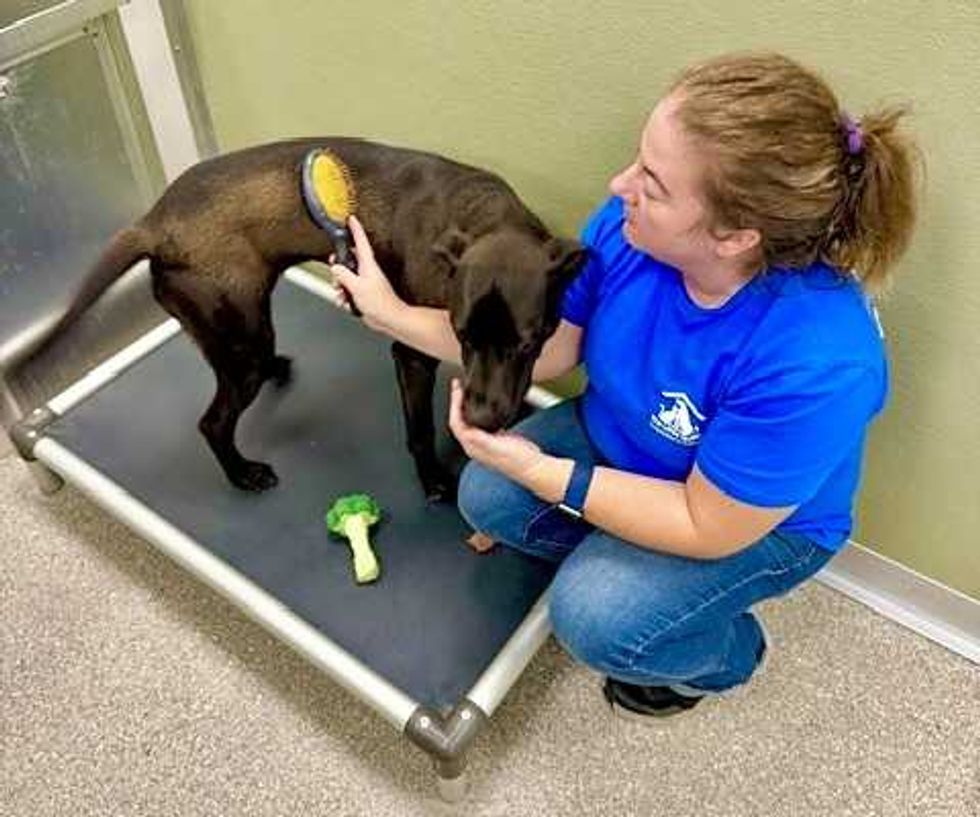 Tiffany Lemelin, shelter manager, brushing Marsala upon arrival.Provided
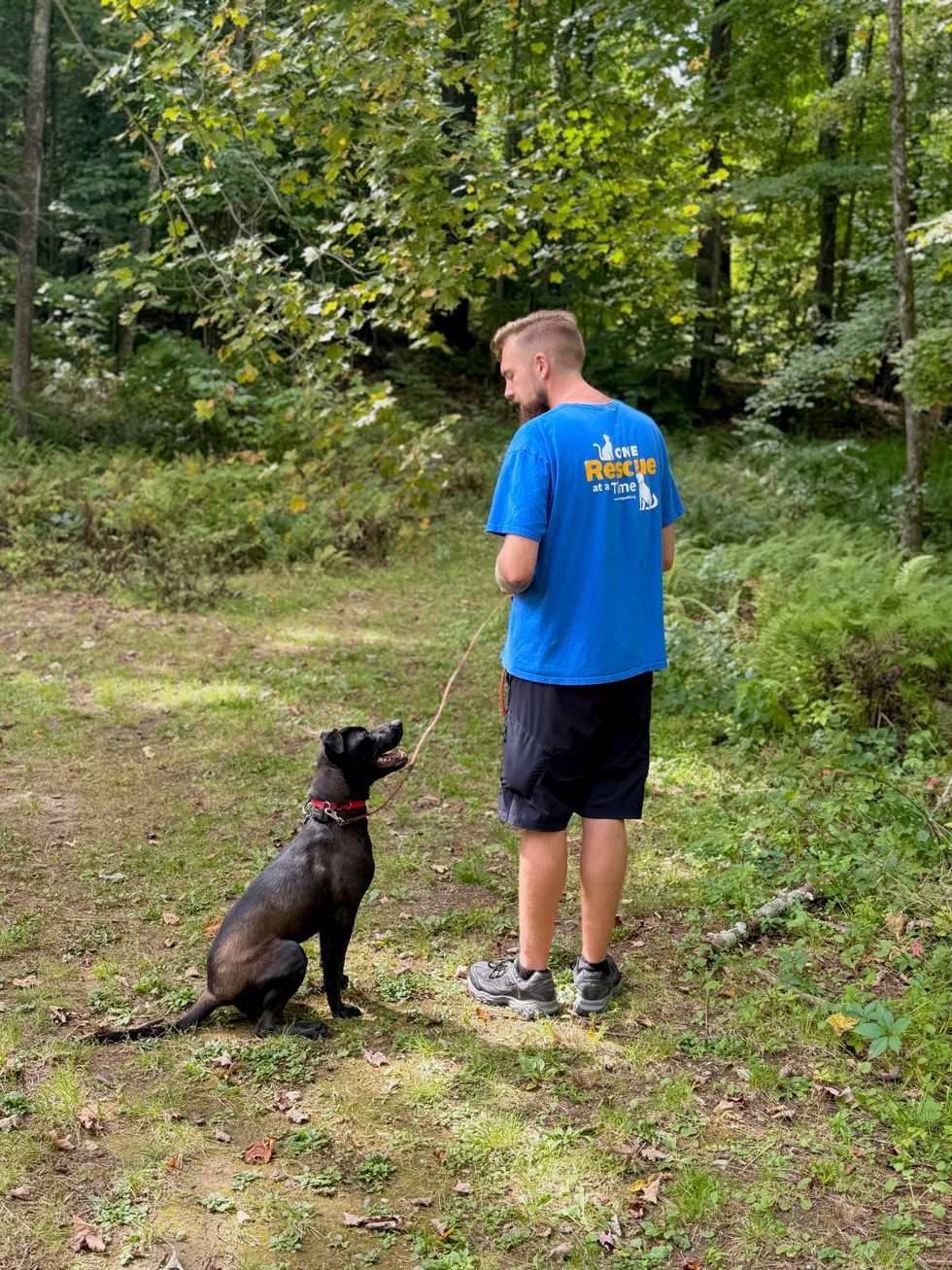 Michael DeBarba, certified dog trainer working with Marsala.Jennifer Almquist
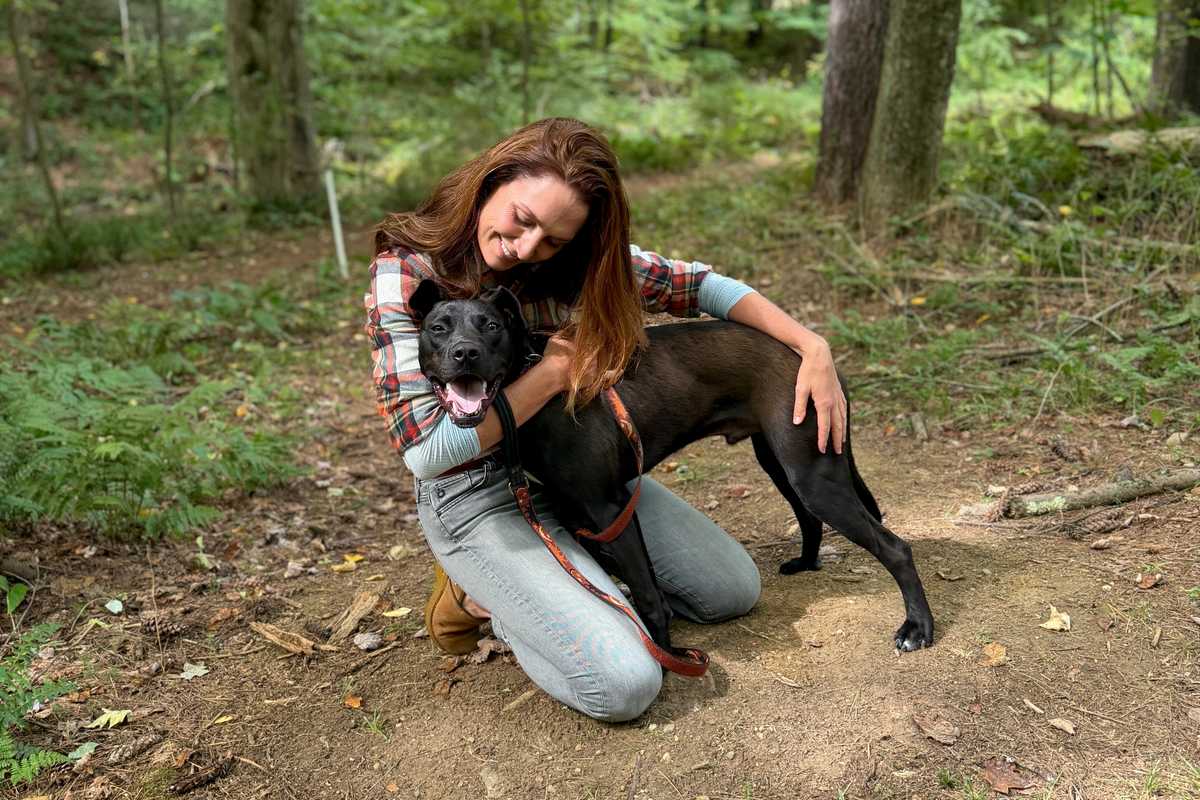 Marsala wins a heart.Jennifer Almquist
 Sadie, center, a Carolina dog, plays with her friend Negra, a terrier mix. Bella Linda, the small poodle, has since been adopted.L. Tomaino
 Wesley, a young, exuberant mix, is looking for an active home.L. Tomaino
 Bonnie and Clyde, an affectionate terrier pair.L. Tomaino