SHARON — After months of planning and preparations, the Housatonic Meadows Preservation Action group has reached the much-anticipated planting stage.
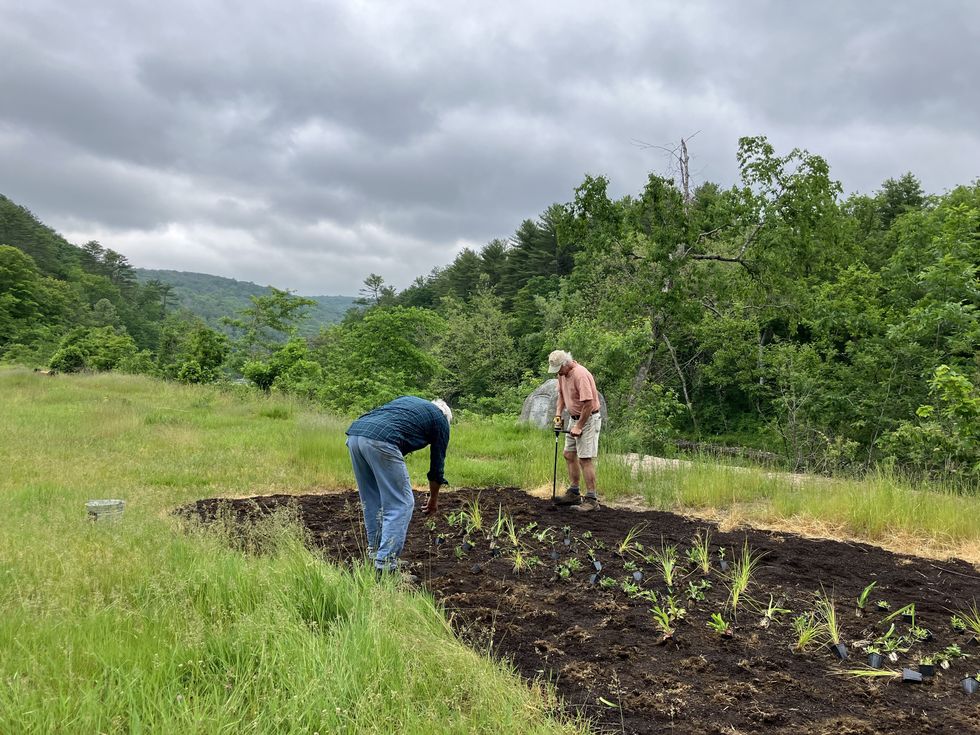
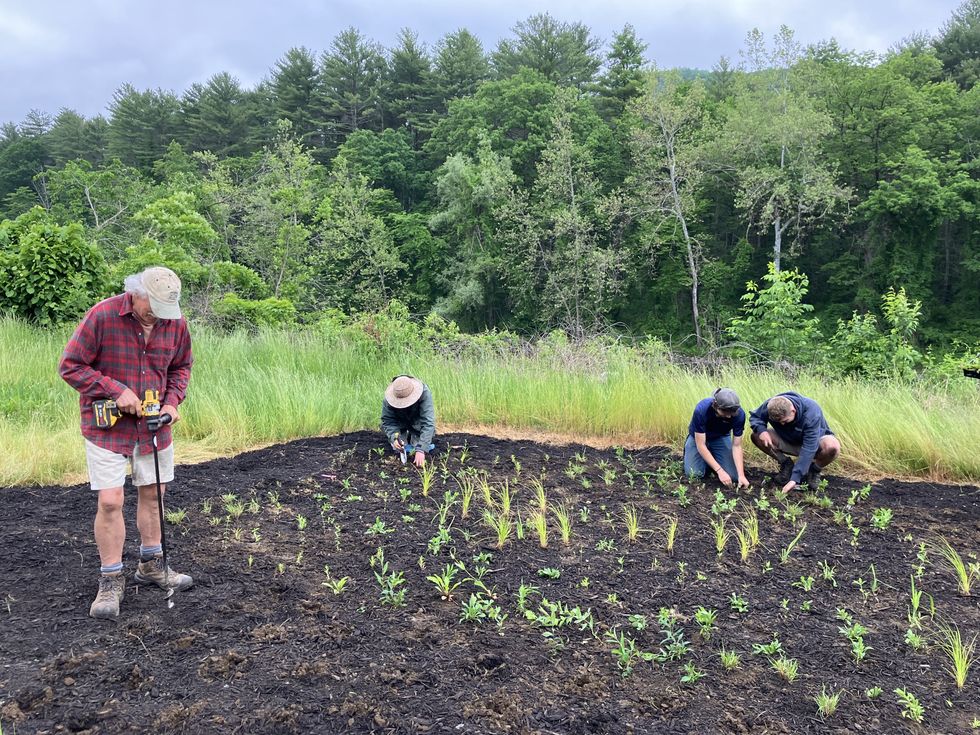
A handful of volunteers arrived at the state park in Sharon on Saturday morning, June 3, with trowels, wheelbarrows, buckets and gloves. Three separate gardens were set up near the parking lot and picnic areas, just a stone’s throw from the growing trees the group had put in last fall. In those gardens, volunteers will deposit a total of 1,700 small starter plants, including monkey flower, fairy candles, Joe Pye weed, native goldenrod, New England aster, golden Alexander, strawberries and mountain mints.
“It’s going great,” said Katherine Freygang, a retired botanist, board member for the Cornwall Conservation Trust, commissioner for the Cornwall Conservation Commission and representative for Sustainable CT. She’s also a founding member of Housatonic Meadows Preservation Action.
She explained that the group and its volunteers had laid the mulch on Friday and finished half of the first — and largest — garden. Saturday would be spent getting the rest of the plants out of the flats they came in, organizing them according to the garden’s design and finally, planting them into pre-drilled holes.
A group of four professional landscapers from Kent Greenhouse were working in the first garden, and a few more volunteers would soon arrive to lend a hand in the other two.
Michael Moschen, a performer by trade, was one of them.
He’d been bringing his rescue dog from Tennessee to Housatonic Meadows for the last decade or so, where he could run freely on a long leash, he said. But during one visit in 2021, he saw the machines slicing down the legacy oaks that once populated the parking lot and river’s edge.
He took out his camera and began documenting it.
“The more I looked, the more incensed I got,” he said, adding that it seemed very little had been done to prepare the public for such a drastic change to the area’s landscape.
Soon thereafter, he became involved in the action group, and that led him to the park as a volunteer. He spent Friday unloading the mulch from a truck, and was photographing the planting endeavors Saturday morning.
Debbie Bennett was working in the second garden. She was the founder and co-owner of Kent Greenhouse before she and her husband, Bruce, sold it. But her love of nature remained, and that’s what drove her to the park as a volunteer and member of the action group.
“The peace you feel in a park is like nothing else,” she said. “This restoration is to give the people who come here that sense of peace.”
Shortly after the trees were cut down two years ago, Bennett said she noticed that people who came to the park were upset. Indeed, the Housatonic Meadows Preservation Action group was born in the midst of a public outcry following the Connecticut Department of Energy and Environmental Protection’s decision to cut down upward of 100 trees from the park — some of which were more than 170 years old. Bennett praised the public’s engagement then and now.
“People have to get involved. If they want a personal world that really speaks to what’s here, they have got to get involved,” she said.
In the third garden sat Heidi Cunnick, who holds a Ph.D. in environmental science. She, too, got involved shortly after the trees were removed, because she felt something just didn’t add up.
“If trees are dangerous, you want to take care of them. You don’t want anyone to get hurt,” she said. “But it made no sense, where they were taking them down.”
For Cunnick, the project is about giving something back to the space that had previously been lost.
“I think restoration is really, really important,” she said. “It’s not just saying ‘this is wrong,’ but [asking] how we can restore it.”
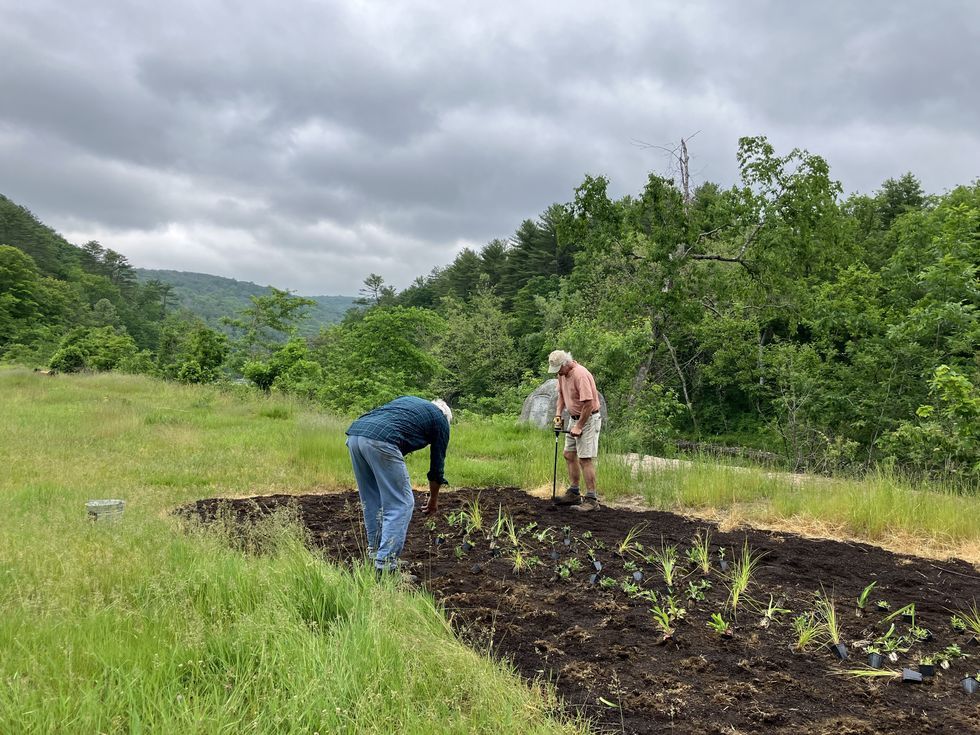
Volunteers planted starter plants at Housatonic Meadows State Park on Saturday, June 3. Photo by Ollie Gratzinger
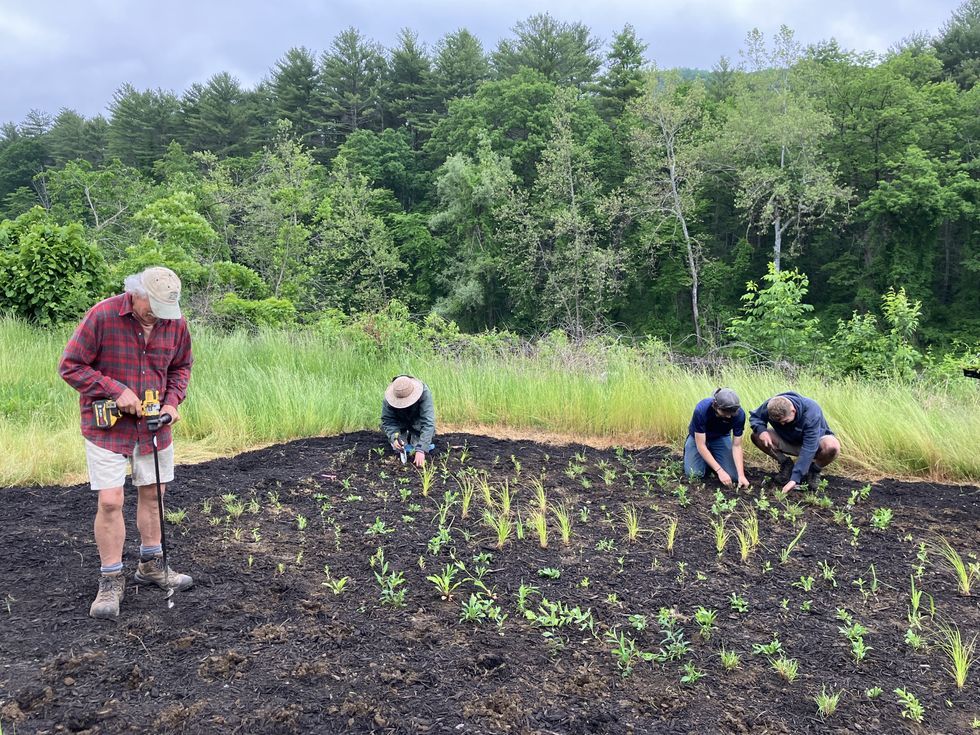
A total of 1,700 small starter plants — including monkey flower, fairy candles, Joe Pye weed, native goldenrod, New England aster, golden Alexander, strawberries and mountain mints — were planted by volunteers on Saturday, June 3. Photo by Ollie Gratzinger



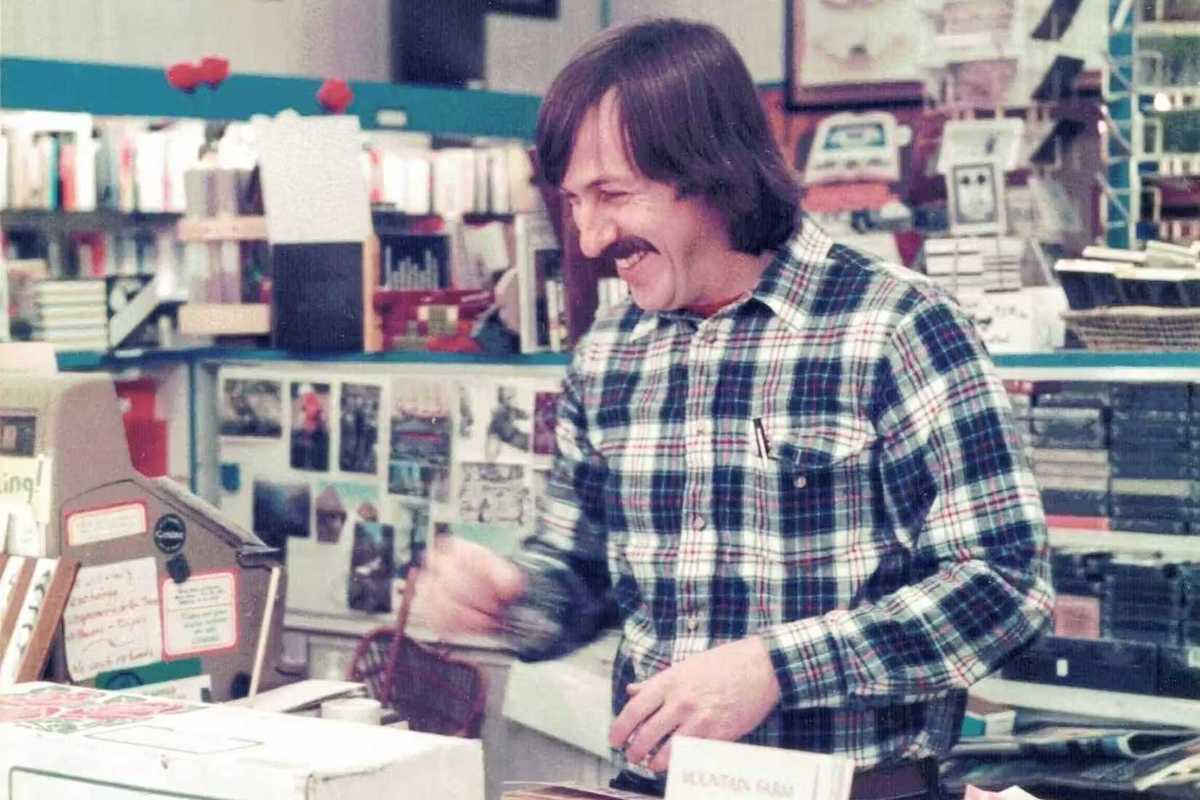
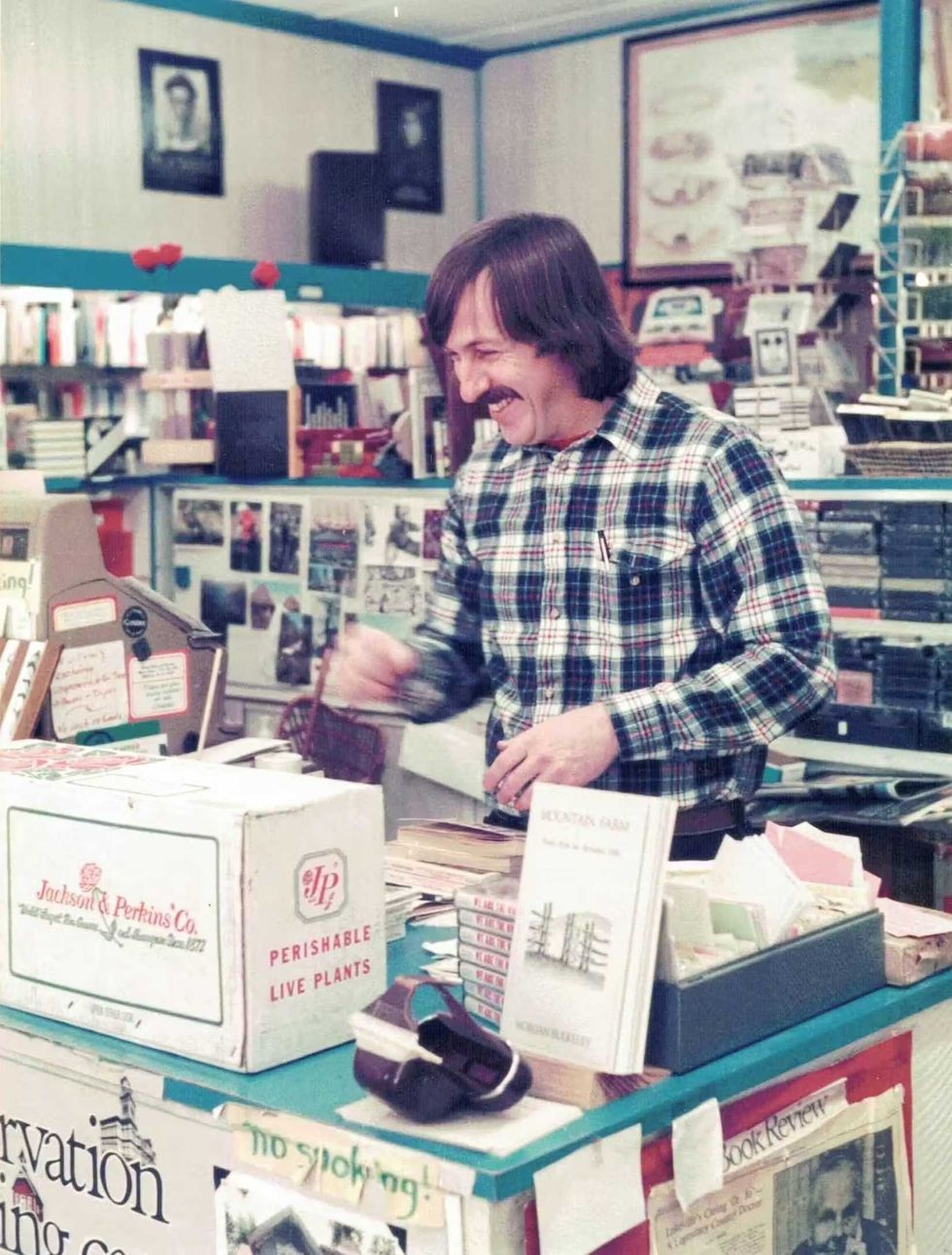 Dick Hermans in the Oblong Bookstore on Millerton’s Main Street in 1985.Provided

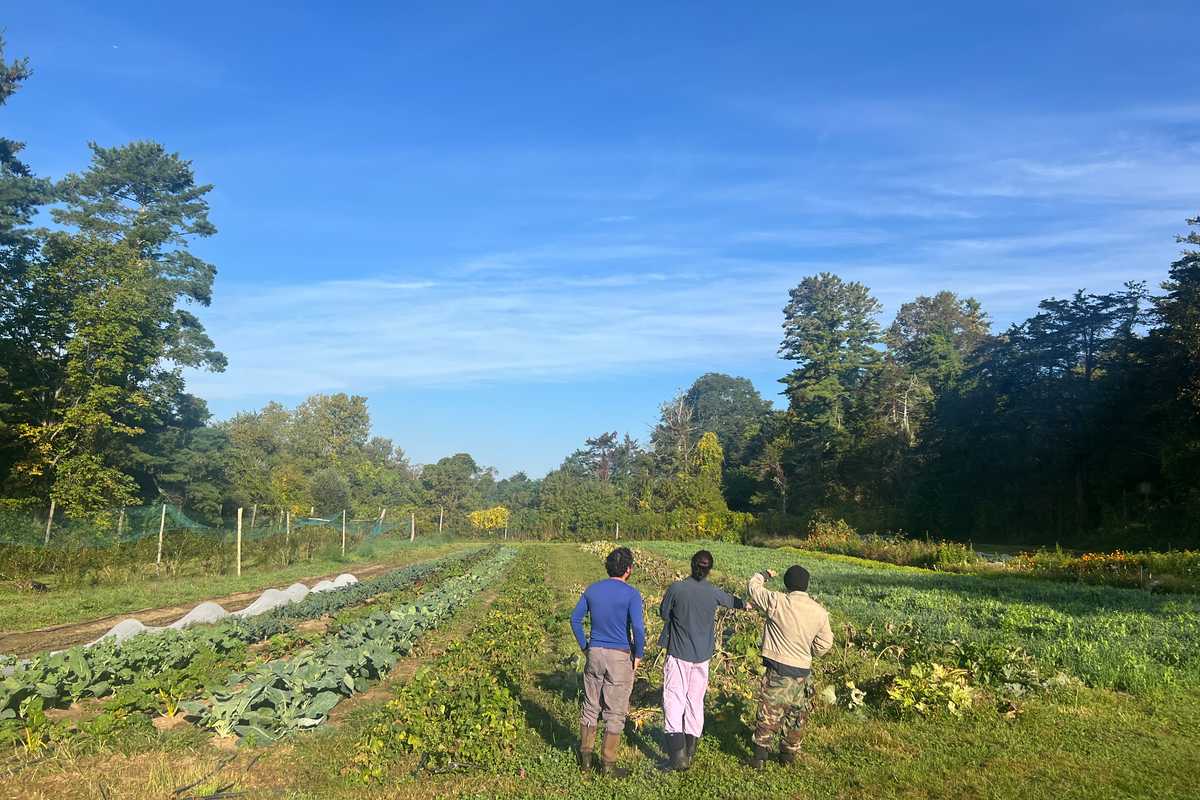
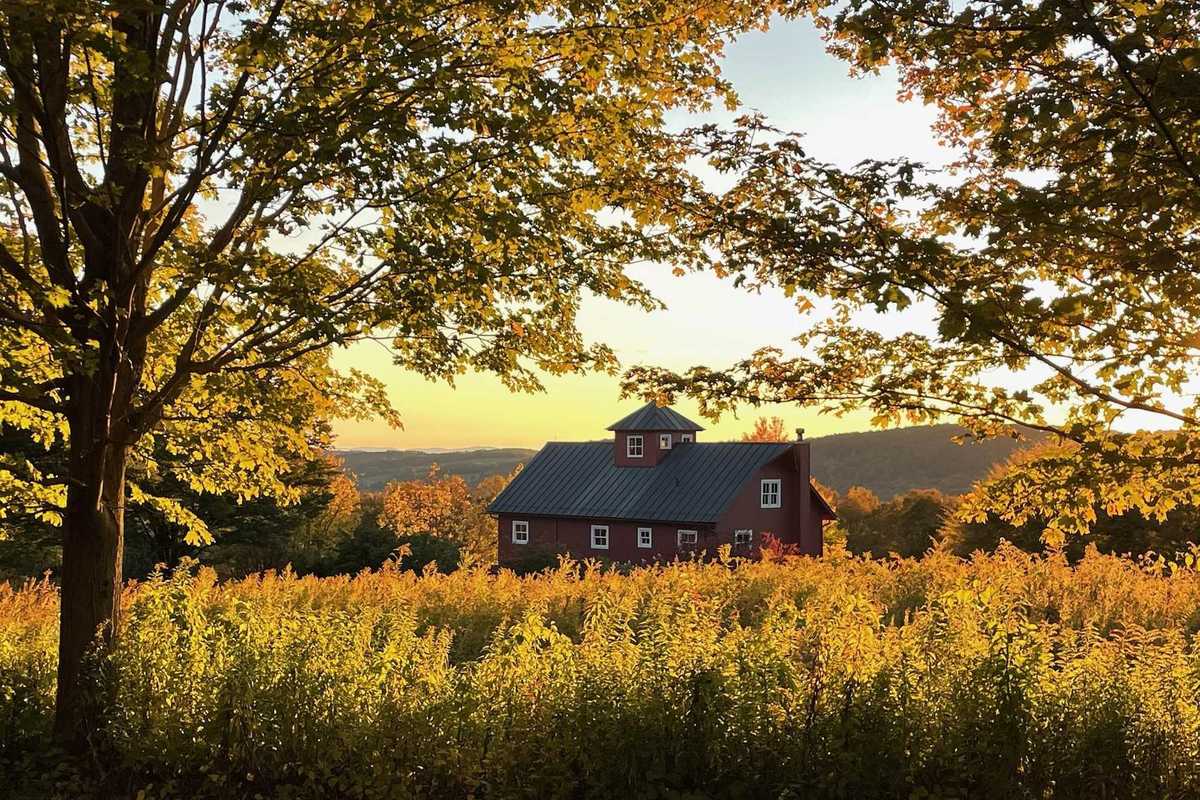
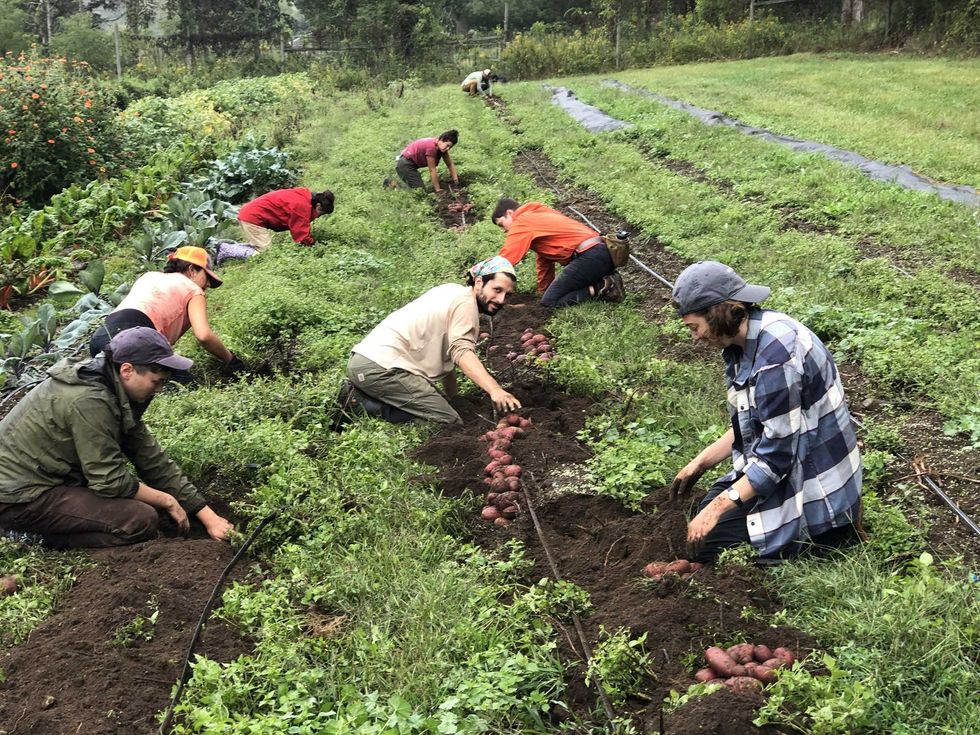 Fall storage crop harvests amid soil building cover crops at Adamah Farm in Falls Village. Janna Siller