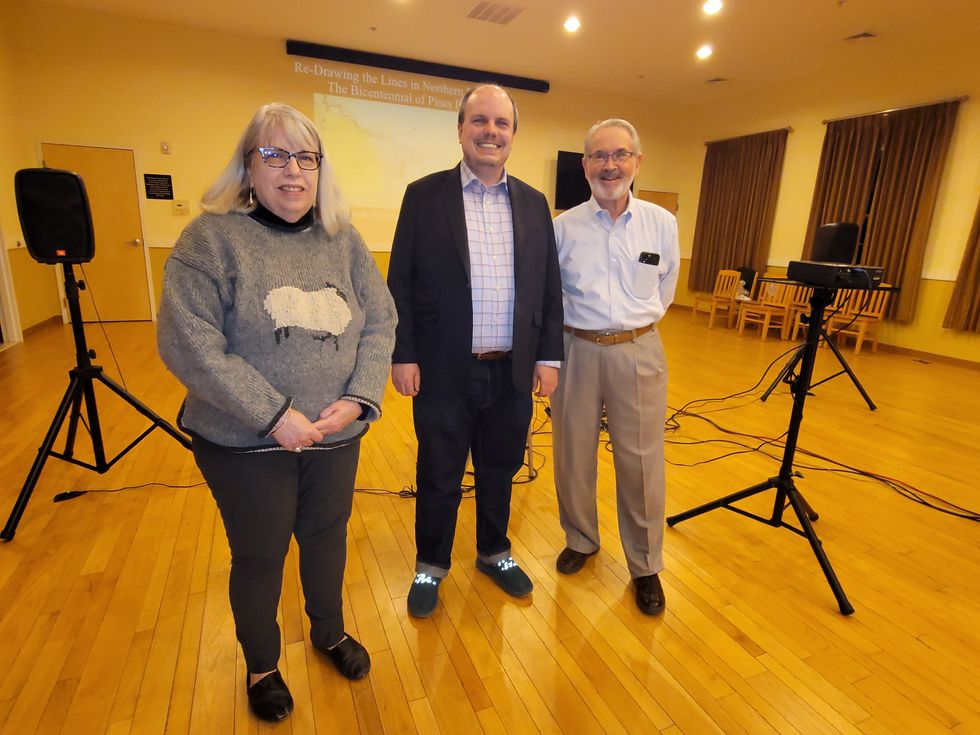
PINE PLAINS — Dutchess County Historian Will Tatum III spoke at the Nine Partners Historical Society meeting at the Pine Plains Free Library on Friday, March 24, just two days before the town celebrated its 200th anniversary on Sunday, March 26. The topic was, naturally, the birth of Pine Plains, or how it came to be its own entity, having split from the town of North East.
Tatum stated: “March 26, 1823, was a seminal as well as pivotal date for the municipal map of northern and eastern Dutchess County. The date of act creating Pine Plains as an independent town completed the process begun in 1818 when Milan first separated from the town of North East, the origins of which stretched back to the early Colonial period.
The final act in this municipal drama created the town of Pine Plains as we know it today and redrew the boundaries of North East and Amenia, shifting the old town line south. That change in town lines helps to explain why the histories of North East and Amenia remain so closely interwoven today, while speaking to the prominence of Pine Plains from the 1770s onward.”
His discussion included a description of the original eight partners and a kind of exposé of the ninth partner, who, as it turns out, was not always evident on paper. Tatum explained that there were several names for the group — the Little Nine Partners, the Great Nine Partners, and the Lower Nine Partners — which acquired a patent, or land grant in Dutchess County on May 27, 1697, from New York Gov. Benjamin Fletcher.
Pine Plains was settled as a farming community, and was thriving by 1770. Roads were already in place, and there was commercial traffic as well as a government. In 1683 (is this the correct year?) there were 12 original New York counties, and Dutchess was one of them. The land was divided into land “patents,” as it was taken from the Indigenous tribes and at one point, a patent was formed: the North East Precinct, which included North East, Pine Plains and Milan.
The North East Precinct lived into the 1800s, but evidently there was some growing dissatisfaction. Tatum remarked that a fire in 1911 in the state Capitol in Albany had wiped out most records, so while there is no written proof, it seems that both Pine Plains and Milan wanted to be independent.
Some maps drawn at the time show changes in the geography; Milan became a town in 1818, and by 1823, Pine Plains did the same. However, Tatum pointed out that the 1823 law that led to the creation of the town of Pine Plains hardly mentions Pine Plains, but says it is an act to “…divide the Towns of Northeast and Amenia, in the county of Dutchess.”
Talking about this today, it would seem as though this was easily accomplished, but it wasn’t. Some of the land belonged to the Schaghticoke-Mahican people, and a Moravian mission had been set up at Shekomeko around 1742. But by 1823, the mission had long since failed, and the land was acquired from the Indigenous people who remained.
Another point that Tatum made clear was that, for a very long time, Amenia was much larger than it is now. Some of Amenia was given to North East in order to make that entity large enough to become its own town, because when Milan and Pine Plains pulled away from North East, there just wasn’t enough left to declare it a town without “borrowing” from the much larger Amenia.
Pine Plains is dedicating much of the remainder of 2023 to events commemorating the bicentennial. Tatum’s was followed by refreshments and lots of conversation, copies of the New Pine Plains Herald were available, and there was lots of excitement for the festivities that would be taking place on Sunday, March 26, with many more to follow as outlined by Town Supervisor Brian Walsh, planning board member Kate Osofsky and others. One highlight will be a reading of Thornton Wilder’s “Our Town” with Dutchess County Legislature Chair Greg Pulver playing the pivotal role of the Stage Manager.
More information about upcoming festivities can be found on the town website: www.pineplains-ny.gov


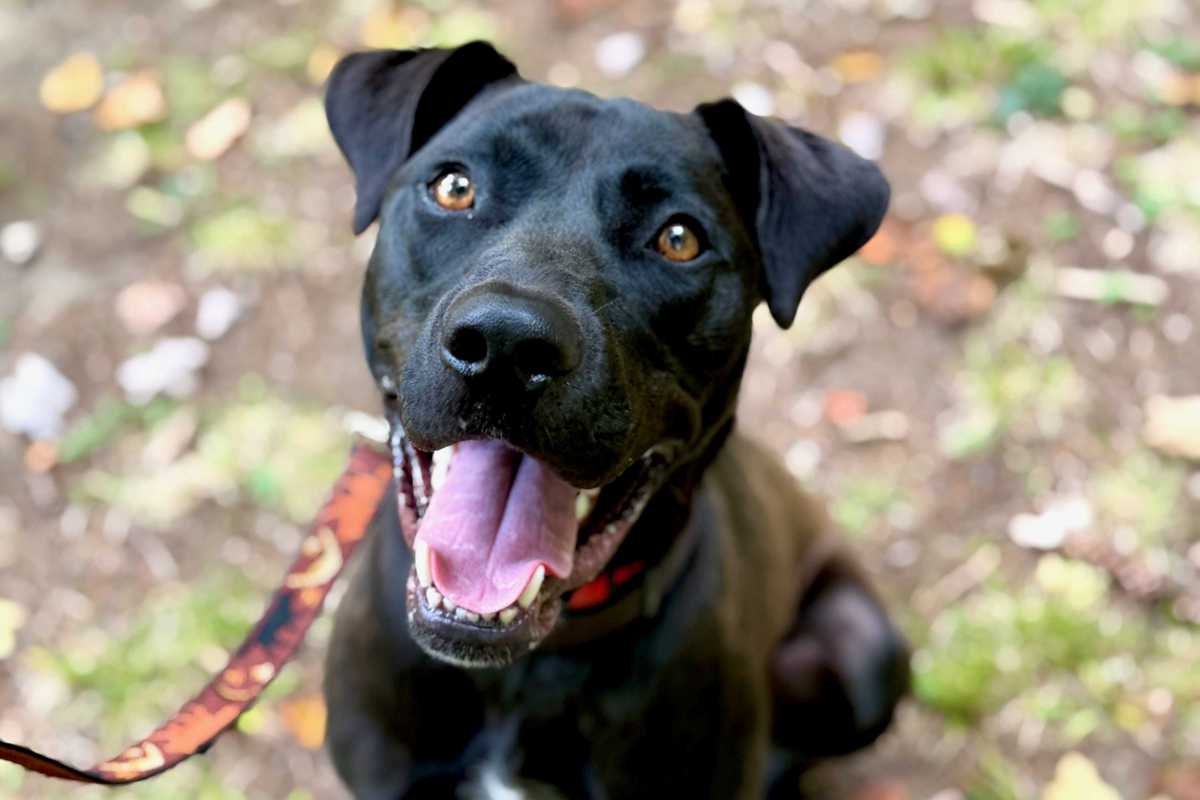
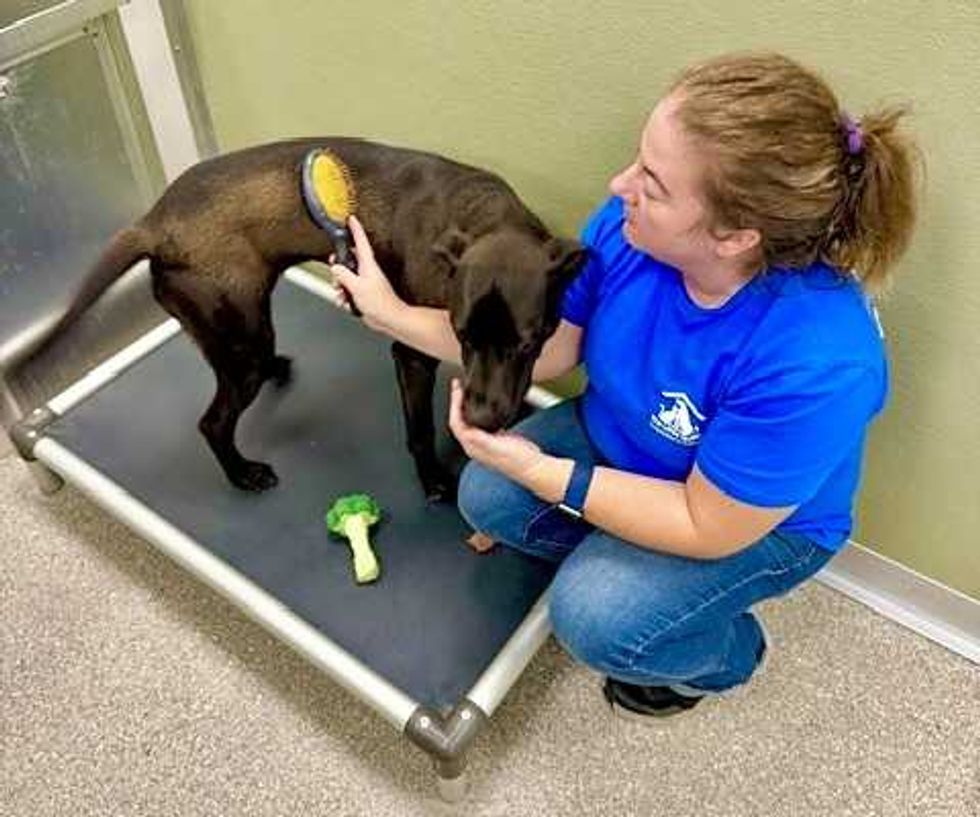 Tiffany Lemelin, shelter manager, brushing Marsala upon arrival.Provided
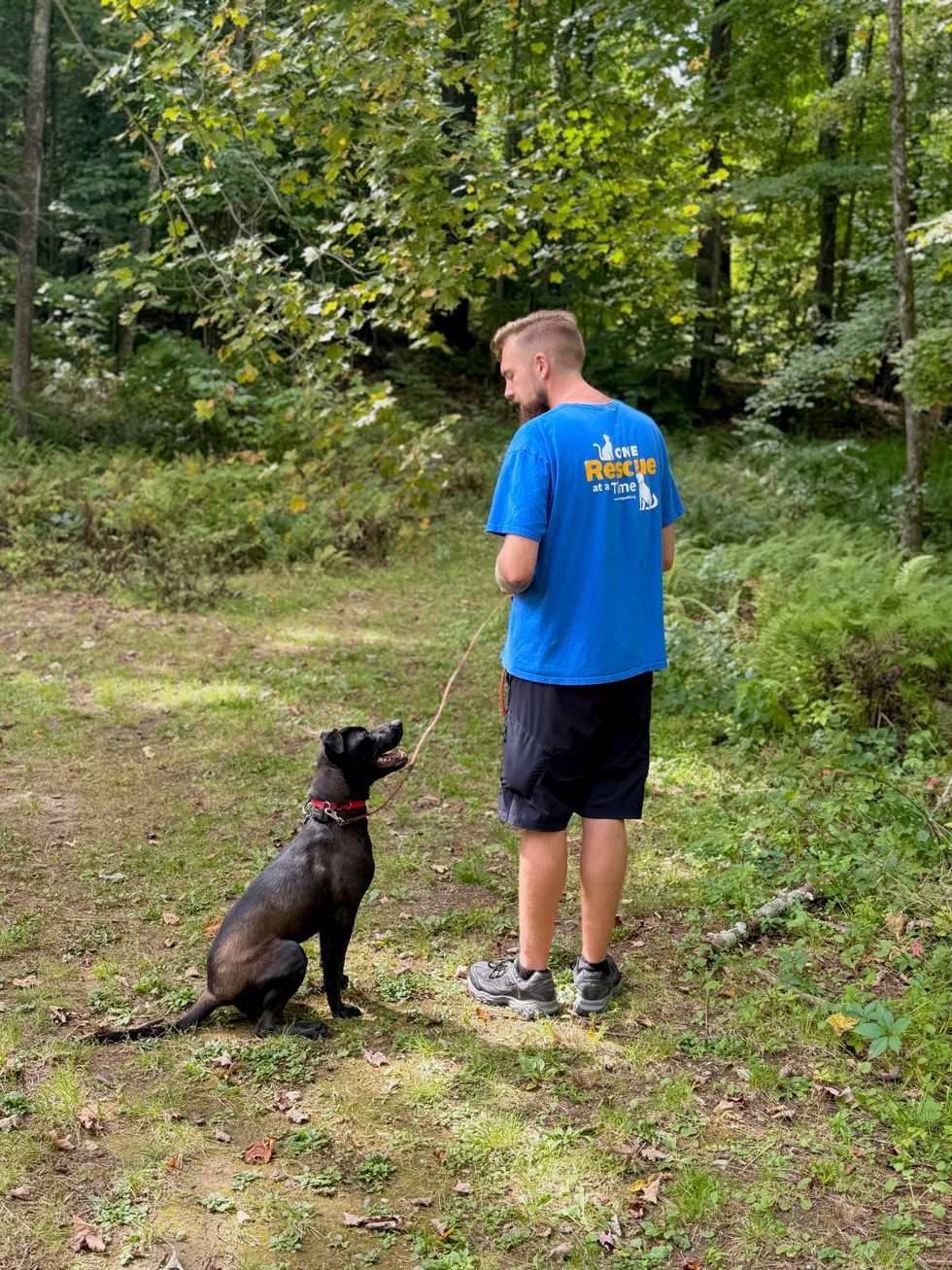 Michael DeBarba, certified dog trainer working with Marsala.Jennifer Almquist
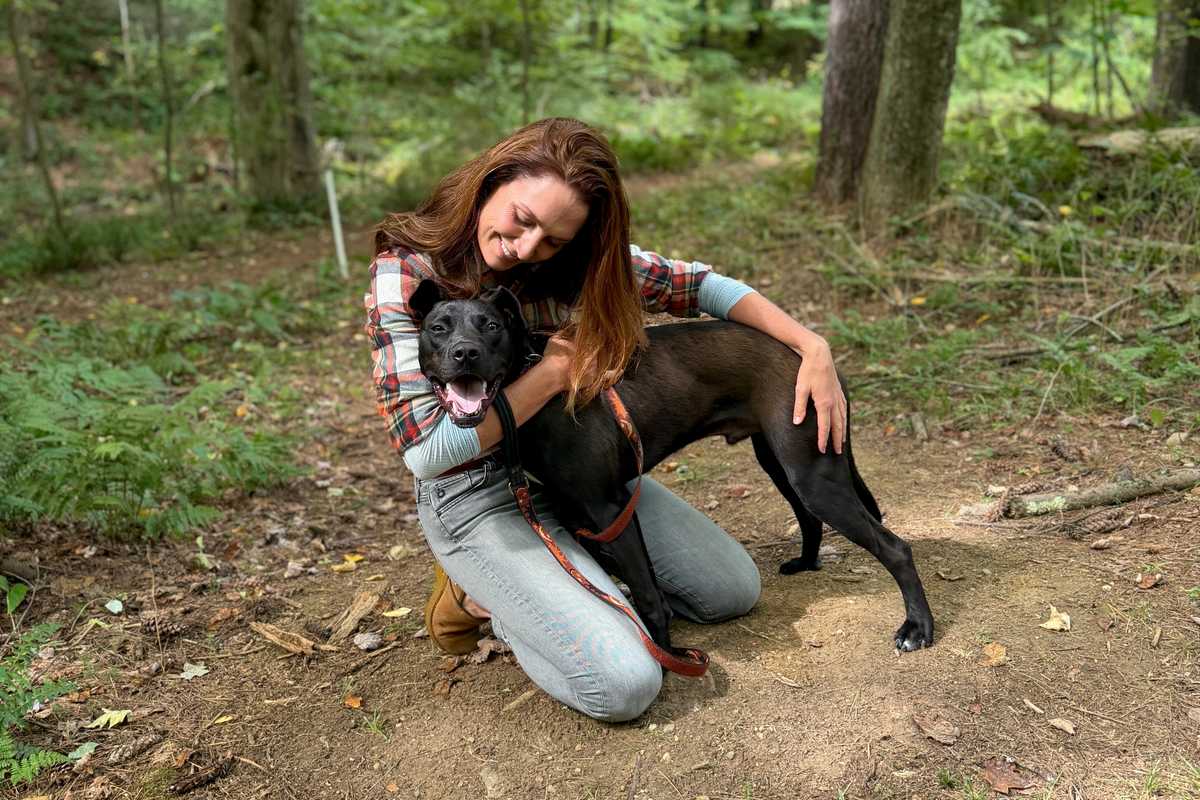 Marsala wins a heart.Jennifer Almquist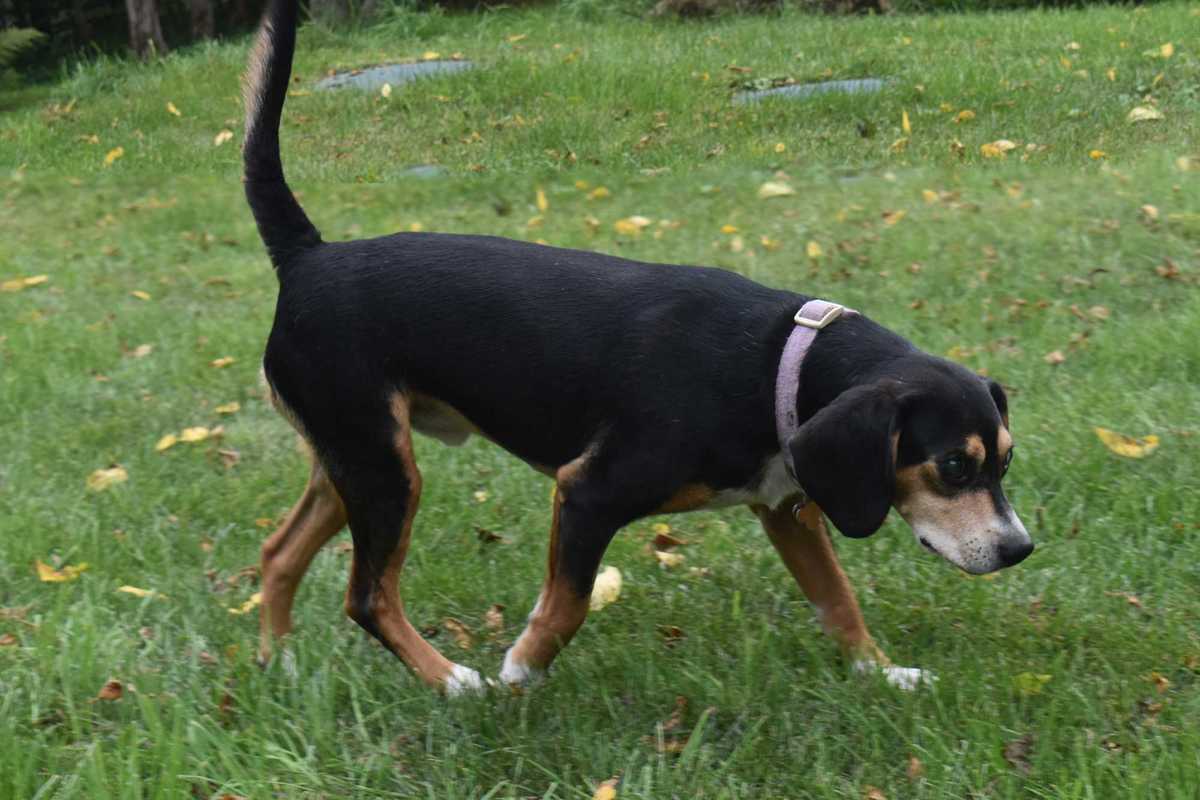
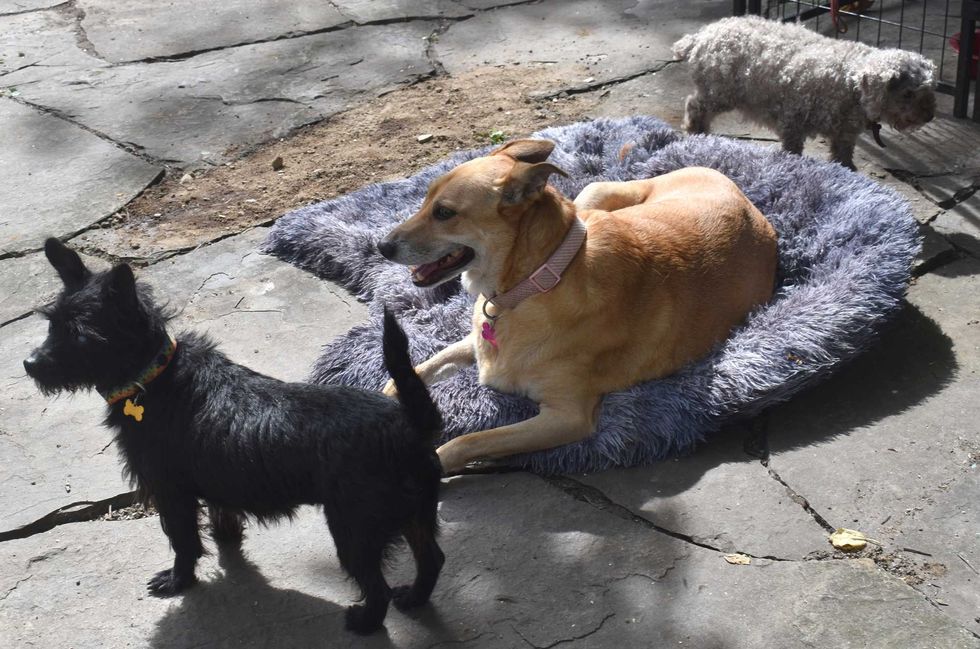 Sadie, center, a Carolina dog, plays with her friend Negra, a terrier mix. Bella Linda, the small poodle, has since been adopted.L. Tomaino
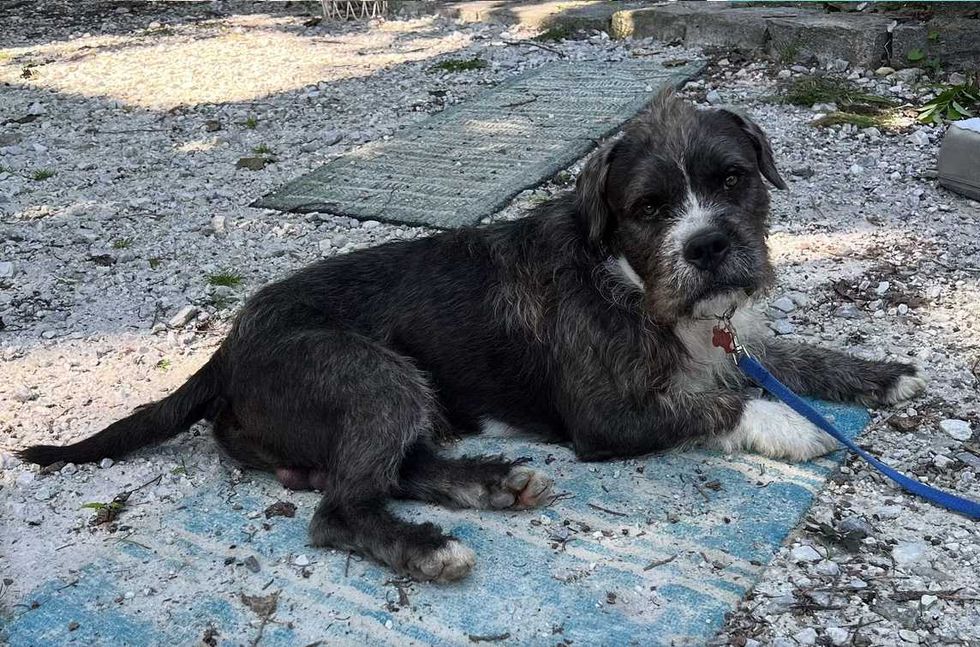 Wesley, a young, exuberant mix, is looking for an active home.L. Tomaino
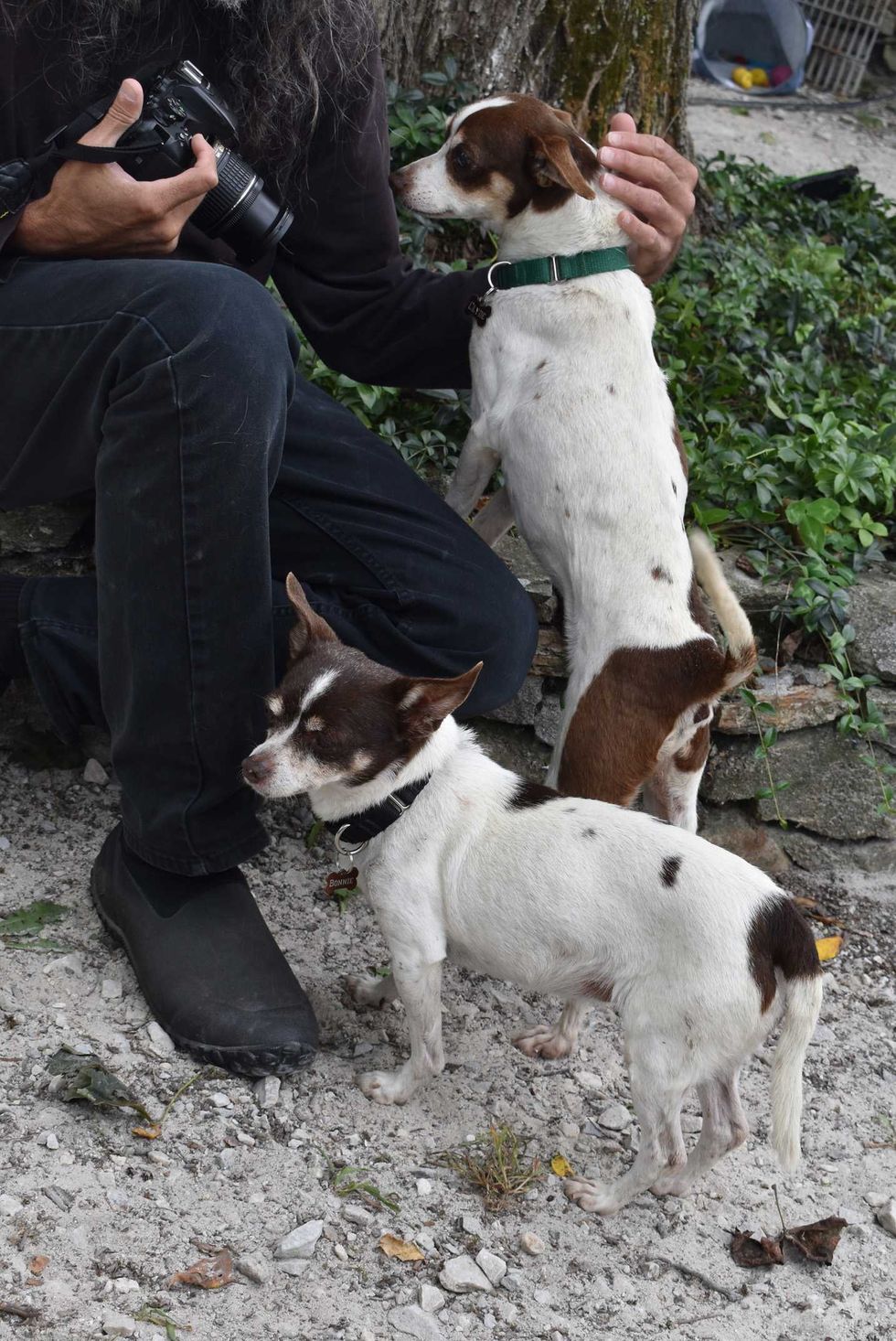 Bonnie and Clyde, an affectionate terrier pair.L. Tomaino