Your home does not need to be perfect to be beautiful. In fact, the marks, softened edges, and quiet signs of daily life are not flaws to be erased, but stories to be embraced.
That idea has a name: patina. It is the natural aging of materials over time — the result of wood touched again and again, metal worn by air and use, fabrics settling into the rhythm of a lived-in space. Some may see it as damage, but it is better understood as evolution: the gentle, authentic record of a home being used as it was meant to be.
For years, design of all kinds leaned toward the pristine — homes that felt almost too perfect to settle into. But perfection, while beautiful at first glance, can create what feels like a museum or showroom. Such a space asks you to maintain it, to protect it, to exist very carefully inside it.
Patina offers the opposite.
It lets you exhale.
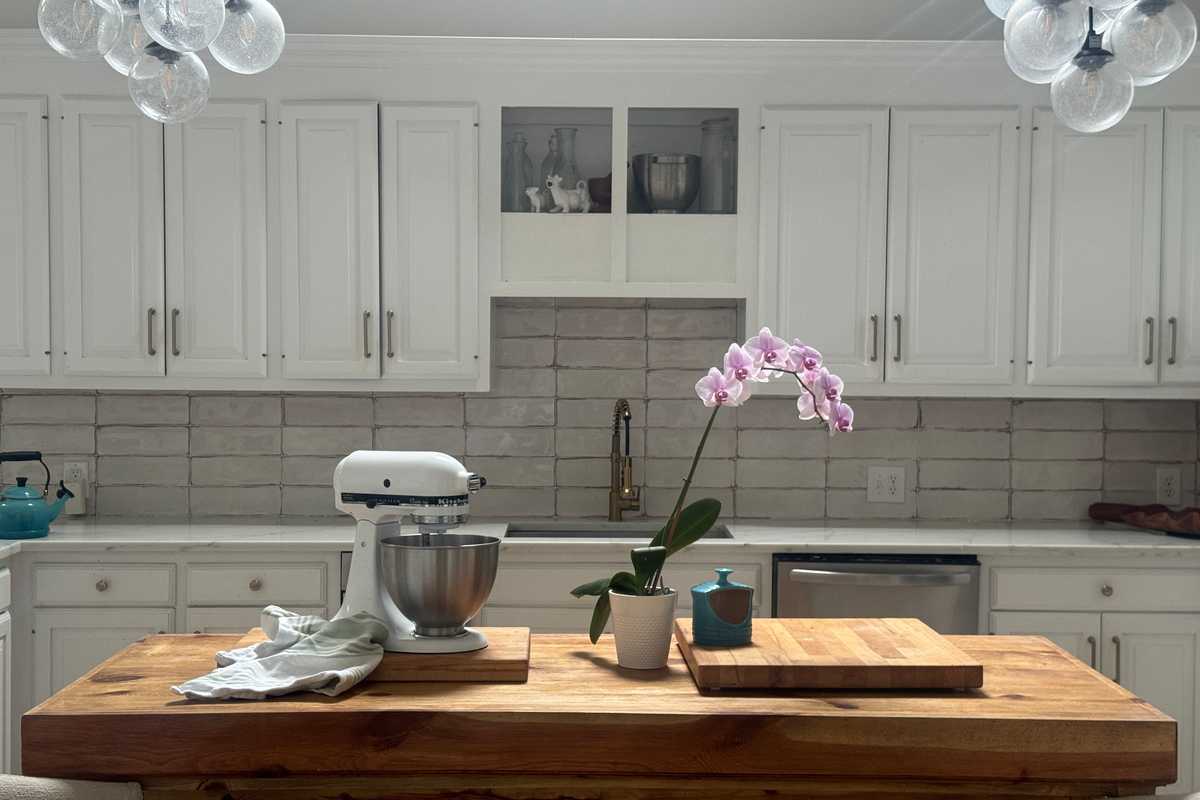
A dining table with a few marks from family dinners does not need to be replaced. A brass faucet that darkens over time becomes richer, not worn out. A leather chair that creases and softens becomes more inviting; these are the pieces I search for when clients want an instantly lived-in look. These changes are not signs that something is going wrong. They are signs that something is being used exactly as it should be.
This is where patina becomes more than a design choice. It becomes a mindset, a lifestyle.
It allows you to let your home live a little, too.
In practical terms, to incorporate patina, you must choose the right materials, ones that will age well. Natural wood is perhaps the most forgiving and rewarding. Look for finishes that are matte or lightly sealed rather than overly glossy. Woods with visible grain and variation will develop character over time, rather than showing wear in a way that feels damaged.
Metals are another opportunity. Unlacquered brass, bronze and copper are designed to change. Instead of resisting fingerprints or water spots, they respond to them, deepening in tone, creating variation, becoming uniquely yours. In kitchens and baths especially, these materials bring warmth that polished chrome simply cannot replicate.
Leather, too, is a favorite of designers for this reason. It softens, creases, and gains depth with use. A well-made leather chair will look better in five years than it does today. Linen and other natural textiles follow a similar path, becoming more relaxed and comfortable over time.
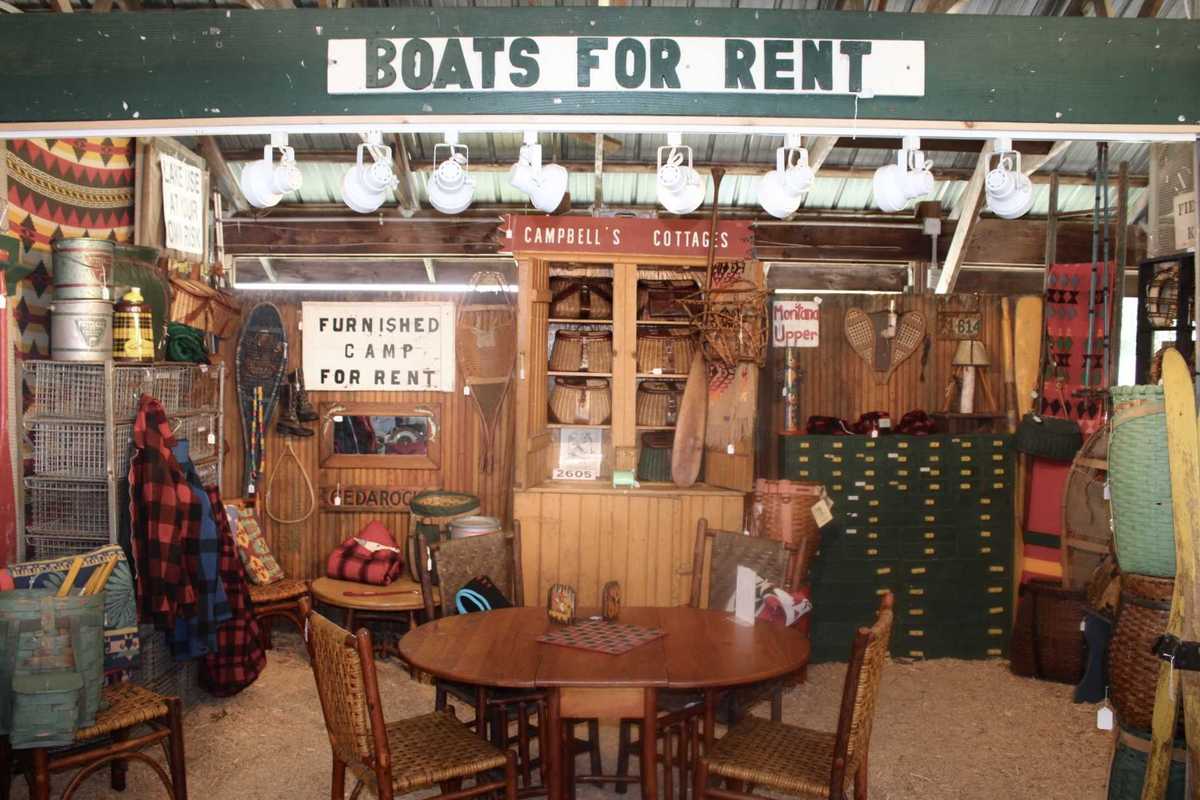
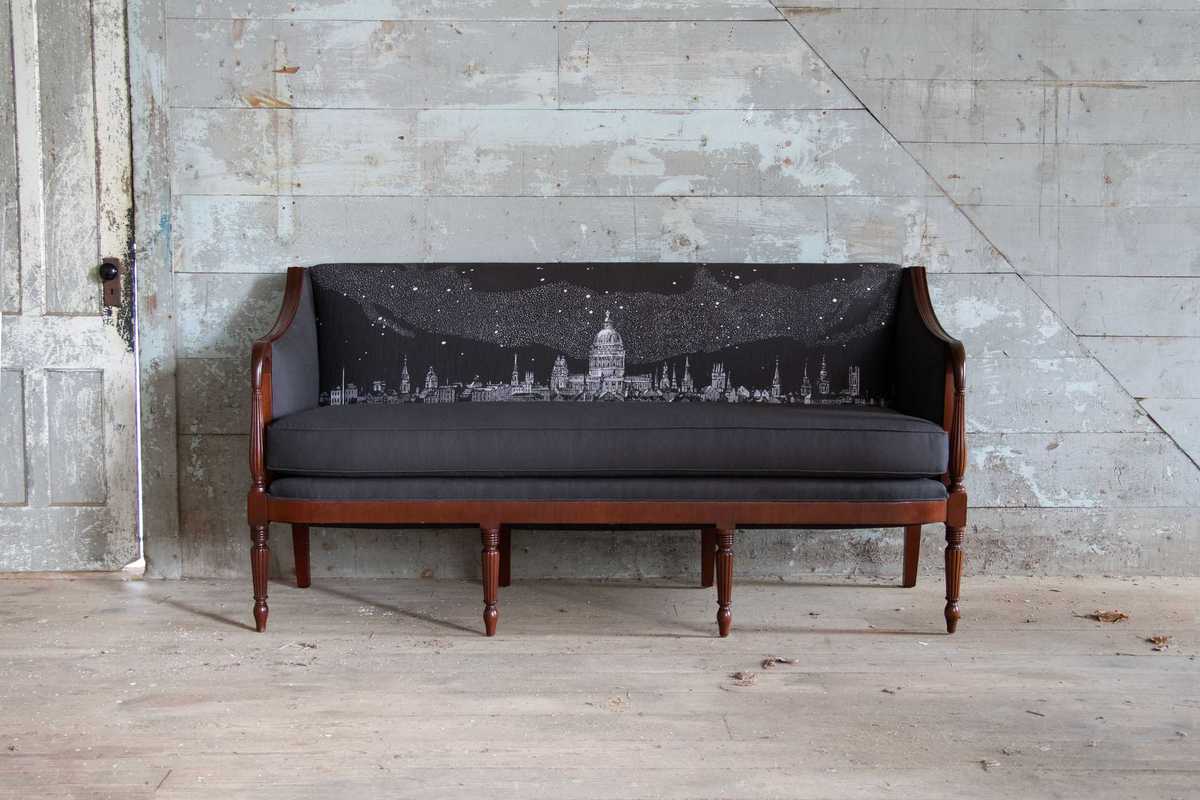
Vintage pieces naturally carry patina with them, which is part of their appeal. A worn wooden chest, an antique mirror with slight foxing, a set of timeworn stools—these elements anchor a space. They immediately give a room a sense of history, even if the rest of the home is newly designed.
The key, however, is balance.
A home filled entirely with aged pieces can feel heavy and old. But when patina is layered alongside clean lines and newer elements, a sense of calm emerges. The space feels both fresh and grounded. A modern sofa paired with a weathered coffee table. Crisp walls against an antique cabinet. It is this contrast that makes a home feel thoughtfully designed rather than overly styled.
And then there is the emotional shift.
When you embrace patina, you release yourself from the pressure of constant perfection. You stop noticing every small scratch or imperfection because they are no longer mistakes — they are part of the story. Your home becomes a place to live freely, not carefully, and that shift changes your mood and outlook.
It reflects a deeper understanding: that beauty is not found in preserving something exactly as it was, but in allowing it to evolve into what it becomes.


 Pay Bill for Robin Starr’s service in the Continental Army.Courtesy the Alex Breanne Corporation
 John Mills speaking at Quinnipiac University.Courtesy the Alex Breanne Corporation

 Stephanie Saetta,with her rescue dog George and Blue (left), a shepherd mix awaiting his forever home.Madi Long