Thank you!
Your support is sustaining the future of local news in our communities.

Meet your new design consultants: your kids

Meet your new design consultants: your kids

Katalina Mayland (age 14) in her bedroom.

Lam Nguyen

As an interior designer, I’ve learned that sometimes the smallest voices in the room can have the biggest impact on a project. Over the years, more and more of my clients have begun looping their children into our design communication threads. Sometimes they’re quiet observers, other times they’re very vocal about what they love —o r absolutely can’t stand. And more often than not, I’ll hear the parents say, “Well, that’s the one the kids agreed to, so we’ll go with that.”

And honestly, I love that.

Think about it: our homes are our children’s worlds. These are the spaces that will embrace them, shape them, and forever live in their memories. When they close their eyes years from now and think of “home,” they’ll picture the colors, textures, and feelings that surrounded them growing up. So yes, they deserve a seat at the design table.

Today’s kids, though, are a whole new generation of design-savvy. They’re not learning from HGTV or paging through glossy magazines like we once did. Their inspiration comes from TikTok, Instagram, and Pinterest, where they’re constantly fed aesthetics and visual trends. They can tell you if they’re “cottagecore” or “dopamine decorators,” and they know the difference between midcentury modern and Japandi faster than you can say “mood board.” (Just ask them to explain. It’s eye-opening.)

This constant exposure means they’ve developed strong opinions and surprisingly refined tastes. They see how spaces make them feel, and they want to recreate those moods at home. It’s not just about pretty rooms — it’s about self-expression and belonging. I’ve seen teenagers reference color palettes or layering techniques they picked up online and then ask how they can apply those ideas to their own bedrooms or shared family spaces. They’re thoughtful and pragmatic, often looking for ways to incorporate what they’ve seen without a full renovation. Sometimes that means rearranging furniture for better “flow,” or adding LED strips and plants for atmosphere. These little design experiments give them a sense of ownership and teach them how personal space and creativity intersect.

I was recently listening to Vern Yip on the “How to Decorate” podcast from Ballard Designs, and he said something that struck me. He talked about designing his kids’ rooms as neutral palettes that could evolve with them. Instead of going all in on a theme or bold color that would need a total overhaul every few years, he kept the foundation versatile and layered in accessories and accents that could change as his kids’ interests did. It’s a brilliant approach — their spaces stay fresh and personal without becoming costly renovation projects every time they move from dinosaurs to drum kits.

The balance between giving kids a voice and maintaining long-term design sense is key. Let them express their personalities, but guide the process with materials and layouts that stand the test of time.

One of my favorite lessons came from my own son. When he was about 9, I asked how he wanted to decorate his room. I was fully expecting something along the lines of navy walls and sports posters. Instead, he surprised me with “modern and sleek.” I blinked. We live in a Dutch Colonial, and I’ve always believed in keeping interiors somewhat true to the home’s architecture, so chrome and white lacquer weren’t exactly on my radar. But it was his space, so I leaned in. We painted the walls black, added modern lines and textures, and tied it all together with a few transitional elements and personal memorabilia. Now, as a college baseball player, his room still tells the story of who he was — and who he’s become.

My daughter, too, was inspired by a TikTok trend not so long ago, and we did her room in Roller Rabbit’s popular “Amanda” pattern — from the chair to the shams to the bedspread. Thankfully, it’s stood the test of time. She still loves it, maybe even more now that it’s no longer a trend but simply something that feels like her.

Allowing kids to have that kind of ownership gives them a sense of pride and belonging. They’re not just growing up in a home — they’re growing up with it. Their opinions remind us, as designers and parents, that homes aren’t meant to be showpieces. They’re meant to be lived in, loved, and remembered.

So the next time you’re making a design decision — whether it’s a paint color, sofa fabric, or art for the hallway — ask the kids what they think. You might be surprised by their insight. And who knows? That one small choice might become the memory they carry with them forever, the color of home etched in their mind long after they’ve grown.

Kerri-Lee Mayland is an Emmy award-winning news anchor and designer. She lives in Lakeville.
Latest News

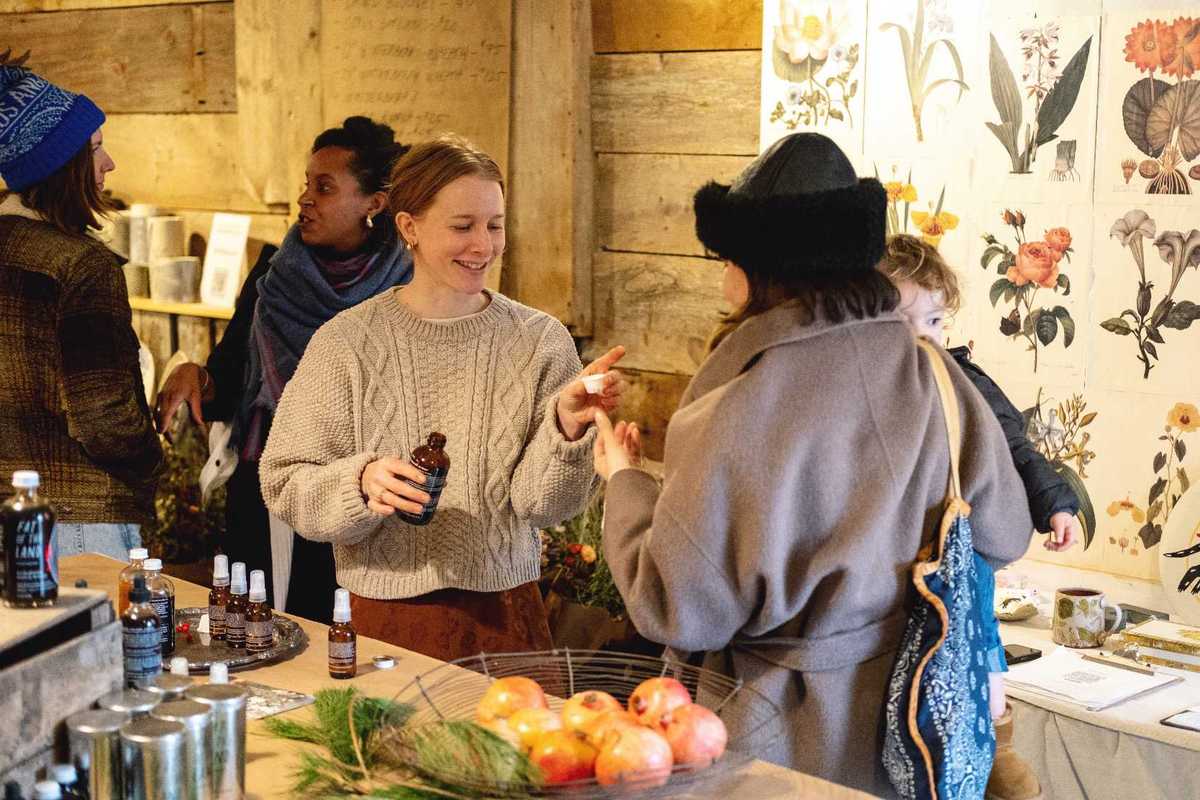
Farm & Friends: a holiday market that gives back

The Farm & Friends holiday market returns Nov. 21 and 22, featuring local makers, food producers and seasonal gifts.

Provided

According to PBS, “More than 5 million people have lost their Supplemental Nutrition Assistance Program, or SNAP, benefits since President Trump’s so-called One Big Beautiful Bill passed last year.” Combined with rising costs and new eligibility requirements, these cuts have placed additional pressure on families struggling to make ends meet. As more people turn to food banks and pantries for assistance, local farms are playing an increasingly important role in meeting that need. Hungry Reaper Farm in Morris, for example, supplies food and CSA shares to a variety of nonprofit organizations and schools.

In Dutchess County, The Webatuck Valley Farm Collaborative is working to strengthen the pipeline from farms to foodbanks. Led by Rock Steady Farm, Sweet Freedom Farm and Wildseed Community Farm and Healing Village, the collaborative hopes to double the infrastructure capacity for at least 15 local farms. This will allow them to increase supplies for food pantries and regional schools while expanding the farms’ reach to industrial buyers and distributors. By their estimation, the food hub “will supply and impact 9 school districts, 13 food pantries, and partner with 6 institutional buyers and 8 aggregators and distributors.”

Keep ReadingShow less

Under the big top at Full Circus Farm

Under the big top at Full Circus Farm

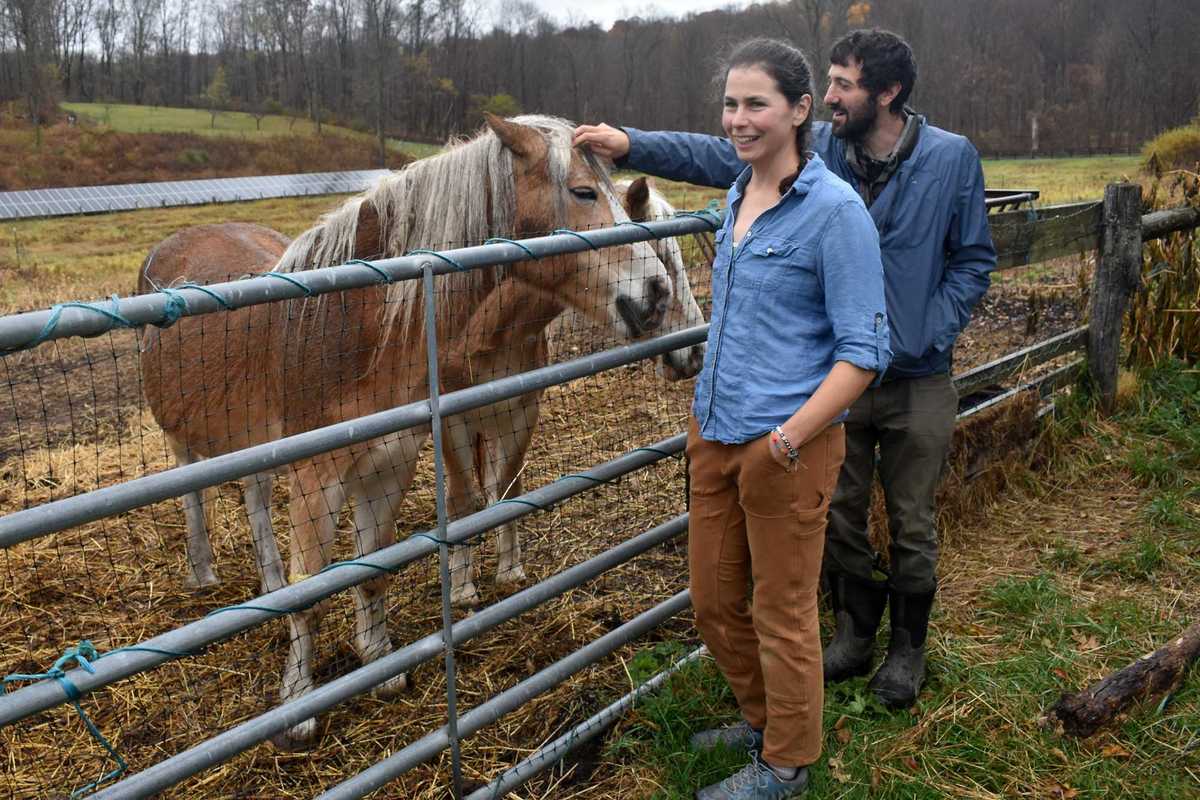
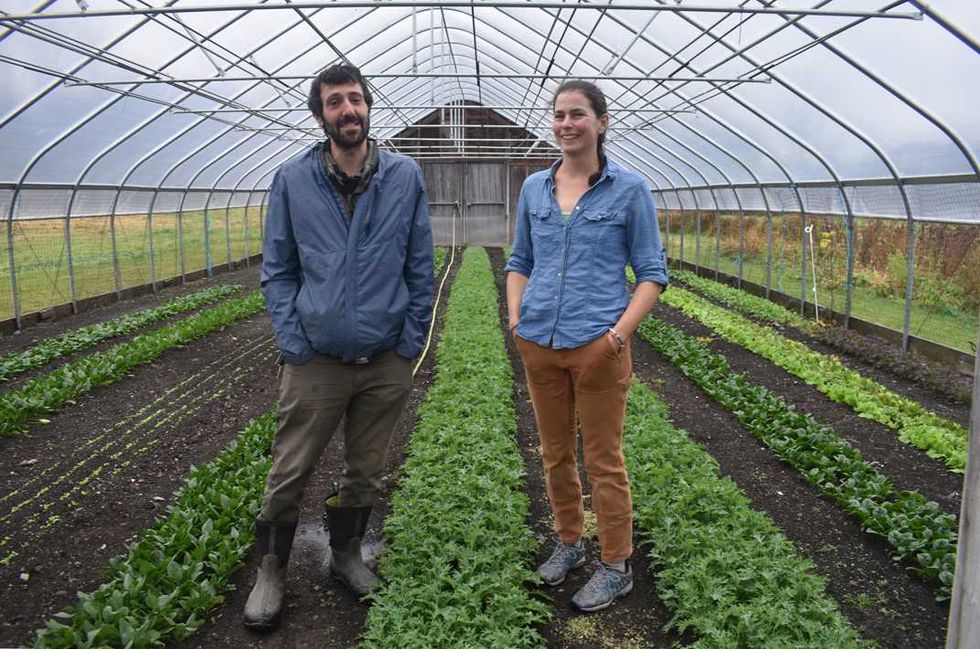
Miriam Goler and Mark Stonehill with their Haflinger horses, Sunshine and Sandy, at Full Circus Farm in Pine Plains.

L. Tomaino
We share this farm with such amazing human and nonhuman neighbors.
— Mark Stonehill

For Mark Stonehill and Miriam Stonehill Goler, the founder of Full Circus Farm in Pine Plains, farming has always been about more than what comes out of the ground.

“From the very beginning, we’ve envisioned the farm as a place not only for food production, but also merriment and community,” they said.

Keep ReadingShow less
At Ancram Center, community takes center stage
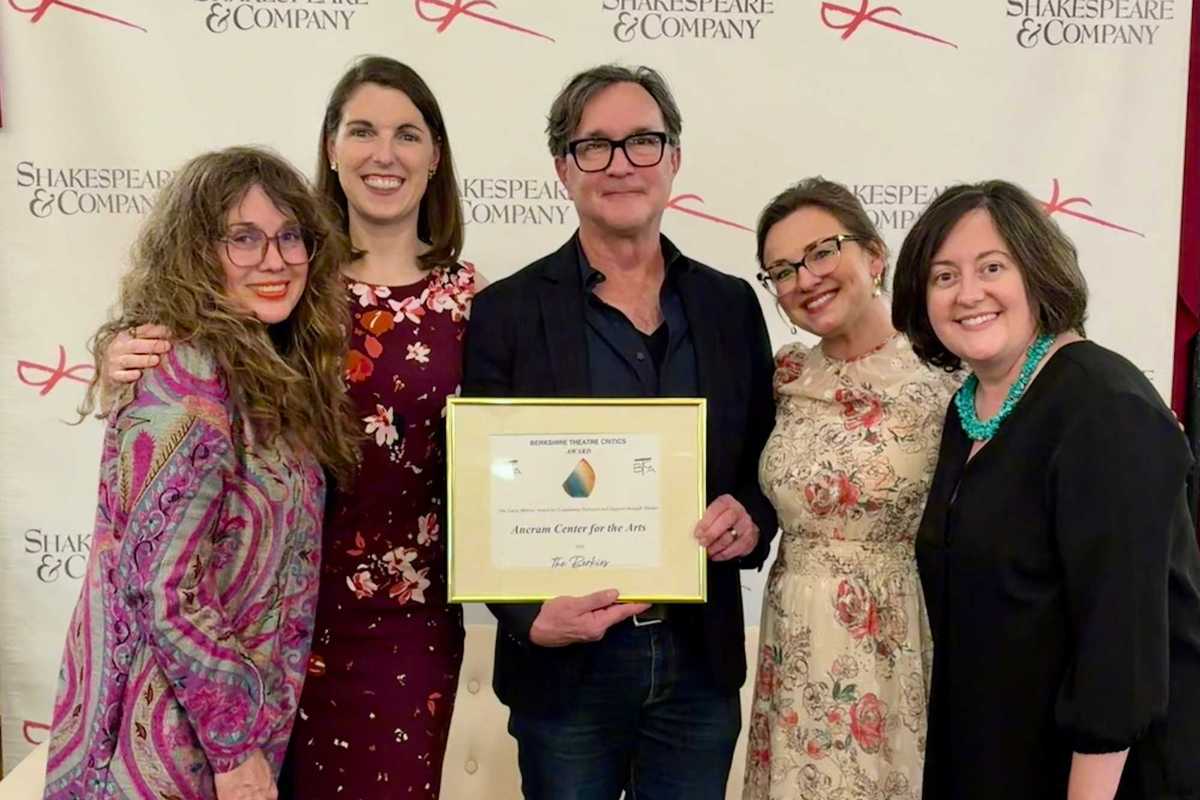
Ancram Center staff and teaching artists after the ceremony.From left to right,Simone Stevens, Sarah Katan, Jeffrey Mousseau, Erin Krom and Chris McCoy.
Provided

At the Ancram Center for the Arts, the stage has been host to numerous award winning professional actors, but it also often belongs to a neighbor with a story to tell. Other times, the performance moves out of the theater altogether, transforming a pond, a field or a corner of town into a stage.

That commitment to bringing theater into the community — and the community into the theater — has earned the Ancram Center the Larry Murray Award for Community Outreach and Support through Theater, one of the Berkshire Theatre Critics Association’s annual Berkie Awards.

Keep ReadingShow less
google preferred source

Want more of our stories on Google? Click here to make us a Preferred Source.

The Cornwall Whale resurfaces in West Cornwall

The Cornwall Whale is the brain-child of visual and experiential designer Lindsay Stadig.

D.H. Callahan

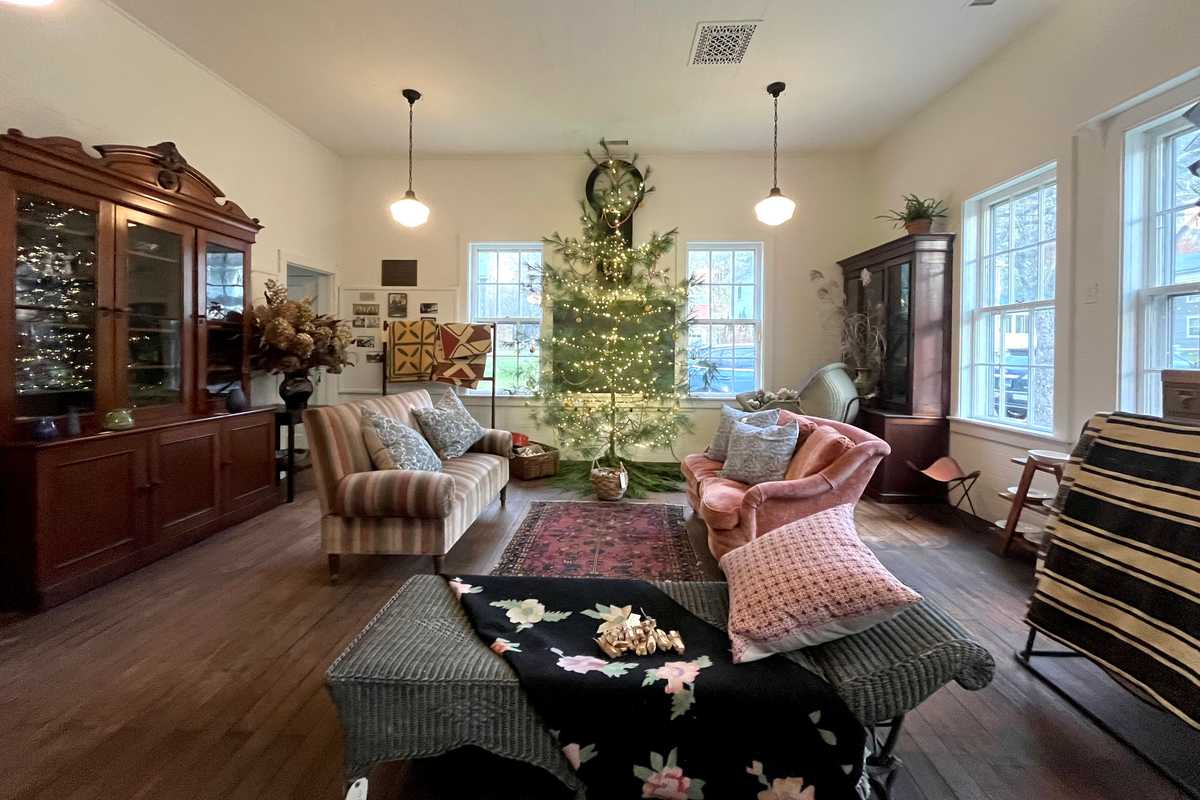
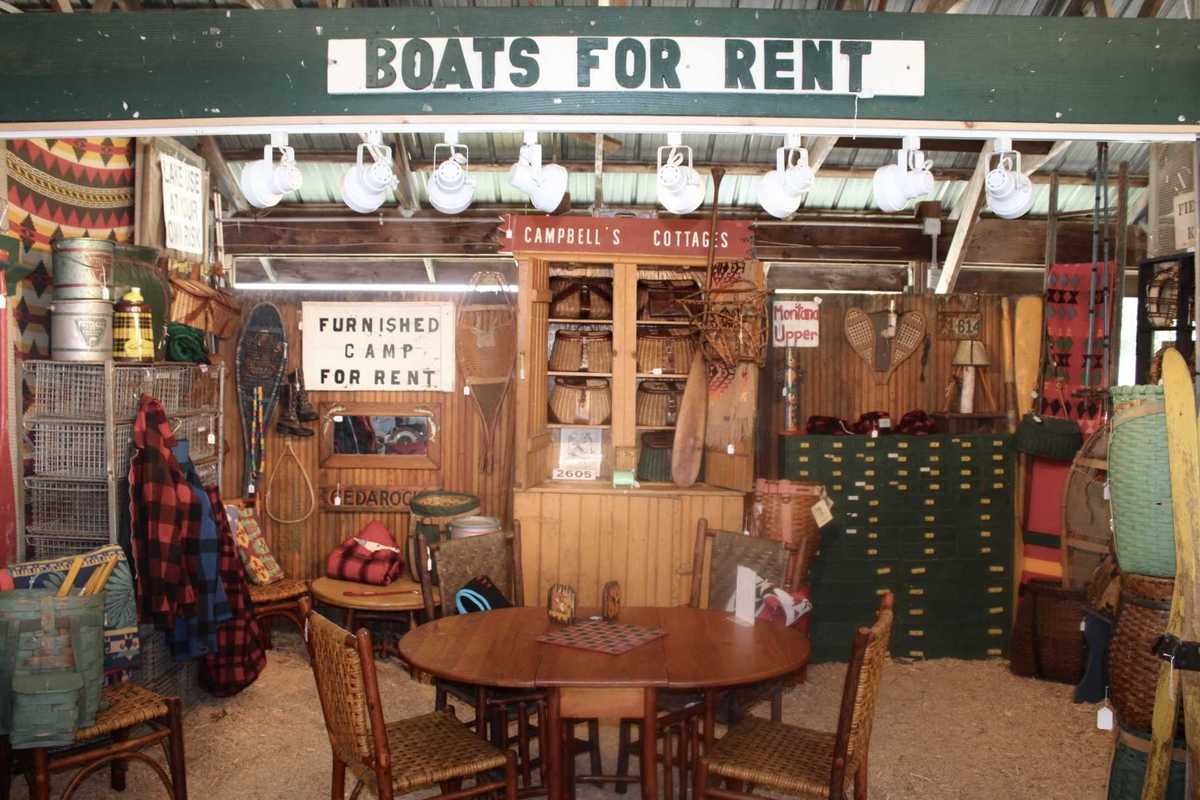
There’s something oddly familiar yet intangibly foreign about the Cornwall Whale. It’s not an interiors store, even though there are chairs and furnishings for sale. It’s not an art gallery, though there are paintings and sculptures occupying every corner of the space. It’s not a boutique, even with locally handmade shoes and carefully selected garments. No, The Cornwall Whale is something truly unique in the world of the truly unique.

The enigmatic shop popped up in the early winter of 2025 at the Hughes Memorial Library, right on the bank of the Housatonic River in West Cornwall. It is the brain-child of visual and experiential designer Lindsay Stadig.

Keep ReadingShow less

Social justice songwriting fall retreat

Social justice songwriting fall retreat

Singer, songwriter and activist Taína Asili leads a social justice songwriting retreat Nov. 20-23 at Soul Fire Farm in Petersburgh, N.Y.

Provided

Music has long been a powerful tool for protest, solidarity and social change. From civil rights anthems to contemporary songs of resistance, songwriting has helped give voice to movements and inspire collective action. Singer, composer and activist Taína Asili will explore that tradition during a four-day Social Justice Songwriting Retreat, Nov. 20 to 23, at Soul Fire Farm in Petersburgh, New York.

The retreat comes amid a renewed interest in collective singing as a form of activism. Organizations such as Singing Resistance are bringing people together across the country to use songs as tools for solidarity, nonviolent resistance and community building. The movement draws on the long history of music in social justice struggles, emphasizing the power of singing together to overcome fear, strengthen connections and inspire collective action.

Keep ReadingShow less
Where Calvin, Hobbes and Rockwell meet

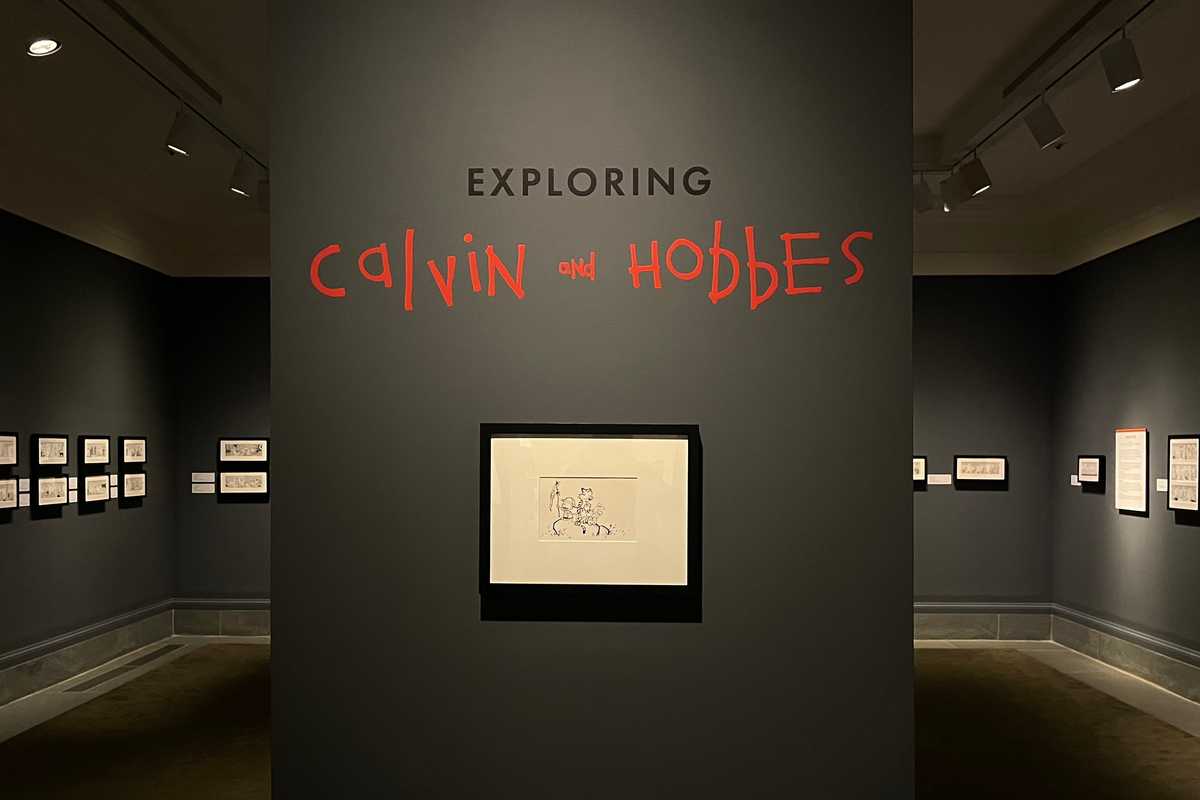
Original “Calvin and Hobbes” comic strips by Bill Watterson are on view alongside works by Norman Rockwell in “Exploring Calvin and Hobbes” at the Norman Rockwell Museum. Stockbridge. The exhibition runs through May 31, 2027.

D.H. Callahan

Two distinctive approaches to American life and storytelling come together in a new exhibition at the Norman Rockwell Museum in Stockbridge, Massachusetts. Opening Saturday, Nov. 14, the exhibition brings the imaginative world of Bill Watterson’s “Calvin and Hobbes” into conversation with the familiar scenes of everyday life captured by Norman Rockwell. Though separated by generations and working in different mediums, both artists found humor, humanity and complexity in the seemingly ordinary.

Norman Rockwell skyrocketed to popularity when he started painting the covers for the Saturday Evening Post, a magazine with a history spanning more than two centuries.Its last print edition ran this past September, transitioning the publication to an online-only format. From 1897 until 1963, it published a new issue every week. Over that time, it published writings by literary legends like F. Scott Fitzgerald, Kurt Vonnegut, Agatha Christie, William Faulkner, Edgar Allan Poe, Louis L’Amour, John Steinbeck and Lenox, Massachusetts resident Edith Wharton, and featured comics by “Peanuts” creator Charles M. Schultz. In 1916, the magazine first featured one of Rockwell’s illustrations. He was just 22 years old.

Keep ReadingShow less
google preferred source

Want more of our stories on Google? Click here to make us a Preferred Source.

google preferred source

Want more of our stories on Google? Click here to make us a Preferred Source.