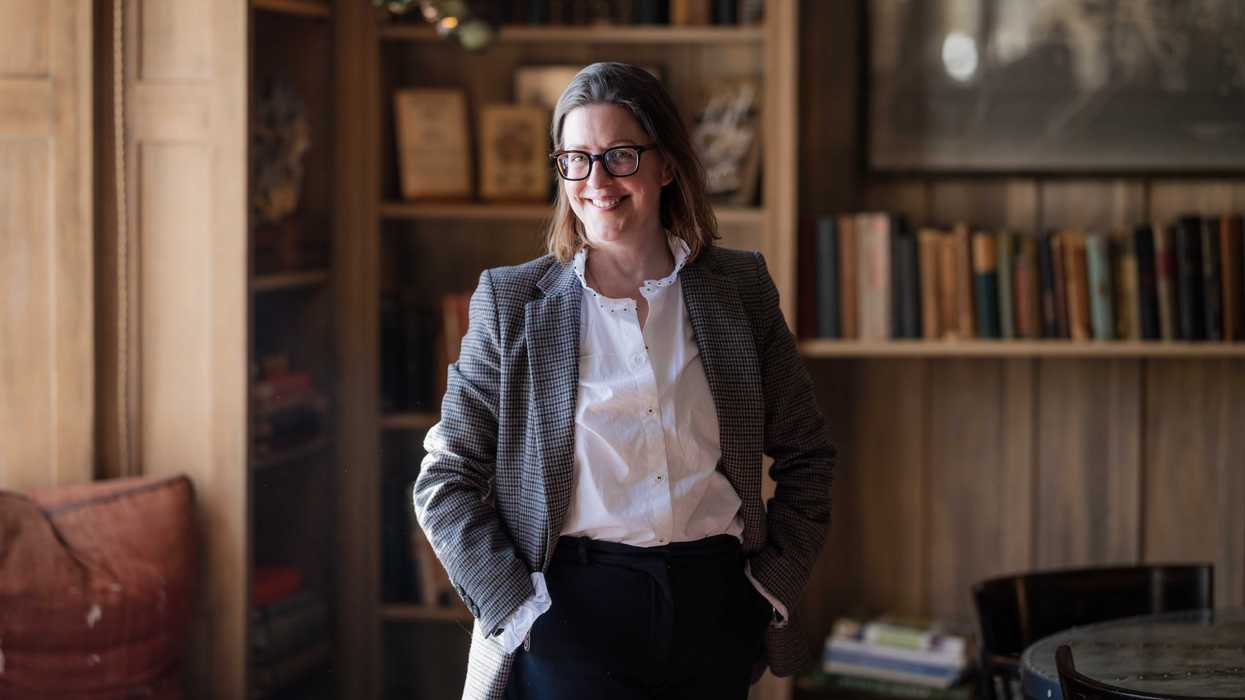
Francesca Donner pours a cup of tea in the cozy library of Troutbeck’s Manor House in Amenia, likely a habit she picked up during her formative years in the United Kingdom. Flanked by old books and a roaring fire, Donner feels at home in the quiet room, where she spends much of her time working as founder, editor and CEO of The Persistent, a journalism platform created to amplify women’s voices.
Although her parents are American and she spent her earliest years in New York City and Litchfield County — even attending Washington Montessori School as a preschooler — Donner moved to England at around five years old and completed most of her education there. Her accent still bears the imprint of what she describes as a traditional English schooling.
Today, she and her family call Sharon, Connecticut, home. While she still travels frequently to Manhattan, she embraces the contrast between city and countryside.
“For me, it’s all about the contrast,” she said, adding that she is friendly and curious about people here in a way that doesn’t feel natural in the city. “I want to know who you are, what you do, and why you’re here. You end up meeting these really interesting people.”
As a longtime editor in newsrooms like The Wall Street Journal, The New York Times and Forbes, Donner said she began to notice something unsettling about how stories were framed, and whose voices were missing.
“It’s just the way news is done,” she said. “It’s the DNA of what we deem newsworthy and important in mainstream media.”
The problem, she explained, isn’t that women aren’t covered at all. It’s that when women are covered, it’s often in a stereotyped way. Women are frequently framed through familiar narratives – the gender pay gap, unpaid labor, caregiving – important issues that persist, she said, but are often treated as repetitive or secondary. Meanwhile, the stories deemed front-page worthy tend to revolve around power, economics, war and politics — and men.
“If we don’t make a deliberate effort to cover women, women won’t be covered,” Donner said.
The issue isn’t unique to any outlet, she stressed. “It’s just the way news is done.”
But that DNA — who gets quoted and whose experiences are centered — has consequences.
And for Donner, that realization demanded a response.
Enter The Persistent.
Founded in 2024, The Persistent was built around what Donner calls a simple but deliberate premise.
“Women don’t get covered in the same way men get covered,” she said.
The goal isn’t to exclude men or create a siloed “women’s section.” Instead, Donner said, it’s about correcting an imbalance by putting women at the center of the story.
Describing the approach as a reframe, this means expanding who is quoted as an expert. It means spotlighting women in business, politics, culture and global affairs. It also means examining major news stories through a lens that mainstream outlets often overlook.
“What we can add,” she said of The Persistent, “is perspective.”
Now approaching its second year — a milestone that will be celebrated next month — the publication operates with an all-women team of writers, editors and illustrators based across the world. The team meets regularly over Google Meet.
“They’re awesome,” Donner said of the editorial meetings. Some of her staff are mothers, some are not. All bring lived experiences to the table. Donner has intentionally created a newsroom culture that balances rigor with support.
“If your writing doesn’t measure up, I’m going to tell you,” she said plainly. “But it’s not a battle. It’s a partnership.”
Beyond publishing stories that matter, Donner wants contributors to be seen.
“I don’t just want people to read the story and forget who wrote it,” she said. “We can do a lot better if we amplify each other.”
As a woman, Donner rejects the idea that success is finite. She wants everyone to have a slice of the pie.
“Just make the pie bigger,” she said. “Bring more seats to the table. Make it richer.”
Donner credits her “mum” for articulating what would become her professional identity.
“You are what you can’t help doing,” her mother used to say.
Today, without hesitation, Donner said she can’t help being an editor.“My identity as an editor is very strong,” she said. Editing, she explained, is less about correcting typos and more about building and shaping ideas.
“Sometimes I imagine this physical movement of cracking something open,” she gestured.
That instinct traces back to childhood. She recalls sitting in a classroom around age 10, listening to a classmate read a short story aloud. For Donner, that moment crystallized something fundamental.
“Someone else’s words made me just sit up straight in my chair and think, wow, that is so good.”
Today, whether she’s in a historic manor house in Amenia or on a Google Meet with her team across the globe, that instinct remains the same: crack the story open, elevate the unheard voice and reframe the narrative.

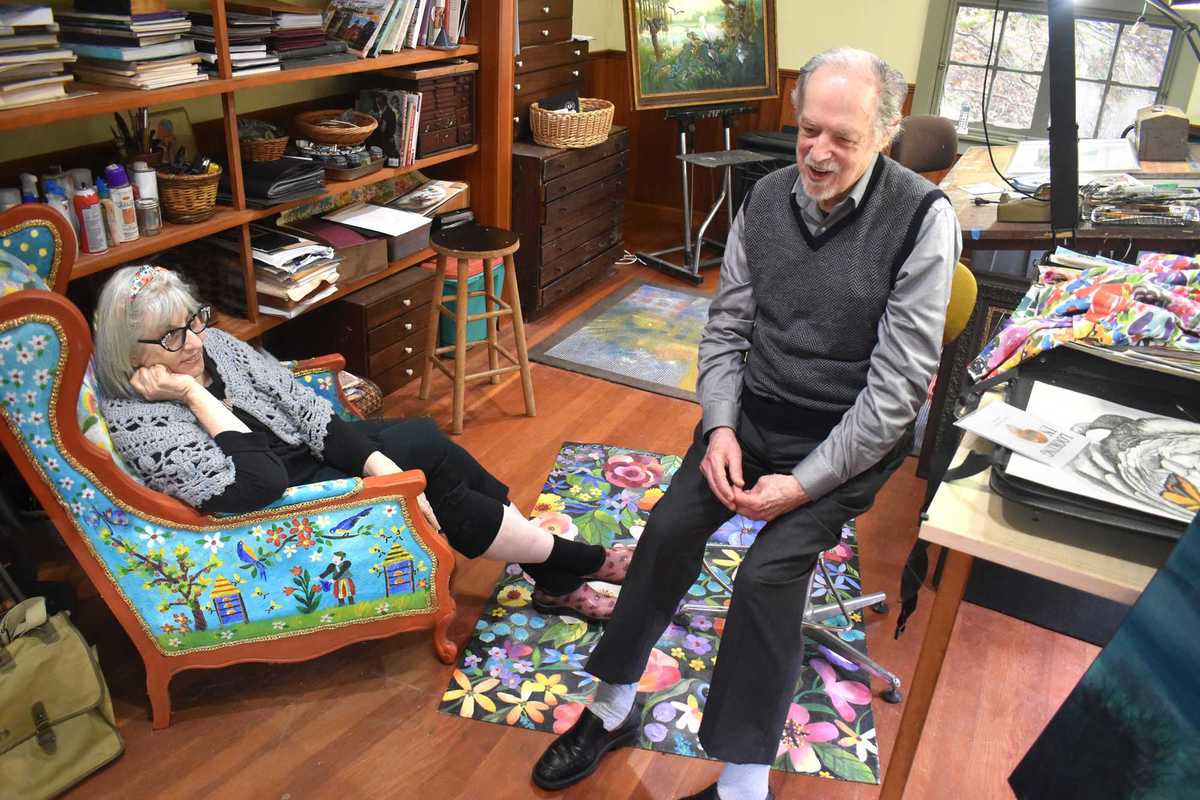
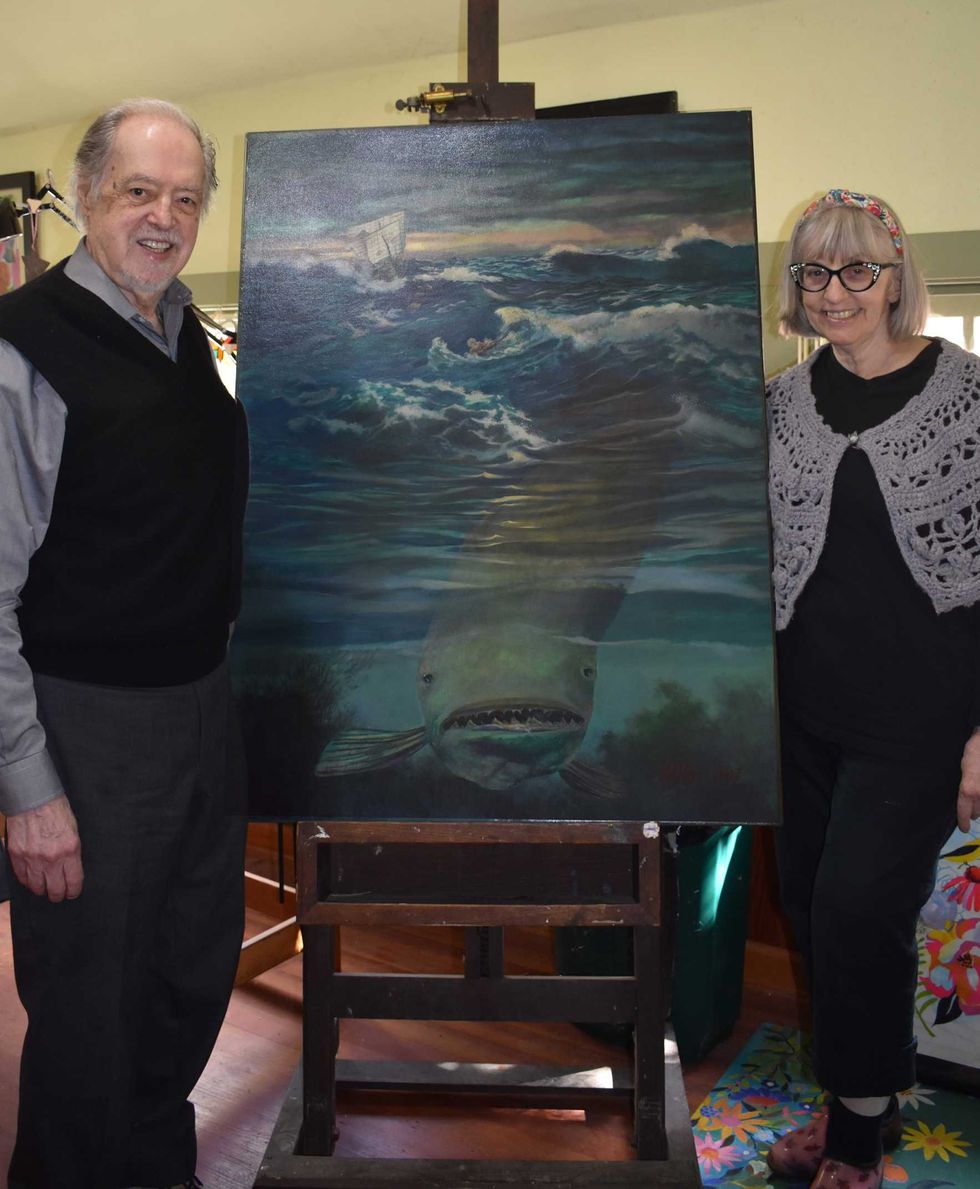 Justine and Victor Valla in their studio with a painting of Victor’s,”Jonah and the Whale.” Robin Roraback
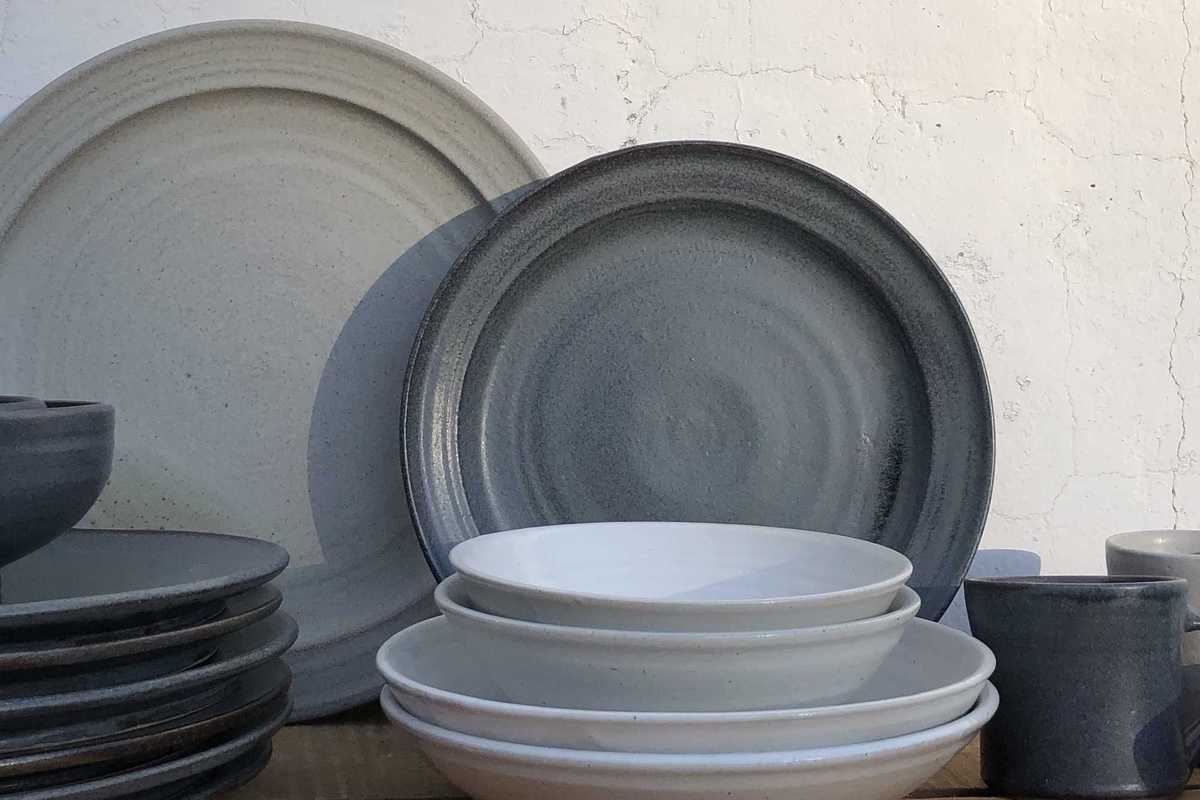
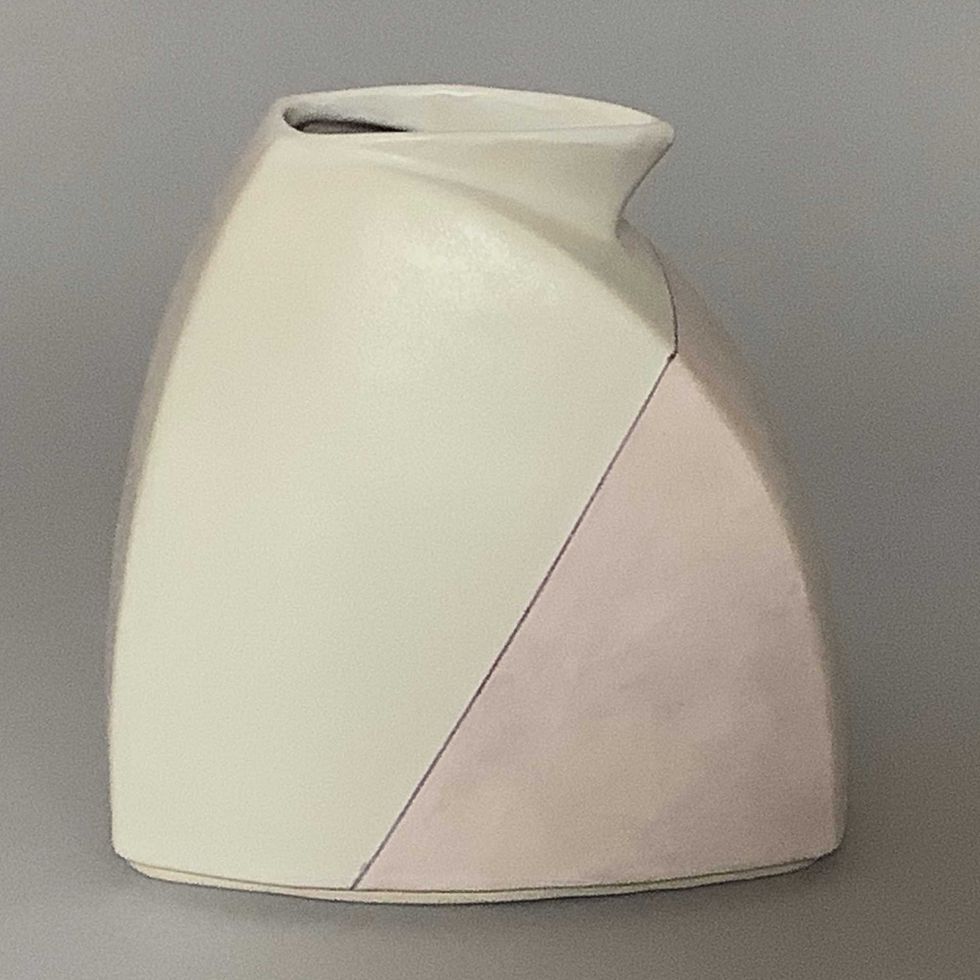 A ceramic vase by Kathleen Heidemann.Provided
 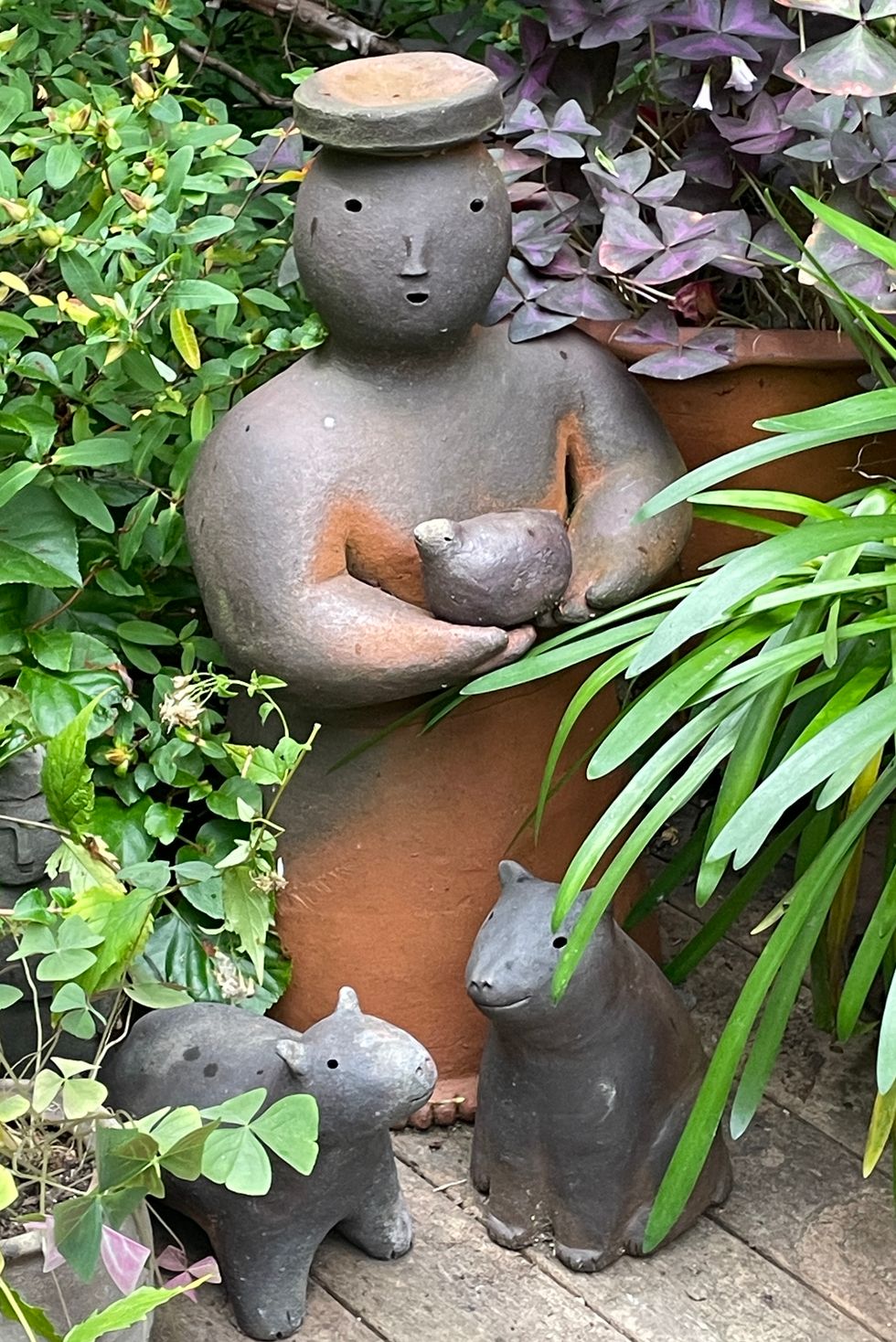 Joy Brown’s delightful ceramic sculptures.Provided