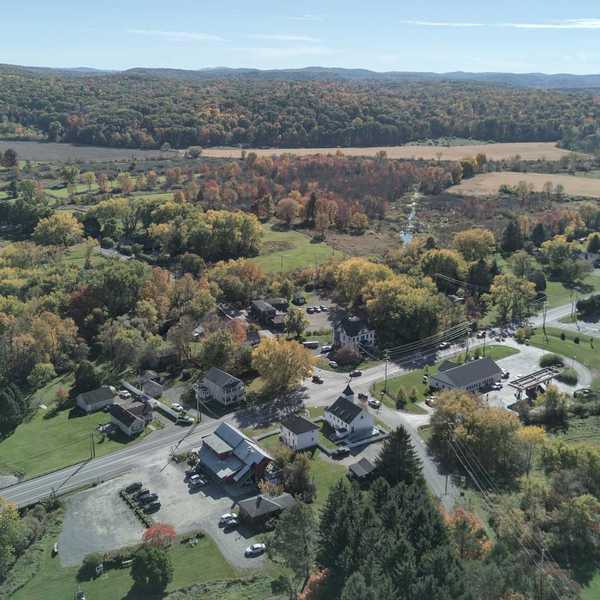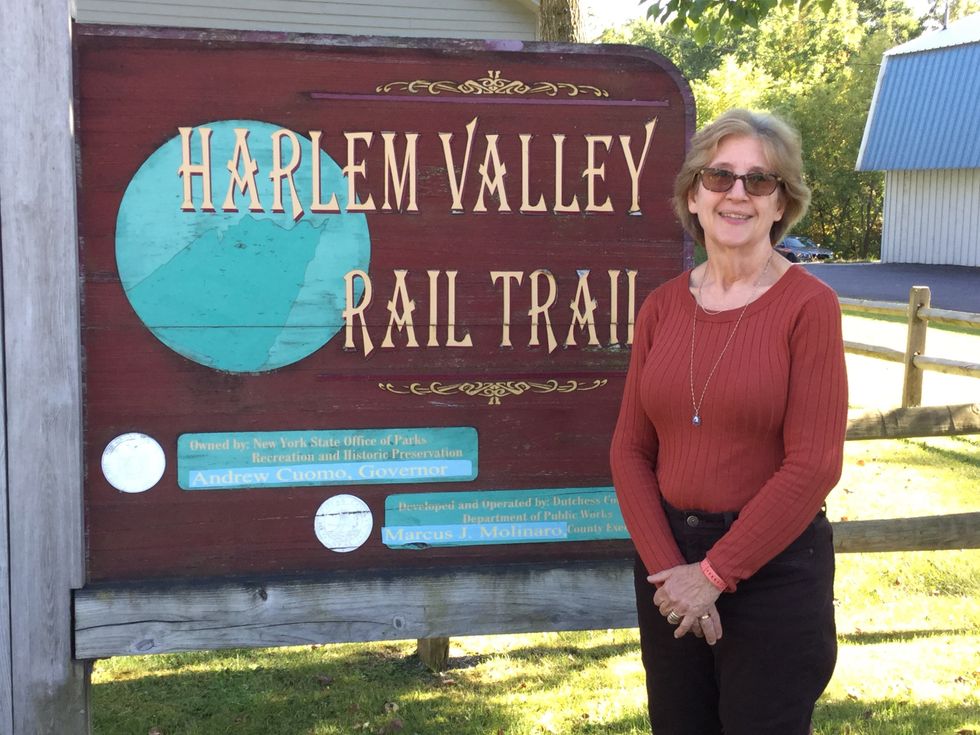
MILLERTON — These days, the gym is off limit, thanks to the coronavirus pandemic that’s sweeping the globe. But there is something local residents can do who are eager to get some exercise: head outdoors. With 140,000 visitors expected again during the coming year, seasoned athletes and weekend warriors can walk, run, bike or even spend a few quiet moments contemplating nature on the Harlem Valley Rail Trail. Lisa DeLeeuw, the Rail Trail’s executive director, will be beside them every inch of the way — at least in spirit.
Starting her work after her daughter, one of the first interns for the Harlem Valley Rail Trail Association (HVRTA) in the early 2000s, piqued her interest, the Colorado State/SUNY Delhi biology and microbiology major said, “the thing that keeps me going from day to day is seeing how much people love the trail. That’s why I do this.”
Also the town clerk and tax collector for Gallatin, DeLeeuw, who shuns the spotlight, is typically in the HVRTA office three days a week, though with the COVID-19 health crisis that’s changed a bit. However, she notes, technology keeps her connected to this “labor of love,” so she is constantly “doing whatever needs to be done when it needs to be done.”
Dick Hermans, Rail Trail Association chairman, says that she is central to the organization’s functioning, managing everything from maintenance to procuring grants.
DeLeeuw demurs that she is not a “grant writer” who could solicit for any cause, but that she has been successful in her requests for the Rail Trail because, “I live the project. And I think that comes out in my writing — the passion of the project.”
In addition to receiving support from the county for the Dutchess portion of the trail, she said, “We’ve been very, very fortunate to have gotten a tremendous amount of grant money. We live and die on grant money and the generosity of our membership. That’s where all our funds come from.”
Hermans added that DeLeeuw’s talent on paper and in management is bolstered by her “friendliness and her outgoingness with people who might contact the Association, which has resulted in benefits way beyond what you might expect.”
He cites a major contribution that came from a man who left his house to the HVRTA simply because she had made time to connect with him when he often called just to chat.
DeLeeuw was quick to note, however, that she took the time to speak to the elderly man simply because “I always make time, because sometimes there just needs to be a connection... a voice on the other side of the phone. I just didn’t know there would be something at the end,” in this case a house, which sold in a bidding war and which, in turn, financed a good piece of construction on the Copake section of the trail.
That urge to connect extends to all aspects of the Rail Trail, including the benches along the way. DeLeeuw emphasized that it can be emotional.
“Those benches are all very special… are all touching someone’s heart, and I deal with all of the people that have given them.” One honors a deceased fiancée and “looks to the view she saw from her window as she was passing. There are two which we call the lovers’ benches. The woman gave a bench for her husband — just when it was put up she passed away, so then he donated one for her across from his.”
DeLeeuw noted whether remembering someone’s mother or a dog at its favorite spot, “They all have a story and they all are very symbolic of people who feel they have a part and a small ownership of the trail, just as do we all who have any connection. It feels like we all own it.”
Emphasizing that sense among 700 Association members, she points to the late founder, Elinor Mettler, and a Lin-Manuel Miranda quote, which will be placed in a Copake garden in her honor: “A legacy is planting seeds in a garden you will never see.”
Dutchess County Communications Director Colleen Pillus advised trail users to observe social distancing of at least 6 feet while keeping active.
The trail can be used year-round. Check with www.hvrt.org for more information.


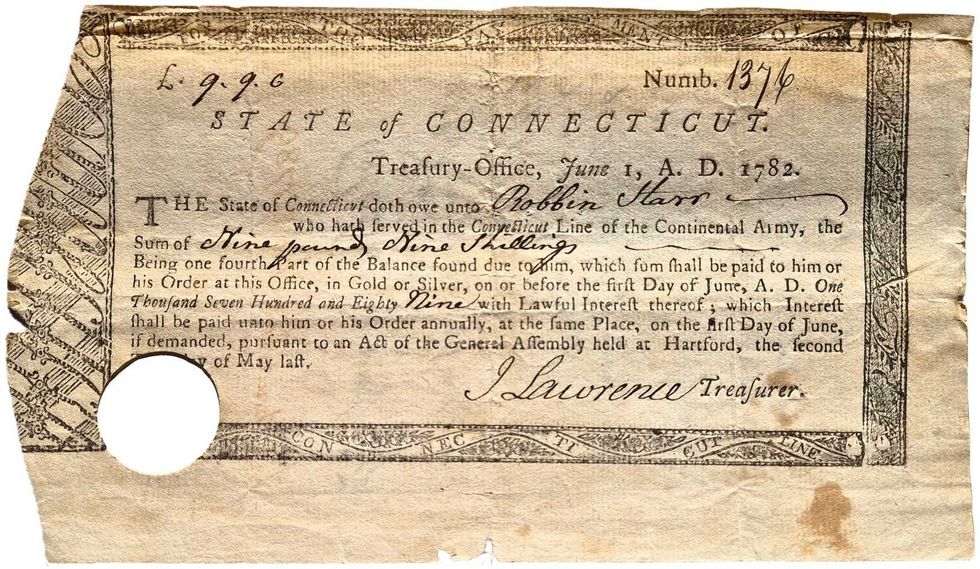 Pay Bill for Robin Starr’s service in the Continental Army.Courtesy the Alex Breanne Corporation
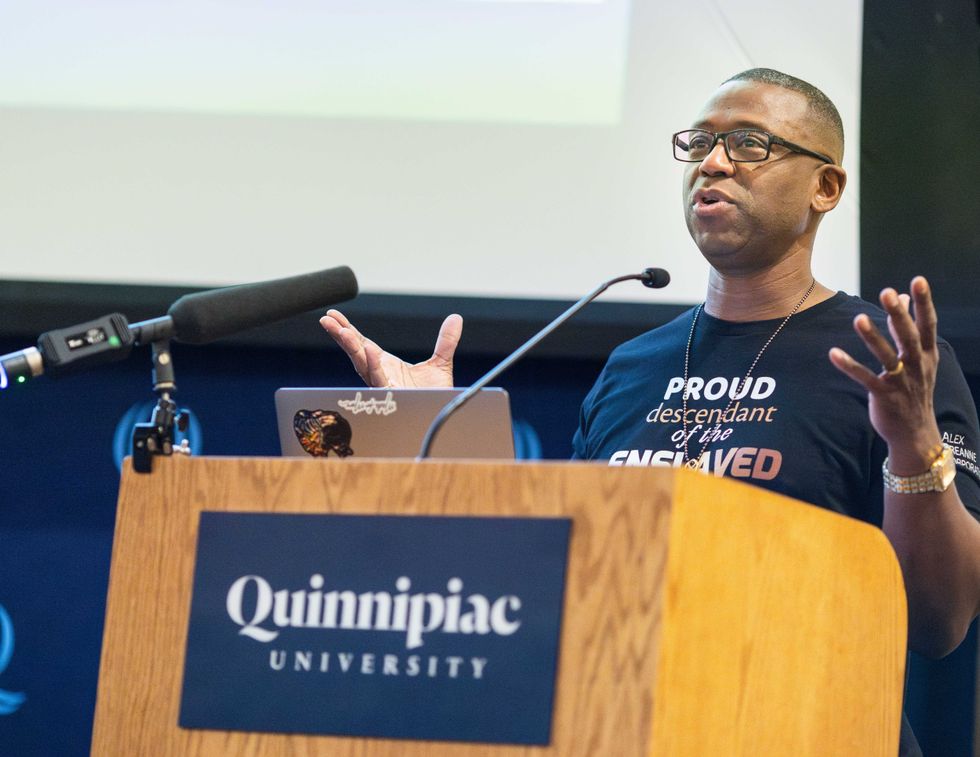 John Mills speaking at Quinnipiac University.Courtesy the Alex Breanne Corporation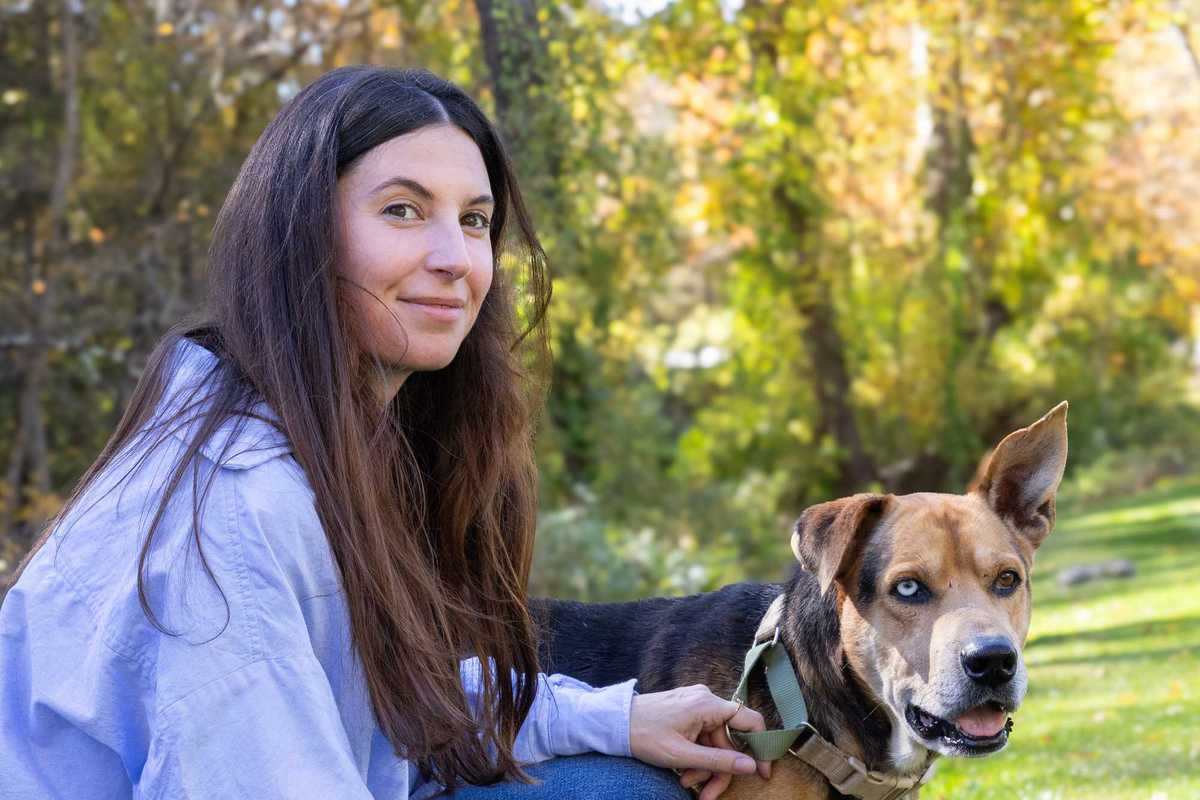
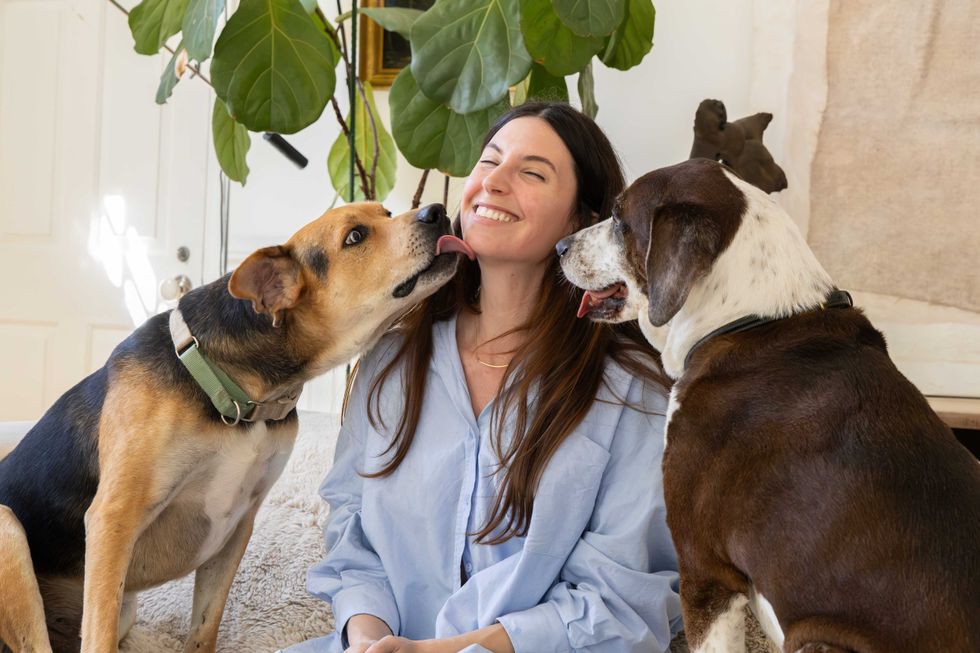 Stephanie Saetta,with her rescue dog George and Blue (left), a shepherd mix awaiting his forever home.Madi Long