Plan to snowmobile this winter? Here’s how to stay safe

Plan to snowmobile this winter? Here’s how to stay safe
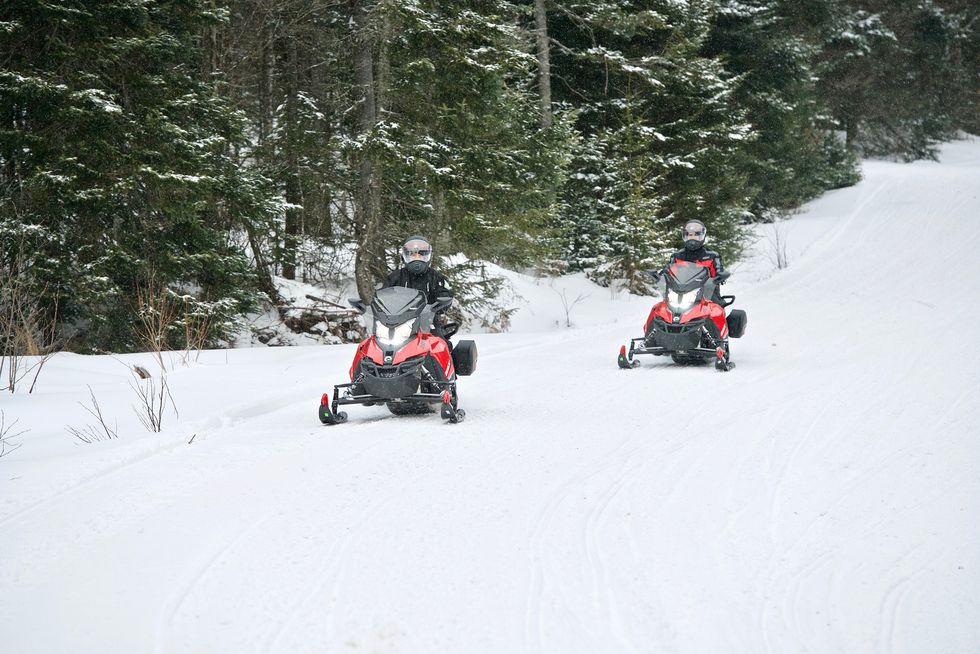
New York State officials are urging snowmobilers to ride responsibly and keep safety and COVID-19 guidelines in mind when they hit the trails this winter. Photo courtesy of the New York State Snowmobile Association ​
NEW YORK STATE — Even with COVID-19 restrictions making outings difficult, New Yorkers are still managing to enjoy some socially distant wintertime sports, from skating and skiing to snowmobiling. Anticipating an increase in snowmobile trail use, New York State officials are urging riders to be responsible and exercise both safety and COVID-19 precautions this winter.

“We encourage snowmobile enthusiasts to take advantage of the beautiful trails in our great state, but we want to make certain the first priority is safety,” said New York State Police Acting Superintendent Kevin Bruen in a press release issued by New York State Parks, Recreation and Historic Preservation Office (NYSPRHPO) in December. “By making responsible and safe choices, New Yorkers can do their part to keep our trails safe and enjoyable for all.”

The season is legally set to begin after the end of the big game hunting season and when snowmobile clubs officially open their trail systems. The opening of the trail systems, he said, depends on land owner permissions, a sufficient trail base and adequate snow coverage, while the end of the big game season, which varies between the state’s southern and northern zones, typically occurs around the third week in December.

That being said, the New York State Snowmobile Association (NYSSA) recently issued a reminder to riders that local trails aren’t considered open until local snowmobiling clubs have inspected and officially declared them open. NYSSA has reminded riders to look for club postings on trail conditions and to exercise caution at the beginning of the snowmobiling season since snow can hide potential hazards, such as mud holes, fallen trees and tree limbs, rocks and unfrozen water holes.

Some safety tips include to always wear helmets when operating  snowmobiles, to remain on the trails and not to operate snowmobiles if impaired. Adding COVID-19 guidance into the mix, riders are required to wear face masks, practice social distancing and follow COVID-19 safety protocols both at the trailheads and during breaks. Other recommendations for safe riding, as issued by NYSPRHPO, include riding responsibly and within one’s abilities; operating the snowmobile at a speed that’s designated as safe and prudent for the given conditions; making sure to ride with a friend or at least one other person; staying on marked trails; and wearing the proper snowmobile equipment, such as gloves, boots, jackets and bibs.

Any snowmobiles being operated in New York State must be registered with the New York State Department of Motor Vehicles (DMV) before they can hit the trails; information regarding snowmobile registration can be found online at www.dmv.ny.gov/registration/how-register-snowmobile. Riders must carry registration and proof of insurance when riding; those with a snowmobile safety certificate must have the certificate on them when riding as wellx. A portion of each snowmobile registration goes toward the Snowmobile Trail Development and Maintenance Fund to support more than 10,000 miles of public snowmobile trails in New York State, snowmobile safety education programs and enforcement of state snowmobile laws.

To keep snowmobilers educated on safety protocols, the state is continuing to offer safety courses during the COVID-19 pandemic with limited class sizes under its health department regulations. 

A listing of available courses can be found online at www.parks.ny.gov/recreation/snowmobiles/safety-courses.aspx. Once a course is successfully completed, riders will receive a New York State Snowmobile Safety Certificate. Youth between the ages of 10 and 18 are required to have this certificate in order to operate a snowmobile, though all riders can benefit from taking the course.

For more information about snowmobile requirements and snowmobile safety, contact the NYSPRHPO at 518-474-0446 or go to www.parks.ny.gov/recreation/snowmobiles.


Latest News

Where the mat meets the market

Where the mat meets the market
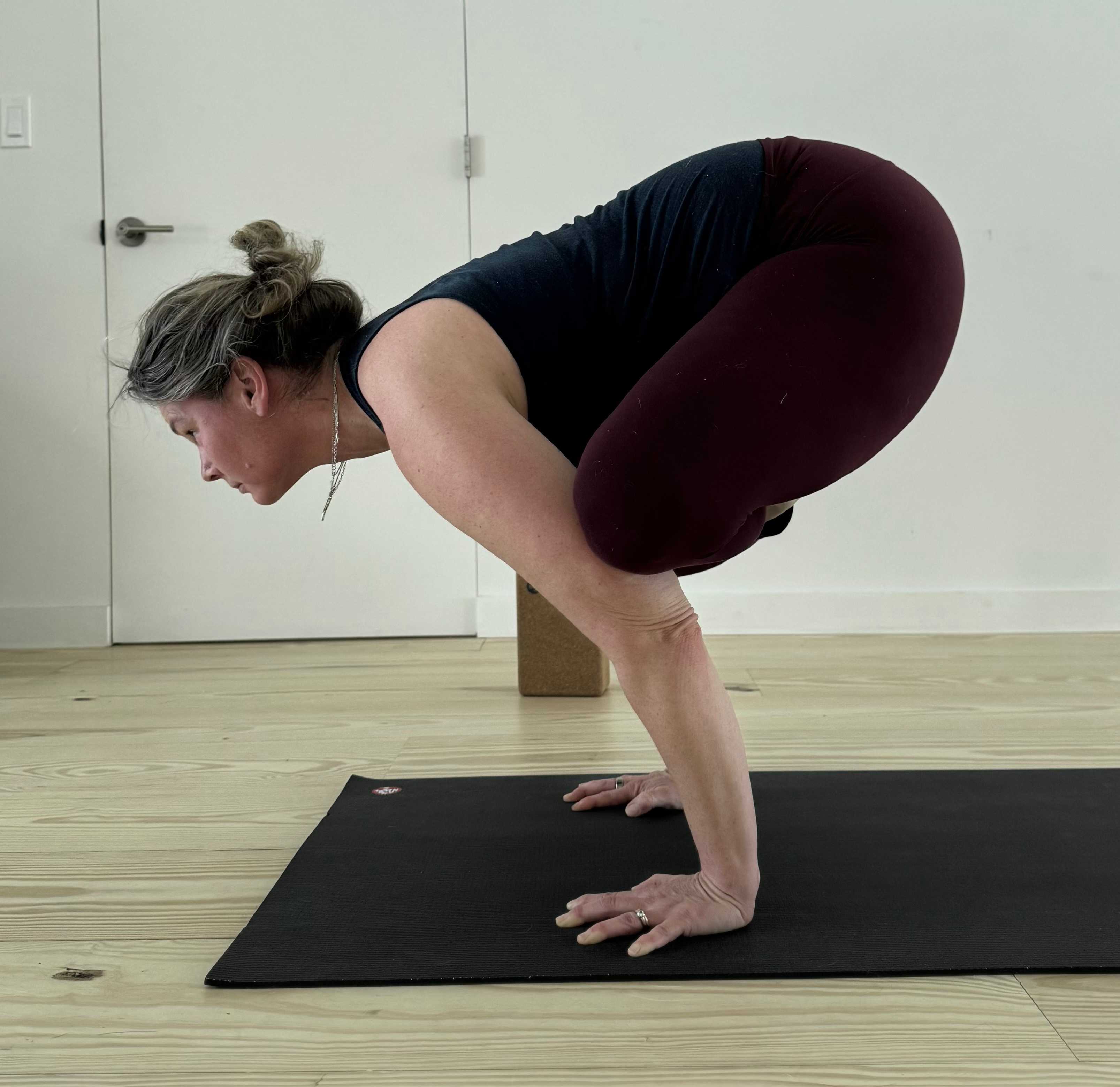
Kathy Reisfeld
Elena Spellman

In a barn on Maple Avenue in Great Barrington, Kathy Reisfeld merges two unlikely worlds: wealth management and yoga, teaching clients and students alike how stability — financial and emotional — comes from practice.

Her life sits at an intersection many assume can’t exist: high finance and yoga. One world is often reduced to greed, the other to “woo-woo” stretching. Yet in conversation, she makes both feel grounded, less like opposites and more like two languages describing the same human need for stability.

Keep ReadingShow less
google preferred source

Want more of our stories on Google? Click here to make us a Preferred Source.

To mow or not to mow?

To mow or not to mow?

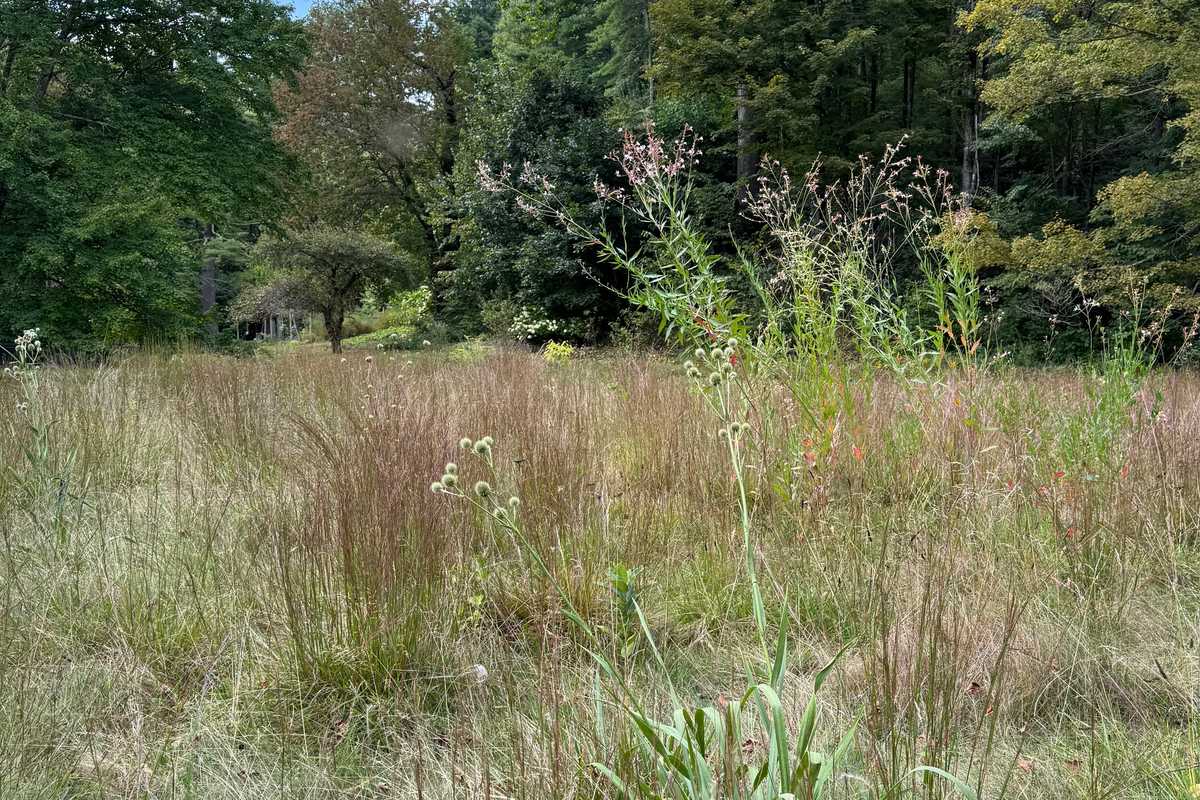
A partially mowed meadow in early spring provides habitat for wildlife while helping to keep invasive plants in check.

Dee Salomon

Love it or hate it, there is no denying the several blankets of snow this winter were beautiful, especially as they visually muffled some of the damage they caused in the first place.There appears to be tree damage — some minor and some major — in many places, and now that we can move around, the pre-spring cleanup begins. Here, a heavy snow buildup on our sun porch roof crashed onto the shrubs below, snapping off branches and cleaving a boxwood in half, flattening it.

The other area that has been flattened by the snow is the meadow, now heading into its fourth year of post-lawn alterations. A short recap on its genesis: I simply stopped mowing a half-acre of lawn, planted some flowering plants, spread little bluestem seeds and, far less simply, obsessively pluck out invasive plants such as sheep sorrel and stilt grass. And while it’s not exactly enchanting, it is flourishing, so much so that I cannot bring myself to mow.

Keep ReadingShow less
Capitol hosts first-ever staging of Civil War love story

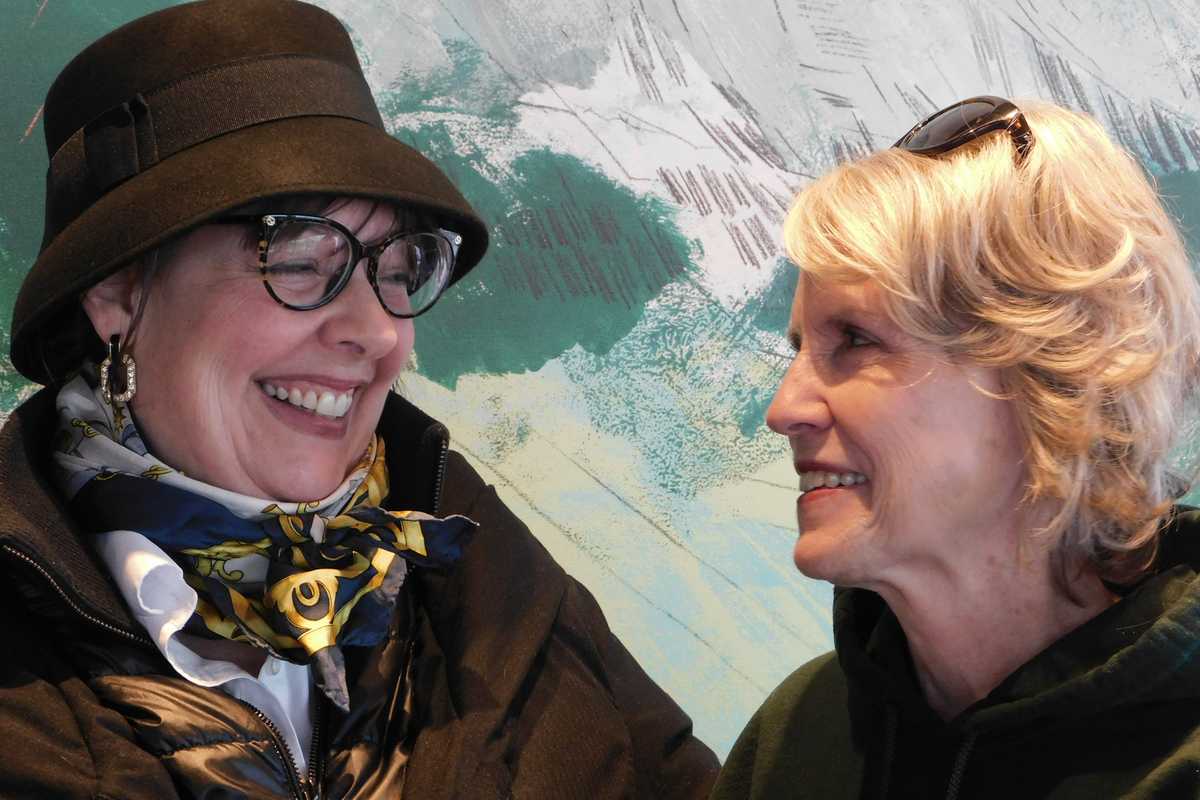
Playwright Cinzi Lavin, left, poses with Kathleen Kelly, director of ‘A Goodnight Kiss.’

Jack Sheedy

Litchfield County playwright Cinzi Lavin’s “A Goodnight Kiss,” based on letters exchanged between a Civil War soldier and the woman who became his wife, premiered in 2025 to sold-out audiences in Goshen, where the couple once lived. Now the original cast, directed by Goshen resident Kathleen Kelly, will present the play beneath the gold dome of Connecticut’s Capitol in Hartford as part of the state’s America250 commemoration — marking what organizers believe may be the first such performance at the Capitol.

“I don’t believe any live performances of an actual play (at the Capitol) have happened,” said Elizabeth Conroy, administrative assistant at the Office of Legislative Management, who coordinates Capitol events.

Keep ReadingShow less
Hunt Library launches VideoWall for filmmakers

Yonah Sadeh, Falls Village filmmaker and curator of David M. Hunt Library’s new VideoWall.

Robin Roraback

The David M. Hunt Library in Falls Village, known for promoting local artists with its ArtWall, is debuting a new feature showcasing filmmakers. The VideoWall will premiere Saturday, March 28, at 6 p.m. with a screening of two short films by Brooklyn-based documentary filmmaker and animator Imogen Pranger.

The VideoWall is the idea of Falls Village filmmaker Yonah Sadeh, who also serves as curator. “I would love the VideoWall to become a place that showcases the work of local filmmakers, and I hope that other creatives in the area will submit their work to be shown,” he said.

Keep ReadingShow less
google preferred source

Want more of our stories on Google? Click here to make us a Preferred Source.

google preferred source

Want more of our stories on Google? Click here to make us a Preferred Source.