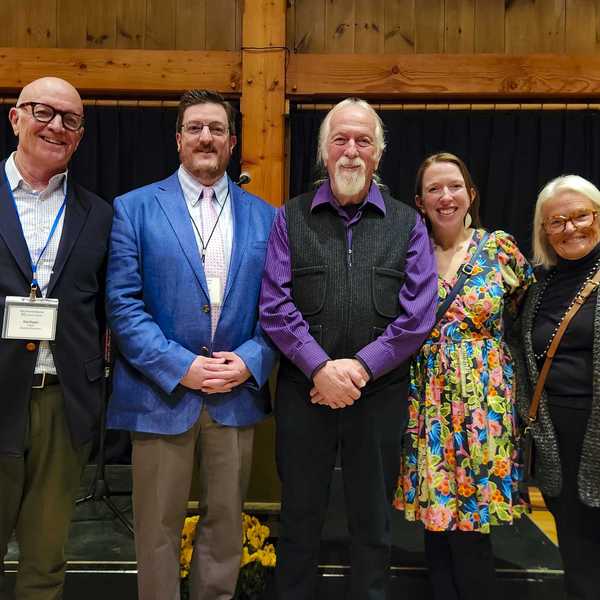
HARLEM VALLEY — With all the strains and sorrows the COVID-19 pandemic has placed on the country’s shoulders these last few months, the Appalachian Trail Conservancy (ATC) was heartened by the perseverance and adaptability of small businesses in these trying times. To shed a light on the creative ways small businesses have used to stay open, the ATC invited four businesses to share their stories for the webinar, “Plan and Adapt: Stories of Resilience from AT Communities” on Wednesday, Aug. 12.
The webinar was held on Zoom, and participants asked questions via a chat box. ATC Education and Outreach Coordinator Kathryn Herndon-Powell acknowledged how most of the small business had to “make some very sad choices” this spring and ask hikers to stay away from the Appalachian Trail (AT) for a period of time due to safety concerns, along with asking long-distance hikers to postpone their hikes. ATC conducted a survey this past spring to determined how it had been impacted and to see how it could help.
“As we were doing that, we found the COVID-19 pandemic was having a major impact,” Herndon-Powell said, “but we also started to hear these really great stories of ways that businesses and communities were adapting… so we thought we’d try to collect a few of those stories and share them with you and hopefully spark some ideas and inspiration sharing among communities.”
Leading the webinar’s featured speakers was Kayla Carter, the outdoor development manager of the North East Tennessee Regional Economic Partnership. Delivering an overview of the outdoor development programs, she shared that they would normally be in the throes of planning their annual Meet the Mountains festival if not for the pandemic. However, Carter said they decided to pivot and create an opportunity to engage with folks who wanted to still celebrate the AT in their community. As an example, she talked about the new revenue series, “We Are the AT: The At-Home Hiking Series,” and talked about how they enjoyed the process of networking with those who love the trail.
Using their “Appalachian Trail Tennessee Podcast” as another example of the organization’s outreach and strategic planning efforts during a difficult time, Carter said, “We’re always trying to come up with ways that we can create evergreen content that can be out there and continue to tell our story about how much the trail is a big part of our story here in this region.”
Speaking as the tourism marketing director for Giles County, Va., Cora Gnegy talked about some of the activities happening along the trail in southwest Virginia, highlighting the creation of a Giles County gift card program to stabilize income and cash flow for small businesses in the community and the small business plan competition “Jumpstart Giles” to encourage small businesses to locate within the county’s borders.
In light of how COVID-19 presented a unique situation for Devils Backbone Brewery in Charlottesville, Va., Elizabeth Tual, the brewery’s corporate social responsibility manager, discussed the workplace policies and procedures the brewery has implemented and how the brewery’s operations have been recreated to keep everyone as safe as possible. She also talked about the brewery’s work in creating the Give Back Pack program to create boxed meals for people in the community and commended the 230 hours the brewery’s employees have collectively volunteered since March as a way to give back to their community partners.
A local AT connection
As director of education and outreach for the local Harlem Valley Homestead in nearby Wingdale, Alanna Burns shared its plans to grow its agricultural production to support its mission to connect guests with the educational experience of living in connection with the land. Despite these challenging and confusing times, she said Harlem Valley Homestead has been fortunate in seeing a growing interest in local products. Along with moving its farm stand online, she talked about Harlem Valley Homestead’s efforts to offer discounts on farm products to any community members in need of support.
Likening the AT to an anchor, Burns said, “We really see the trail as the backbone that helps such a rich diversity of people in the region and it’s so much of why people love living and working here.”
Once all of the speakers had spoken, the webinar opened up for questions from its audience.






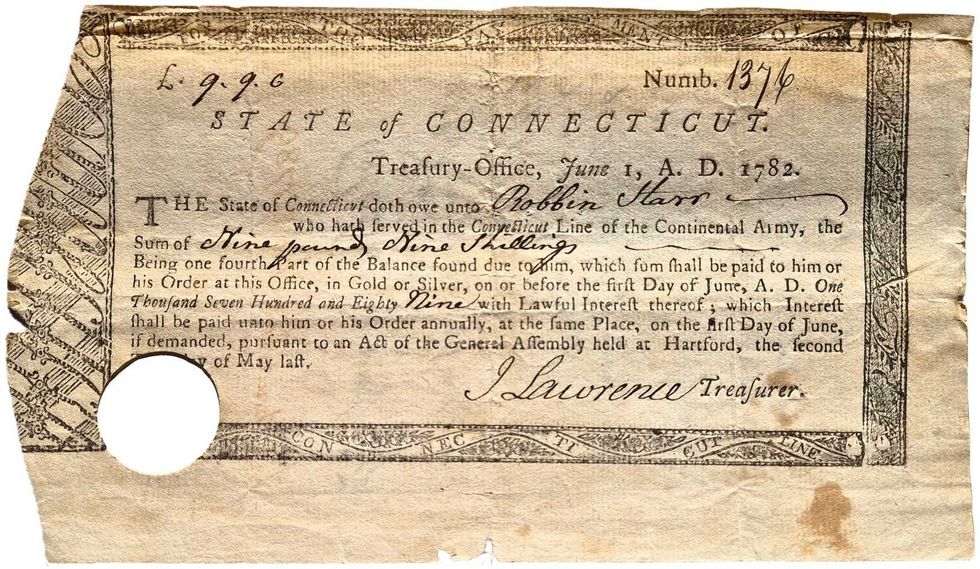 Pay Bill for Robin Starr’s service in the Continental Army.Courtesy the Alex Breanne Corporation
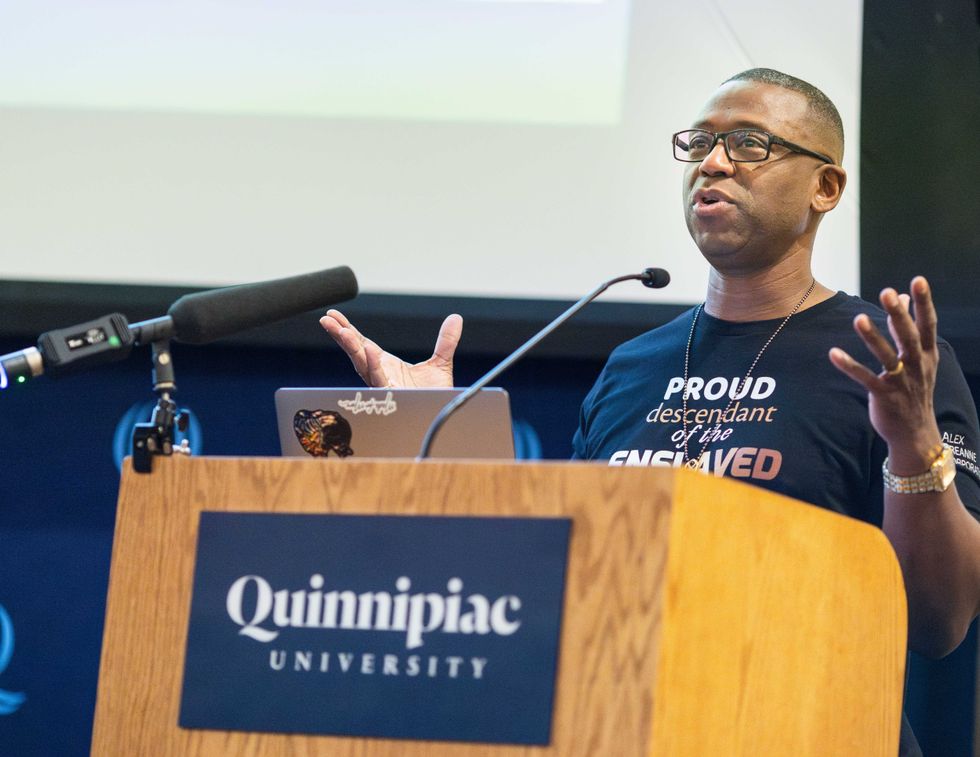 John Mills speaking at Quinnipiac University.Courtesy the Alex Breanne Corporation

 Stephanie Saetta,with her rescue dog George and Blue (left), a shepherd mix awaiting his forever home.Madi Long