Creativity takes shape at Roe Jan Library’s Matisse workshop

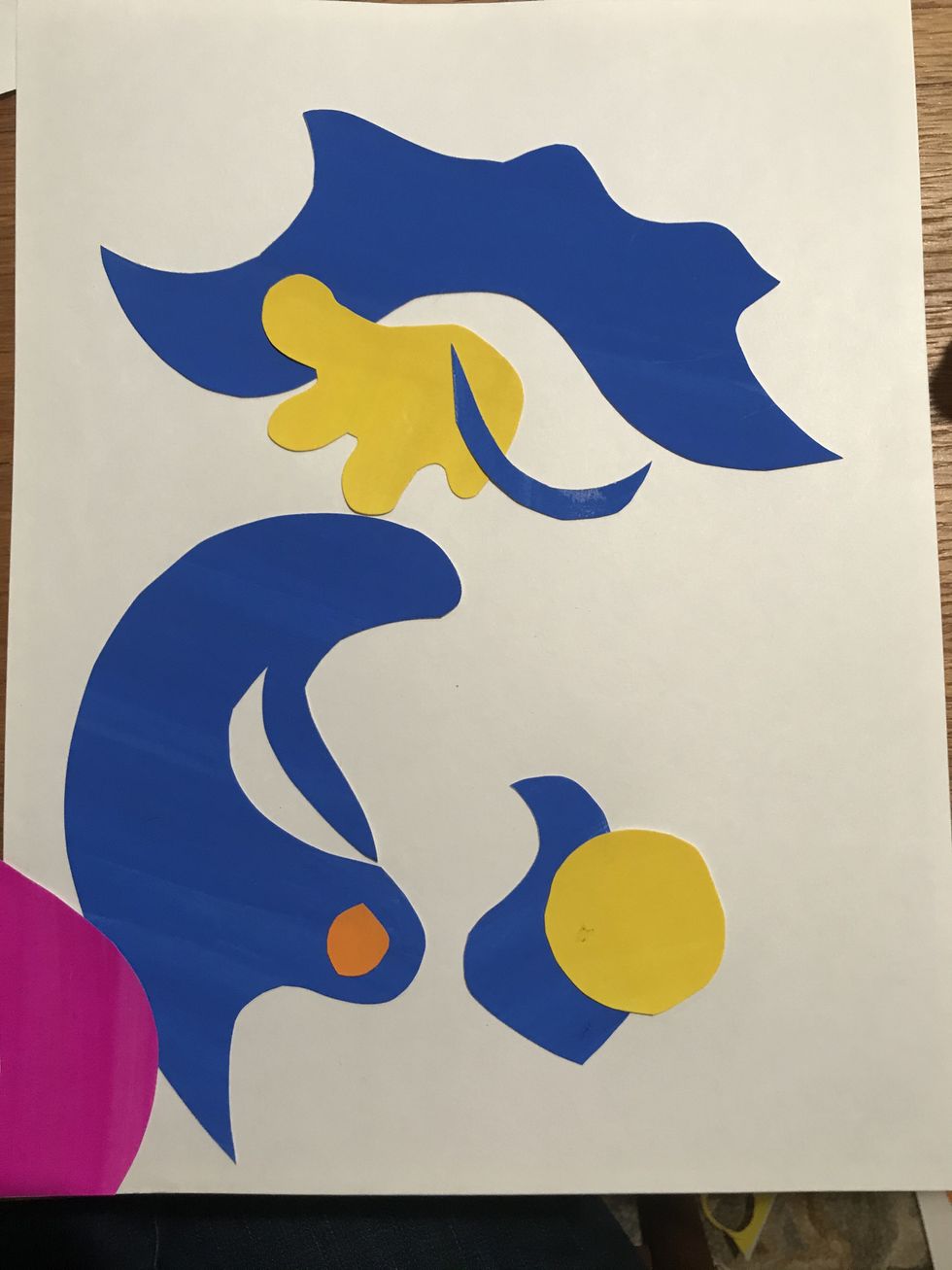
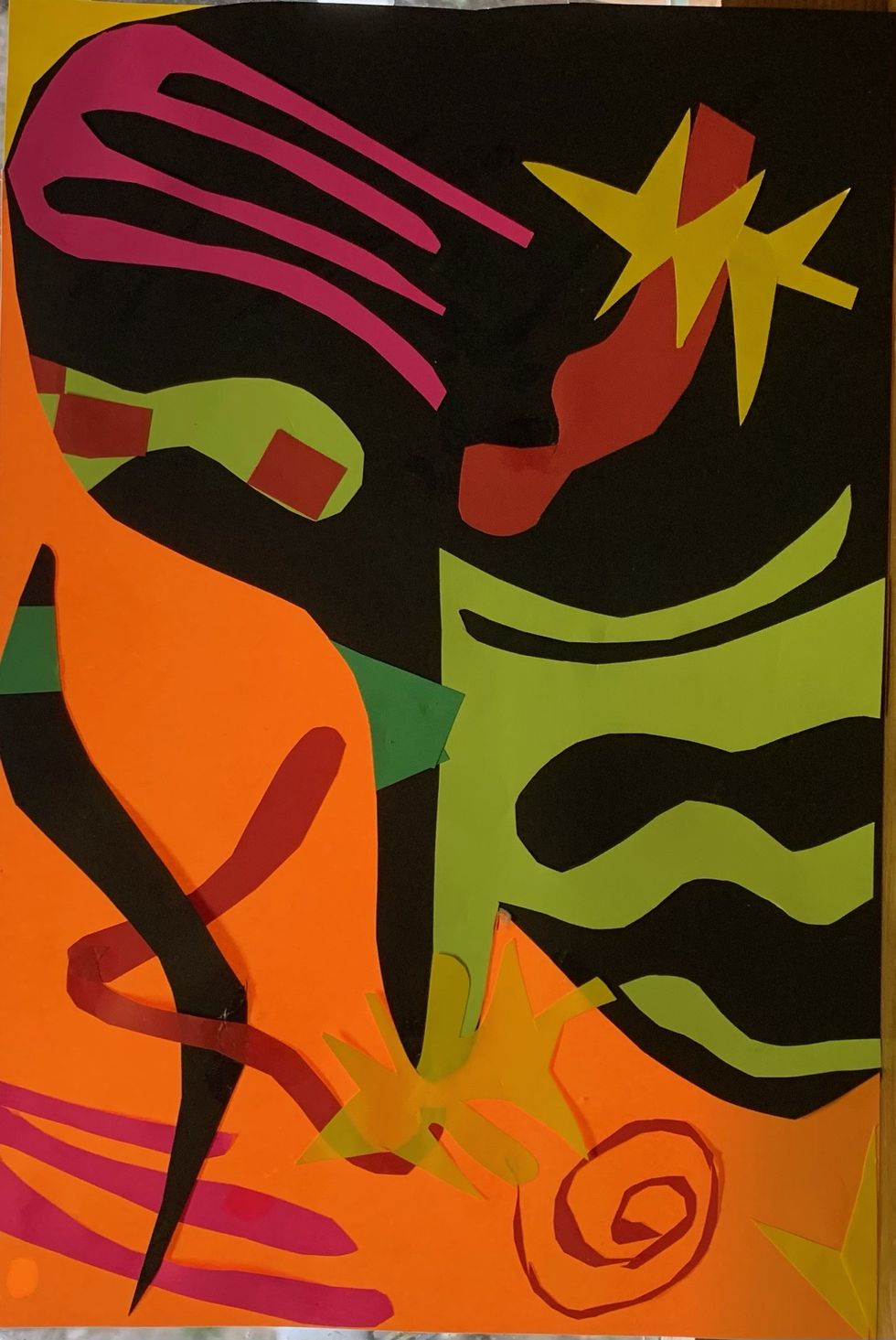
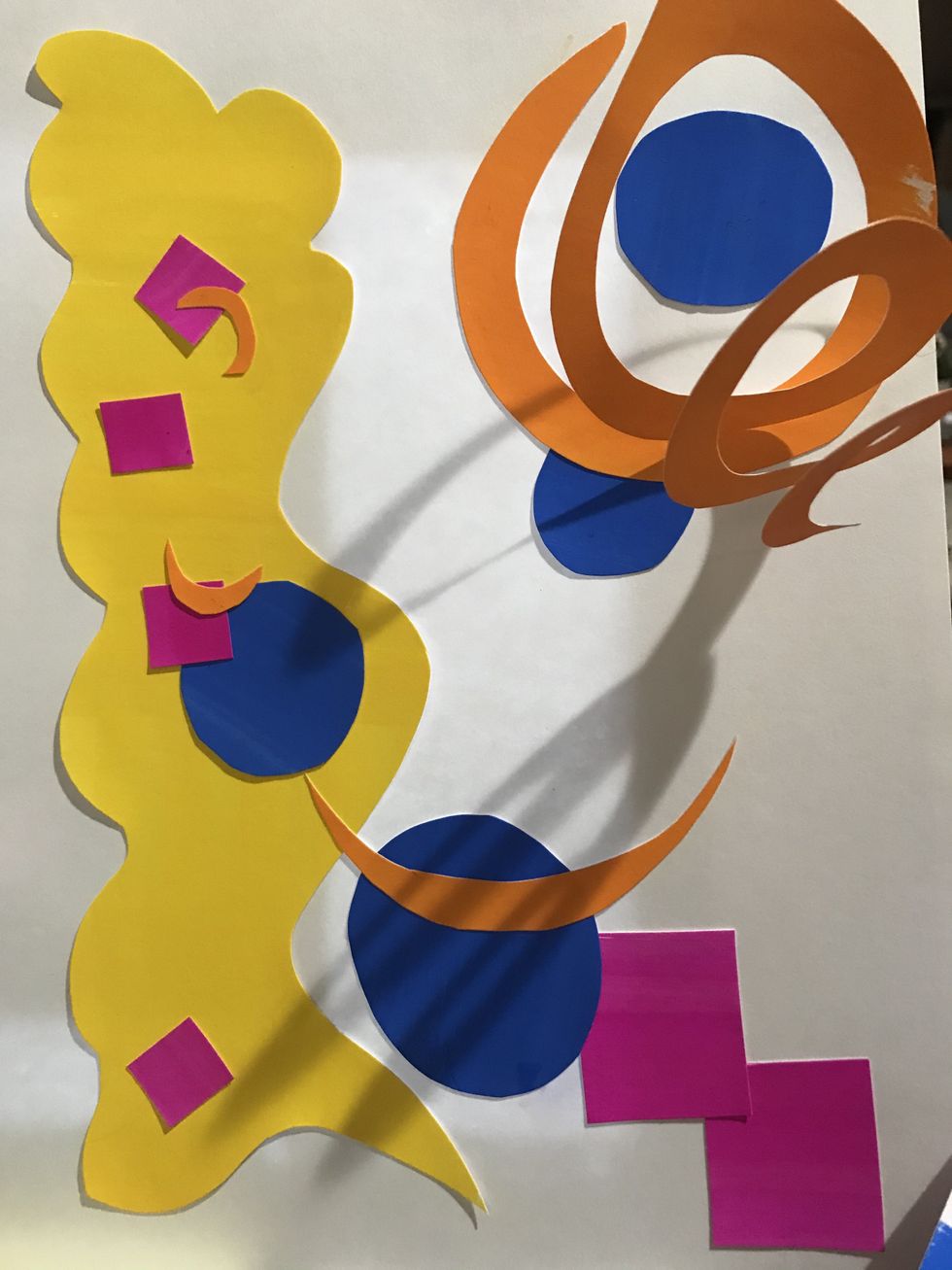
COPAKE — Looking to artist Henri Matisse and his work creating cut-out designs, local residents were inspired to let their inner artist free by imitating Matisse’s style at the Roeliff Jansen Community Library’s Matisse and His Cut-Outs workshop on Thursday, March 25, at 7 p.m.

Gathering for the workshop over Zoom, Roeliff Jansen Community Library Children’s and Youth Services Associate Tia Maggio opened a PowerPoint presentation to talk about the life of the late artist.

Taking a walk back in time, Maggio shared stories from Matisse’s life, starting his work with cut-outs. Following an operation for stomach cancer, she said Matisse was no longer able to stand at an easel to paint. However, he forged a new way of drawing directly with color from his bed or wheelchair by cutting out shapes from paper to create designs, a process he called “painting with scissors.”

Going back to the very beginning, Maggio said Matisse was born in the north of France on New Year’s Eve 1869. His parents owned a shop similar to a hardware store that sold grain and paint, and while Matisse often worked at the shop after school, Maggio said he didn’t like it and didn’t want to take over the business. 

After attending law school in Paris and easily passing his exams, Matisse worked at a local law office, though he found the work boring. At age 20, Matisse suffered an acute attack of appendicitis, and in the year it took for him to recover, his mother gave him a box of paints and a book of landscapes, a gift that ultimately changed the course of his life.

Calling it a light bulb moment for the artist, Maggio said Matisse felt “transported into a kind of paradise” when he started to paint. He attended art school in Paris at Académie Julian, but found himself restricted by the school’s traditional techniques. He was encouraged by his fellow students to seek out Gustave Moreau, a painter and teacher who encouraged individuality. In becoming Moreau’s student, Matisse was encouraged to paint outdoors. Maggio projected some of Matisse’s earlier paintings and workshop attendees admired the perspective and precision captured in the artist’s early works.

As Matisse’s artistic career took off, Maggio talked about the steps in his journey, narrating his travels to Corsica and Tunisia and the artists who influenced him, such as Paul Cézanne, whose inexactitude and use of color was admired by Matisse. 

Looking at when he began to “paint with scissors,” Maggio and her audience mused over their impressions of the artist’s installments and their distinct attributes, admiring the size of his work and the materials used to create the designs.

Moving into a hands-on activity, Maggio presented a couple of designs and shapes to inspire those at the workshop. One person suggested using warm or cool colors when cutting out shapes, using the color wheel Maggio provided as a visual for possible color combinations. 

While they worked, Maggio admired the color selections and let her students focus on creating their own “Matisses.” As they began crafting shapes and choosing unique color combinations, some asked questions about Matisse’s materials and techniques to expand their knowledge of the artist and to fuel their inspiration.

Images of the evening’s final creations can be viewed online at www.roejanlibrary.org.
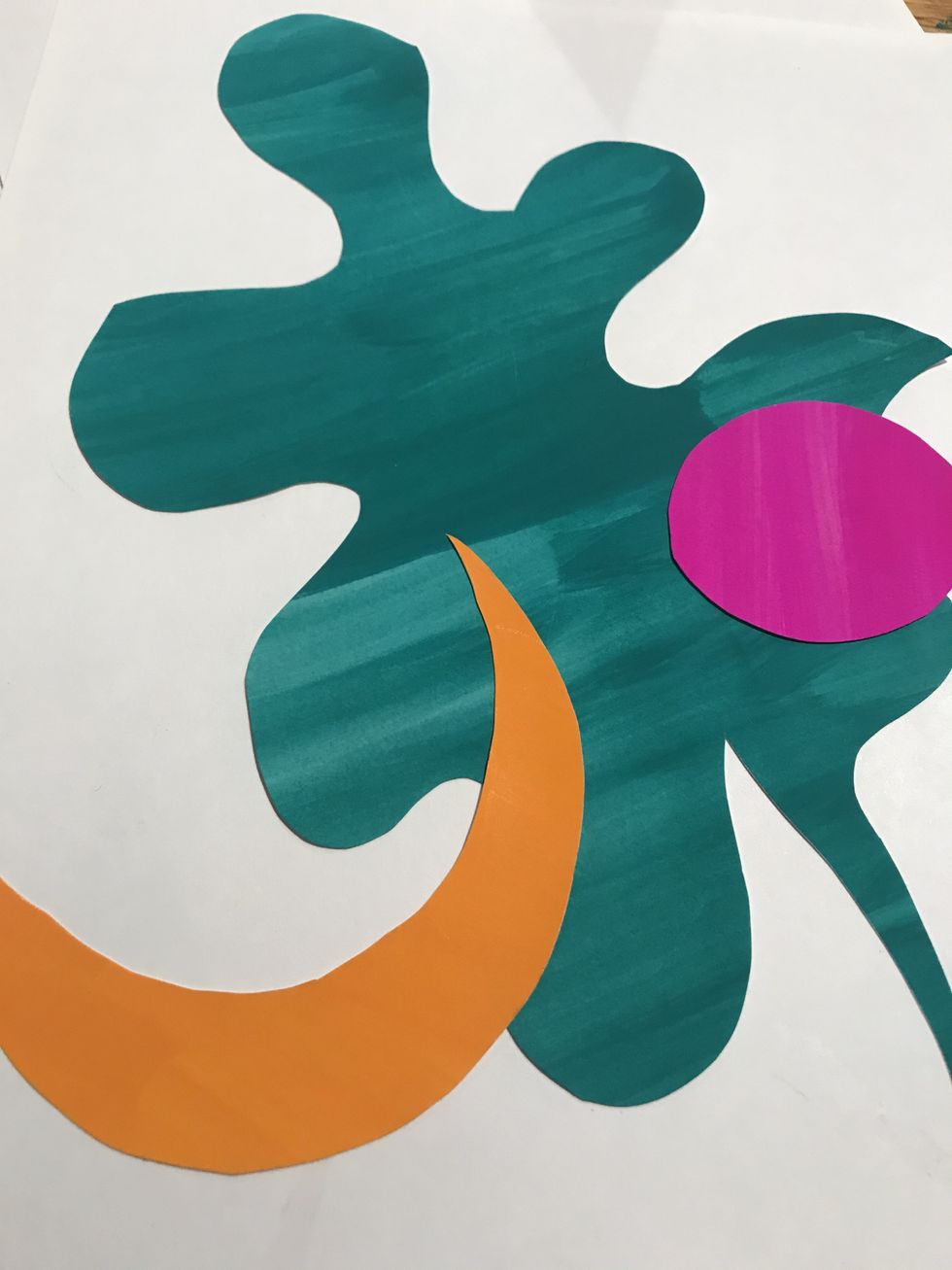
Inspired by Matisse’s influence on the art world, those who participated in the Roeliff Jansen Community Library’s Matisse and His Cut-Outs workshop in March were encouraged to create their own cut-out collages in the artist’s style. Photo submitted

Latest News

Officials divided on allowing restaurants along Route 22

The Irondale district, currently known as Highway Business District III, is comprised of just six parcels along Route 22 that are currently occupied by light industrial businesses.

Photo by Nathan Miller

MILLERTON — Though the Irondale District lies just outside of the Village of Millerton, it has become the center of a divisive conversation as the Town of North East continues to review a significant overhaul of its commercial zoning code.

Irondale, officially known as the Highway Business district under current town code, is a small stretch along Route 22 south of the village that some officials and residents believe could support additional businesses, while others argue development there could undermine efforts to boost Millerton’s existing downtown.

Keep ReadingShow less
Robin Wall Kimmerer urges gratitude, reciprocity in talk at Cary Institute

Robin Wall Kimmerer inspired the audience with her grassroots initiative “Plant, Baby, Plant,” encouraging restoration, native planting and care for ecosystems.

Aly Morrissey

Robin Wall Kimmerer, the bestselling author of “Braiding Sweetgrass” and a member of the Citizen Potawatomi Nation, urged a sold-out audience at the Cary Institute of Ecosystem Studies on Friday, March 13, to rethink humanity’s relationship with the natural world through gratitude, reciprocity and responsibility.

Introduced by Cary Institute President Joshua Ginsberg, Kimmerer opened the evening by greeting the audience in Potawatomi, the native language of her ancestors, and grounding the talk in a practice of gratitude.

Keep ReadingShow less
google preferred source

Want more of our stories on Google? Click here to make us a Preferred Source.

Melissa Gamwell’s handmade touch

Melissa Gamwell’s handmade touch
Melissa Gamwell, hand lettering with precision and care.
Kevin Greenberg
"There is no better feeling than working through something with your own brain and your own hands." —Melissa Gamwell

In an age of automation, Melissa Gamwell is keeping the human hand alive.

The Cornwall, Connecticut-based calligrapher is practicing an art form that’s been under attack by machines for nearly 400 years, and people are noticing. For proof, look no further than the line leading to her candle-lit table at the Stissing House Craft Feast each winter. In her first year there, she scribed around 1,200 gift tags, cards, and hand drawn ornaments.

Keep ReadingShow less
Regional 7 students bring ‘The Addams Family’ to the stage

The cast of “The Addams Family” from Northwest Regional School District No. 7 with Principal Kelly Carroll from Ann Antolini Elementary School in New Hartford at Botelle Elementary in Norfolk.

Monique Jaramillo

Nearly 50 students from across the region are helping bring the delightfully macabre world of “The Addams Family” to life in Northwestern Regional School District No. 7’s upcoming production. The student cast and crew, representing the towns of Barkhamsted, Colebrook, New Hartford and Norfolk, will stage the musical March 27 and 28 at 7 p.m., with a 2 p.m. matinee on March 29 in the school’s auditorium in Winsted.

Based on the iconic characters created by Charles Addams, the musical follows Wednesday Addams, who shocks her famously eccentric family by falling in love with a perfectly “normal” young man. When his parents come to dinner at the Addams’ mansion, two very different families collide, leading to an evening of secrets, surprises and unexpected revelations about love and belonging.

Keep ReadingShow less
‘Quilts of Many Colors’ opens at Hunt Library

Garth Kobel, Art Wall Chair, Mary Randolph, Frank Halden, Ruth Giumarro, Project Chair, Maria Bulson, Barbara Lobdell, Sherry Newman, Elizabeth Frey-Thomas, Donna Heinz around “The Green Man.”

Robin Roraback

In honor of National Quilt Day, a tradition established in 1991, Hunt Library’s second annual quilt show, “Quilts of Many Colors,” will open Saturday, March 21, with a reception from 5 to 7 p.m. The quilts, made by members of the Hunt Library Quilters, will be displayed through April 17. All quilts will be for sale, and a portion of each sale goes to the library.

At the center of the exhibit is a quilt the Hunt Library Quilters collaborated on called the “Quilt of Many Colors,” inspired by Dolly Parton’s song”Coat of Many Colors.” Each member of the Hunt Library Quilters made two to four 10-inch squares for the twin-size quilt, with Gail Allyn embroidering “The Green Man” for the center square. The Green Man, a symbol of rebirth, is also a symbol of the library, seen carved in stone at the library’s entrance. One hundred percent of the sale of this quilt benefits the library.

Keep ReadingShow less
google preferred source

Want more of our stories on Google? Click here to make us a Preferred Source.

google preferred source

Want more of our stories on Google? Click here to make us a Preferred Source.