MILLERTON — A new Connecticut ban on kratom — a substance with opioid-like effects linked to dependence and withdrawal — is reshaping border behavior, with some residents crossing into New York to obtain it.
Derived from a Southeast Asian tree, kratom has been marketed across the country as a natural remedy for pain, anxiety and opioid withdrawal. But officials warn it can act like an opioid at higher doses, prompting Connecticut to classify it as a Schedule I controlled substance.
Some officials are also raising concerns about 7-hydroxymitragynine, or 7-OH, a more potent compound derived from kratom that can also act like an opioid.
At gas stations and smoke shops in New York, kratom remains on shelves, drawing customers from Connecticut’s Northwest Corner.
Since the ban took effect March 25, retailers in Millerton and nearby Amenia report a noticeable uptick in cross-border traffic from towns where the once-common substance is now illegal.
The shift has created a stark divide: Connecticut classifies kratom as a Schedule I controlled substance, banning its sale and possession, while New York continues to allow regulated adult sales.
“It’s illegal,” said Connecticut Attorney General William Tong in announcing the ruling and warning of strict enforcement. “You can’t buy it, you can’t sell it or possess it because it’s dangerous, unregulated and unsafe.”
Along Route 44 in Dutchess County, the change is subtle but visible.
Employees at Smokes 4 Less in Amenia and Cumberland Farms in Millerton said they have seen increased traffic from Connecticut customers, though none could estimate by how much.
For some residents of Connecticut’s Northwest Corner, the nearest New York retailer is just minutes away — a convenience now shaping behavior.
A similar dynamic is emerging to the north in Sheffield, Mass., where kratom also remains legal and available.
Empty shelves
in Connecticut
In Connecticut’s Northwest Corner, the ban’s impact was immediate.
At Smoker’s Choice and The Smoking Ape, two smoke shops located about a mile apart in the center of North Canaan, kratom has disappeared entirely from shelves. A once-stocked wall now sits bare.
“You can see the empty shelves,” a worker at Smoker’s Choice said, declining further comment.
At The Smoking Ape, owner Omar Nasser said the financial hit was significant at his two locations, including Torrington.
“I sold what I could,” Nasser said. The remainder of stock, he noted, was returned to his distributor at a loss.
In the days leading up to the ban, he said, demand surged as customers stocked up.
Withdrawal
concerns emerge
Clinicians say the early days following the ban represent a critical window.
New data from Mountainside Treatment Center in North Canaan shows kratom-related admissions have nearly tripled over the past year.
“With the ban taking effect, we are deeply concerned about what happens next,” said Jana Wu, director of clinical integration.
“Withdrawal symptoms can include anxiety, insomnia, nausea and intense cravings,” she said. “When access disappears overnight, people may find themselves in crisis.”
Now, medical providers warn, some users may seek riskier alternatives.
Since the ban, Nasser said customers continue to seek replacements.
“They’re looking for something,” to ease the withdrawal, he said. His stores now offer botanical extracts in pill form, but he said the results are limited.
“I don’t think it does the same job as kratom. Not even close,” he said, describing withdrawal as “very serious.”
He fears some customers will turn elsewhere, to more powerful remedies.
“I think people will be going definitely to hardcore drugs.”
A national moment
At Mountainside, Wu said calls are rising — from Connecticut and beyond.
“People are getting nervous,” she said.
Connecticut is now the eighth state to enact a full kratom ban.
“We are being watched. All eyes are on Connecticut,” Wu said. “It’s a bold move — and a divisive move.”
Patients are asking what comes next.
Clinicians are responding with counseling and medications such as naltrexone and Vivitrol — even as cross-border purchasing becomes part of the conversation.
“People are definitely going into New York to buy kratom,” Wu said.
Before the ban, kratom was widely available across the Northwest Corner.
Now, access depends on geography.
In Connecticut, kratom is fully banned. In New York, it is legal for adults over the age of 21, and in Massachusetts, while there is no statewide ban, legislation is under consideration.
The result is a regional patchwork — one that places border towns like Millerton at the center of shifting consumer patterns.
Some users have asked whether online purchases offer a workaround.
Under Connecticut law, the ban applies to possession — meaning even out-of-state shipments could carry legal risk.
“It doesn’t matter where it comes from,” Nasser said. “It’s illegal here now.”


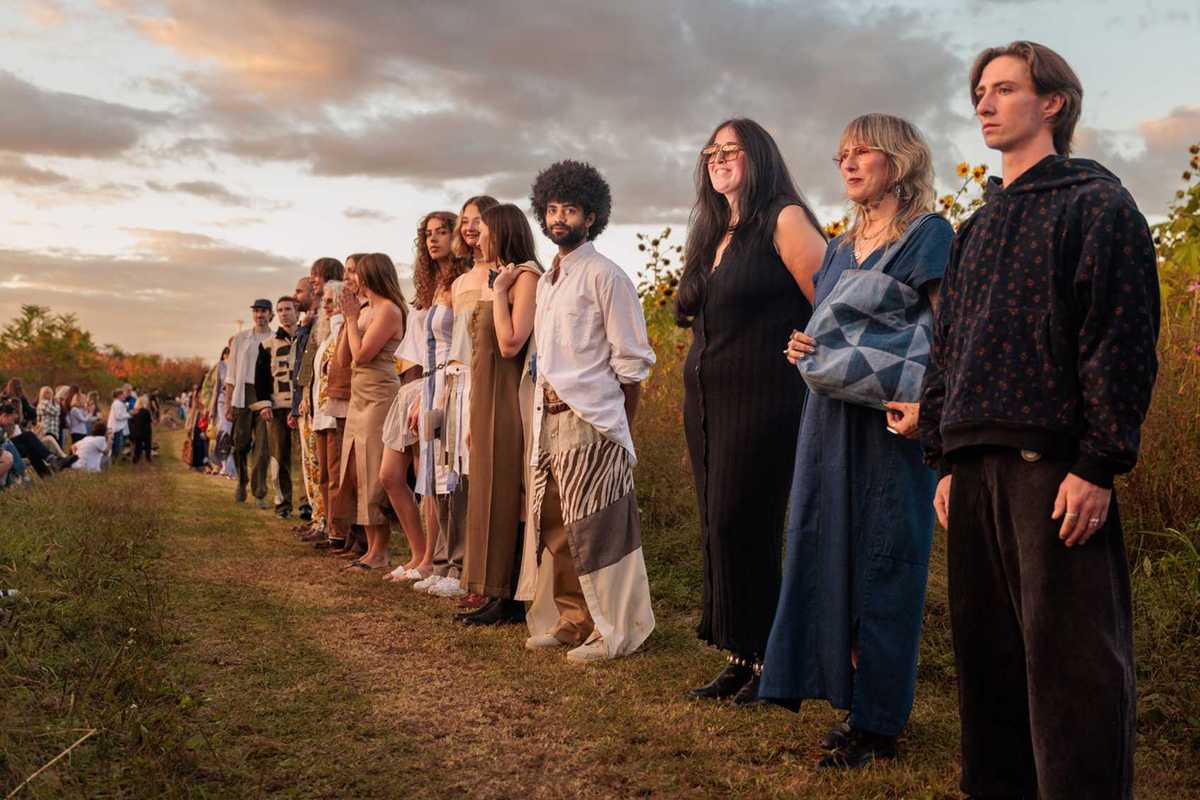
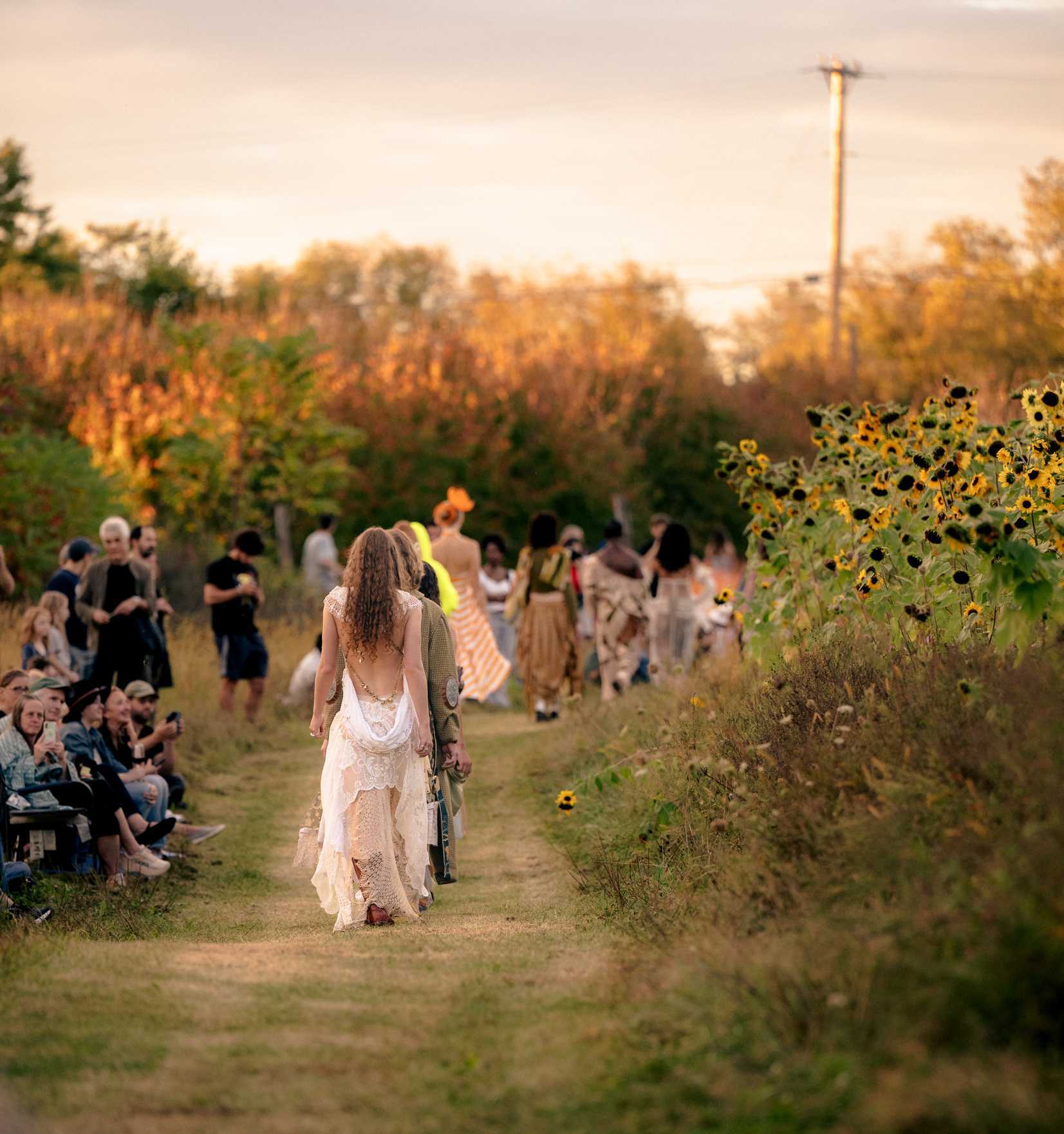 Models walk the organic runway at HVSFW. Ilan Harel

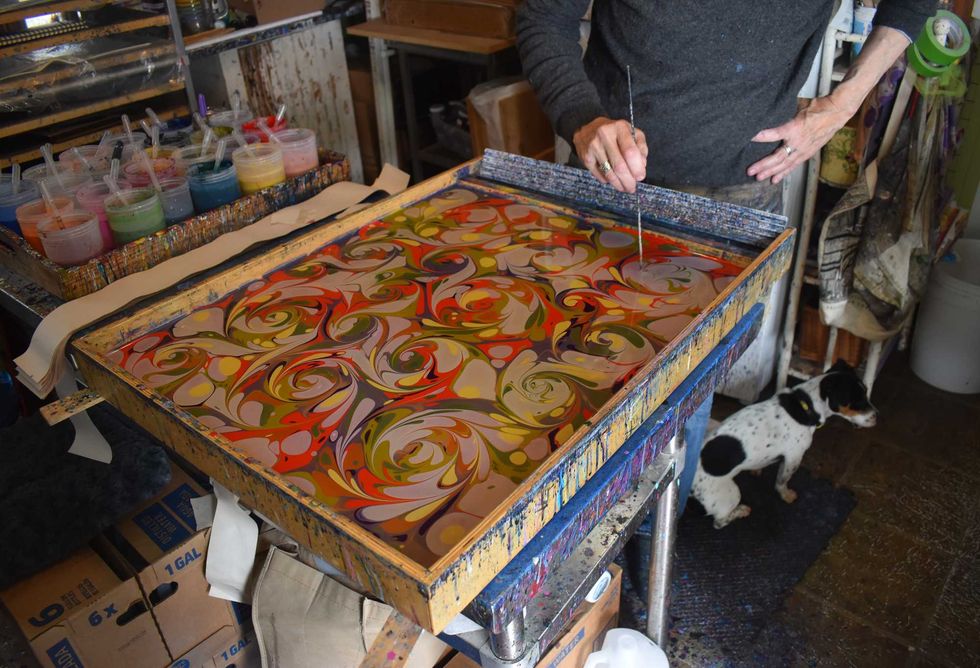 Susan Schneider, owner of Shandell’s, creates a variety of products with marbleized surfaces in her Ashley Falls studio.L. Tomaino