NEW YORK STATE — With election season here, area residents will have their pick of two candidates vying for the 106th District of the New York State Assembly: incumbent Assemblymember Didi Barrett (D-106), who is campaigning for her sixth term in office and her opponent, Republican Dean Michael.
According to the Dutchess County Board of Elections, District 106 includes parts of Dutchess and Columbia Counties. In Dutchess County, the towns of Milan, Pine Plains, North East, Stanford, Amenia, Clinton, Pleasant Valley, Hyde Park and Poughkeepsie are in District 106, while in Columbia County, the towns of Germantown, Clermont, Livingston, Gallatin, Ancram, Taghkanic, Copake, Claverack, Greenport and Ghent as well as the city of Hudson are included.
Barrett first campaigned for office in 2012. Since then, she’s secured funding to help protect regional farmland and provide support for local farmers, she helped the town of North East obtain funds to purchase a weed harvester for Rudd Pond and has brought more mental health resources to the region.
In addition to chairing the Committee on Veterans’ Affairs and the Legislative Women’s Caucus, Barrett has also served on the Committee on Tourism, Parks, Arts and Sports Development; the Committee on Mental Health; and the Committee on Agriculture, among others.
The assemblymember said her roles as a mother, a community leader and a professional in the not-for-profit/arts world contribute to her diverse background and her experience negotiating with colleagues and her understanding of the diverse issues that face her constituents.
Regarding her motivation to run again, she said, “I really love my district and I can’t emphasize that enough… I just really want to make sure we keep working toward a sustainable future, and when I say sustainable, I mean economically, agriculturally and just.”
Campaigning under the Democratic, Working Families and Independence parties, Barrett has set her sights on addressing public health first and foremost.
“The issues of public health are huge,” she said, “and we need to make sure that everybody has access to safe and affordable healthcare, but we also need to balance the reopening of our economy with keeping our communities safe and our schools safe and ensuring that we don’t go backwards at any stage in this pandemic.”
Along with continuing to work on securing adequate broadband access for the region, Barrett believes that addressing childcare is vital and that it’s important to figure out ways to support families, which starts with childcare.
She also worries about families with children with special needs, adults with special needs and older family members needing adequate care providers, an issue that “will only grow larger as the baby boomers age.” Having worked on this particular issue for a while, Barrett believes the state needs to work with its community colleges to develop a training workforce and make sure businesses and the government are partners in creating childcare opportunities.
“It’s a challenging time that we’re all trying to find our way in and doing what we can to take care and protect the people that we love,” she said.



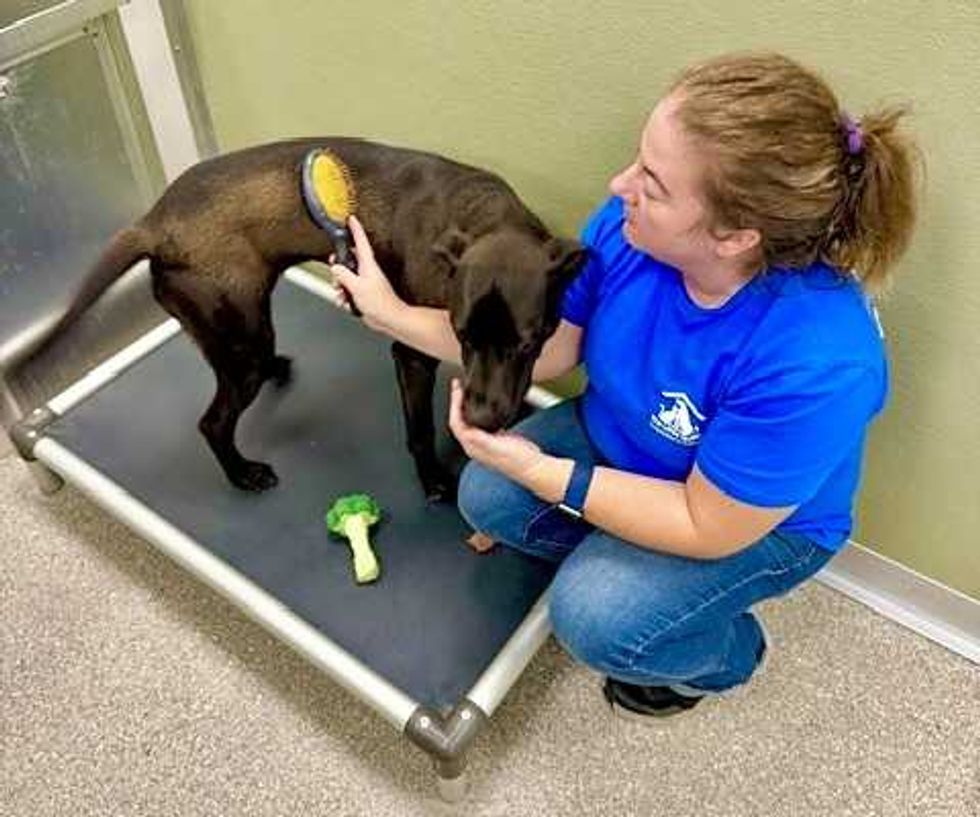 Tiffany Lemelin, shelter manager, brushing Marsala upon arrival.Provided
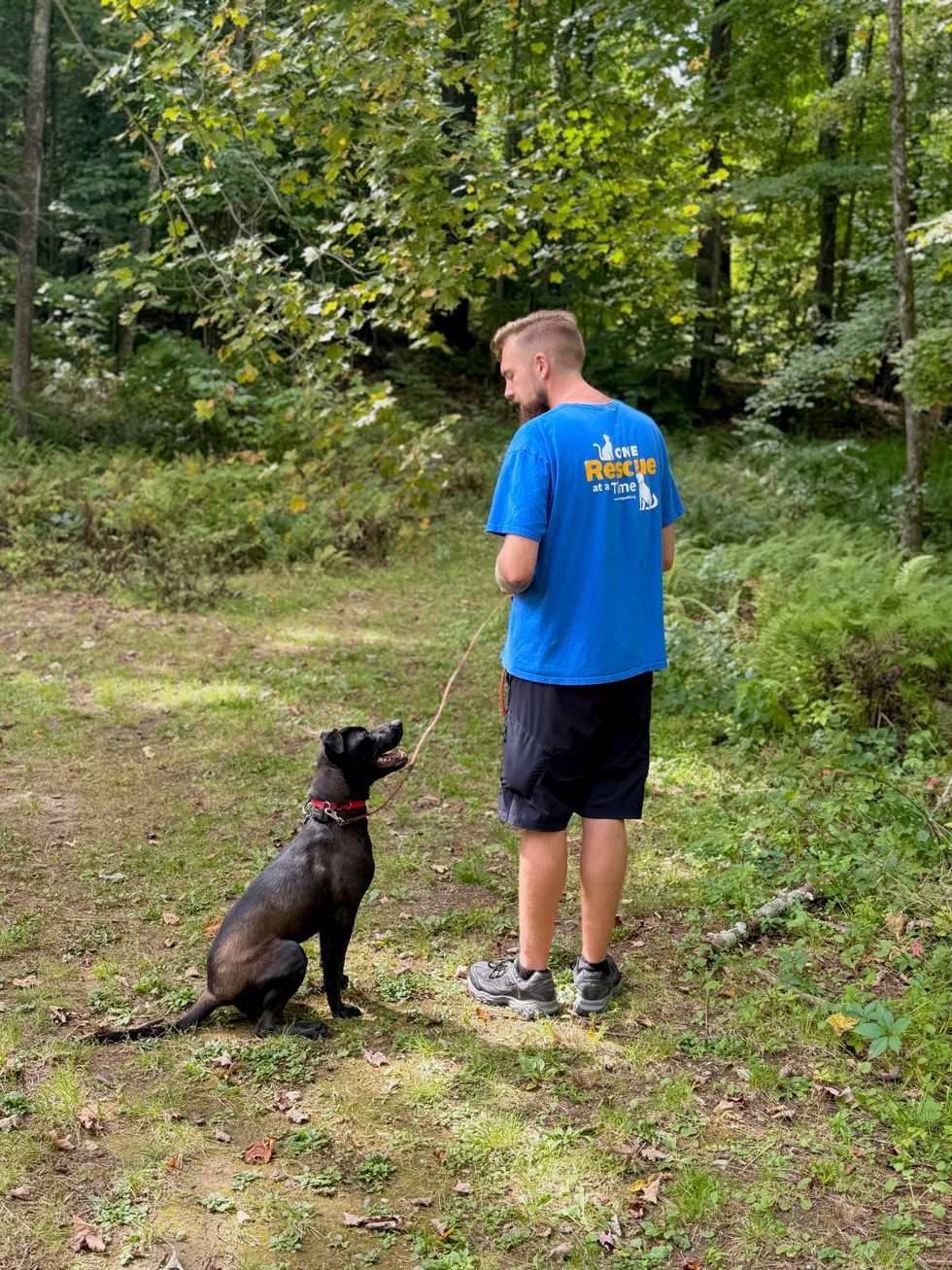 Michael DeBarba, certified dog trainer working with Marsala.Jennifer Almquist
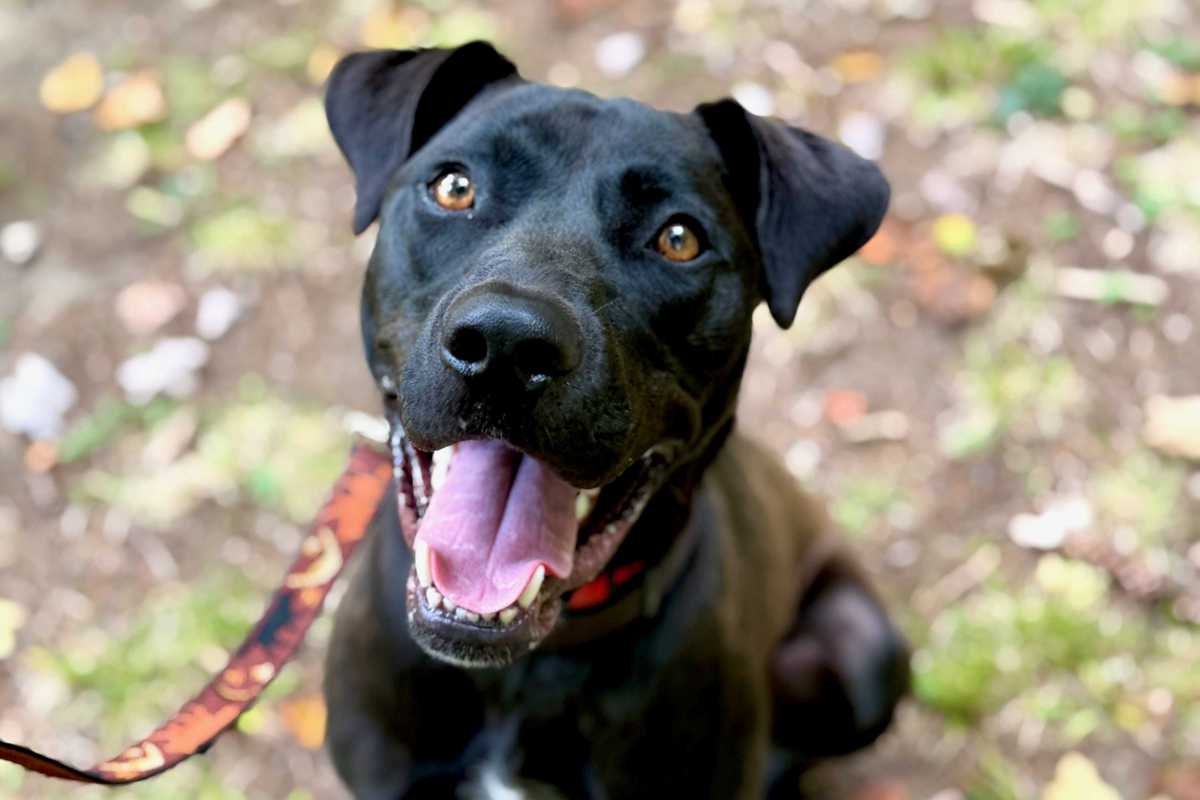
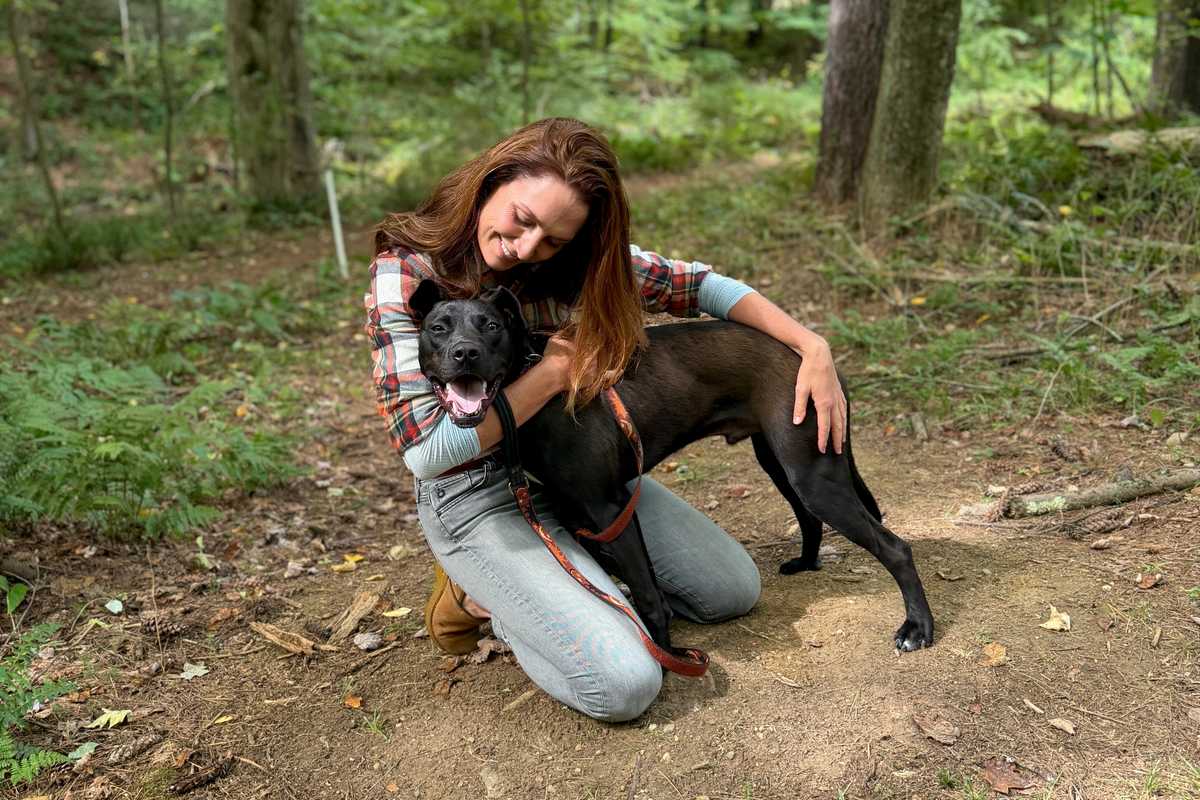 Marsala wins a heart.Jennifer Almquist
 Sadie, center, a Carolina dog, plays with her friend Negra, a terrier mix. Bella Linda, the small poodle, has since been adopted.L. Tomaino
 Wesley, a young, exuberant mix, is looking for an active home.L. Tomaino
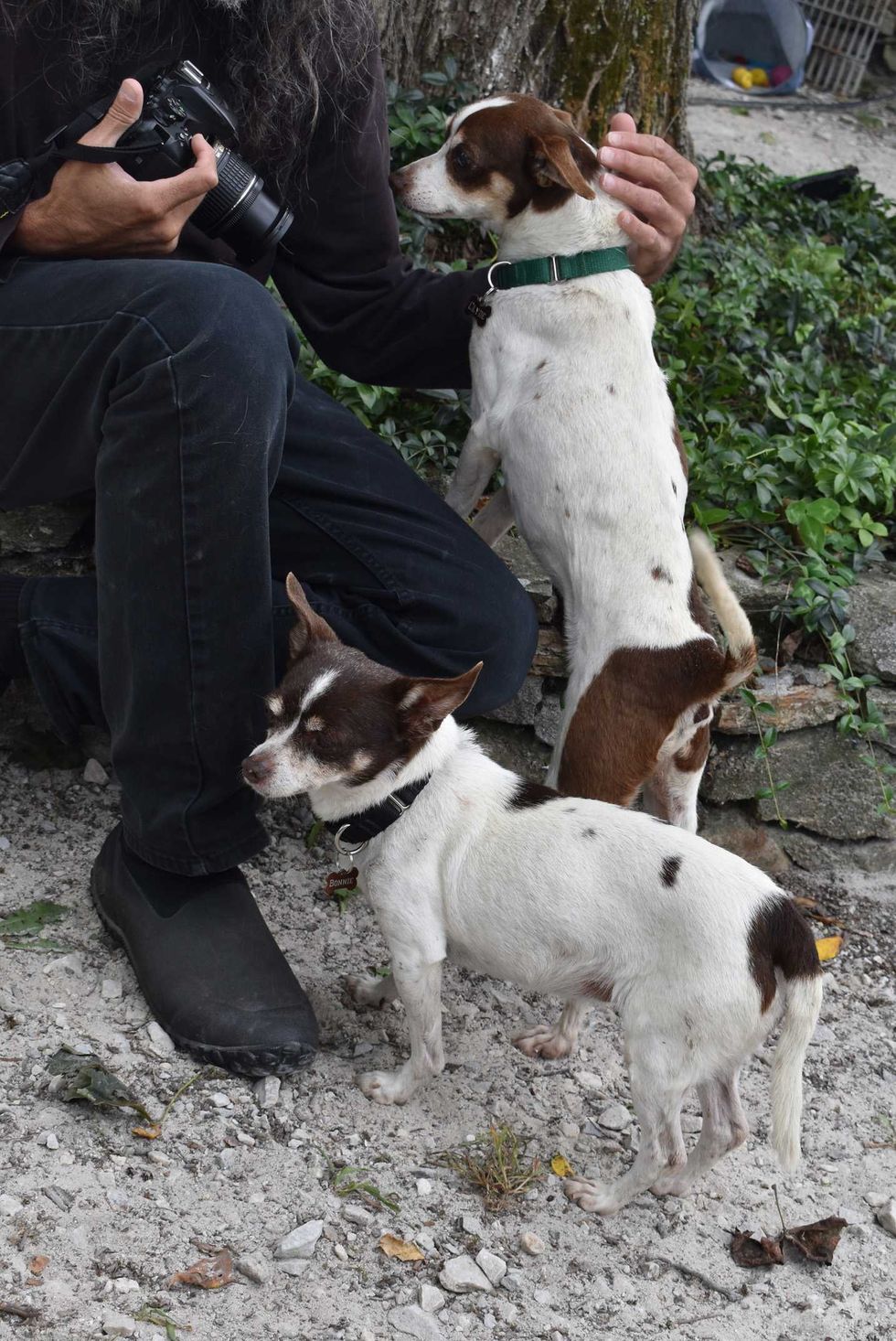 Bonnie and Clyde, an affectionate terrier pair.L. Tomaino