Life, especially a calm and orderly life, depends on trust — trust in your environment, trust in your fellow citizen, trust in your own safety. Without trust in these three areas, you live in fear.
A raging conflict or indeed war is not frightening only because you may be injured, it is terrorizing because you cannot have trust in the person you see on the street, you cannot have trust for your safety and, especially, you cannot have trust in your environment that can be destroyed at any moment. It is the lack of trust that terrorizes even non-violent moments in places of conflict.
Imagine you witness a criminal gang attacking a bank. Your moral compass tells you there are dangerous people attacking the bank. You make an evaluation. Why? The why is simply answered: You do so in self-preservation. You cannot trust those people you see breaking the law, trampling your moral compass. Now, imagine you are drawn — for any small reason — in sympathy to those criminals’ reasons for robbing the bank and begin to believe in their moral code to do so and, in so believing, you begin to see their purpose as being righteous. Do you adopt all of their moral codes? Do you see the possibility of murder, gun fights, stealing as moral, for you as being moral? Or do you simply look the other way and feel smug?
Bonnie and Clyde, the famous bank robbers, killed and murdered people. They were despicable examples of moral values and upholding the sanctity of life. And yet, their aim to strike back against “the man” and the banks — to liberate funds for themselves and their followers — allowed thousands to hide them, condone their murders, and, when they were caught and shot, to give them a public viewing that papers at the time described as “many thousands paraded in the streets.”
Now, I have to ask: How can anyone ever trust those who “adored Bonnie and Clyde,” who murdered 13 people and stole people’s hard-earned funds (many small banks went bust and lost depositors’ money)? Are all those idolators evil or were they so self-deluded to believe that murderers should be acclaimed heroes and “of the people?” If you made those folks face the corpses of those Bonnie and Clyde shot — sometimes 30 or 40 times, gleefully mutilating corpses — I doubt “good people” would feel proud of their support.
In fact, what we now know as The Stockholm Syndrome — identifying with your captors — has only one cure: to be faced with facts, with reality. Only when those idolaters are faced with such reality can they begin to regain the trust of normal citizens or society.
And so, here we are: faced with almost half the country who idolized a liar, misogynist, a xenophobe, a racist and, above all, an opportunist at any cost. Are his supporters to be trusted, can they be trusted, or has their moral compass been compromised forever? Like the Bonnie and Clyde idolaters who admired the banks being destroyed, who overlooked the 13 murdered in the process, when faced with the reality of the gang’s criminal activity, many felt ashamed or made excuses of “we didn’t know!” At the end of WWII there were millions of Germans and Italians and collaborators who claimed they too “didn’t know” what Nazi Germany was doing. If they didn’t know, it was because they chose not to see, not to know, never to admit.
So, too, with Trump’s supporters. Many, perhaps most, will never admit they were morally corrupt to support him and his gang. In fact, the divisions in our country will continue unless they have a chance for rehabilitation by facing the truth — of the more than 243,000 people who died of COVID needlessly, of the babies and children never to find their parents again, of the lawful immigrants chucked out who perished, of the allies like the Kurds discarded to placate an adversary, of the farming businesses bankrupt because of power-play tariffs, of the tacit support of American terrorist groups, of his destruction of the EPA and other agencies’ backbone policies, of countless willful persecutions of civil servants who tried to stand up to his lawlessness… the full list is much longer and deep.
Like the Nuremberg trials, the purpose of any post-Trump examination must have as its goal to restore trust. Trust not in the government but our trust in our fellow citizen. Unless that happens, how can any of us trust almost half the population? Half the population aided and supported, idolized for many, this person who thought he was above the law as he corrupted the nation’s morals. Until and unless we have that trust in our fellow citizens restored, the country risks permanent rendering and may not survive.
Writer Peter Riva, a former resident of Amenia Union, now resides in New Mexico.

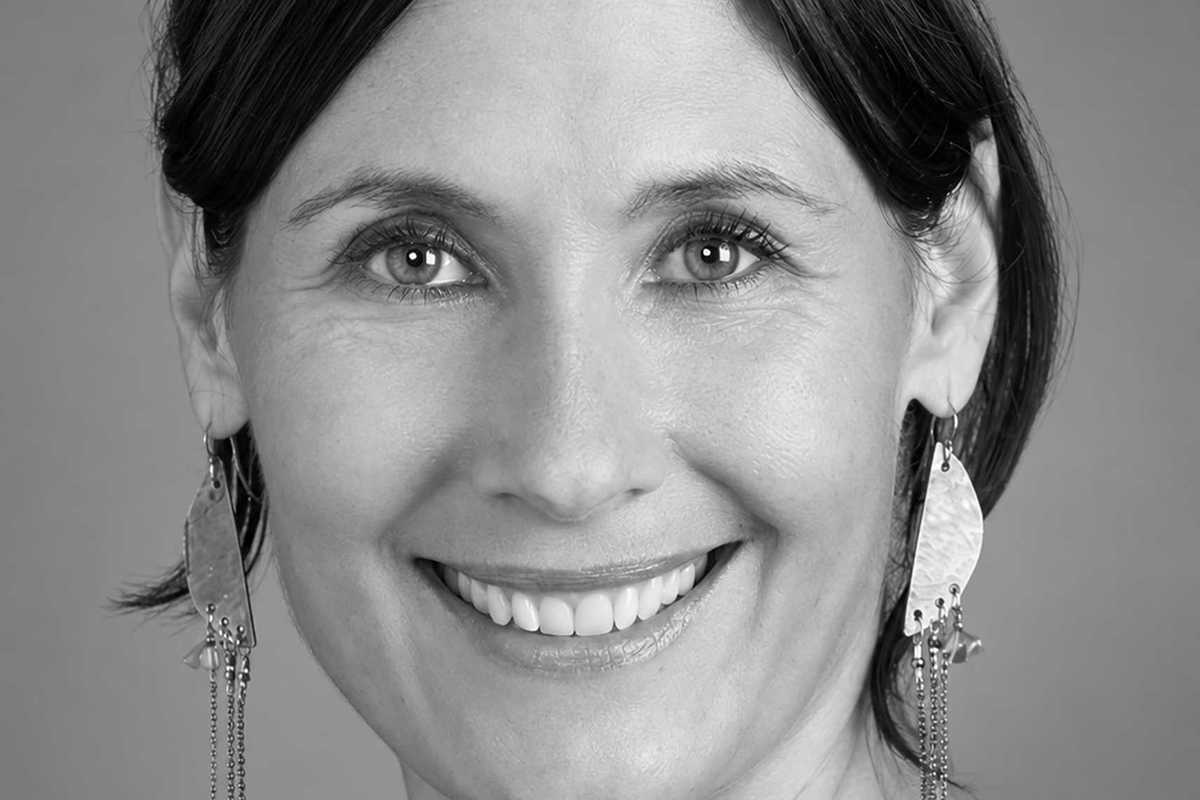






 Meg Sher, executive director of the David M. Hunt Library in Falls Village.L. Tomaino