History always repeats. In the 16th century, England had a strong Navy for defense. They defeated the Spanish Armada (mainly thanks to a “divine” storm — they were outnumbered 20 to one at the time) and could protect the country. But Her Majesty’s Navy was not capable of effective offensive force — with almost no foreign ports, no territories to rely on support from. In short, they could defend but could not expand.
Meanwhile, the Spanish and the Portuguese (staunch enemies of non-Catholic England) had huge Navies and had begun the plunder of gold, jewels and silver from the Americas. The Spanish and Portuguese galleons were well armed and their Navies ready to fight and defend precious cargo, ports and settlements. It was only when the ore and treasure needed to be carried back to the motherland on the vast open seas that the ships were vulnerable.
So, what Queen Elizabeth did was license privateers, especially Sir Francis Drake — to ply their trade on the open seas that belonged to no one. If Drake’s cutthroats happened to run up against a well-loaded Spanish galleon, well then, it was just a privateer who stole the cargo. As part of his license as a privateer (never a pirate), he paid the Crown for that license to freely trade in foreign waters. When the Spanish protested Drake was little more than a licensed pirate of the Queen’s, paperwork was able to show that she never ordered him to attack anybody.
Today, Russia has a very strong defense. There can be no question about that. Any nation thinking they could attack and prevail against Russia would be quickly shown how wrong-headed such thinking is.
Similarly, Russia learned after Afghanistan how feeble their offensive capability is. Assist local insurrections? Sure. Crimea and Syria prove that. Actually go conquer any country on their own? Unlikely. So, how does Russia handle the growing influence, power, wealth of the USA, how can they slow that down and level the playing field? The same way Elizabeth I did — license privateers to rob, pillage, kidnap and ransom wealthy American interests.
Computers and the machines’ need to link up are the vulnerable sea-routes of today. All the ransom attacks, hacking, pillaging of American computer systems are, in effect, the Sir Francis Drake gambit replayed. It will all stop one day, just as it did for all the Caribbean privateer “pirates” who were, at one time, secretly working for the queen: Edward Teach (aka Blackbeard), Jean-David Nau, Jack Rackham, Black Bart, “Red Legs” Greaves, Henry Jennings and many more.
Why did they stop? Diplomacy, tit-for-tat attacks on English shipping, and the pirates were all hung, made the scapegoats. If I were a hacker for Putin or Beijing, I’d think about the endgame here…
Writer Peter Riva, a former resident of Amenia Union, now resides in New Mexico.









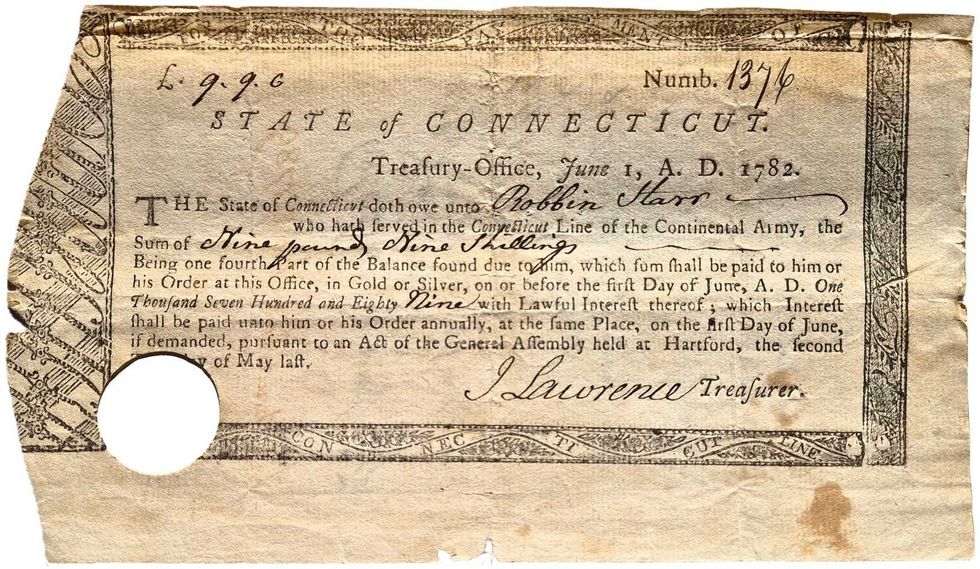 Pay Bill for Robin Starr’s service in the Continental Army.Courtesy the Alex Breanne Corporation
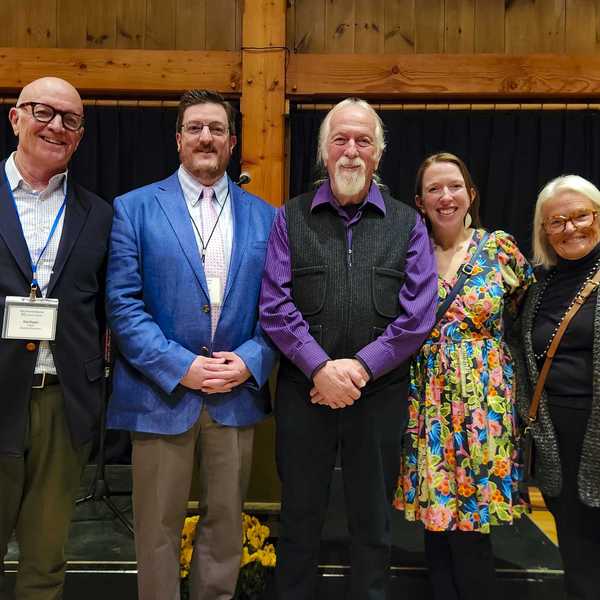
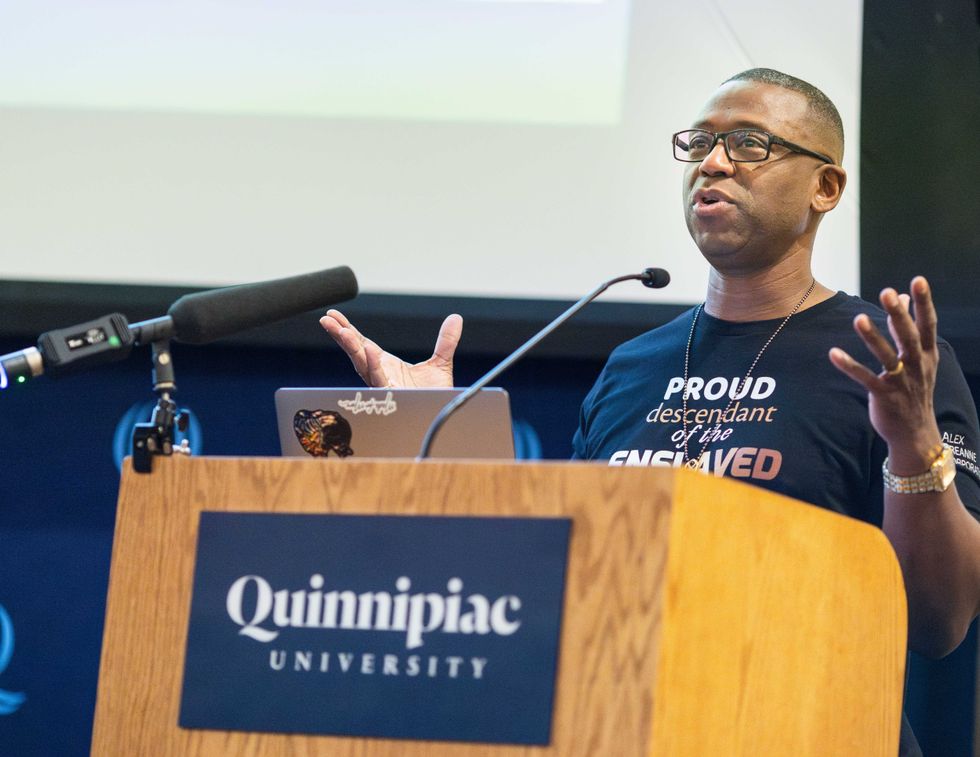 John Mills speaking at Quinnipiac University.Courtesy the Alex Breanne Corporation

 Stephanie Saetta,with her rescue dog George and Blue (left), a shepherd mix awaiting his forever home.Madi Long