Amenia Town Board should ban rodeo
I am vehemently opposed to a rodeo planned for Oct. 2 in Amenia due to the inherently cruel nature of all rodeos.
The American Society for the Prevention of Cruelty to Animals (ASPCA) is opposed to all rodeo events that involve cruel, painful, stressful and potentially harmful treatment of animals, not only in performance but also in handling, transport and prodding to perform. The ASPCA recognizes the cruel treatment inflicted on many additional animals in the process of practicing to compete in rodeo events. Further, the ASPCA is opposed to children’s rodeo events such as goat tying, calf riding and sheep riding (“mutton busting”), which do not promote humane care and respect for animals.
According to People for the Ethical Treatment of Animals (PETA), cattle and horses may be zapped with electric “hot shots” so that they’ll charge out of the chute. Calves’ necks are twisted as they’re violently slammed into the ground, and horses are viciously spurred into bucking. The Professional Rodeo Cowboys Association (PRCA) rules allow shocking horses who are slow to come out of the chute.
Hot Shots are 5,000-volt electric prods (www.sharkonline.org).
Animals used in rodeos have suffered fatal injuries, broken backs and necks, heart attacks and aneurysms. Those who make it through unscathed are given little time to rest or recuperate. They are loaded into trucks, hauled to the next event and forced to do it again.
The stock provider for Oct. 2 is LKC, based in Montana.
Veterinarian Peggy Larson, (www.hsvma.org/rodeos_inherent_cruelty_to_animals) believes roping events are the most cruel.
“In calf roping, baby calves weighing less than 300 pounds are forced to run at speeds in excess of 25 mph when they are roped,” said Larson. “The reason they run at such high speeds is that they are being tortured in the holding chute. Their tails are twisted, their tails are rubbed back and forth over the steel bars of the chute and they are shocked with electric prods until the gate opens. They burst out of the chute at top speed only to be stopped short — clotheslined — with a choking rope around the neck. They are often injured and some are killed. These calves would still be with their mothers on pasture if they were not in the rodeo… Baby calves sold to the practice pens are roped over and over until they are injured or killed.”
Many jurisdictions have banned rodeos outright or in part. Due to space constraints, it’s impossible to list them all, but it can be easily searched on the internet.
Their website states this “first annual” Hudson Valley Rodeo is a charitable event sponsored in part by the Silo Ridge Community Foundation.
In my opinion, this charitable event is far from charitable to the gentle, sentient creatures who are forced to be there.
I ask that the Amenia Town Board take a hard look at this event and ban it outright or the parts it finds unduly cruel. Absent that, please call for an immediate moratorium.
Stacy Mantel
Town Board candidate
Amenia
In response to Larry Conklin’s Veteran’s Corner column
Larry Conklin’s August opinion column had almost nothing about veterans or to do with the military. It bewilders me that the editors would publish a column in which people, parties and groups that are not germane to veterans’ topics are discussed.
Larry blames a lot of things for “causing [the] disrespect and abuse of our history and our military.”
I will cite several examples in our military history that Mr. Conklin, the veteran writer, might want to address in his next column and decide who is disrespected.
Isaac Woodard Jr. was a Black veteran of World War II and in uniform. He was removed from a bus in North Carolina and unmercifully beaten by an on-duty sheriff for being uppity. His beating left him blind.
Army Sergeant Vanessa Guillen was sexually harassed by fellow soldiers at Fort Hood, Texas. Her superiors did nothing. Soon after she was murdered by another soldier. When this became national news and led to an investigation, it uncovered a base culture of sexual abuse. This led to 14 Army leaders, including commanders, being fired or suspended.
The G.I. Bill of Rights, enacted after World War II, was structured in a way that shut the door to housing and education for the 1.2 million Black veterans who bravely served our country.
This is American history, unpleasant, but true. In future columns I hope you address only veteran issues, both good and bad.
Roger Price
Millerton




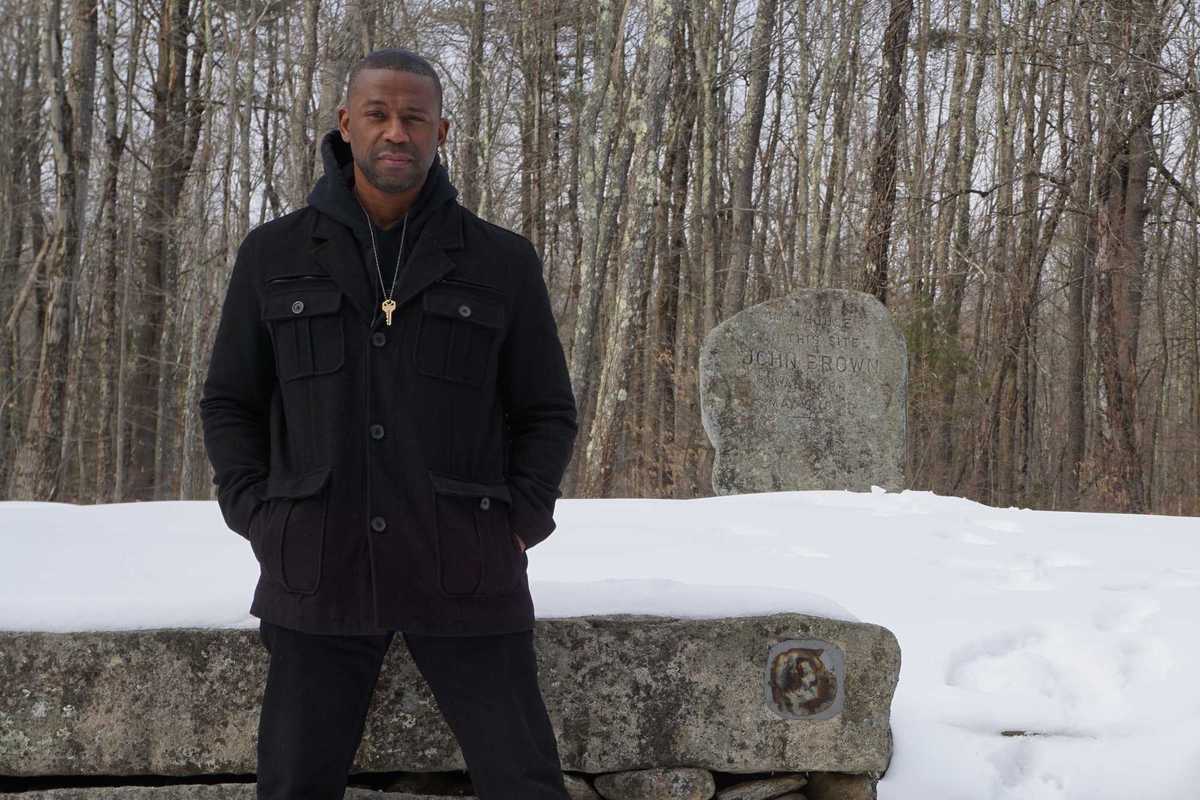
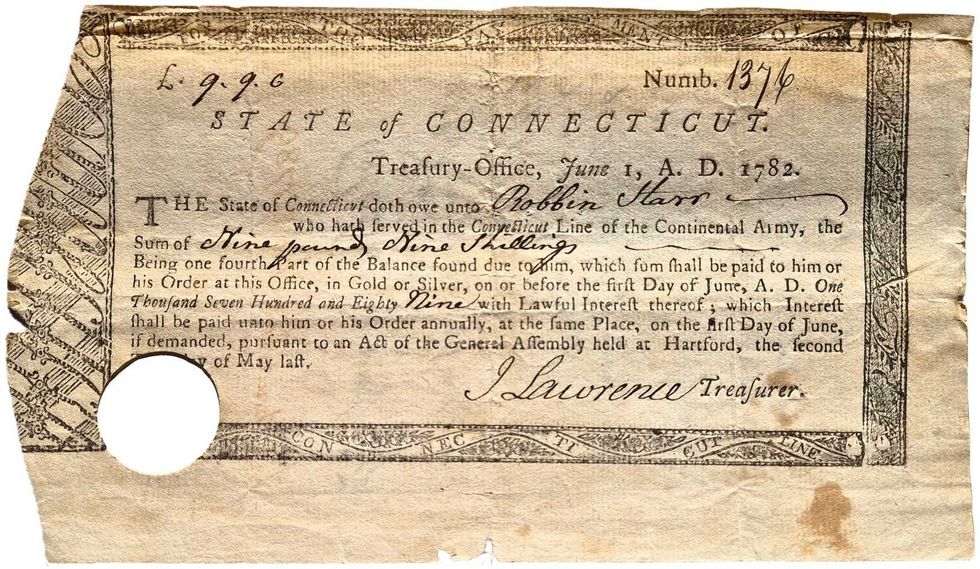 Pay Bill for Robin Starr’s service in the Continental Army.Courtesy the Alex Breanne Corporation
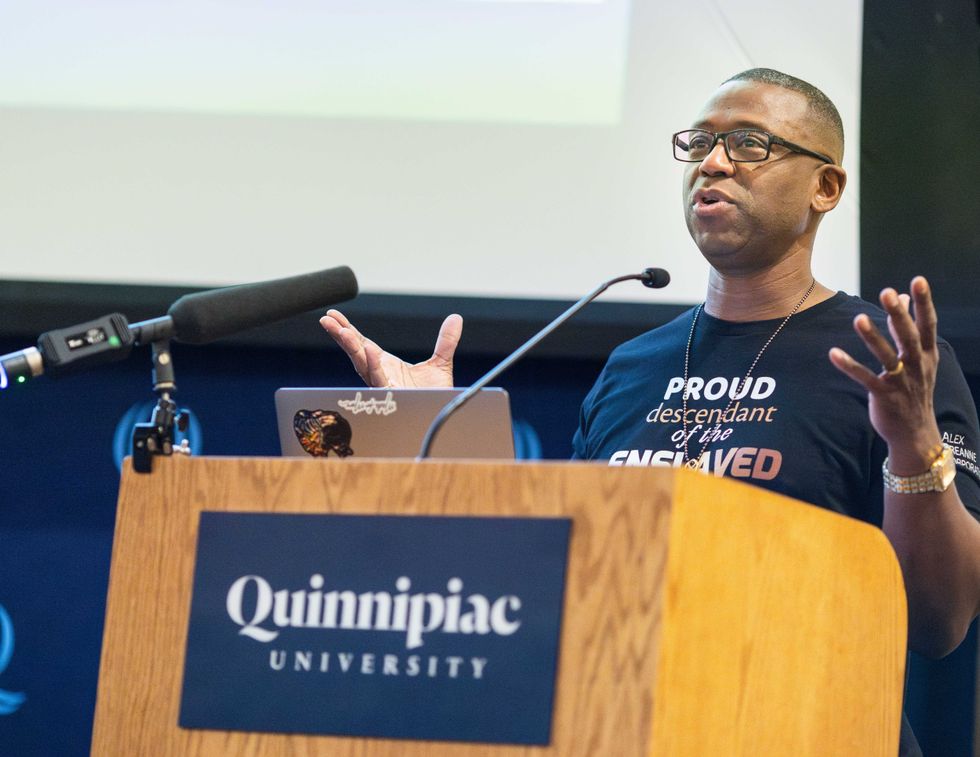 John Mills speaking at Quinnipiac University.Courtesy the Alex Breanne Corporation

 Stephanie Saetta,with her rescue dog George and Blue (left), a shepherd mix awaiting his forever home.Madi Long