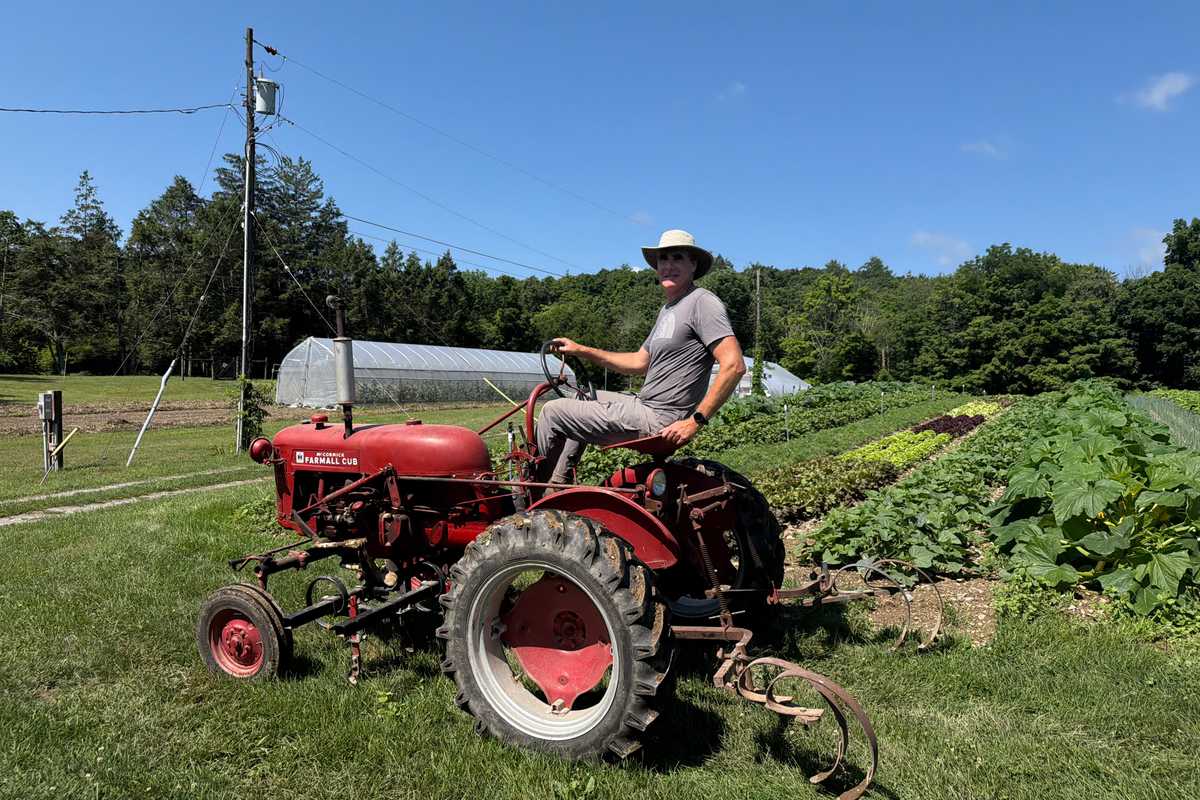
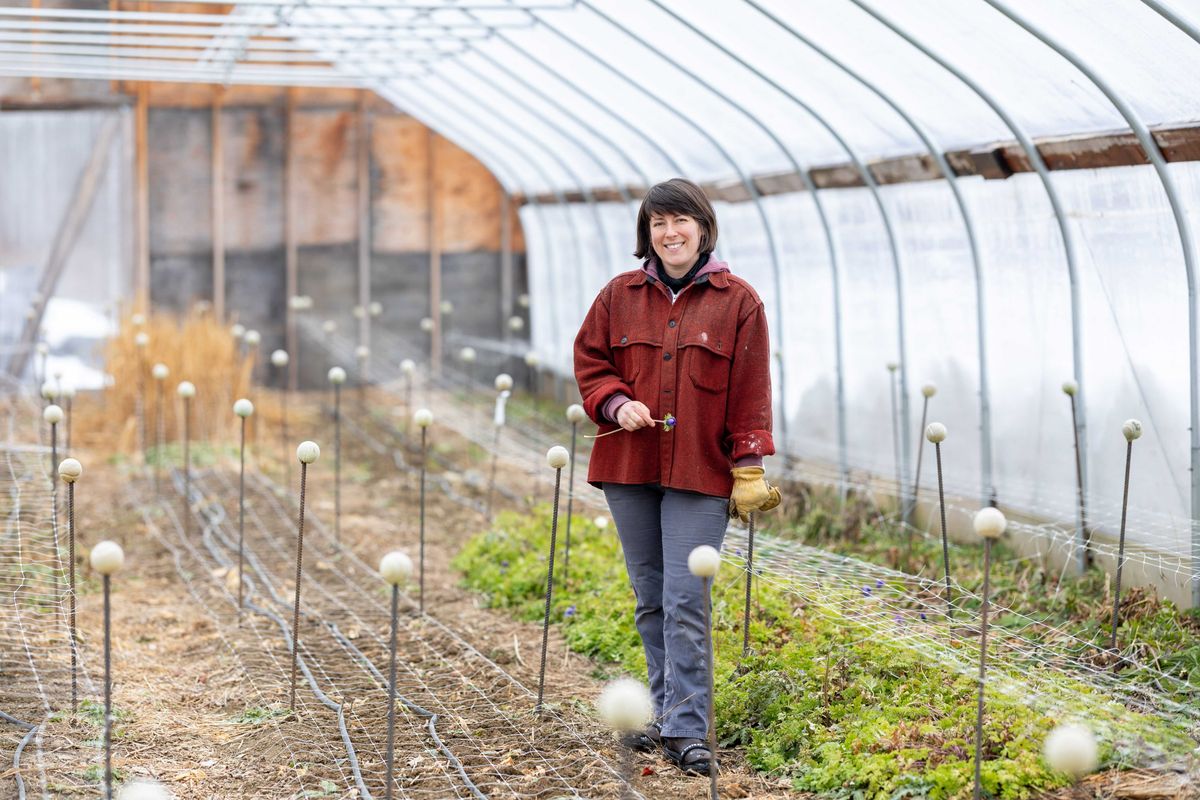
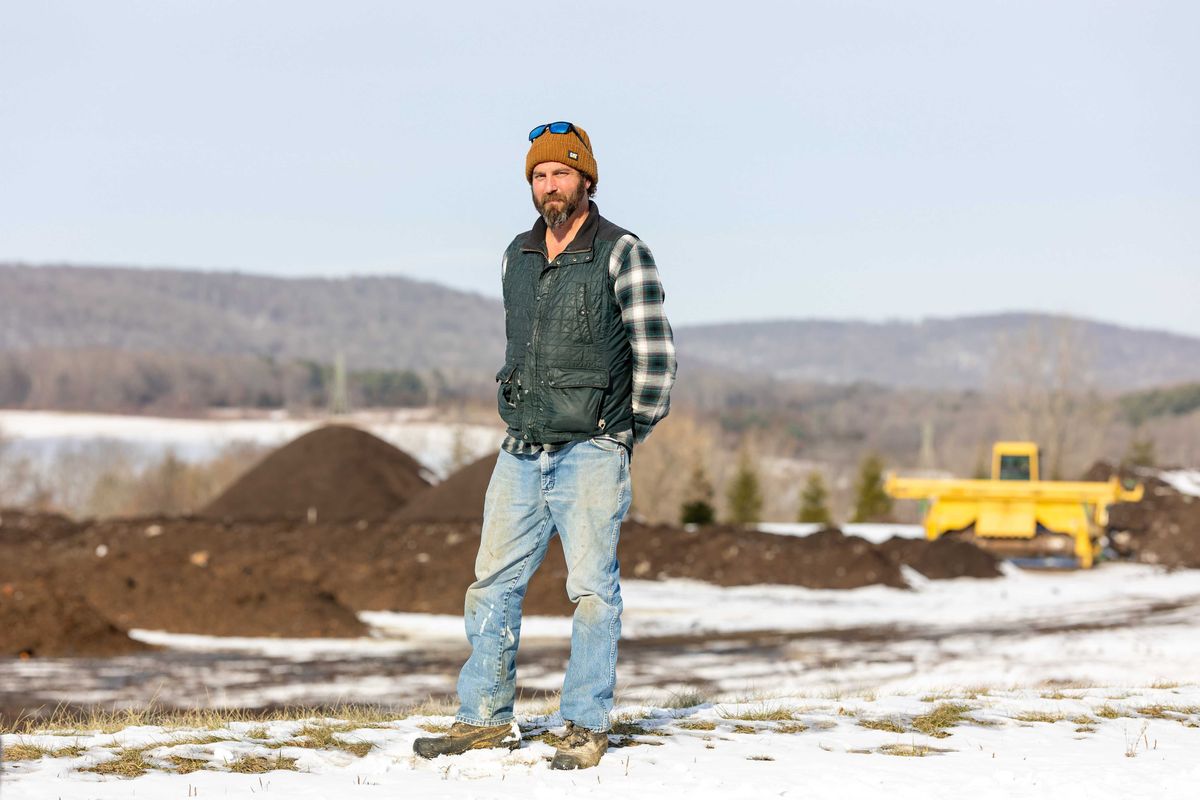
STANFORDVILLE — Since 1999, Dave Hambleton has trained nearly 70 apprentices at Sisters Hill Farm, helping launch farming careers across the Hudson Valley and beyond. Now, the future of that apprenticeship program is uncertain after the Sisters of Charity of New York announced plans to sell their Stanfordville property as part of winding down the congregation.
The farm, owned by the Sisters of Charity of New York, was founded on the belief that agriculture and education go hand in hand.
“Our mission is to grow healthy food, which nurtures bodies, spirits, communities and the earth,” Hambleton said. “So it’s about food, but it’s also about bringing people together, and community, and connection, and all these wonderful things. Part of the farm’s mission also is to educate the next generation of sustainable farmers.”
The Sisters of Charity of New York announced about three weeks ago that it plans to sell the entire property that includes Sisters Hill Farm as part of the congregation’s wind-down, a process that began in 2023. While Sisters Hill Farm has said it intends to complete the current growing season, it has not announced what will become of its apprenticeship program beyond this year.
For the dozens of former apprentices who built careers under Hambleton’s guidance, he has been far more than a farmer. Over three decades, they have come to know him as a teacher, problem-solver, mentor and, perhaps most importantly, a coach.
John Crooke, who apprenticed under Hambleton in 2012 and now operates Tinicum CSA in Pennsylvania, describes him as more than a teacher.
“I often describe Dave as a coach,” Crooke said. “He had a background in athletics and he’s still really into running and biking. So some people get frustrated, because he pushes: ‘You’re doing it right, but let’s do it faster. Doing it right is doing it faster.’ If somebody’s not getting it, he’ll find a way to explain it efficiently.”
Crooke said he chose Sisters Hill after reading Hambleton’s promise on the farm’s website.
“One of the things that attracted me to the farm was that on the website, Dave said, ‘My goal is to help you start your own farm next year,’” Crooke said. “And I thought, ‘wow, I’ll definitely learn something from this guy.’”
Although Crooke didn’t expect to launch a farm so quickly, that’s exactly what happened. A former Sisters Hill apprentice had been farming land in Pennsylvania and was ready to move on after three seasons. He contacted Hambleton, who connected the opportunity with Crooke and fellow 2012 apprentice Stefan Streit. The pair took over the land and founded what became Tinicum CSA.
“I always think back on the Sisters Hill experience as foundational in my farming career,” Crooke said.
Erin Bullock, like Crooke, was an apprentice at Sisters Hill who founded her own farm – Mud Creek Farm CSA – just a year after apprenticing with Hambleton in 2008. She then founded additional farms over the following 10 years, including EquiCenter Farm in 2015 and Wild Hill Farm CSA in 2016.
“Dave was a true mentor and shared everything he knew,” Bullock said. “When I told him I wanted to have my own farm, he was so supportive and inspiring. He just believed in me when other people didn’t, and said, ‘you can do it’.”
Bullock, a first-generation farmer, also said that she’s found “real gender difficulties being a woman in this field.” While previous male mentors of hers sometimes believed that there were women-specific and male-specific roles on a farm, she said Hambleton never made her feel that way.
Since establishing three farms of her own, Bullock has gone on to mentor more than 30 apprentices. She said Hambleton’s guidance — from staying ahead of weeds to developing organized systems — gave her the foundation to build successful farms and, in turn, teach the next generation of growers.
“Dave has a golden heart, and it was such a joy to work with and learn from him,” Bullock said. “He’s had such a profound impact on my career and all my apprentices know who he is because I always talk about the lessons I learned from him with them.”
Ella Schwarzbaum was an apprentice at Sisters Hill Farm in 2019 and remained on staff for the following three years. Now, she said she brings her experience from Sisters Hill to Phillies Bridge Farm Project, where she is the Education and Food Justice Director.
“Sisters Hill entirely grounded my agricultural experience and knowledge,” Schwarzbaum said. “Dave loves to teach. There’s nothing that gives him more joy than passing on the knowledge he has.”
This depth of education is what compelled current apprentice Noemi Romero to apply to the program at Sisters Hill. Although the work is challenging, Romero said that it’s extremely rewarding to watch herself grow as a farmer.
While the future of the farm and its apprenticeship program is still unclear, Hambleton’s mark on the region’s agricultural community isn’t.
“I mean, if you add up all the apprentices Dave’s apprentices have trained, he’s probably spawned almost 1,000 farmers in the region,” Bullock said.



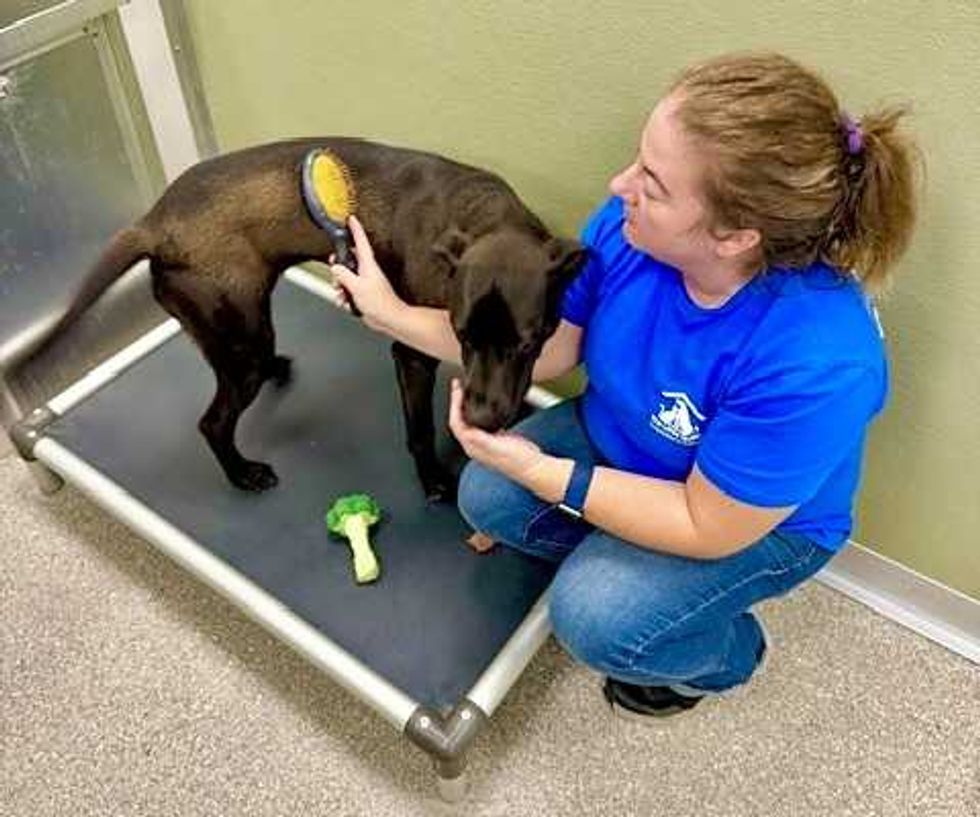 Tiffany Lemelin, shelter manager, brushing Marsala upon arrival.Provided
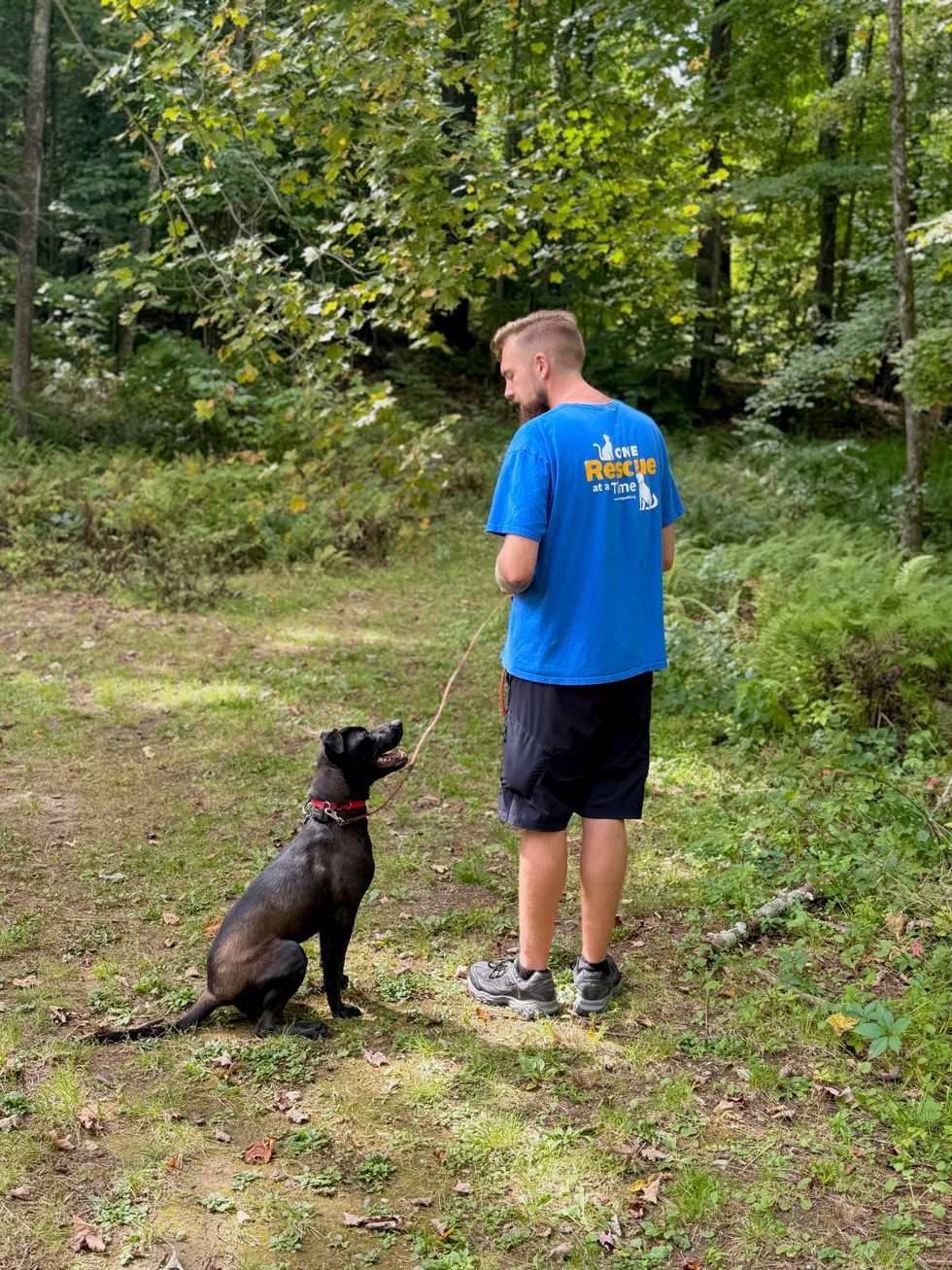 Michael DeBarba, certified dog trainer working with Marsala.Jennifer Almquist
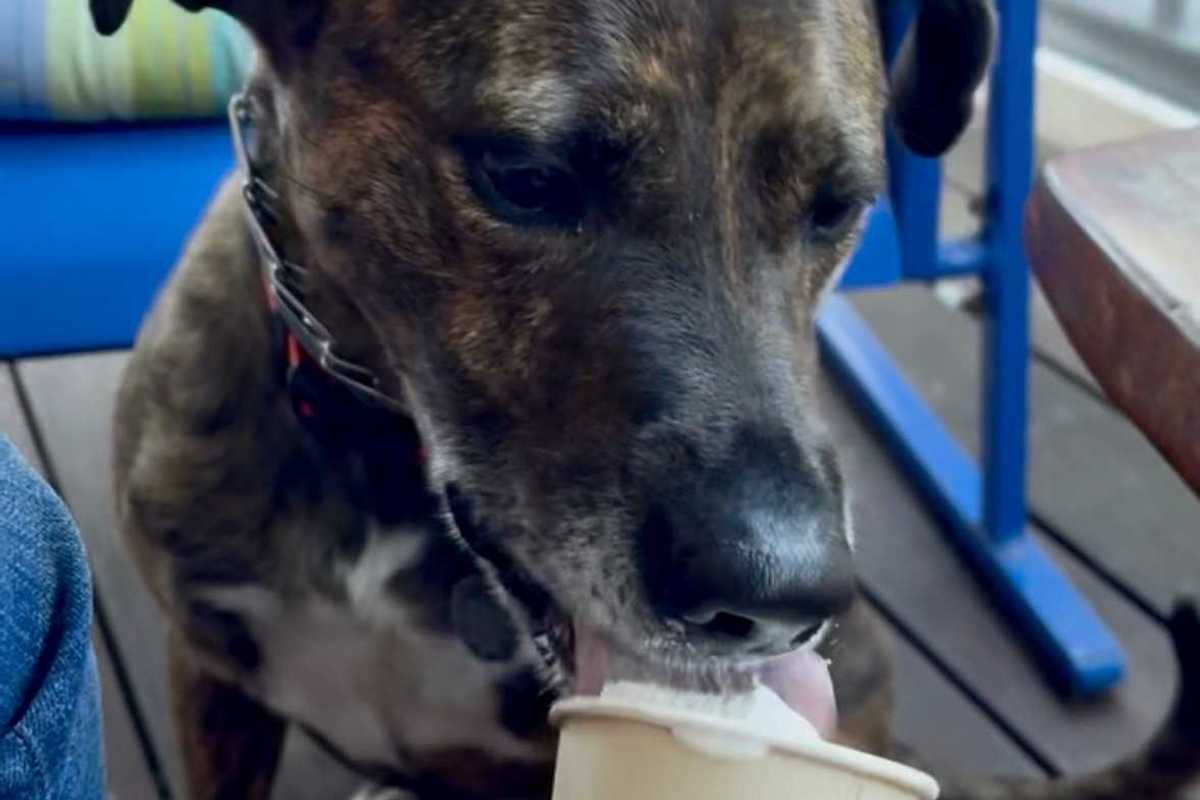
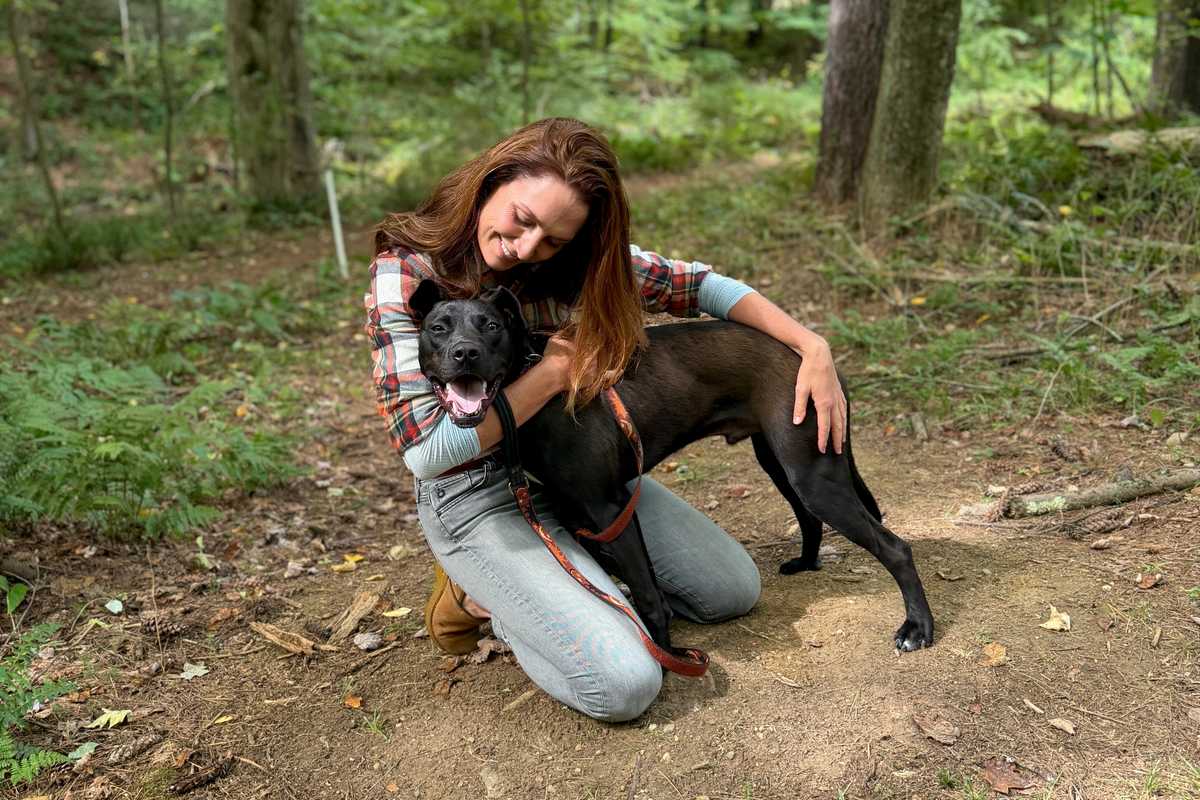 Marsala wins a heart.Jennifer Almquist
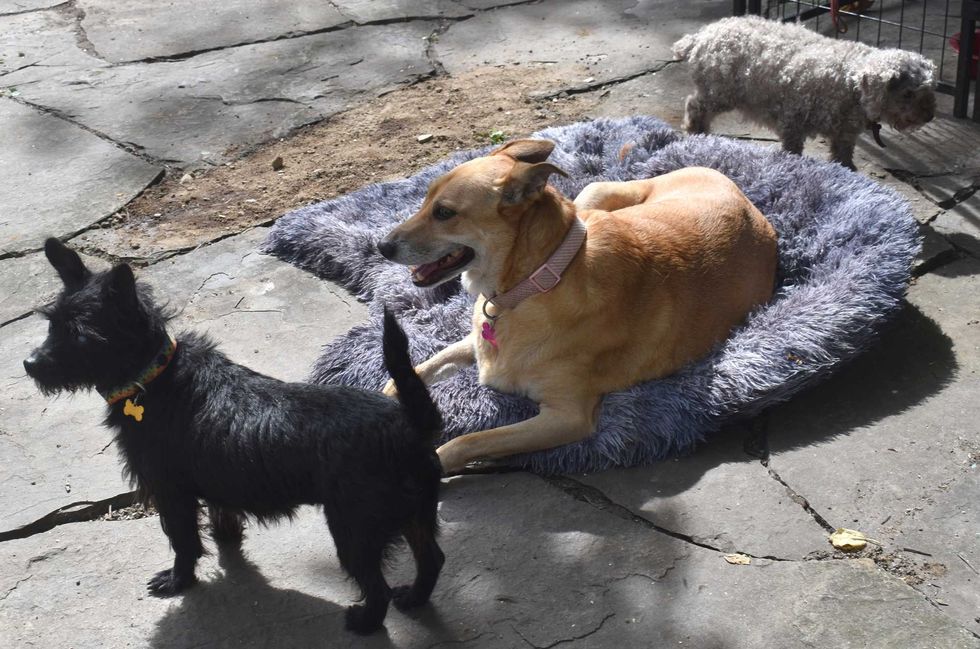 Sadie, center, a Carolina dog, plays with her friend Negra, a terrier mix. Bella Linda, the small poodle, has since been adopted.L. Tomaino
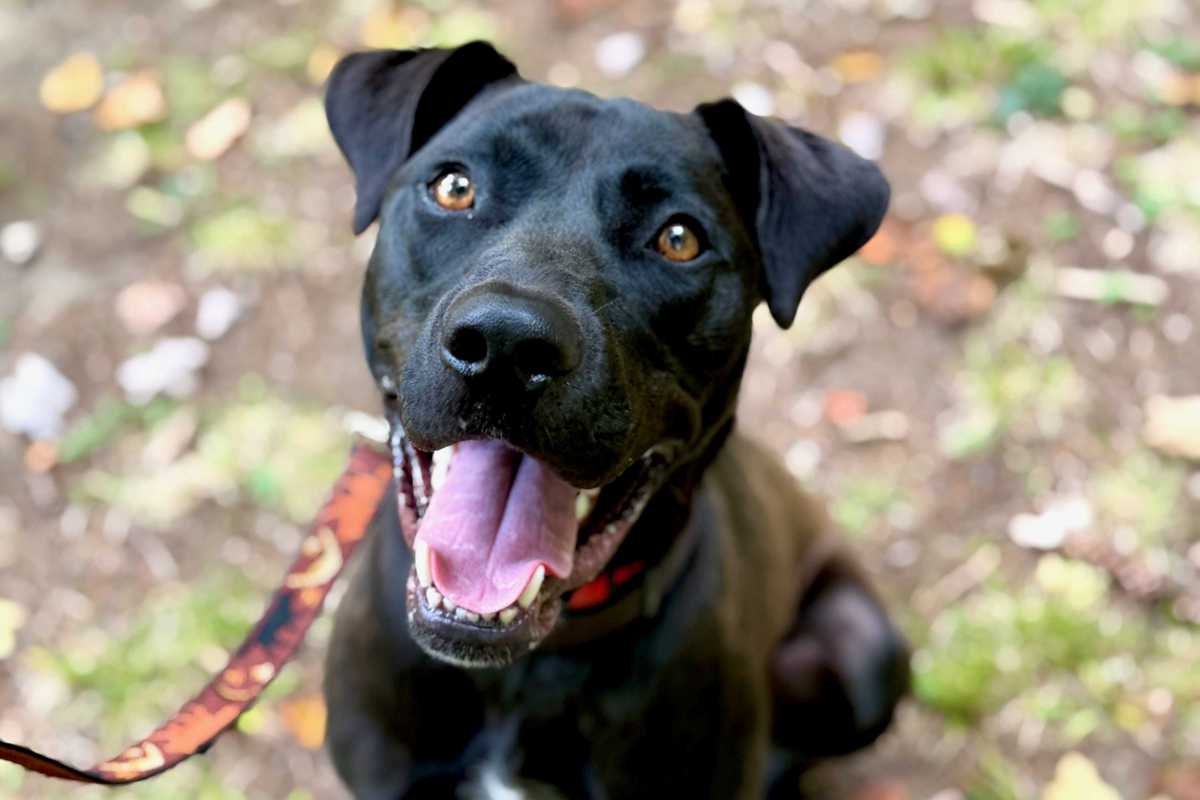
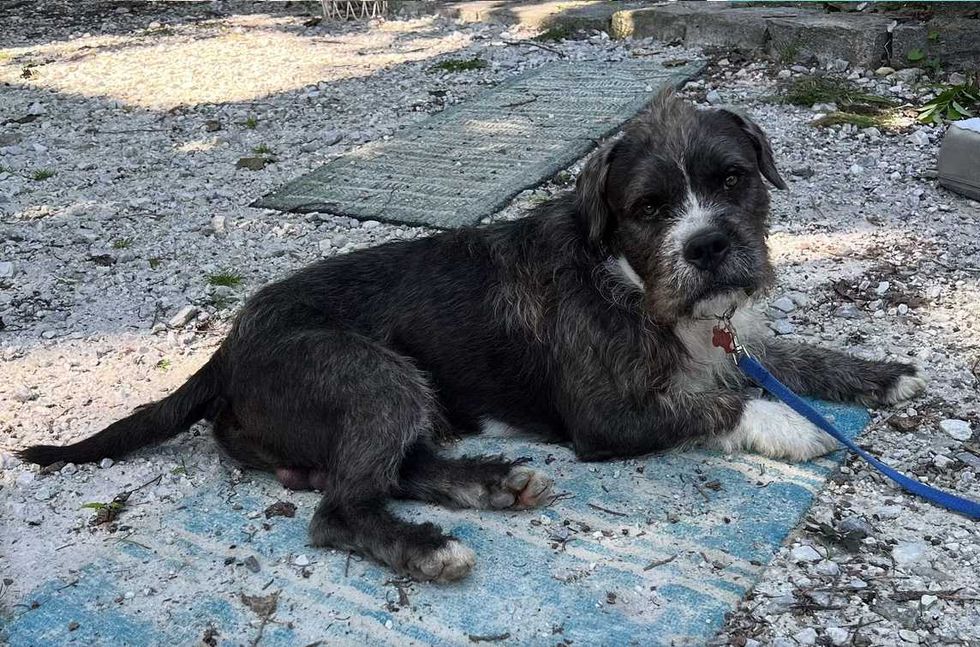 Wesley, a young, exuberant mix, is looking for an active home.L. Tomaino
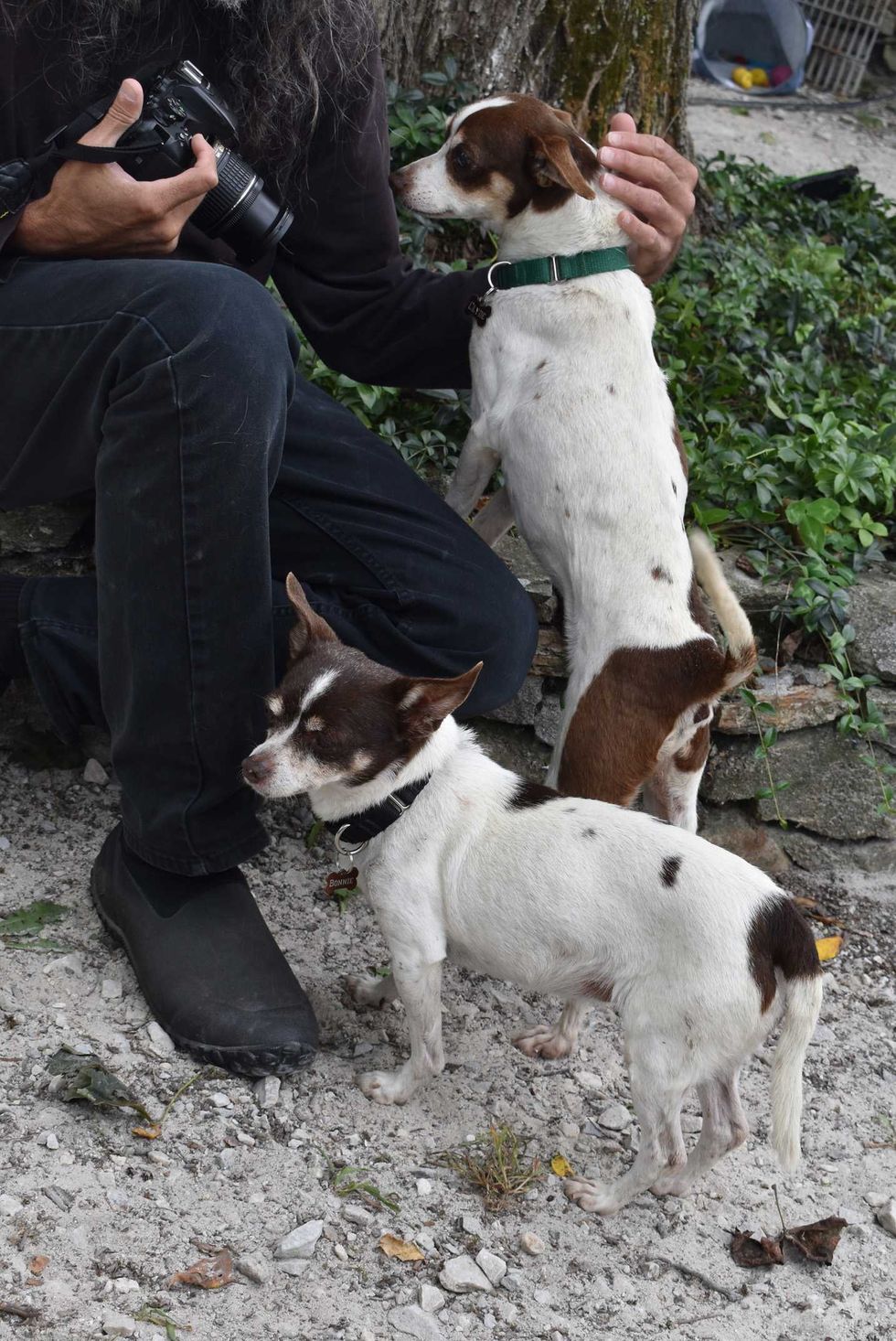 Bonnie and Clyde, an affectionate terrier pair.L. Tomaino