AMENIA — It’s been said that wood, as it burns, tells its history.
Phil Carroll has split and sold countless cords of dry highly flammable firewood over the decades and has narrated a lot of the history of his hometown, Amenia.
Carroll’s story begins more than 80 years ago on the banks of what was once Lake Amenia. Right before Carroll was born in 1942, his brother drowned at that swimming spot at the end of Lake Amenia Road, where the dam used to be. Phil’s mother was furious years later when she caught Phil skating across the frozen lake one winter day.
“She already lost one son to that lake,” Carroll said.
But they didn’t move out of their neighborhood to escape bad memories. Even after the dam broke, draining the lake into swamps nearby and forever changing Amenia’s landscape, his family bought and traded the land, moved houses, improved them, stayed close and planted huge gardens, plowed them over and made their own little community of wood cutters. Everything today is impeccably cared for.
The wood cutting machines are clean but clearly well used. It is a place of steady purposeful work.
Before making his career as a firewood supplier, Carroll worked as a tractor-trailer driver cross country but didn’t like it.
“You can’t sleep in a truck and own a house,” Carroll said. “Anybody who does that I think is crazy. You’re paying for the house and you’re out there.”
Then he got the idea of selling bundles of wood he sourced from his own property and nearby forests. His family thought he was crazy. Nobody around here would pay for kiln-dried firewood so Phil started hauling four-foot lengths of wood south to Fishkill, Clark, and Wilkins, New York, eventually leading to connections to New York City.
He had cleared trees right across the lake, where developer John Lango carved out those homes on Broadway. It was a swamp then, part of the lake. Then he worked to clear the forests behind his house — by the Squabble Hole, where the old ore mine flooded and made a perfect swimming hole. Phil couldn’t swim much, but the town boys dove off a rope halfway up Squabble Mountain.
He focused on distributing his wood Manhattan’s East Side first because storefront owners would pay and he could double park his truck at less risk of $600 tickets. In 1988, walking block to block, store to store, the small bodega owners saved him, and supermarket chain D’Agostinos took half a truckload but couldn’t put a real wood pile in the basement or else risk burning down the borough.
“I used to buy 80 to 90 thousand dollars of wood a year, just for New York,” Carroll said. “I’ve cut that down to 35 thousand now.”
While visiting New York all those decades ago, Carroll fostered an appreciation for dancing at Korean nightclubs. A full day’s worth of driving and delivering firewood would end with a high-energy fete dancing until the clubs closed at 3 a.m. Then Carroll would drive home.
Over the years, Carroll has recruited most of his family to join in on the business, including his son, Phil Carroll Jr.
Phil Jr. turned to the forest at 5 years old to work with his father. His job was marking logs with a 19 inch stick his father gave him, that had been measured and carved out for him as a template. Phil gave Phil Jr. a small hatchet, and not a Davy Crockett rubber blade, a real sharp edge and he marked off each section with a chopped notch as his father came behind him and tore through the felled tree with his chainsaw.
The assembly line begins at the simple splitter. It’s been sitting out in the split log walls around the driveway. These mostly go to the campgrounds like Copake. The air-dried local pieces take a year to cure and do not burn as good as his top-of-the-line stuff. J and J Lumber in Dover Plains bakes 19-inch lengths of various hardwood for a day and a half until its water content is bone dry.
These he splits over and over again so most of the bundle’s individual pieces are small and light enough to be picked up by anyone. The other pieces are even smaller, making for ready kindling although the whole pile will erupt in perfect flame, dry as tumbleweed.
Just look at the design of his signature product: the firewood bundle. It’s got his name on top, easy to read, so the buyer knows he’s getting the real deal from the master. The clear plastic is shrink wrapped so you can see that the wood and bark is clean and dry and free of bugs.
Phil, who still works selling firewood, takes pride in his product, he’s been known to throw a bundle across the workshop, “Who the hell made that!”
And Phil’s tireless, always figuring. As he looks out over his backyard, he’s still thinking ahead. “Next year I’m going to get a guy I know to blow up that other side of the hill,” Carroll said dryly. “I’d have twice as much flat land up here.”



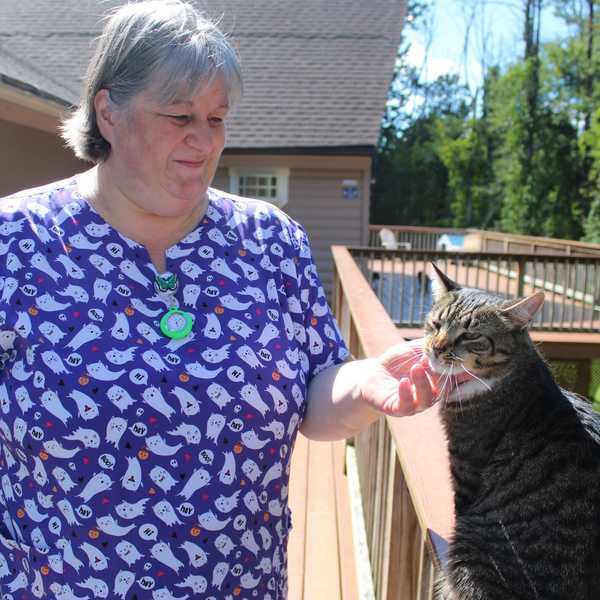
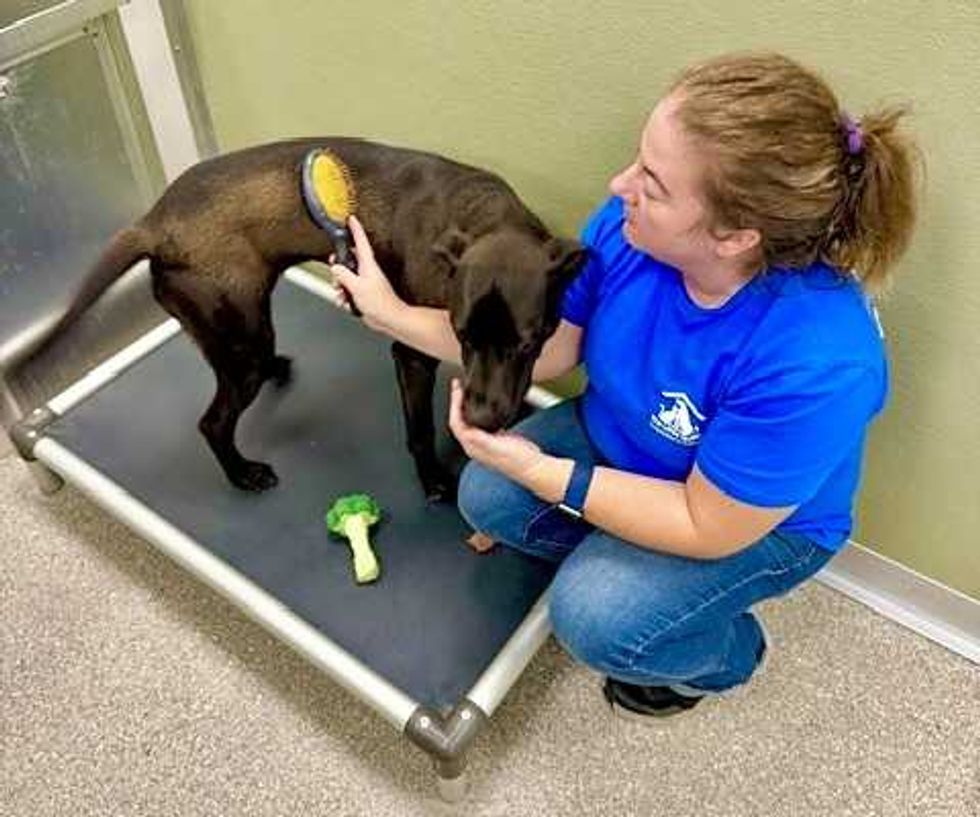 Tiffany Lemelin, shelter manager, brushing Marsala upon arrival.Provided
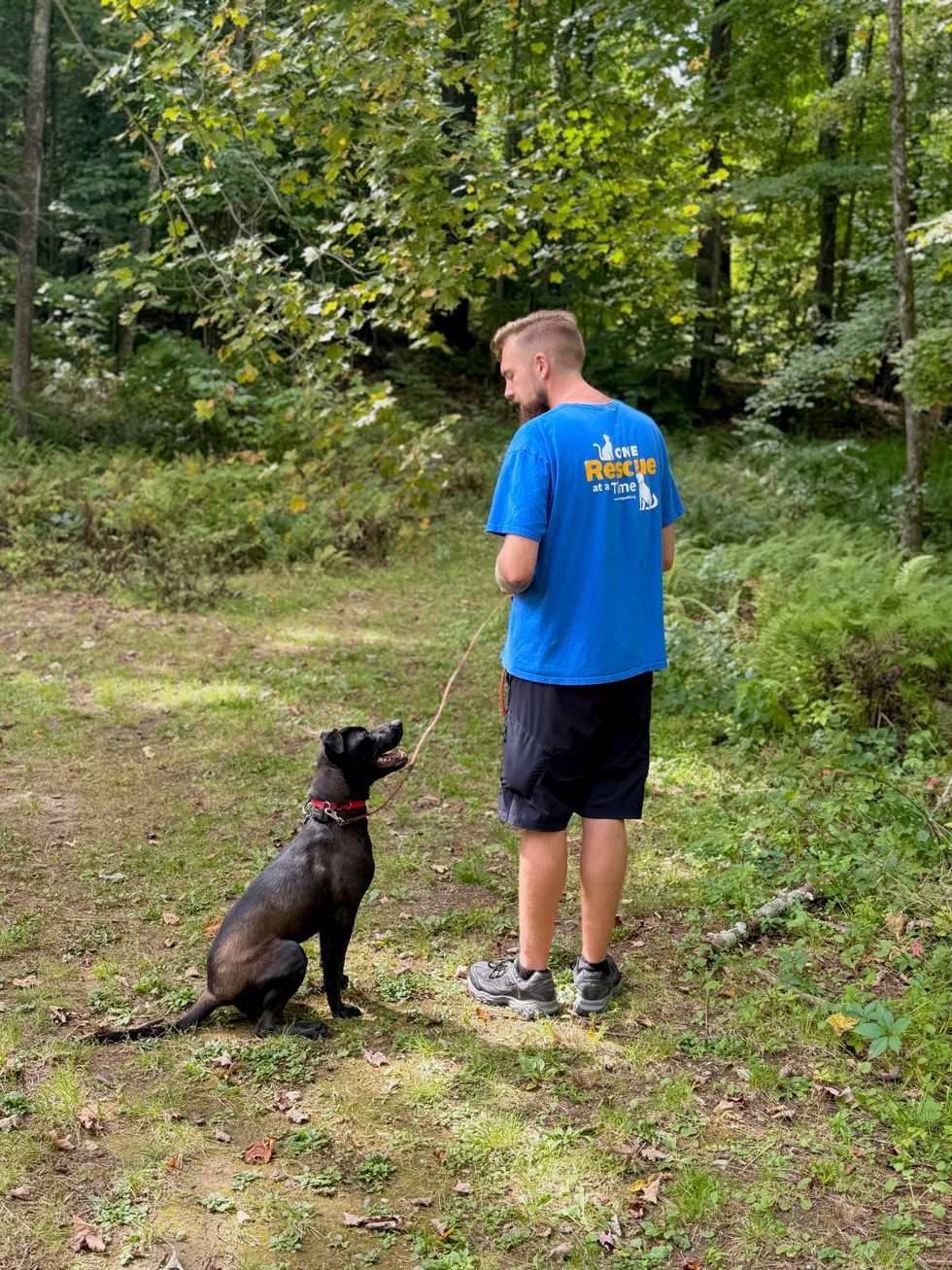 Michael DeBarba, certified dog trainer working with Marsala.Jennifer Almquist
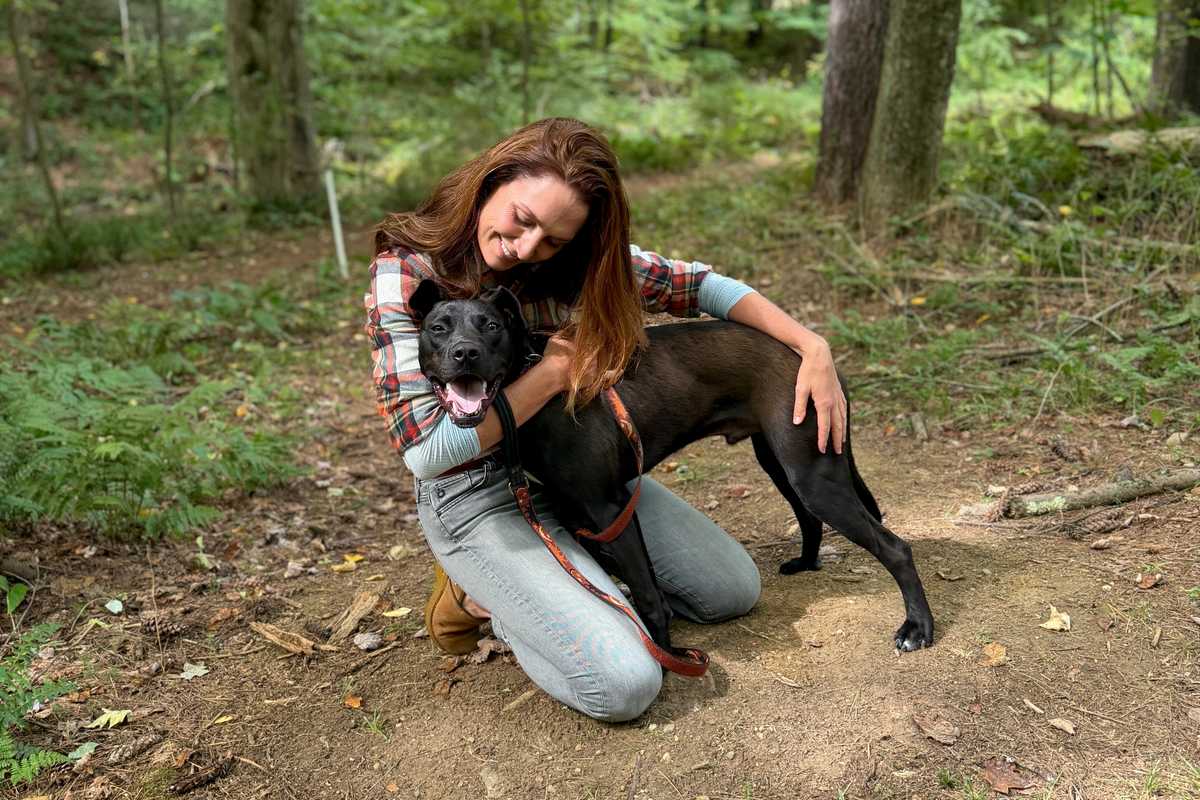 Marsala wins a heart.Jennifer Almquist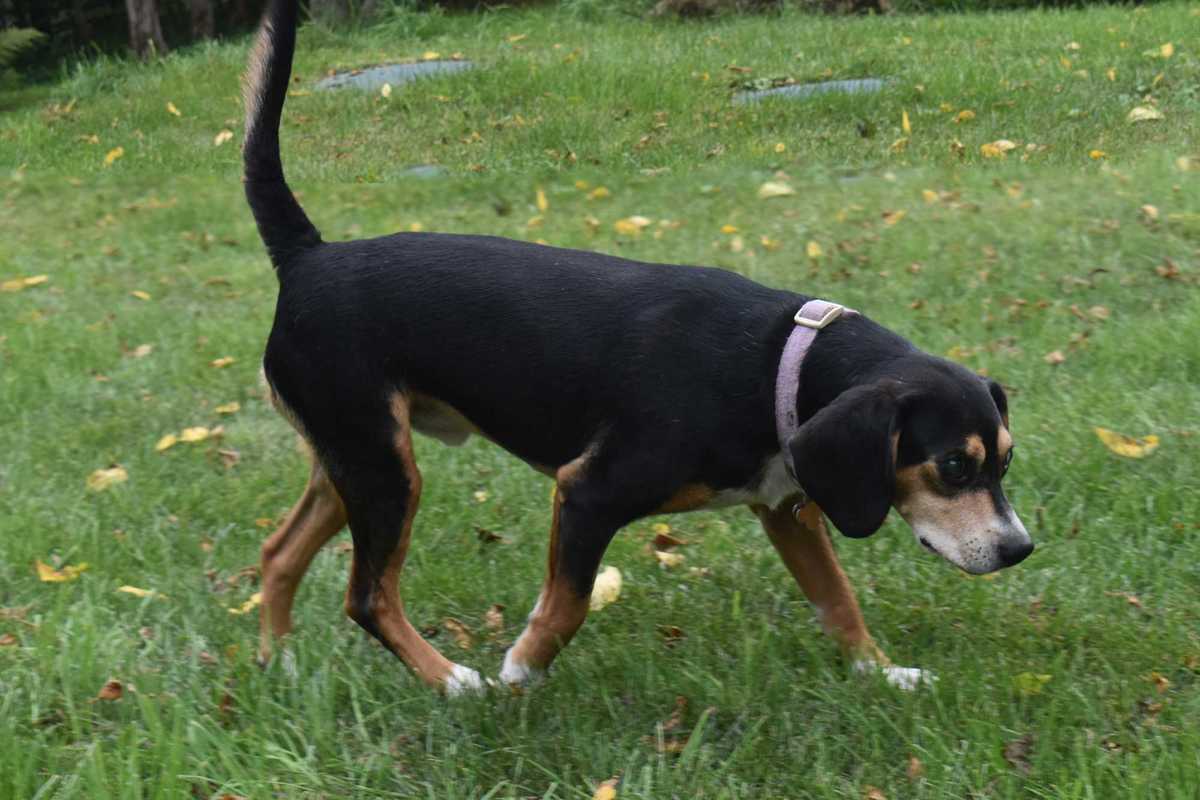
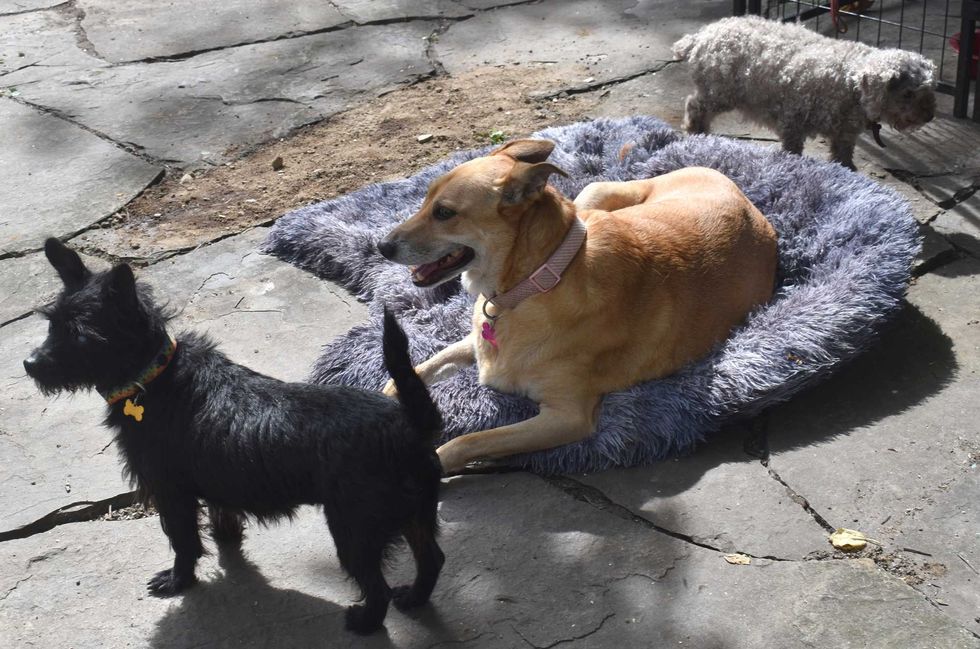 Sadie, center, a Carolina dog, plays with her friend Negra, a terrier mix. Bella Linda, the small poodle, has since been adopted.L. Tomaino
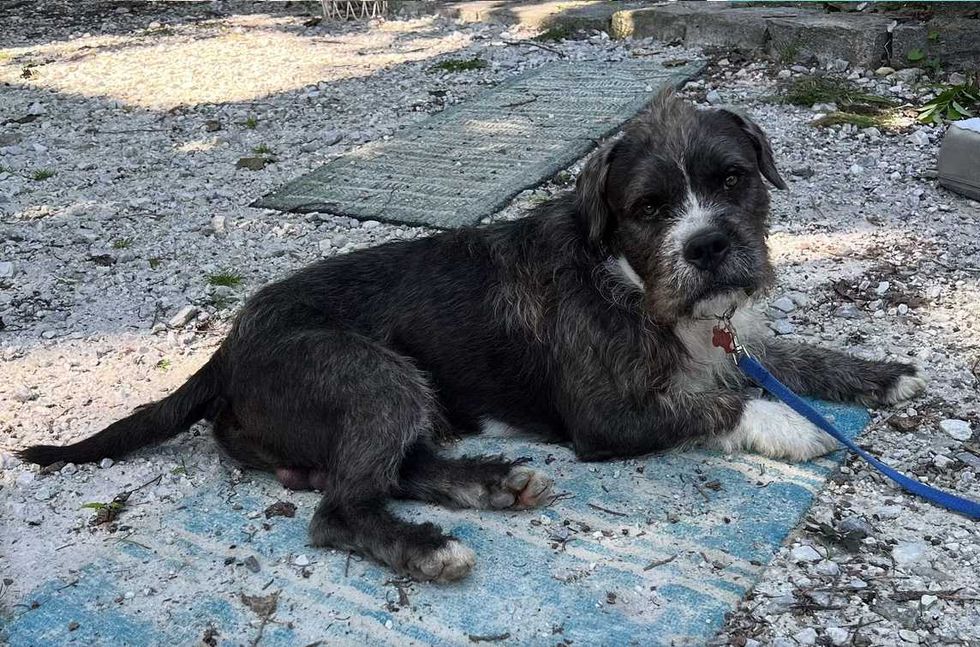 Wesley, a young, exuberant mix, is looking for an active home.L. Tomaino
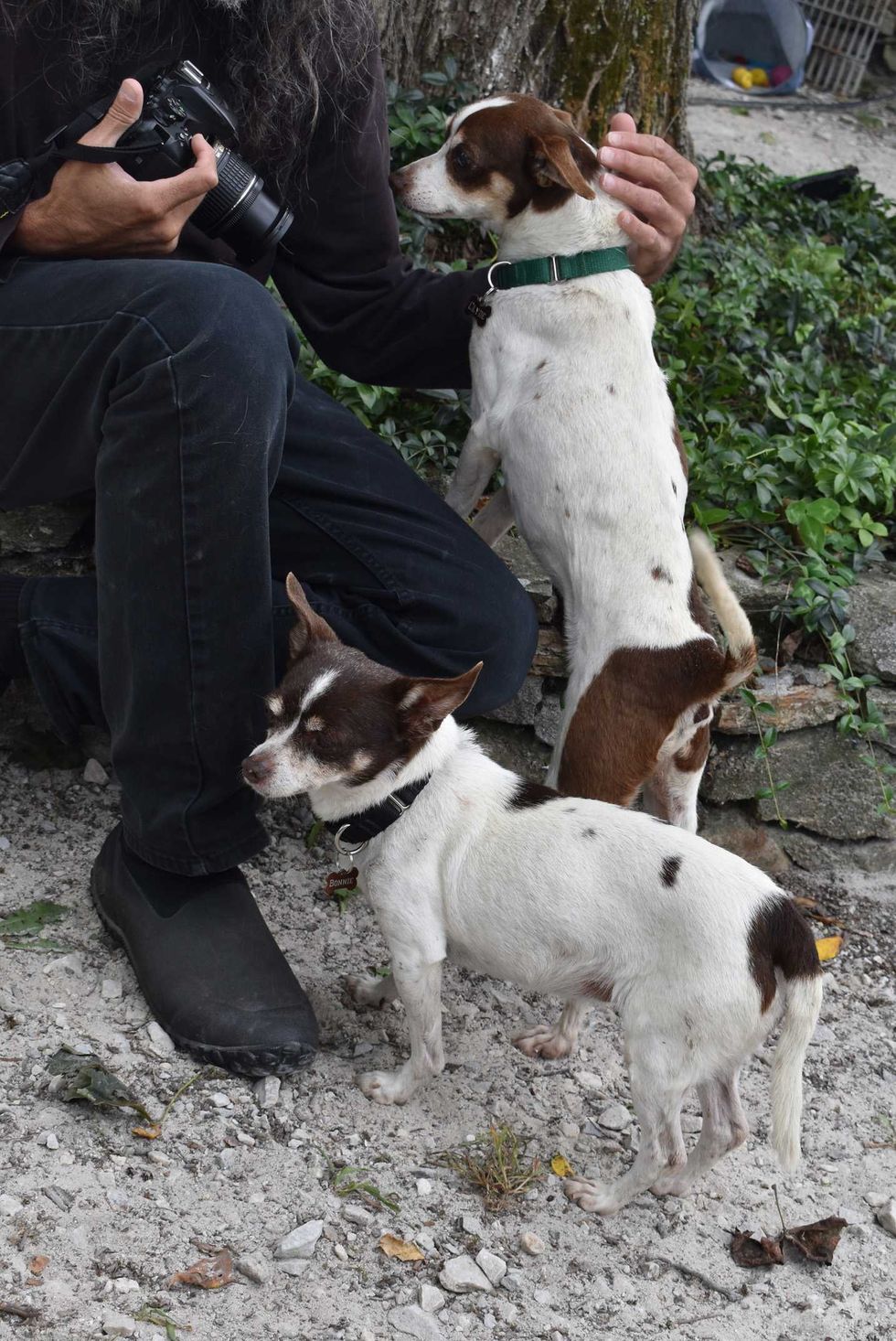 Bonnie and Clyde, an affectionate terrier pair.L. Tomaino