Always be skeptical of politicians who claim to want open government and transparency. What they want is leverage and finger-pointing control in the very government they claim needs airing in public.
Transparency sounds good but is likely never to be truly factual nor transparent. Politicians use phrases like “we need a new broom to clean out government” or “let in fresh air on government decisions.”
What are they really determined to do? Expose a few past secrets, vilify someone —anyone other than themselves — and thereby keep voters’ eyes off of their own doings. They blame politicians all the while being politicians themselves. Pot calling the kettle black.
Similarly, claims of “bureaucracy run amok” stifling industry usually are a means to repay industrialists political contributions by removing safeguards for all sorts of planning and necessary regulations. No one ever asks philosophical or scientific questions on why the Environmental Protection Agency (EPA) wants to safeguard the environment. Instead, people rely on under-educated clever politicians’ claims that the EPA is stifling jobs and that hidden obstacles put in place by those “bureaucrats” are hurting America. Oh, and they usually stand before a flag while making such claims. It’s all theater meant to obscure and obfuscate the truth and the voters’ intelligence.
This system operates precisely because too many politicians claim they are appealing to the voters’ intelligence, understanding and experience — at the same time never actually revealing all the truth nor seeking to educate the electorate.
An uninformed electorate is more easily led. They rely on engineered reverse intelligence. It’s kind of like Jesus’ lesson: Give a man a fish and he’ll admire you; teach him how to fish and he’ll manage his own future.
Many politicians only promise a fish — and you know who they are if you pay attention — they’re great nay-sayers while never actually telling you what actually should be done. It’s easy to claim something is wrong, corrupt or fake news if you prevent your voters knowing facts.
Worse still, when voters believe (as a faith) something they have been told as fact but is later proved a falsehood, they will always lack the intelligence — that they were initially denied — to make a better assessment. Many politicians running in 2022 and 2024 are relying on this law of inverse intelligence. And they know their followers will always be too ashamed to recant their faith.
Part of the argument goes like this: True knowledge means complicity in the outcome. It results in guilt.
We learned this in Vietnam. Bombarded with direct broadcasts every night on TV and radio, the public was seething with guilt over Vietnam in just a few years. Why? Because, in a limited way, we had “open government” and “open media.”
Vietnam always led the news. By the time the White House was involved in Afghanistan and Iraq, they had learned their lesson and — using commercial advertisers’ power over the media — got the media to move deaths and failures down the broadcast, off the front page, diminishing impact of bad news. This media slight of hand, pressured by commercial interests, is the Law of Inverse Relevance. If it doesn’t seem so relevant to your daily life, they get to sell you more corn flakes and, yes, you’ll feel less guilty, unlike Vietnam.
Let’s face it: Ignorance has a certain dignity. Being uninformed and in the dark is — in many ways — an easier life than being informed. Look, if the electorate doesn’t know what you are actually doing, if you withhold information that may not be good for their easier life, you may get them to vote for you again and again. Part of the problem is that the U.S. media is like an alcoholic, always wanting more juicy truths but currently operating in a medium of prohibition.
A really clever political apparatus knows how to drip feed — and thereby control — that craving, thereby assuring the laws of inverse intelligence and relevance remain the status quo.
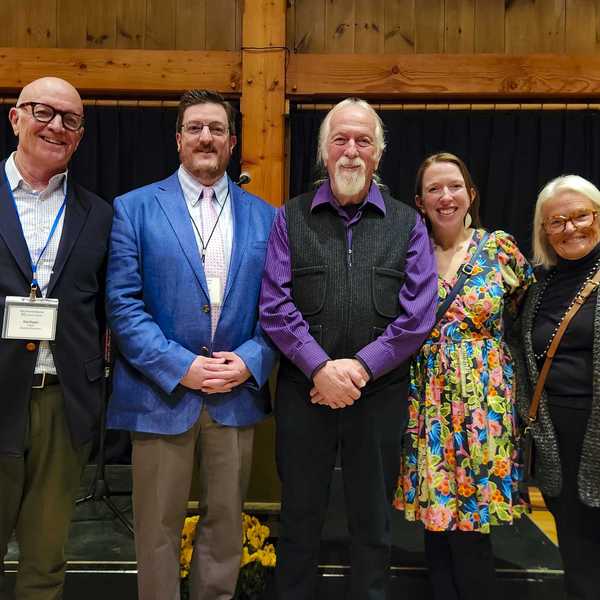
Peter Riva, a former resident of Amenia Union, now resides in New Mexico.




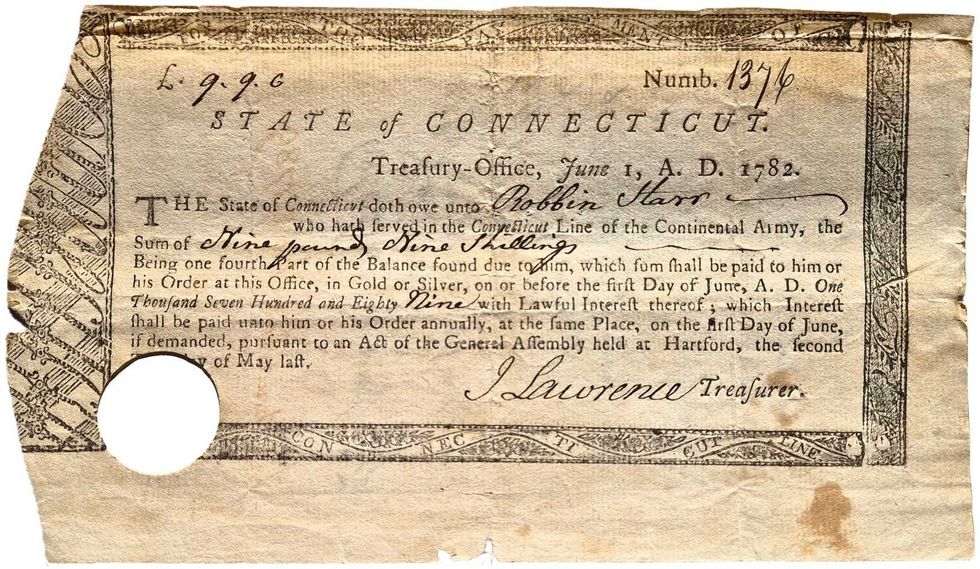 Pay Bill for Robin Starr’s service in the Continental Army.Courtesy the Alex Breanne Corporation
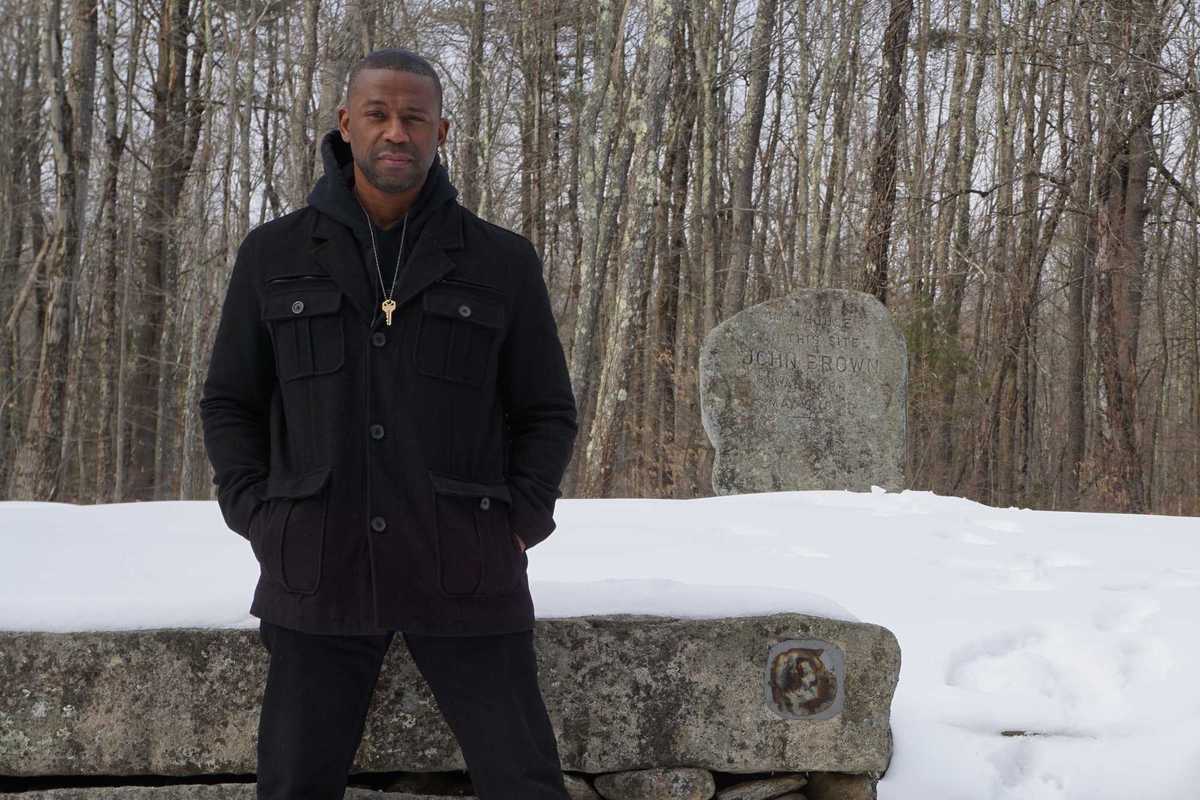
 John Mills speaking at Quinnipiac University.Courtesy the Alex Breanne Corporation

 Stephanie Saetta,with her rescue dog George and Blue (left), a shepherd mix awaiting his forever home.Madi Long