When the Supreme Court overturned the almost 50-year-old landmark decision Roe v. Wade on Friday, June 24, which had up until then protected a woman’s right to a safe and legal abortion, it reversed vital precedent.
In doing so, the bombshell decision was only the third time the highest court in the USA set a precedent that took away an individual’s right rather than expanded it — which is dangerous and tragic for our democracy.
For once the court establishes such a pattern, it could set the course for placing other constitutional rights most Americans take for granted at risk.
In fact, this ruling could crack the door and let courts potentially overturn rulings on same-sex marriage, contraception and other rights U.S. citizens hold near and dear in the immediate future. The justices have reportedly already been debating those points.
With conservative Justice Samuel Alito writing the majority opinion on Friday’s abortion case, a woman’s constitutional right to get an abortion is no longer federally protected.
Think about that for a moment. This country is actually going backwards. What if that were the case with how the U.S. progressed in terms of science, technology or any other modern-day innovations? Would our leaders — our mostly male leaders — support such laws then?
So, who, exactly are these justices to deny so many millions of American woman, trans and/or non-binary individuals such a basic freedom? Who are the politicians, the religious leaders and the many other abortion opponents who have fought for five decades — and now succeeded — in making an essential medical procedure unavailable to patients who require it?
Are they medically trained, psychologically equipped and qualified to evaluate and then forbid patients to make decisions regarding their own bodies?
Would you like a stranger to prevent you or one of your loved ones from accessing essential medical care — or be ordered to carry a child to full term — even if you were a victim of incest, rape, if you have serious health issues or if you don’t have the mental, emotional or financial ability to deal with a pregnancy? What if that pregnancy was life-threatening?
Would you want to have another person, completely unfamiliar with your life, making your decisions for you? It’s doubtful, and there’s no reason why you or others should have to do so. Not in the year 2022, and certainly not in the United States of America, which has always served as a beacon of democracy and personal freedom to the rest of the world. Those rights should continue to grow into the future, not decline.
Interestingly, according to an excellent May 4 article in The New Yorker written by Jill Lepore entitled, “Of Course the Constitution Has Nothing to Say About Abortion,” it states, “There is nothing in that document about women at all. Most consequentially, there is nothing in that document — or in the circumstances under which it was written — that suggests its authors imagined women as part of the political community embraced by the phrase ‘We the People.’”
Perhaps that isn’t terribly surprising. What’s sadly less surprising is that not much seems to have changed in the last 235 years.
Immediately after the court handed down its ruling, tens of millions of women lost access to safe and legal abortions, putting their health at risk. While the ruling itself didn’t initiate a ban, it gave states almost limitless power to do so.
The question one must now ask: Which basic right will we lose next?
Hearts broken
This is a week when The Lakeville Journal family is feeling the full onslaught of immeasurable grief, in the loss of one of our own. Former Lakeville Journal executive editor and current Compass editor Cynthia Hochswender has lost her 28-year-old daughter Kate to suicide.
There are too many families who must deal with this kind of loss now, and our hearts are with Cynthia, her family and friends as they cope with this tragedy.
There are clearly no guarantees in life, but if you know of someone who you believe might benefit from your help in a time of crisis, reach out to them and do your best to offer support. It’s all any of us can do.










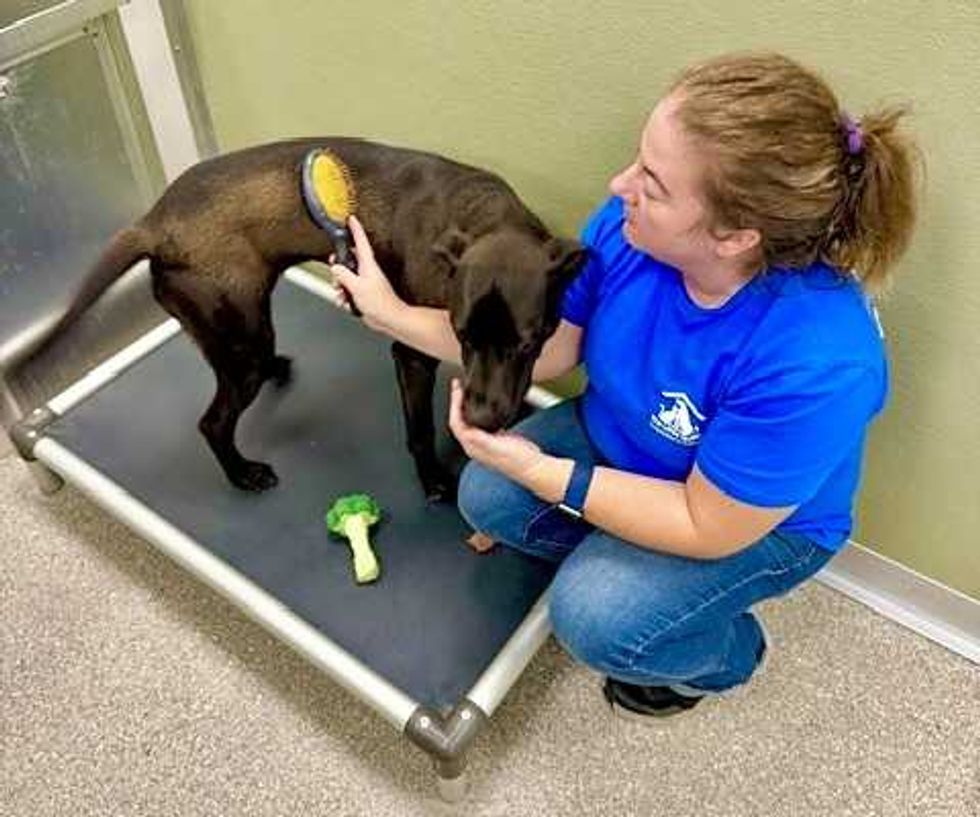 Tiffany Lemelin, shelter manager, brushing Marsala upon arrival.Provided
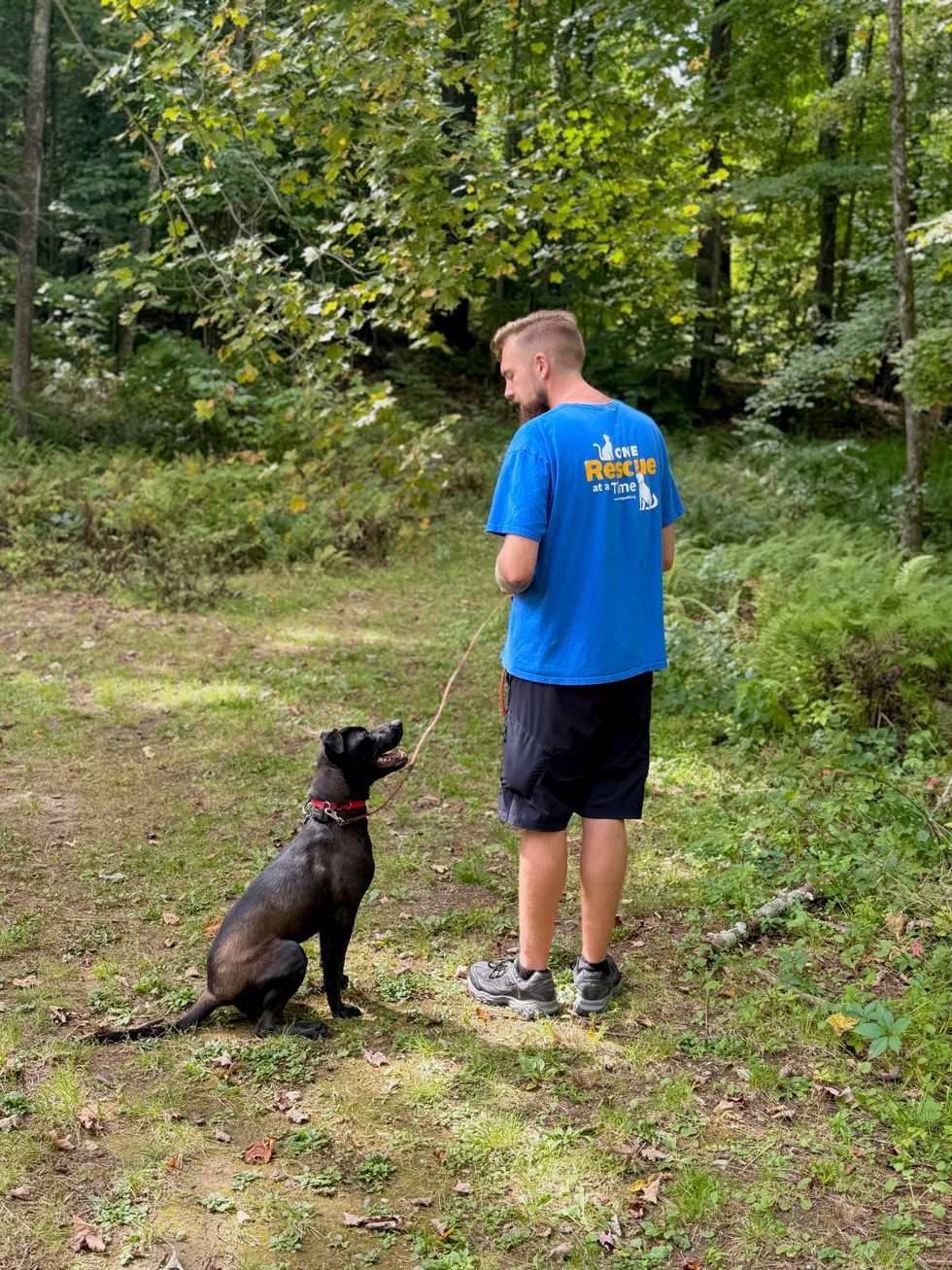 Michael DeBarba, certified dog trainer working with Marsala.Jennifer Almquist
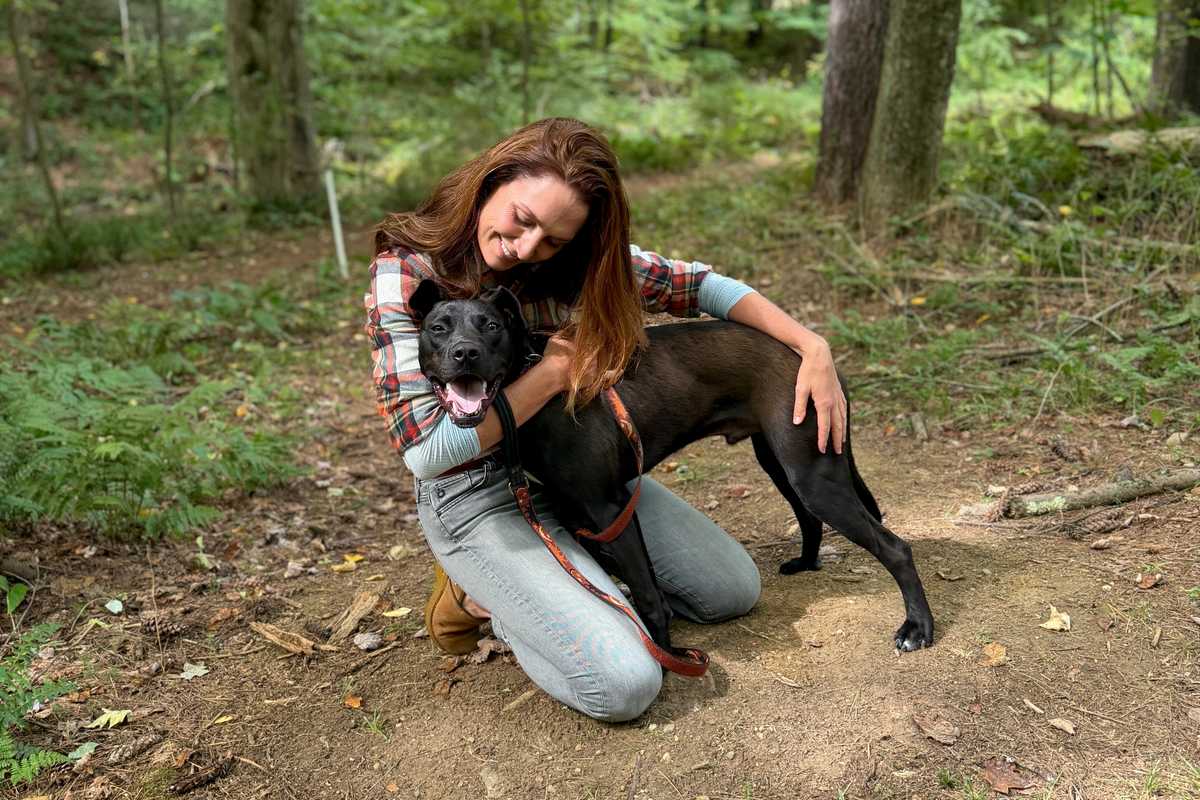 Marsala wins a heart.Jennifer Almquist
 Sadie, center, a Carolina dog, plays with her friend Negra, a terrier mix. Bella Linda, the small poodle, has since been adopted.L. Tomaino
 Wesley, a young, exuberant mix, is looking for an active home.L. Tomaino
 Bonnie and Clyde, an affectionate terrier pair.L. Tomaino