GREAT BARRINGTON — Amid the state’s inability to provide shelter to all who seek it, 84 migrants have arrived at hotels in Great Barrington and Pittsfield to stay until they settle either in the Berkshires or elsewhere.
Along with the state — through its Right to Shelter emergency family program — a slew of nonprofits, agencies and community leaders are working hard to support the newcomers with necessities that include navigating medical care and legal assistance as well as providing translators.
For instance, the state has contracted with restaurants and food providers to make sure the new families have three meals delivered every day, said Pittsfield Mayor Linda Tyer, who has convened a “Community Care Team” composed of city and state officials and nonprofit leaders.
“There’s this entire ecosystem of care that’s happening primarily by local partners, which honestly, I am so in awe of and inspired by the way that we have come together,” Tyer said in a phone interview.
Most of the newcomers are from Haiti. Around 33 people arrived on Oct. 27 in Great Barrington, then the rest to Pittsfield the following week.
“They need absolutely everything,” said Gwendolyn VanSant, Founder and CEO of Multicultural BRIDGE, whose staff and volunteers have helped them in a variety of ways.
One organizer said that this influx isn’t really so unusual. While it may appear dramatic because it was through the state’s shelter program, it isn’t out of the ordinary to have people, including migrants — either individually or in groups — arrive here.
“People come in every day who are vulnerable and we take care of them,” said Deborah Phillips, director of Southern Berkshire Rural Health Network, which helps coordinate any direct help a person or group may need. The network is also a part of BASIC — or Berkshire Alliance to Support the Immigrant Community — an organization that provides resources for everything from English classes to banking and transportation help.
Phillips said this particular group of new arrivals is complicated “by a lot of moving parts and the state’s involvement,” but otherwise are no different than all the other people — immigrant or not — who move to the county and need help.
A lot of resources are already baked into what nonprofits, schools and various agencies are doing, said state Rep. Tricia Farley-Bouvier, D-Pittsfield. Schools are regularly welcoming new students who may have just arrived from another country.
Farley-Bouvier said that the state has had to spread out its sheltering system.
“When it comes to the emergency shelter system, it became very clear that it was important to distribute sheltering throughout the state as opposed to having it just be, for example, in Boston,” Farley-Bouvier said. “It was just our turn to do it.”
As for the coming winter, Phillips and Tyer said warm clothing for the families in both Great Barrington and Pittsfield is being provided.
At Multicultural BRIDGE, staff and volunteers are working to find culture-specific food and other resources similar to what BASIC provides. BRIDGE CEO VanSant said United Way is also involved, and other organizations include Volunteers in Medicine, Community Health Programs, Southern Berkshire Rural Health Network and the Family Resource Center.
Tyer told The Eagle that she had started pulling the care team together when Healey said the government would need help from communities statewide, so that “on a moment’s notice we could be ready.”
And ready the city was, Tyer said, with the other nonprofits and agencies pitching in to provide “wraparound services” to the newcomers.This includes transportation for the families, since the state is not paying for that. The state is, however, providing “the safety and security of hotel accommodations” as well as the food service. At some point, the schools will step in and help families enroll children. While Tyer would not say how long the state plans to pay for the shelter, she said it is long enough to help the migrants settle in. Tyer noted that the immigrants do have choices.
“They don’t have to stay in the system,” she said. “If they have family or connections either in the state or in other places. They are free to leave the emergency assistance shelter system and go out on their own and find their way to a stable community life.”
Tyer said the new families are “resilient and hopeful” despite the hardship of their journey.
The Journal occasionally publishes articles from The Berkshire Eagle.



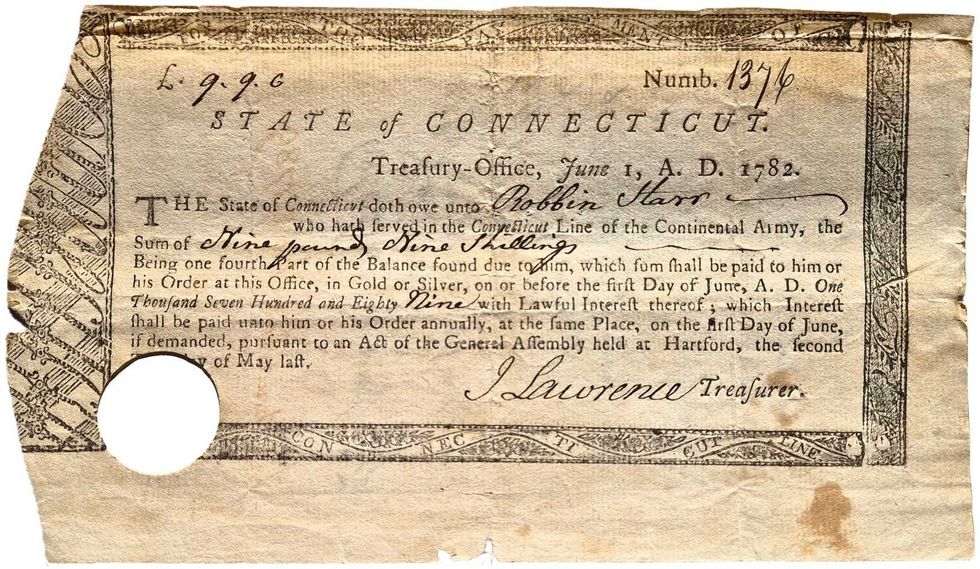 Pay Bill for Robin Starr’s service in the Continental Army.Courtesy the Alex Breanne Corporation
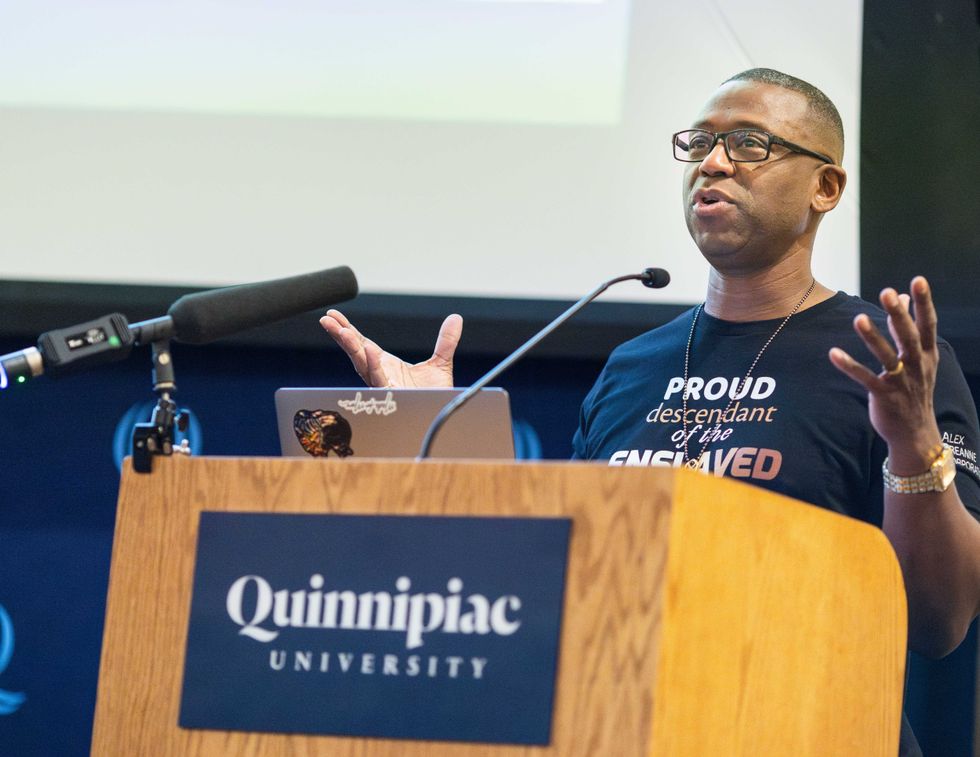 John Mills speaking at Quinnipiac University.Courtesy the Alex Breanne Corporation
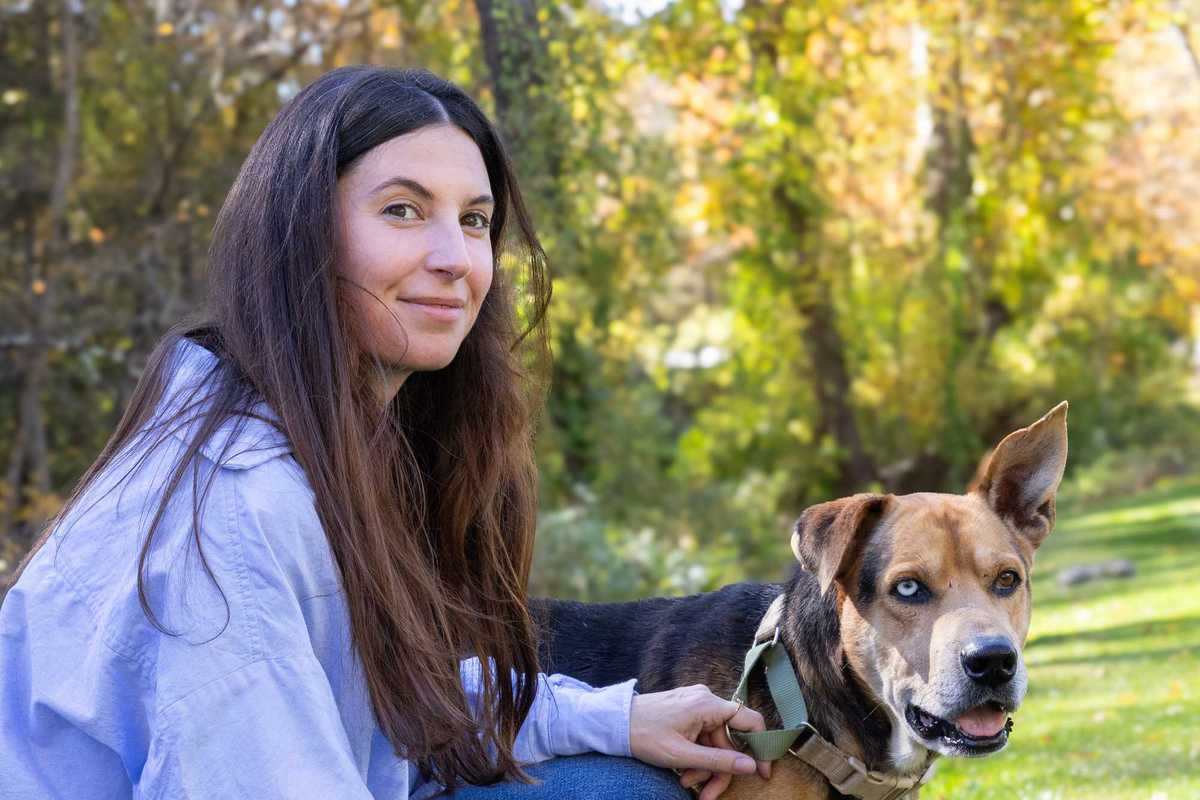
 Stephanie Saetta,with her rescue dog George and Blue (left), a shepherd mix awaiting his forever home.Madi Long