MILLBROOK — The scent of citrus, emanating from a discreet diffuser tucked along the wall, fills the air upon entering the historic farmhouse at Silverbrook Manor, where perfume expert Mindy Yang and her husband, William Harris, have started to build a life centered on regenerative agriculture and education.
It’s a fitting introduction to the couple and their property — a centuries-old farm that raised dairy cattle before the American Revolution and horses for decades afterward. Over glasses of cold water infused with mint from their garden, the couple described the property as a collision of eras and visions, blending Yang’s passion for scents, food and natural medicines with Harris’s interior design skills and love of history.
At Silverbrook Manor, a property on Route 82 near the Cornell Cooperative Extension campus, Yang and Harris are building what they describe as a community-centered farm focused on regenerative agriculture and education.
After Washington officials recently determined the operation could proceed without a special-use permit, the couple resumed plans they had been developing since purchasing the property in 2021. They have restored former horse paddocks into native wildflower habitat and begun working with experts in regenerative and Indigenous agriculture, with plans to eventually offer educational tours and operate a private community-supported agriculture program.
The history of the space looms large for Yang and Harris. They pieced together the home’s history through research and documents and photographs discovered beneath floorboards and in the attic.
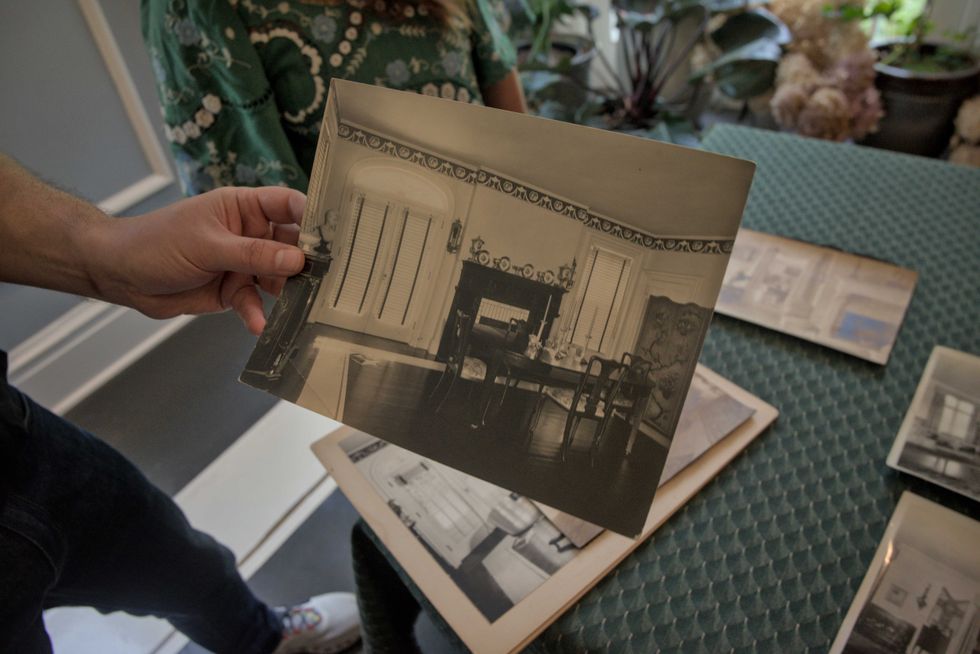 An historic photograph shows how former owners of Silverbrook Manor decorated their dining room.Photo By Nathan Miller
Harris said the house’s documented history dates back to before the Revolution.
“When Paul Revere was running down the street yelling ‘the British are coming,’ someone was here milking cows,” Harris said.
During the late-1800s and early 1900s, the home was owned by an actress named Katherine La Salle and her husband, Wentworth Bacon, a World War I veteran and dairy farmer who corresponded with President Franklin D. Roosevelt to voice his concerns about the dairy industry at the time.
The house reflects its storied past. Harris has taken care to establish design motifs that are at once modern and referential to the house’s history.
Modern art — some painted by Harris himself — and chic furniture mix and mingle with original crown molding, ornate fireplaces and vintage flooring that signal the house’s age.
For Yang and Harris, stewardship of the land and stewardship of the house go hand in hand — impulses that drew them both to regenerative farming.
Yang’s CSA concept was born out of dissatisfaction with the traditional model. She described typical CSAs as being transactional. That transaction gets food to people who want it, but they leave with vegetables and still have to rely on growers and suppliers to get more. Teach someone to fish, however, and the world might actually start to change, Yang said.
Yang’s CSA would center education and sharing knowledge. She has a vision that includes an intimate and private group of members taking advantage of the green space, walking through the fields and gardens, and learning and teaching others about how to forage for wild food and how to grow vegetables, herbs and medicinal plants.
“Nobody’s learning anything, nobody’s getting their hands dirty,” Yang said. “We can make the most beautiful painting and collect the most beautiful things but we don’t get to share with anyone.”
The CSA operates on a tiered subscription model. Currently, the so-called Farm Club offers a community share level — designed with individuals and families in mind — for $85 per month, a merchant share tier for $120 per month and a creative share tier — geared toward chefs, educators, herbalists and the like — for $285 per month.
Yang said there are currently only three members in the CSA. The couple had waited to fully advertise the CSA until regulatory hurdles with the Town of Washington had been cleared.
In April 2026, Yang and Harris received a letter from Washington’s zoning code enforcement officer advising them to seek a special use permit from the Planning Board under the town’s regulations on private clubs and educational institutions. The pair appeared before the Planning Board in June, but were told their operation didn’t qualify as a private club — which typically refers to country clubs or other recreational organizations that operate a clubhouse for social gatherings — or an educational institution, which refers to things like boarding schools and colleges.
In fact, Planning Board members took the position that the couple’s proposed operation is covered by right under New York State law and the town’s zoning code, and told Yang and Harris to carry on with the CSA operation.
Now, the couple are pressing forward with their goals, albeit slowly and methodically.
Outside the old farmhouse, Yang’s garden and greenhouse look like barely-controlled wildness — which is exactly the point.
Yang centers regenerative farming techniques that work to improve soil health and local ecology. Her commitment to naturalist practices runs deep — she even refuses to use a tractor on the property for fear of compacting soil too much and a desire to emit as little harmful chemicals as possible.
Yang and Harris emphasized the influence that indigenous farmers have had on their philosophy and techniques. Yang mentioned the “three sisters” — corn, beans and squash — and how planting them all together creates a synergy that helps each of the plants thrive despite being in such close quarters to each other.
She takes that approach throughout the garden, ditching herbicides and pesticides for pest-deterring plants like marigolds and other aromatic flowers.
Yang invites those who are interested in joining the CSA to visit silverbrookmanor.com to learn more about the operation and pricing. The couple emphasized a private, intimate approach to membership, saying they plan to vet all applicants before accepting any applications.






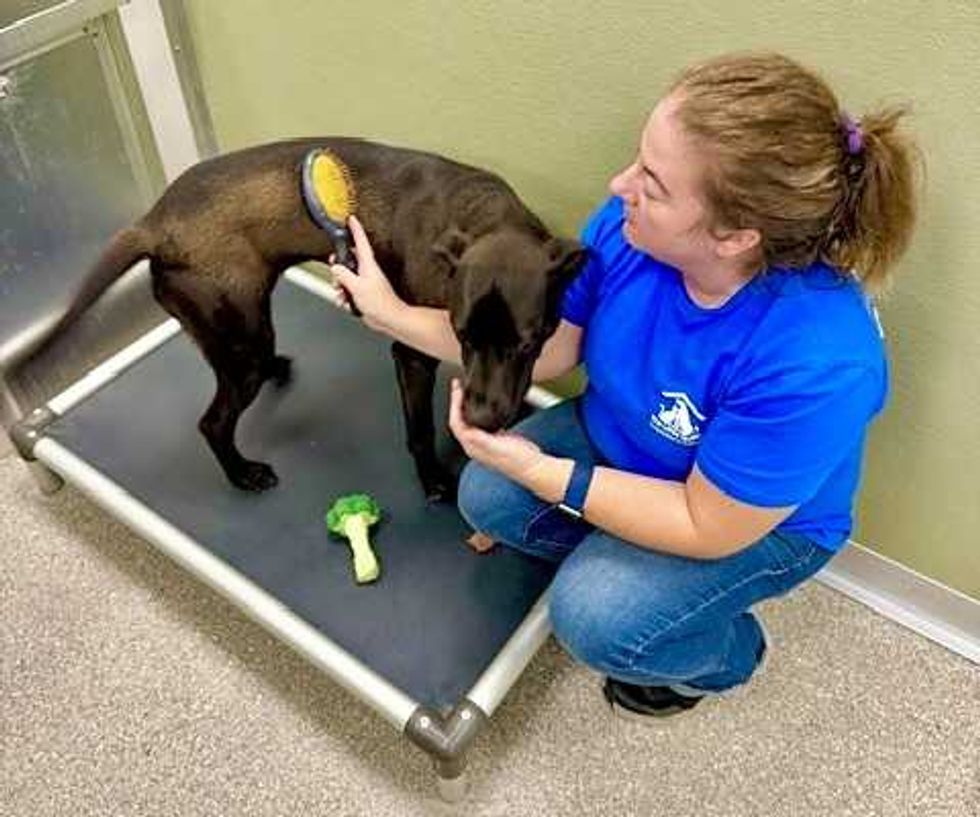 Tiffany Lemelin, shelter manager, brushing Marsala upon arrival.Provided
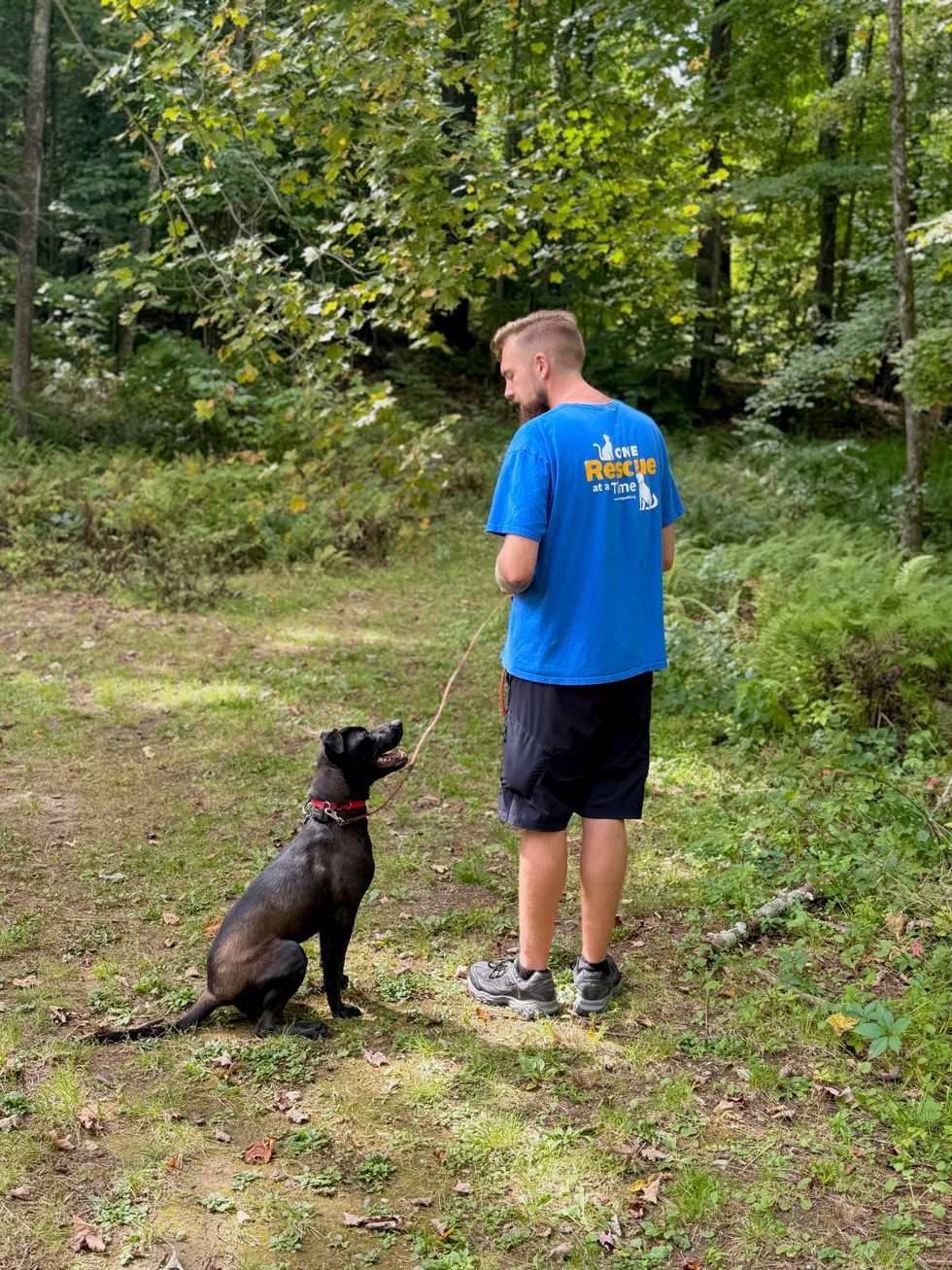 Michael DeBarba, certified dog trainer working with Marsala.Jennifer Almquist
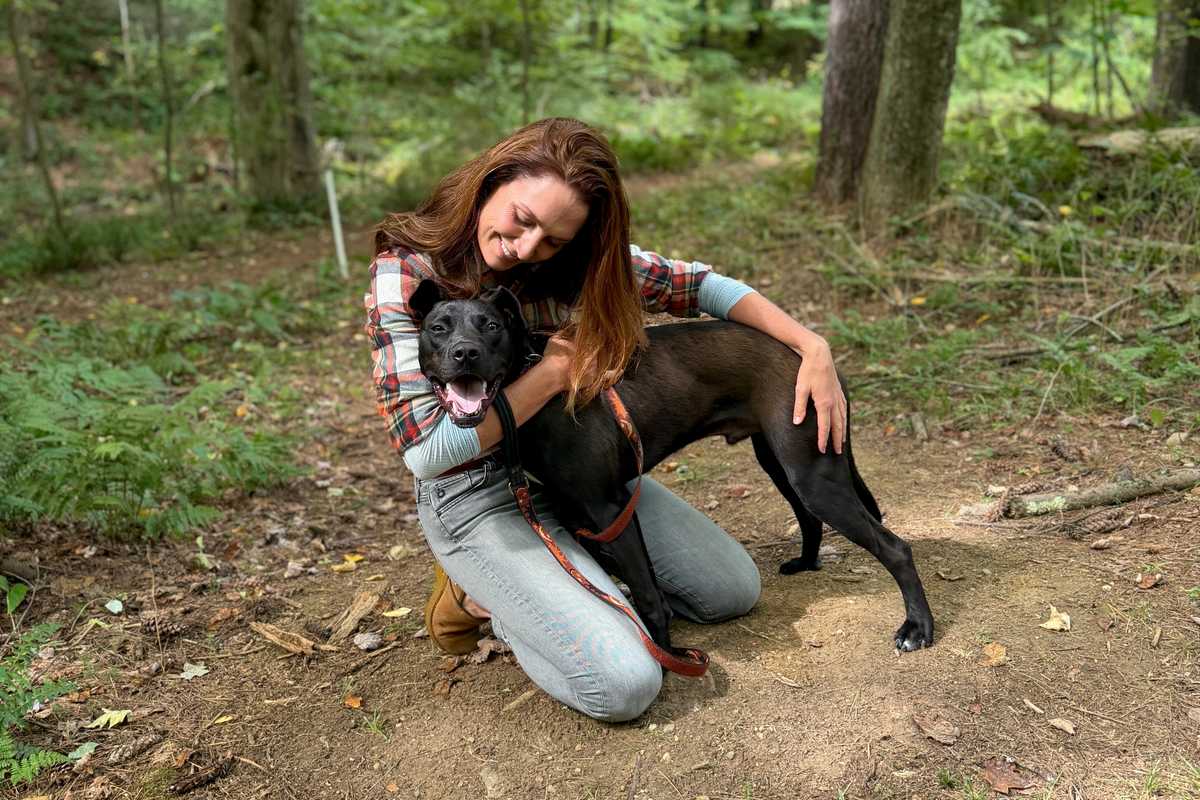 Marsala wins a heart.Jennifer Almquist
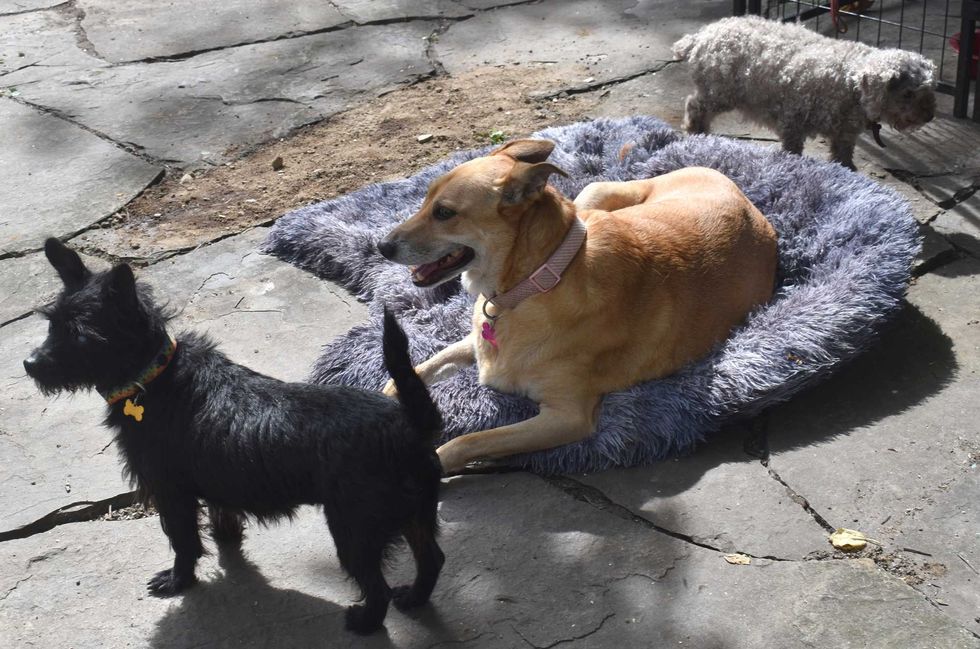 Sadie, center, a Carolina dog, plays with her friend Negra, a terrier mix. Bella Linda, the small poodle, has since been adopted.L. Tomaino
 Wesley, a young, exuberant mix, is looking for an active home.L. Tomaino
 Bonnie and Clyde, an affectionate terrier pair.L. Tomaino