A year after federal funding cuts to supplemental food programs, local farmers markets and food pantries continue adapting to ensure community members have access to food.
Farmers markets throughout the region accept a variety of food assistance benefits, and food pantries are switching to new choice models, allowing their guests and neighbors to choose their food rather than be sent home with a pre-packaged box.
Food assistance programs include Women, Infants, and Children (WIC) benefits, SNAP, Double Up Food Bucks, and Farmers’ Market Nutrition Program checks.
Double Up Tokens and FreshConnect Checks are both matching programs, where coupons and tokens handed out by local food pantries or the market are then matched through federal programs or farmers markets themselves.
Previously, local food pantries have made boxes with different foods to supply households for a set amount of meals. For example, St. Thomas Episcopal Church gives each household enough food for nine meals. Community members would show up and grab a box. Now, people can choose what foods they need for their family. For example, they can choose between pasta and rice, or between various types of vegetables.
“The hope is that people can really choose the food that meets the needs of their particular household,” said Jordan Schmidt, the food programs director at the North East Community Center.
Katie Cariello, one of the food programs coordinators at NECC, said it’s important that people feel heard, both through choice models and through conversations during delivery programs.
“There’s humanity behind this,” Cariello said. “We are here helping and supporting, and that feels very impactful.”
NECC helps between 200 and 250 households each week, and last year the organization saw around 4,400 households. St. Thomas’ pantry serves around 600 households weekly.
Paulo Rossi, the pantry manager at St. Thomas Episcopal Church in Amenia said that the choice model also helps with inventory and shipping.
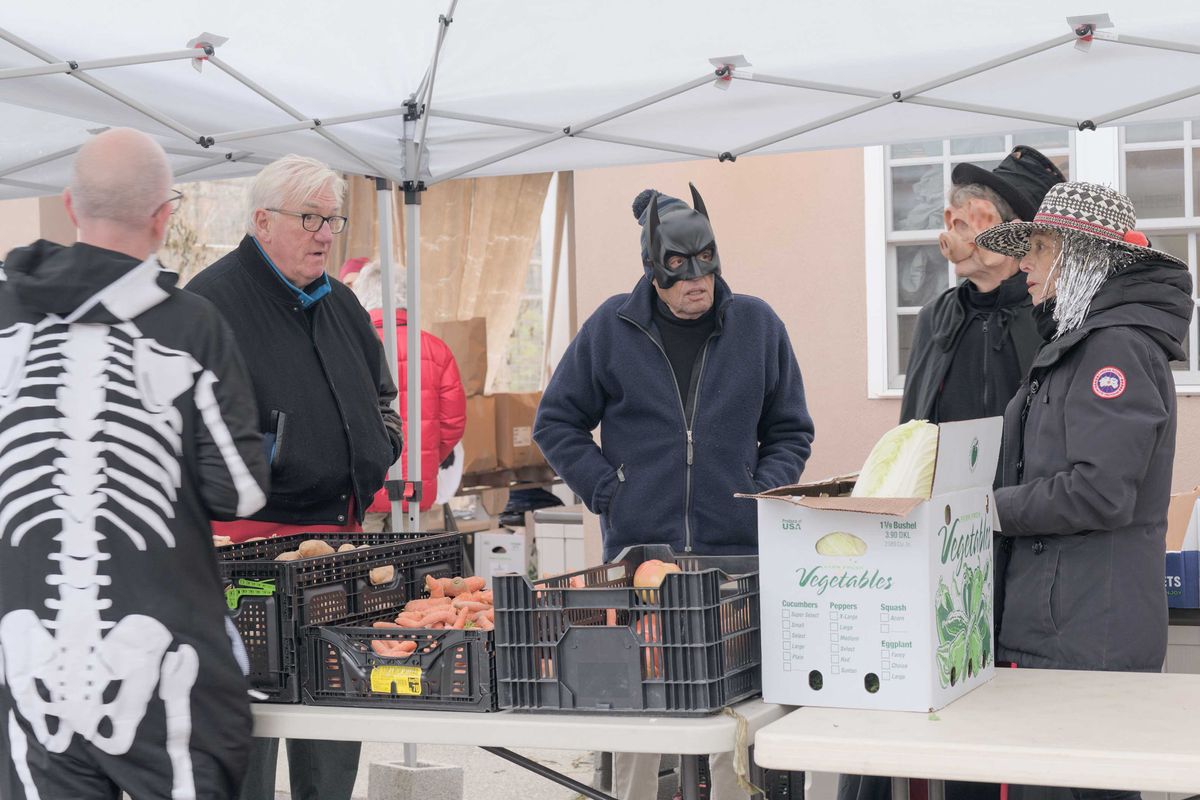
The North East Community Center and St. Thomas Church work together to provide food assistance programs to the community.
“One of the things that I found most valuable and exciting is it’s really not about each individual organization. It’s about how we support each other across the region,” Schmidt said.
Following the One Big Beautiful Bill Act, signed into law July 2025, funding was cut to the Supplemental Nutrition Assistance Program. This has affected food banks that supply local pantries, limiting options and raising costs.
Interim Executive Director of the Missions at St. Thomas, Jim Wright, said that the regional food bank has “dramatically less food to offer either for sale and definitely for free. Forget for free.”
Wright said that the regional food bank is trying to expand its food options as much as possible, but federal funding cuts make it challenging.
At NECC, the pantry had to limit how often people could visit for food. Although they’re open weekly, they had to limit visits to twice monthly due to food limitations.
“We were having a really hard time with getting enough food on site to support everyone,” Schmidt said.
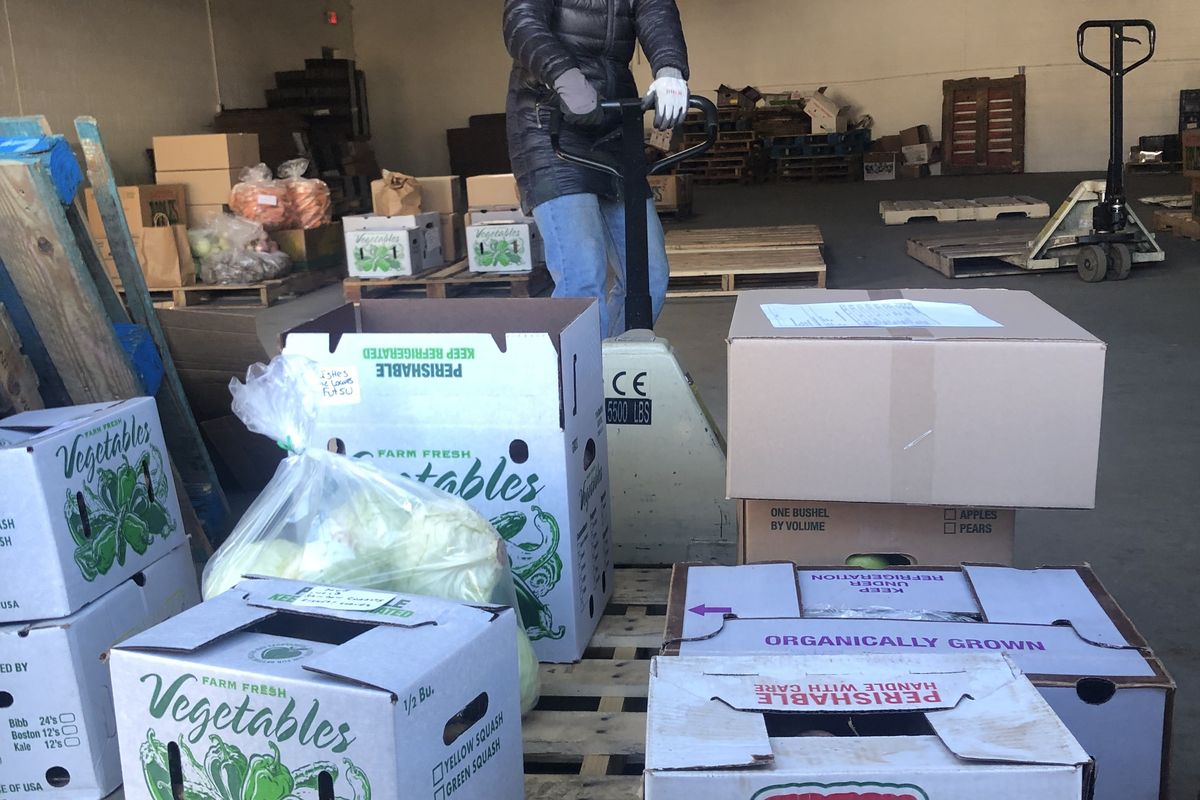
Both pantries partner with local farms for produce, and St. Thomas has onsite gardens. One is a teaching garden, and one is a giving garden. The giving garden has items like edible flowers, onions, and tomatoes.
“In addition to the vegetables we grow exclusively for our neighbors in the giving garden, we also have spectacular produce from local farms,” said Wright.
One of the more prominent issues that local food pantries face is access to protein, although it’s been slowly improving.
“It’s particularly impactful in terms of proteins,” Wright said. “It’s been getting a teeny bit better the last 2 weeks. There’s been at least some protein that our neighbors want to eat as opposed to canned chicken.”
Following federal cuts to SNAP, Schmidt has noticed some recipients are having a harder time receiving their benefits due to higher restrictions and an increase in required volunteer hours.
“These shifts seem like a disincentive to seeking or maintaining SNAP enrollment,” Schmidt said.
At food pantries, employees and volunteers make an effort to connect with their neighbors who come for food and toiletries. The teams also work to limit stigma around needing food assistance, and that the focus is keeping households fed.
“It’s about making people feel welcome and not ashamed when they’re accessing community food resources,” Schmidt said. “It’s about making sure the food is as nourishing as possible and also meets a wide range of cultural needs.”
NECC accepts a wide range of programs, including WIC benefits, SNAP, and offers Double Up Food Bucks and Farmers’ Market Nutrition Program checks.
Double Up Food Bucks and FMNP checks can be used at local farmers markets, including the Millbrook and Copake Hillsdale markets.
Millbrook Farmers Market introduced SNAP, FreshConnect and Veterans Benefits in 2025, and is continuing to expand throughout this summer.
The Copake Hillsdale Farmers Market started accepting SNAP in 2004, and has since introduced Double Up Tokens and Fresh Connect Checks.
The Copake Hillsdale market is a nonprofit, so it receives grant funding to match dollar for dollar. The market is also working towards funding for a van, which would provide transportation to the market for community members that need it.
“These programs help people,” said Copake Hillsdale Farmers Market Offsite Manager Nicole Friedrich. “There’s a lot of need.”
The Hillsdale Farmers Market sees between 10 and 12 customers each week who use some method of food assistance.






 Tiffany Lemelin, shelter manager, brushing Marsala upon arrival.Provided
 Michael DeBarba, certified dog trainer working with Marsala.Jennifer Almquist
 Marsala wins a heart.Jennifer Almquist
 Sadie, center, a Carolina dog, plays with her friend Negra, a terrier mix. Bella Linda, the small poodle, has since been adopted.L. Tomaino
 Wesley, a young, exuberant mix, is looking for an active home.L. Tomaino
 Bonnie and Clyde, an affectionate terrier pair.L. Tomaino