COPAKE — New York State denied Hecate Energy LLC’s application for a more than 700-acre Shepherd’s Run solar project, pointing to two factors: floodplain and community protection issues and identification of and protection of wetland resources in this rural hamlet.
Jason Zehr, interim executive director of the Office of Renewable Energy Siting and Electric Transmission,issued the decision on Wednesday, Oct. 14, five days before the clock was to run out for the state to approve or deny the Chicago-based company’s application.
“My analysis on each of these separate issues leads me to conclude that I am not able to affirmatively certify and determine that the project application satisfies the criteria for a permit,” Zehr wrote in his 31-page decision.
The denial caps years of protest from local residents and steadfast efforts on Hecate’s part to advance the 42-megawatt project, which initially was proposed as a 60-megawatt project before it had to be downscaled after the company lost control of some of the targeted project land.
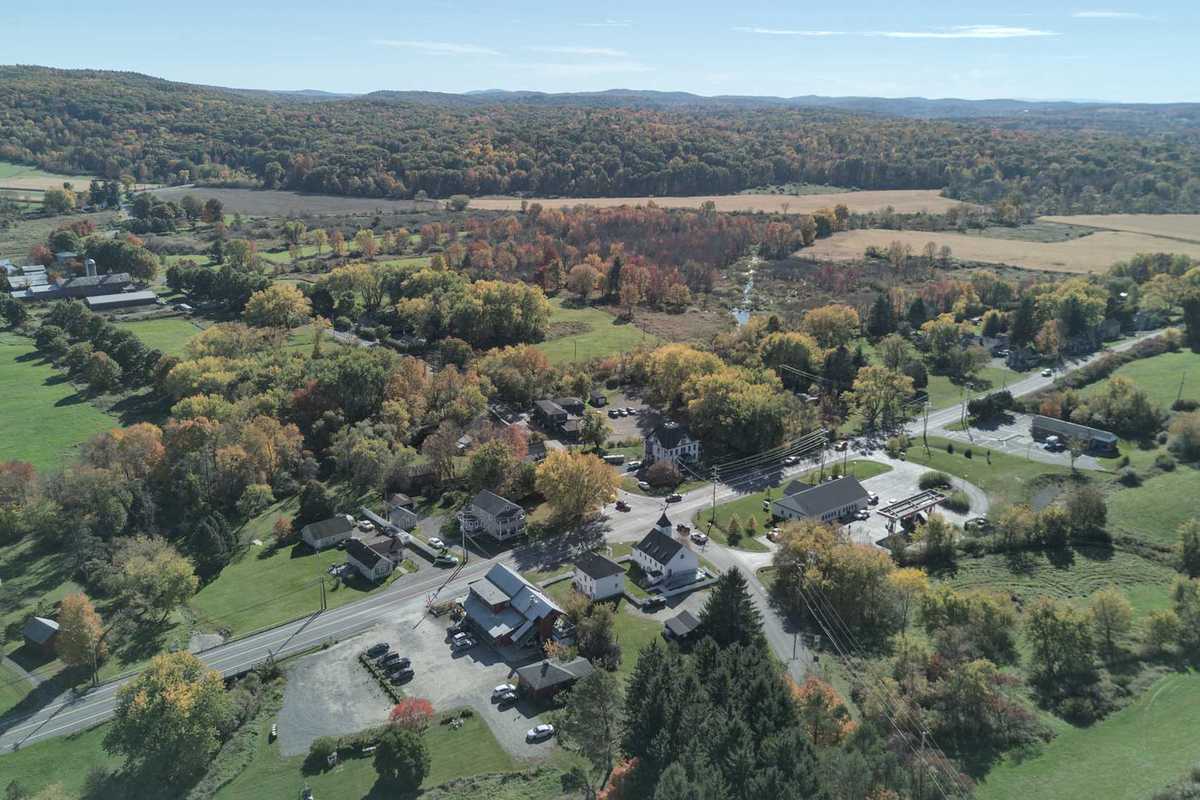
Shepherd’s Run was slated to be built near the intersection of Routes 7 and 23 in Craryville. The company first envisioned Shepherd’s Run in 2017 and has faced opposition from residents, state legislators and local politicians. In February, 2024 the company’s first application for what has been dubbed “Shepherd’s Run I” was dismissed by the state. The company then followed up with the current application in late December, 2024.
“Hecate strongly disagrees with this disappointing decision and is evaluating all available legal avenues to challenge it,” said Matt Levine, a Hecate vice president who has worked on the Shepherd’s Run project for years.
“Hecate Energy followed ORES’ rules and regulations, and ORES staff twice recommended permit approval. Yet this decision appears to elevate political pressure and misinformation over a fair, established permitting process. It sends a troubling message to developers and raises serious questions about New York’s commitment to its clean energy goals,” Levine added.
The Town of Copake has been a consistent opponent from the beginning.
“We are gratified that the long saga of Shepherd’s Run has concluded with a formal decision denying a permit,” said Richard Wolf, Copake supervisor, who has chronicled the project’s progress in periodic ‘Solar Update’ reports to the town’s residents. He counted up 79 separate updates over the years, he said.
Sensible Solar for Rural New York, a citizens group that has fought the project, wrote in a press release: “This brings an end, at least for now, to a David and Goliath battle between the small town of Copake, N.Y., and Hecate Energy, a large Chicago-based corporation.
“This has been a decade-long struggle, one where we kept raising the numerous reasons why this project should not be built,” Sensible Solar added.
The state received 1,166 individual verbal and written comments from members of the public. Of those 751 were opposed to Shepherd’s Run, 409 were in favor and six were neutral. The issues raised by the public focused on several areas: compliance with local laws; whether the Municipal Home Rule Law was being violated; impacts on agriculture, community character and visual impacts; and public health and safety. Concern also was raised about Hecate’s financial viability, raising questions about what would happen if the company couldn’t meet project obligations. There also were concerns expressed about the impact to wildlife, including loss of habitat, and to wetlands and flood risk.
Those who supported the project noted its contribution to renewable energy goals, including combating climate change.Supporters also endorsed reducing dependence on fossil fuels and decreasing air pollution along with economic benefits to the community.
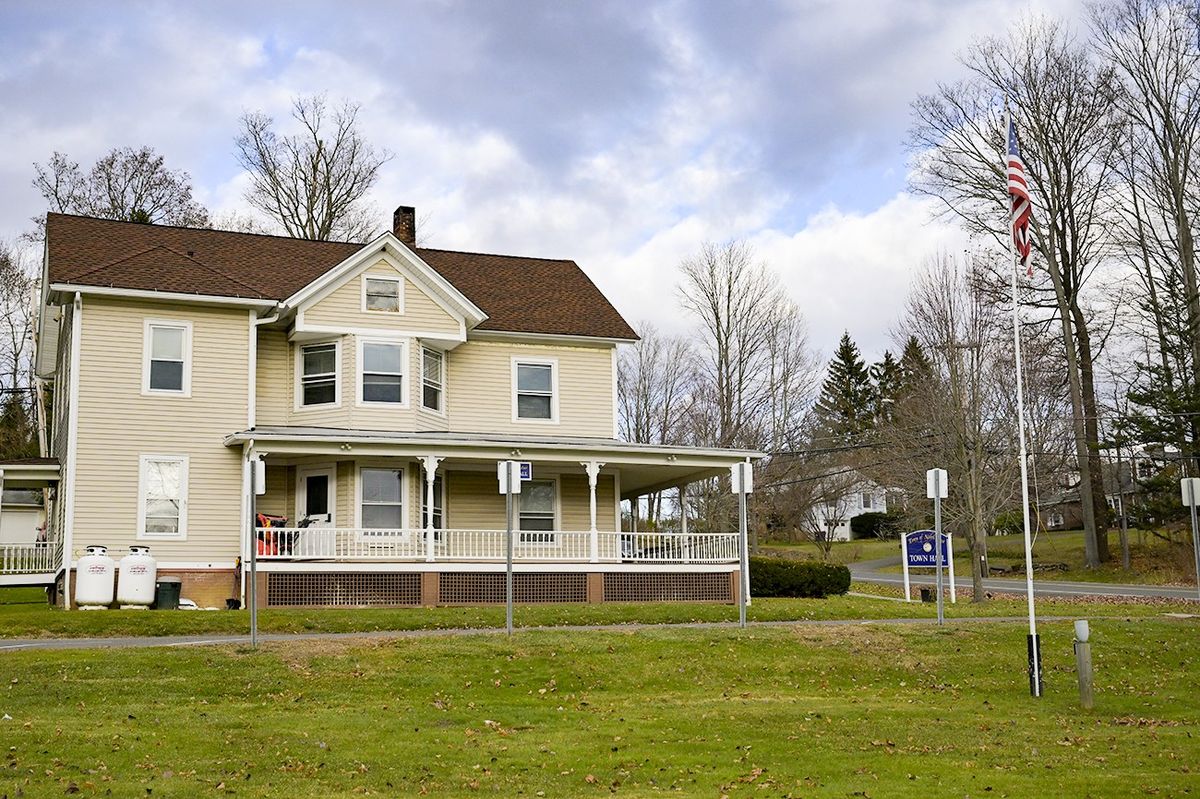
But as time passed, scrutiny of Shepherd’s Run intensified. Last month, two administrative law judges held an adjudicatory hearing in Copake’s town hall that was attended by more than 100 residents, with few expressing favor for Shepherd’s Run. The hearing ran from 10 a.m. to 8p.m. and was geared to obtaining testimony aimed at establishing a fact-based record. On Oct. 5, those judges, Maureen F. Leary and Dawn MacKillop-Soller, administrative law judges at the New York State Department of Public Service’s ORES office, recommended denying Hecate a permit “based upon Hecate’s failure to demonstrate compliance with applicable wetlands laws and regulations.”
That left the final say up to Zehr, who wrote: “In summary, the evidence required to demonstrate compliance is absent in the topic areas of identifying base flood elevations, establishing the reliability of inputs for [Hecate’s] hydrology modeling, the ability of facility components to avoid being inundated by flooding, the reliability of the design and operation of measures intended to control panel operation during a flood event, and the avoidance of siting of facility components near or within a floodway.”