Thank you!
Your gift keeps The Millerton News in our towns.

Proposed North East town budget includes 22% EMS contract hike

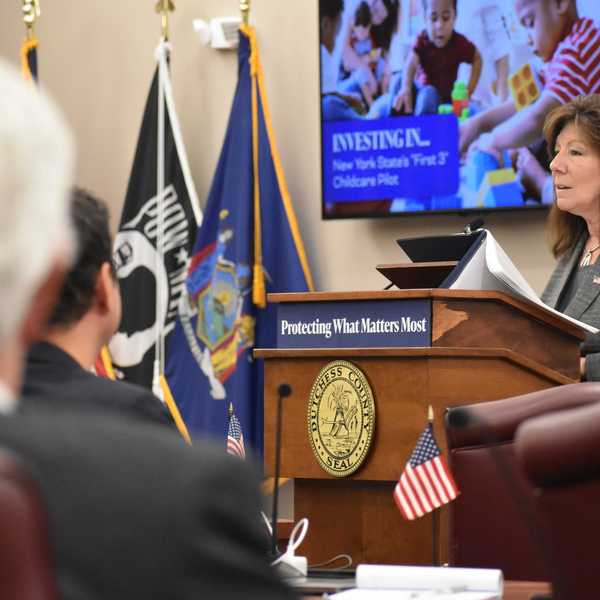
MILLERTON — North East Town Board members have approved a preliminary budget that projects lower property tax rates.

Town Hall will host a public hearing on next year’s proposed budget Thursday, Nov. 12, just after the board meeting starts at 7 p.m.

Under the preliminary budget, mill rates for each of the town’s funds are projected to come down between 2.46% and 9%. The mill rate is a number used to calculate a property’s tax bill. It represents the tax rate in dollars per $1,000 of home valuation.

The town’s general fund mill rate is expected to drop by 2.46%, according to the preliminary budget available on the town’s website. That amounts to a reduction in tax bills of just under $6 for every $100,000 of home valuation. Tax bills may be estimated by dividing the valuation of a property by 1,000 and then multiplying that amount by the mill rate recorded in the budget.

One of the largest line item increases in this year’s budget is the town’s contract with emergency medical service provider Empress. The town’s expenses for the service increased by $150,000 to $746,345 — a 22% increase over last year’s contract.

The town will have to collect a total of $4,126,049 in tax revenue to cover expenses. That number is $193,919 higher than last year’s budgeted tax levy — an increase of 4.9%. That puts this year’s tax levy above the state-mandated 2% limit.

Town Board members voted to waive that cap in September, anticipating higher costs would put pressure on the budget.

Mill rates are falling this year in spite of rising revenue needs because of an increase in the total assessed value of property within the Town of North East. Next year’s proposed budget notes the total assessed value of property within the town has risen to over $919.4 million, an increase of 8% over last year.

Latest News

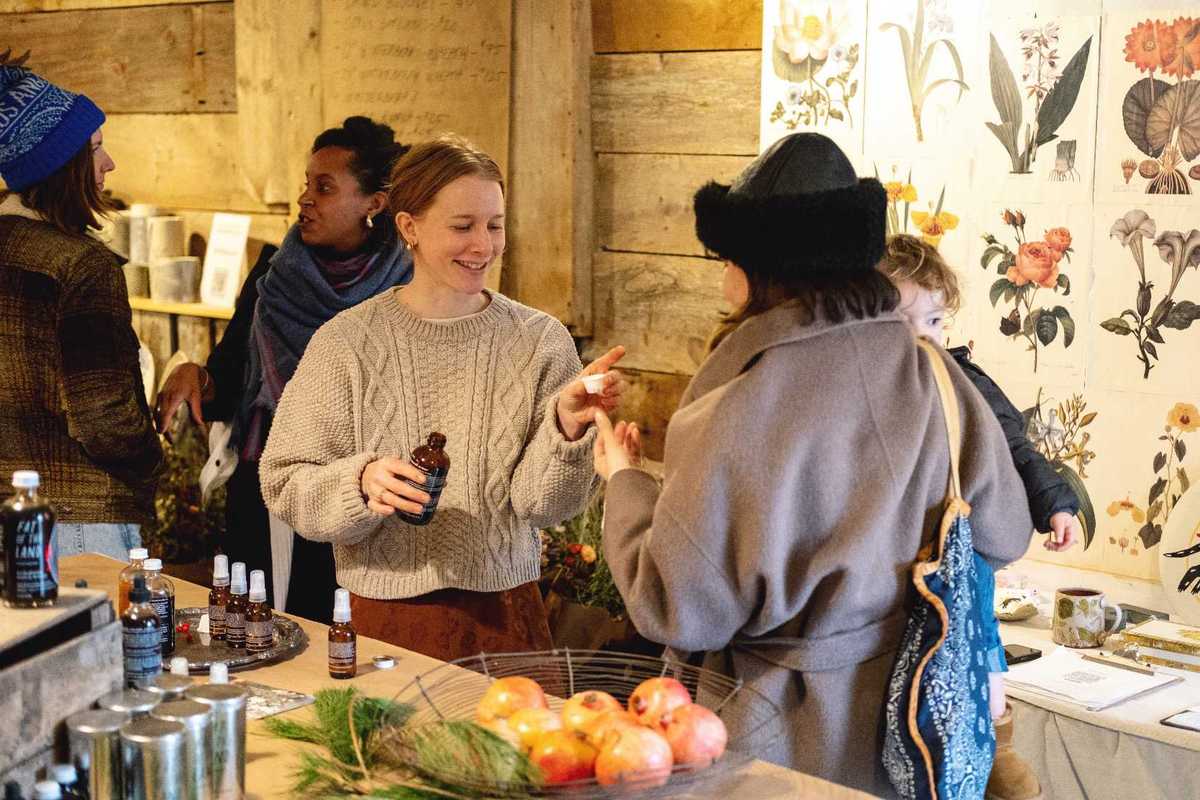
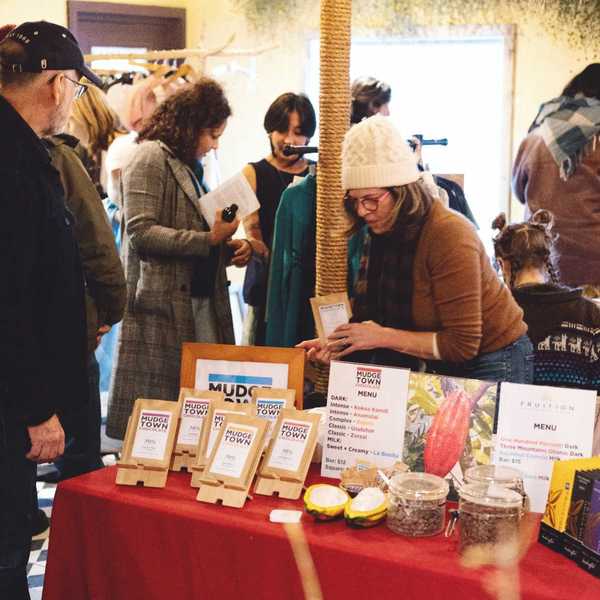
Farm & Friends: a holiday market that gives back

The Farm & Friends holiday market returns Nov. 21 and 22, featuring local makers, food producers and seasonal gifts.

Provided

According to PBS, “More than 5 million people have lost their Supplemental Nutrition Assistance Program, or SNAP, benefits since President Trump’s so-called One Big Beautiful Bill passed last year.” Combined with rising costs and new eligibility requirements, these cuts have placed additional pressure on families struggling to make ends meet. As more people turn to food banks and pantries for assistance, local farms are playing an increasingly important role in meeting that need. Hungry Reaper Farm in Morris, for example, supplies food and CSA shares to a variety of nonprofit organizations and schools.

In Dutchess County, The Webatuck Valley Farm Collaborative is working to strengthen the pipeline from farms to foodbanks. Led by Rock Steady Farm, Sweet Freedom Farm and Wildseed Community Farm and Healing Village, the collaborative hopes to double the infrastructure capacity for at least 15 local farms. This will allow them to increase supplies for food pantries and regional schools while expanding the farms’ reach to industrial buyers and distributors. By their estimation, the food hub “will supply and impact 9 school districts, 13 food pantries, and partner with 6 institutional buyers and 8 aggregators and distributors.”

Keep ReadingShow less
google preferred source

Want more of our stories on Google? Click here to make us a Preferred Source.

Under the big top at Full Circus Farm

Under the big top at Full Circus Farm

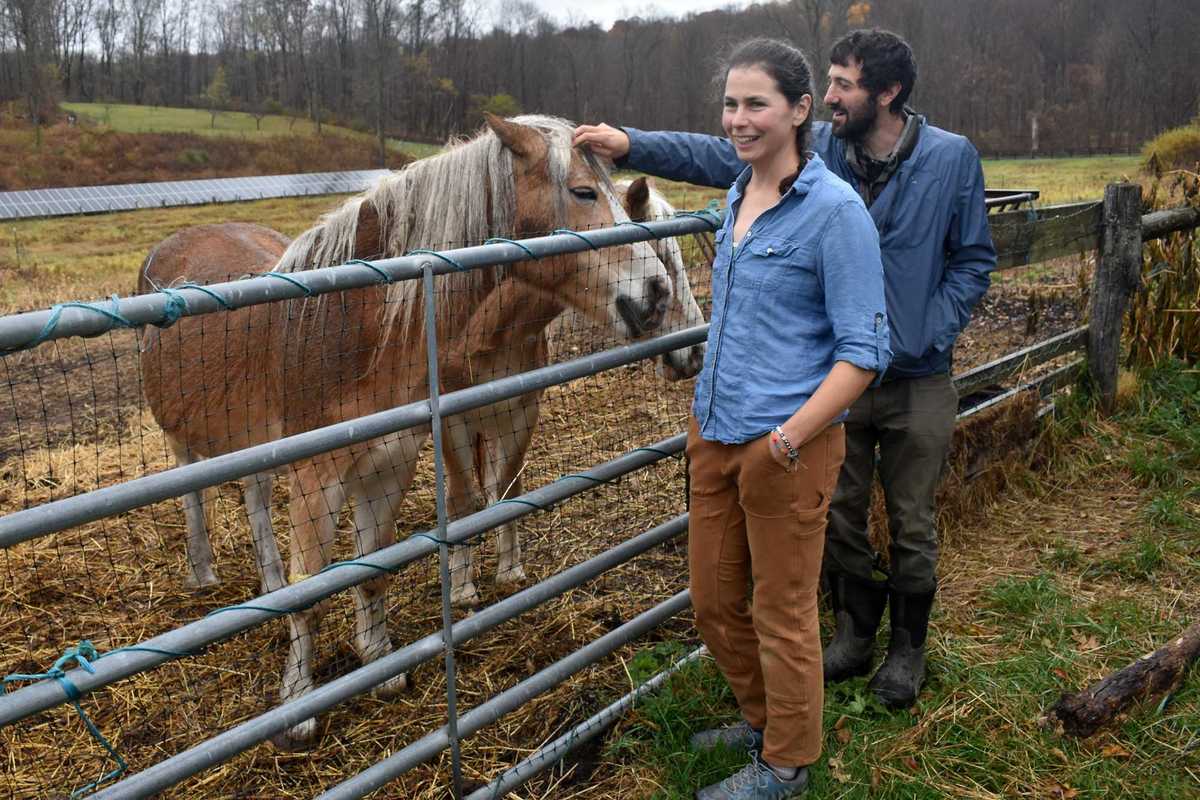
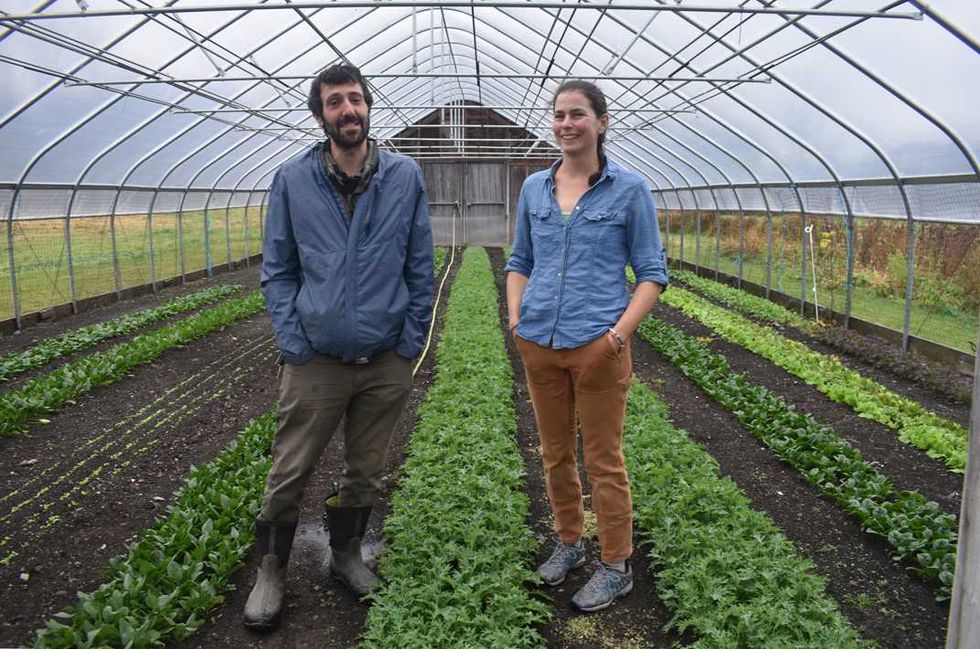
Miriam Goler and Mark Stonehill with their Haflinger horses, Sunshine and Sandy, at Full Circus Farm in Pine Plains.

L. Tomaino
We share this farm with such amazing human and nonhuman neighbors.
— Mark Stonehill

For Mark Stonehill and Miriam Stonehill Goler, the founder of Full Circus Farm in Pine Plains, farming has always been about more than what comes out of the ground.

“From the very beginning, we’ve envisioned the farm as a place not only for food production, but also merriment and community,” they said.

Keep ReadingShow less
At Ancram Center, community takes center stage
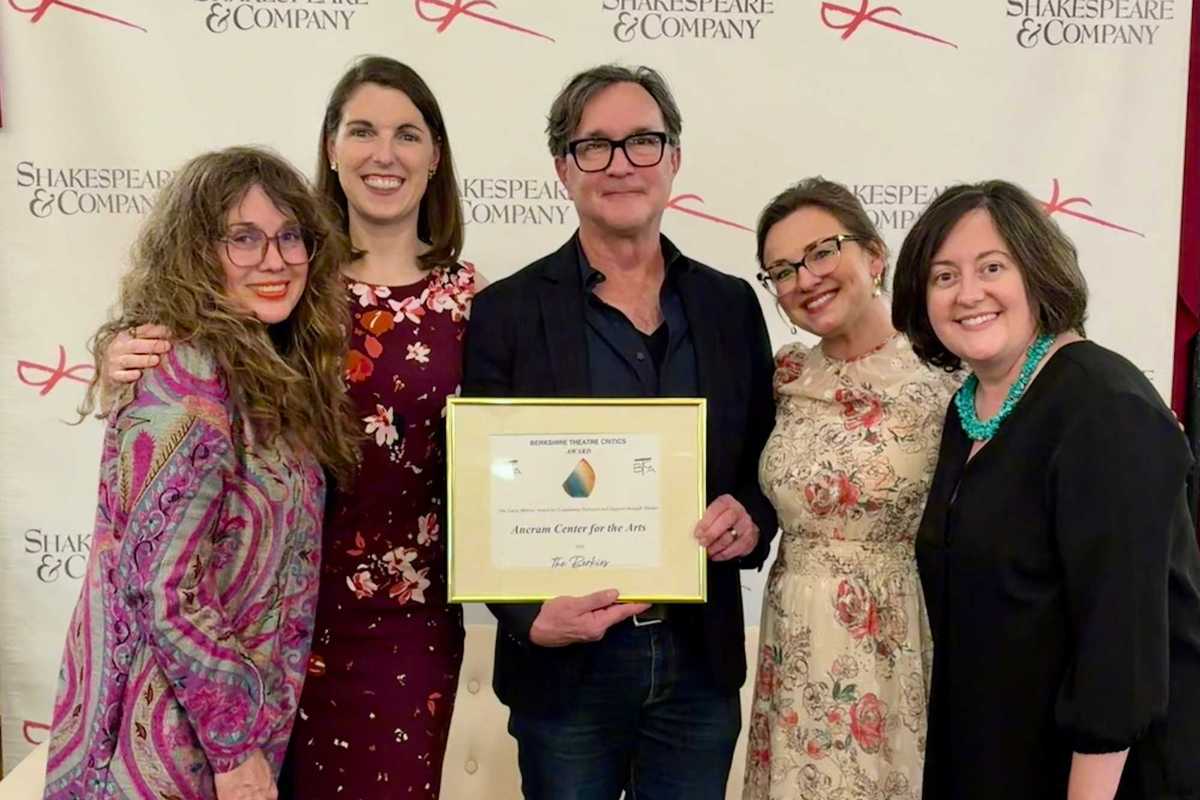
Ancram Center staff and teaching artists after the ceremony.From left to right,Simone Stevens, Sarah Katan, Jeffrey Mousseau, Erin Krom and Chris McCoy.
Provided

At the Ancram Center for the Arts, the stage has been host to numerous award winning professional actors, but it also often belongs to a neighbor with a story to tell. Other times, the performance moves out of the theater altogether, transforming a pond, a field or a corner of town into a stage.

That commitment to bringing theater into the community — and the community into the theater — has earned the Ancram Center the Larry Murray Award for Community Outreach and Support through Theater, one of the Berkshire Theatre Critics Association’s annual Berkie Awards.

Keep ReadingShow less
The Cornwall Whale resurfaces in West Cornwall

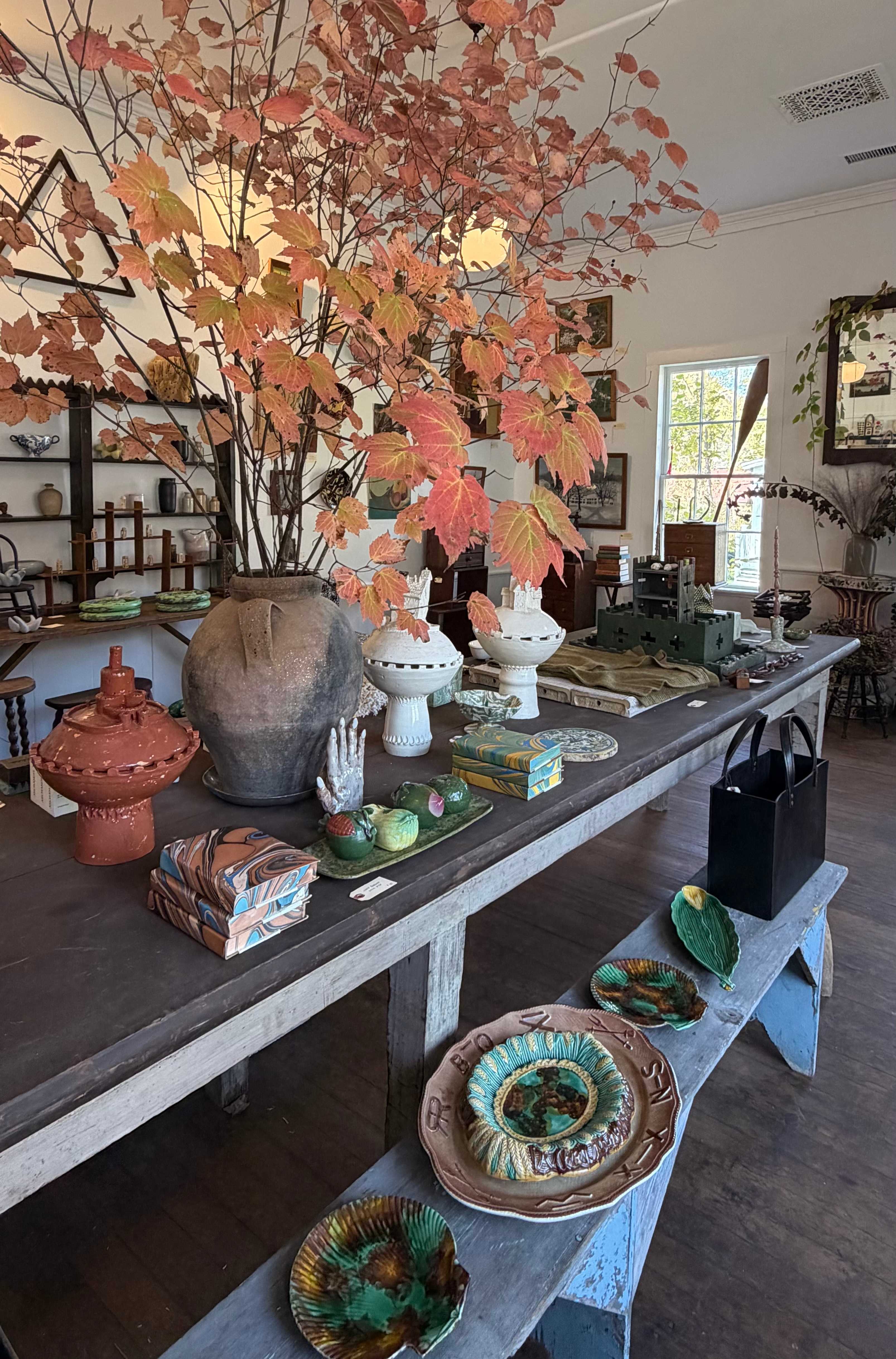
The Cornwall Whale is the brain-child of visual and experiential designer Lindsay Stadig.

Provided

There’s something oddly familiar yet intangibly foreign about the Cornwall Whale. It’s not an interiors store, even though there are chairs and furnishings for sale. It’s not an art gallery, though there are paintings and sculptures occupying every corner of the space. It’s not a boutique, even with locally handmade shoes and carefully selected garments. No, The Cornwall Whale is something truly unique in the world of the truly unique.

The enigmatic shop popped up in the early winter of 2025 at the Hughes Memorial Library, right on the bank of the Housatonic River in West Cornwall. It is the brain-child of visual and experiential designer Lindsay Stadig.

Keep ReadingShow less
google preferred source

Want more of our stories on Google? Click here to make us a Preferred Source.

google preferred source

Want more of our stories on Google? Click here to make us a Preferred Source.