Four northeastern Dutchess County communities are exploring a shared ambulance service that officials say could improve emergency coverage and reduce municipal costs.The proposed EMS network would include resources from Dutchess County, Empress Ambulance and Northwell Health, as well as local emergency services.
Under the proposal, ambulances would be allowed to move throughout the participating communities as calls come in, replacing an arrangement in which towns contract for dedicated coverage.
“We are looking at the feasibility of eliminating every town having a designated ambulance,” Amenia Supervisor Rosanna Hamm said, “and have a more fluid solution.”
Hamm discussed the proposal at an Amenia Town Board meeting last Thursday, Oct. 15, where County Legislator Chris Drago outlined an initiative involving North East, Amenia, Stanford and the Millbrook area. Drago and county Public Safety Committee Chair Eric Alexander have helped bring the communities together to explore the approach.
“Our ultimate goal is to have the county play more of a role,” Drago said. “Where we wouldn’t have to be so reliant on private companies.”
For the time being, however, Drago emphasized that towns working together and pooling emergency resources was a good place to start. Other town supervisors have also expressed support for the initiative.
“Getting four towns to agree on a new, collaborative system is not easy,” said Town of North East Supervisor Chris Kennan. “But the Supervisors of our four towns and the Mayors of our two Villages (Millerton and Millbrook) have been working very hard to see if by sharing this service, we can reduce the burden on our taxpayers.”
“We want our EMTs to provide high quality care, and to do that, they need to be busy,” Kennan added. “At a time when the cost of everything seems to have been going up, up and up, this could actually bring our EMS cost down.”
Stanford Town Supervisor Julia Descoteaux echoed Kennan’s comments, calling attention to the low call volume across rural northeast Dutchess County.
“In a given month, we have between 15 and 30 ambulance calls,” Descoteaux said. “Sometimes our ambulances are sitting there for three or four days without a call. We’re paying for that, and the EMS personnel are not getting any experience during that time. That’s not what they signed up for, they want to be able to improve and cultivate their skills.”
The four participating towns currently have their own separate contracts with Empress. Millerton spent $696,000 this year on EMS, and is set to pay $746,000 in 2027. Stanford paid $768,000 this year. That number will rise to $860,000 next year after automatic contractual increases. Descoteaux estimates the proposed shared service model could save about 20% in EMS costs.
“It’s less about the cost savings,” Descoteaux said. “And more about using the system more efficiently.”
Currently, each town has its own dedicated ambulance that often isn’t in use. The more an ambulance is in use, the less expensive it is for the township. Empress gets paid through insurance reimbursements. Lower call volume means higher costs for the town.
Costs are high for North East and surrounding rural towns, Kennan explained, because municipalities have to cover the cost of EMT’s idle time. In larger communities and cities, the burden to municipalities is much lower because EMS providers collect more revenue from patients and insurance companies.
Under the proposed new model, the towns would share three ambulances that would move through the region throughout the day, filling gaps where they emerge as calls come in.
“We’re not trying to replace perfect,” said County Legislator Eric Alexander. “There’s nothing perfect about the current system. I campaigned on this because it just seems that the county government is cowed by the complexity of this issue. But you’ve got to take on the difficult issues and deal with them proactively.”
“It would be more of a readiness model, rather than a dedicated service model,” Drago said. “The goal is not just to reduce costs, but improve service.”
Drago noted that Empress has offered to include a fourth, supplemental ambulance in case of larger emergencies. That fourth ambulance would not be included in the towns’ joint contract, but rather act as an insurance of coverage.
Specific details of the plan are scant, and there’s much work yet to be done. Supervisors from the four towns will meet with fire departments and volunteer services in the coming weeks, and the level of county support is unclear. Drago said Dutchess County’s EMS Commissioner, William Beale, has been supportive of the initiative, but that county-sponsored supplemental support.

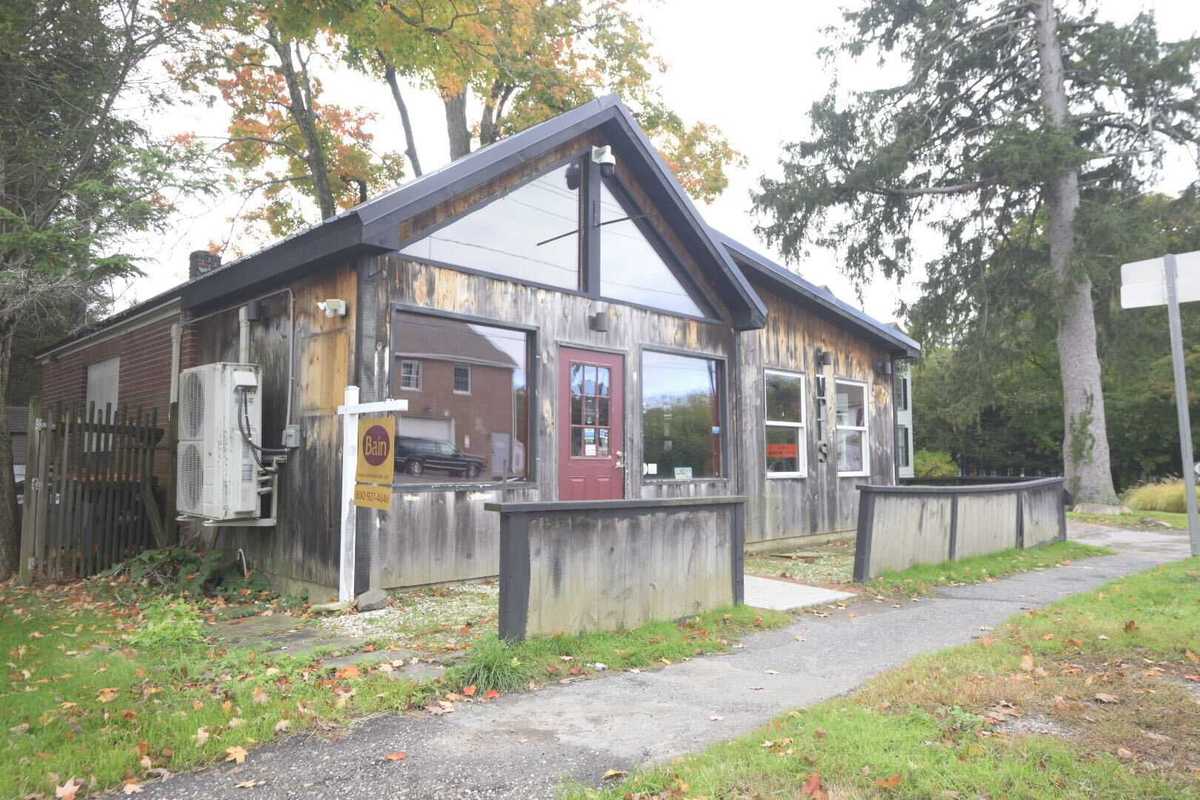
 Photo by Graham Corrigan