FALLS VILLAGE — Margery Metzger had been a social worker and mediator in her professional career, and about five years ago began a life of retirement in Pittsfield, Mass.
During a book talk on Saturday, May 6 at the David M. Hunt Library, Metzger talked to a small group about her second career: true crime writer.
Metzger’s book, “Hidden Demons” (WildBlue Press, 2023), is a tale that will jog the memories of anyone living the southern Berkshires in the mid-1990s.
The subtitle, “Evil Visits a Small New England Town,” is a precis for the main topic of her book.
On Jan. 7, 1994, dread descended on Berkshire County, when a group of horrific crimes came into focus more or less all at once. On that day, the trial began for Wayne Lo, a student at Simon’s Rock College of Bard in Great Barrington, who had gone on a campus shooting spree with an assault rifle he had easily purchased locally with no questions asked.
Prosecutors would later come to see that the Simon’s Rock murder and mayhem was a precursor to today’s school shootings.
Metzger also chronicles two other events on that same day. First, two young girls were accosted by a man in the dressing room at the local pool. Then, a 12-year old on her way to school in Pittsfield was approached by a man with a gun who tried to kidnap her right off the sidewalk.
“It took me five years to write this book,” Metzger said. “It came in dribs and drabs. It was not easy to get the information.”
The book is a trove of detail about the crimes, the people involved and the investigations.
The attempted kidnapping of the young girl had repercussions for the investigation. In a short time, police started to pursue a suspect who was linked to the disappearance of a young boy who earlier had vanished from a strip mall in Pittsfield.
Metzger narrates how authorities ultimately linked a man, Lewis Lent Jr., a serial killer to cases of other disappeared children.
“Law enforcement and the judiciary did a wonderful job,” Metzger said. “The important thing is that justice was served.”
Aside from its retelling of crimes committed, with elaborate detail in some cases that is included in explicit confessions, “Hidden Demons” serves as a solid historical record of people and events that occurred in this otherwise idyllic Berkshire Hills town in the mid-1990s, especially the story of the capture and conviction of a serial child killer.






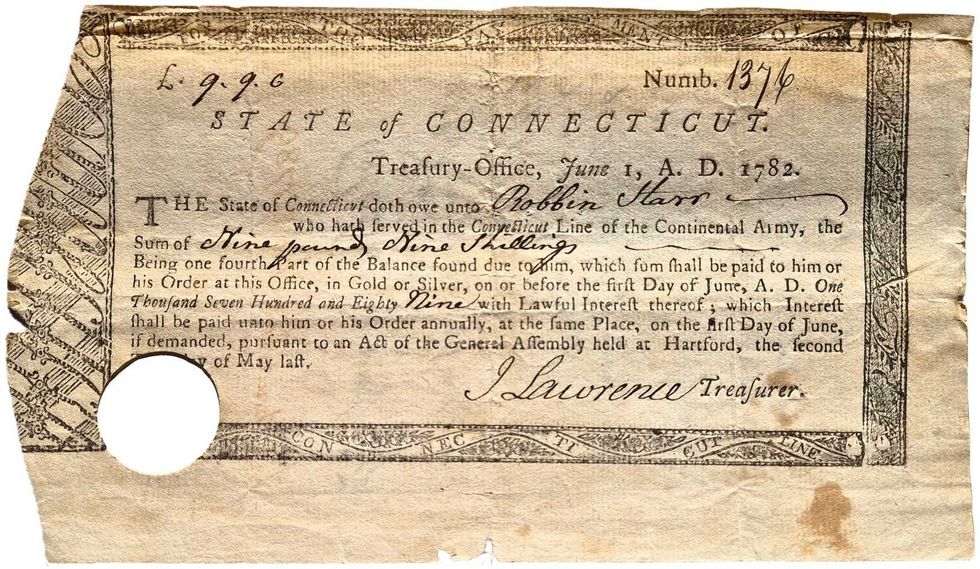 Pay Bill for Robin Starr’s service in the Continental Army.Courtesy the Alex Breanne Corporation
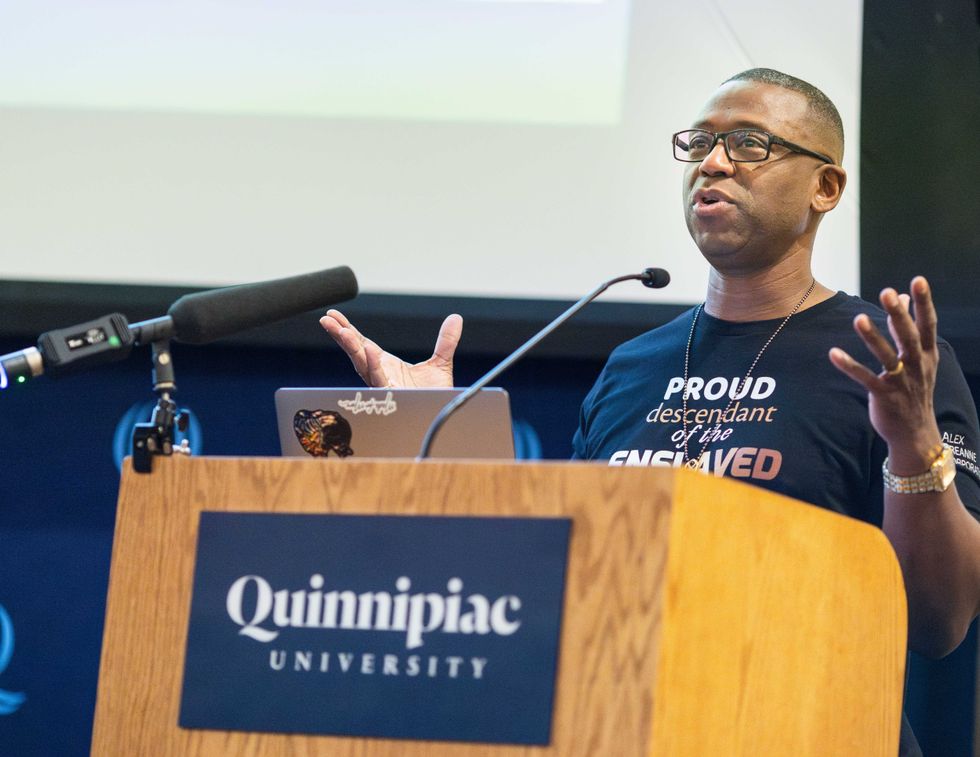 John Mills speaking at Quinnipiac University.Courtesy the Alex Breanne Corporation

 Stephanie Saetta,with her rescue dog George and Blue (left), a shepherd mix awaiting his forever home.Madi Long