As municipalities across the region grapple with how to balance faith, inclusion and the use of public space during the holiday season, communities are arriving at different conclusions about interfaith observances and religious symbols on municipal property.
Several towns continue to host public menorah lightings as community events. In Stanford, Millbrook and Amenia, the celebrations are framed as inclusive gatherings rather than formal religious endorsements.
In Stanford, residents are invited to a public menorah lighting on Wednesday, Dec. 17, at 5:30 p.m. at Town Hall. The event, hosted by Chabad of Dutchess County, will include donuts and hot latkes.
Millbrook will hold its menorah lighting Sunday, Dec. 21, at 4 p.m. at the Thorne Building on Franklin Avenue. The celebration will continue afterward at Babette’s Kitchen on Franklin Avenue with hot latkes, warm apple cider, coffee, baked goods and festive singing.
In Amenia, resident Ken Topolsky installed a menorah at Town Hall on Tuesday, Dec. 16, and the town will host a lighting ceremony on Sunday, Dec. 21.
In contrast, officials in the Village of Millerton have expressed reluctance to allow a menorah in Veterans Park, citing concerns about introducing new faith-based displays on public property. Village leaders say the policy reflects a long-standing effort to keep seasonal decorations secular.
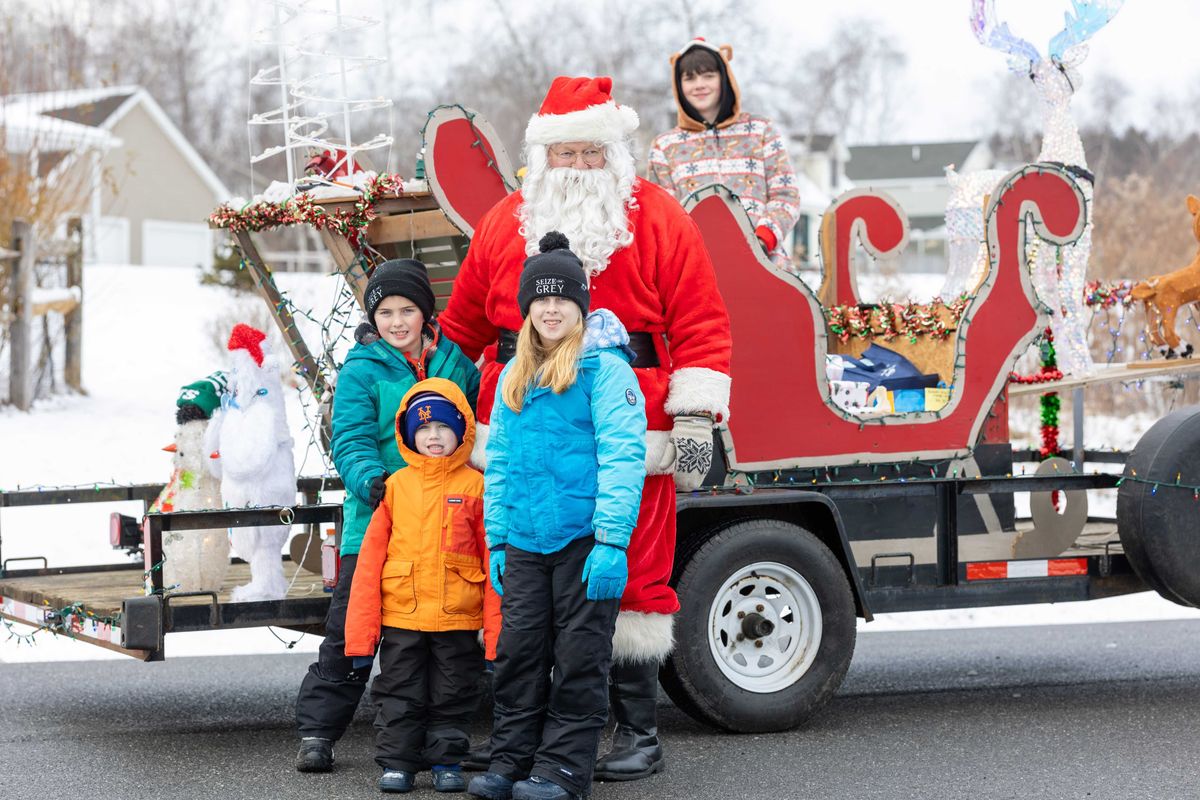
The response comes as the village continues long-standing seasonal traditions centered on secular displays. Each year, white holiday lights are strung throughout the village by the volunteer group Townscape, and the annual Festival of Lights parade features Santa Claus and other Christmas-themed imagery.
In a written statement to The News, Millerton Mayor Jenn Najdek said the village’s policy is rooted in maintaining neutrality toward religion.
“By avoiding standalone faith-based symbols like nativity scenes or menorahs, the village maintains government neutrality toward religion, preventing any perception of endorsing one faith over others or religion over non-religion,” Najdek wrote.
Debate over religious displays has become more pointed in the Village of Rhinebeck, where rumors have circulated that this may be the final year a large menorah will be permitted in Doughboy Park.
Those concerns came to light after Rabbi Hanoch Hecht of the Rhinebeck Jewish Community Center sent an email to residents urging them to contact village officials and express support for keeping the menorah in the park. Some residents believe a change in policy — potentially taking effect in 2026 — could result in the removal of all religious symbols from municipal property, including a Christmas tree.
Hecht emphasized the broader symbolism of Hanukkah amid rising concerns about global antisemitism.
“We live in a very dark world, especially after incidents like what recently took place in Sydney,” Hecht said, referring to the fatal terror attack at a Hanukkah celebration in Australia on Sunday, Dec. 14, that left 15 people dead.
He said that while the attacks feel geographically distant, it has contributed to a broader sense of unease among Jewish communities worldwide.
Rhinebeck Mayor Gary Bassett said reports of a definitive decision are premature and stressed that no final determination has been made.
“Rabbi Hecht and I are very much engaged, working in collaboration for events both this year and for the future,” Bassett said. “That’s how this conversation started, by getting together and talking.”
Bassett declined to comment on reports from web-based news source The Daily Catch that the New York Conference of Mayors (NYCOM) advised his office to remove faith-based symbols from municipal property. The News independently confirmed those guidelines.
In a written statement, NYCOM’s executive director Barbara Van Epps wrote, “NYCOM generally advises against local governments erecting religious displays on municipal property. Although there are limited circumstances in which such displays may be permissible without violating the First Amendment, it can be difficult to navigate both legally and politically.” Van Epps added that the best course of action is to make the display entirely secular.


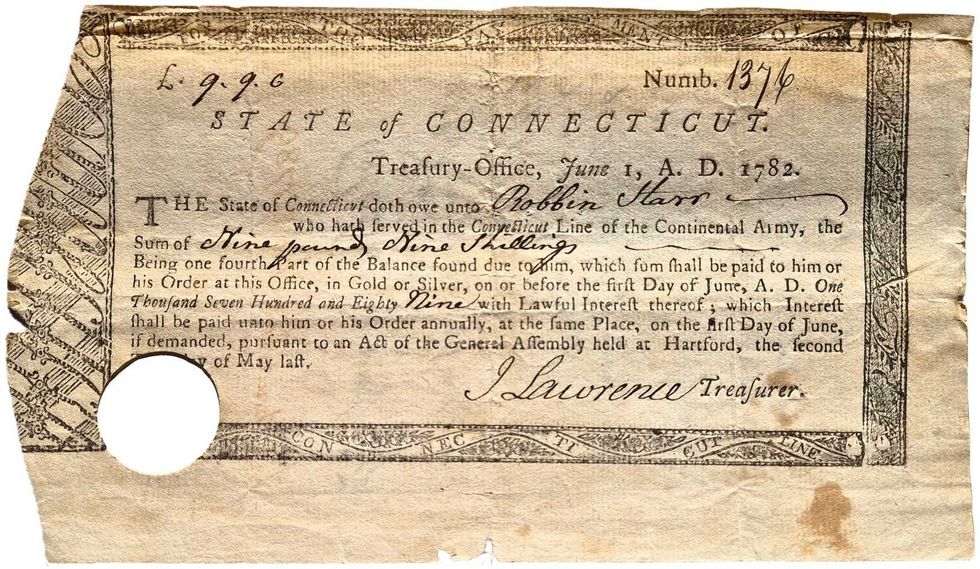 Pay Bill for Robin Starr’s service in the Continental Army.Courtesy the Alex Breanne Corporation
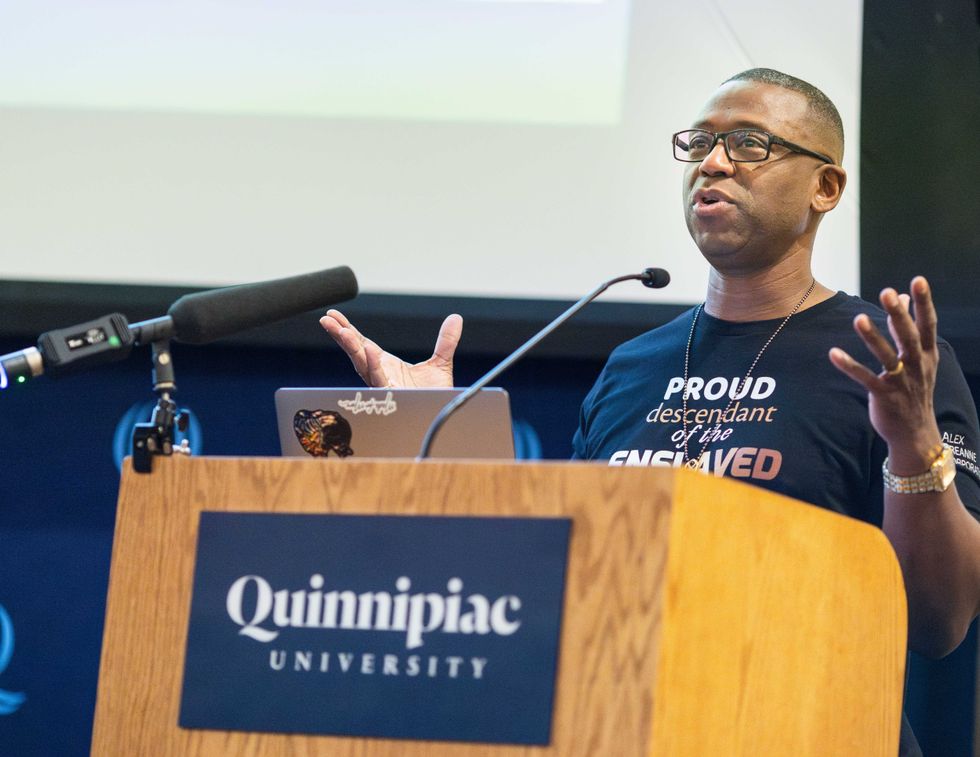 John Mills speaking at Quinnipiac University.Courtesy the Alex Breanne Corporation
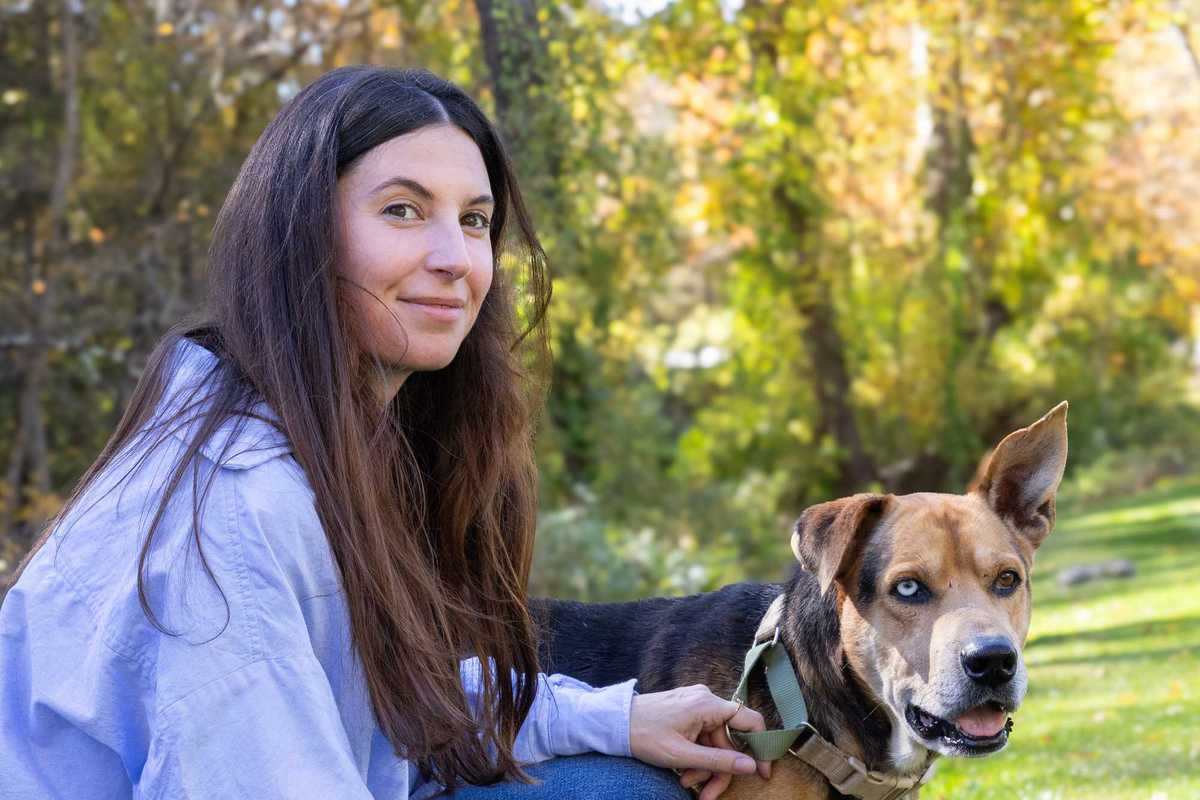
 Stephanie Saetta,with her rescue dog George and Blue (left), a shepherd mix awaiting his forever home.Madi Long