Thank you!
Your gift keeps The Millerton News in our towns.

Dutchess County sets 2024 budget

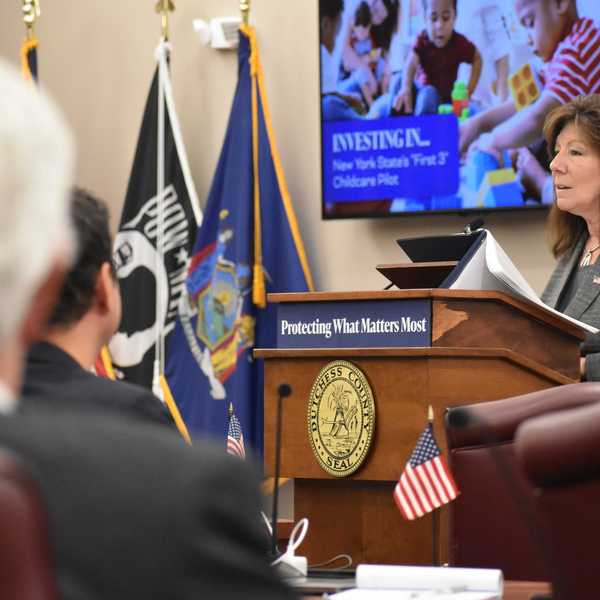
POUGHKEEPSEE — The final $601 million 2024 County Budget increases county overall spending by 2.2%, reduces property tax rates, increases county sales and hotel tax rates, and includes a $418,000 last-minute pay increase for legislators and elected county officials.

The budget was approved Dec. 7 in a bipartisan vote of 15-9; it was opposed by six Democrats and three Republicans.

Property tax

The much-publicized 2024 property tax rate decrease from $2.94 to $2.23 per thousand represents only a $50,000 reduction in the actual $99.4 million in property taxes projected to be collected in 2024 due to rising property values.

Property taxes fund about 17% of the county’s $601 million budget.

Sales tax

The .25%increase in sales taxes to 4%, which everyone will pay on purchases of goods and services, adding over $16 million in revenues over 2023. The increase must still be approved the New York State Legislature.

Sales taxes are expected to raise $267 million and finance about 44% of county spending.

The total sales tax will rise to 8.375% with 4% to New York state, 4% to the county and .375% to the MTA commuter tax.

According to the Tax Foundation, New Yorkers pay the 10th highest state and local sales taxes in the country.

New spending, new salaries

Increased spending amendments approved by the Budget, Finance, and Personnel Committee added $1,171,453 to the original 2024 budget presented by the County Executive, William O’Neil. This Committee is composed of 12 members: nine Republicans and three Democrats.

All three Democrats on the committee opposed the salary increases added to the budget in a Nov. 15 meeting after elections were held.

The $418,000 increase in pay and benefits upped legislators’ salaries to $27,500, a 67.8% increase, and the chairman of the Legislature to $54,500, a 55.9% increase, along with a 17.8% increase for the county executive to $185,600.

Other amendments that were unanimously approved included contingency funding of $500,000 for the Board of Elections; an additional $350,000 to the county sheriff for road patrol overtime; $200,000 to the Department of Planning and Development for a competitive grant program; $100,000 increase in programs for veterans; and $50,000 for a “Stay Local” promotional Dutchess Tourism campaign.

O’Neil’s vetoes

O’Neil, who became county executive when Mark Molinaro was elected as U.S. representative in New York’s 19th District, declined to veto the pay raises, which were added to O’Neil’s initial proposed budget.

In a scathing letter to the outgoing chair of the Legislature, O’Neil did veto a few amendments — totaling $77,339 — but left the pay raises alone. The Legislature allowed his veto of $52,000 in increased social services programs and $20,000 increase to the Human Rights Commission. It voted to override his veto of $3,000 for cell phones for police officers.
Latest News

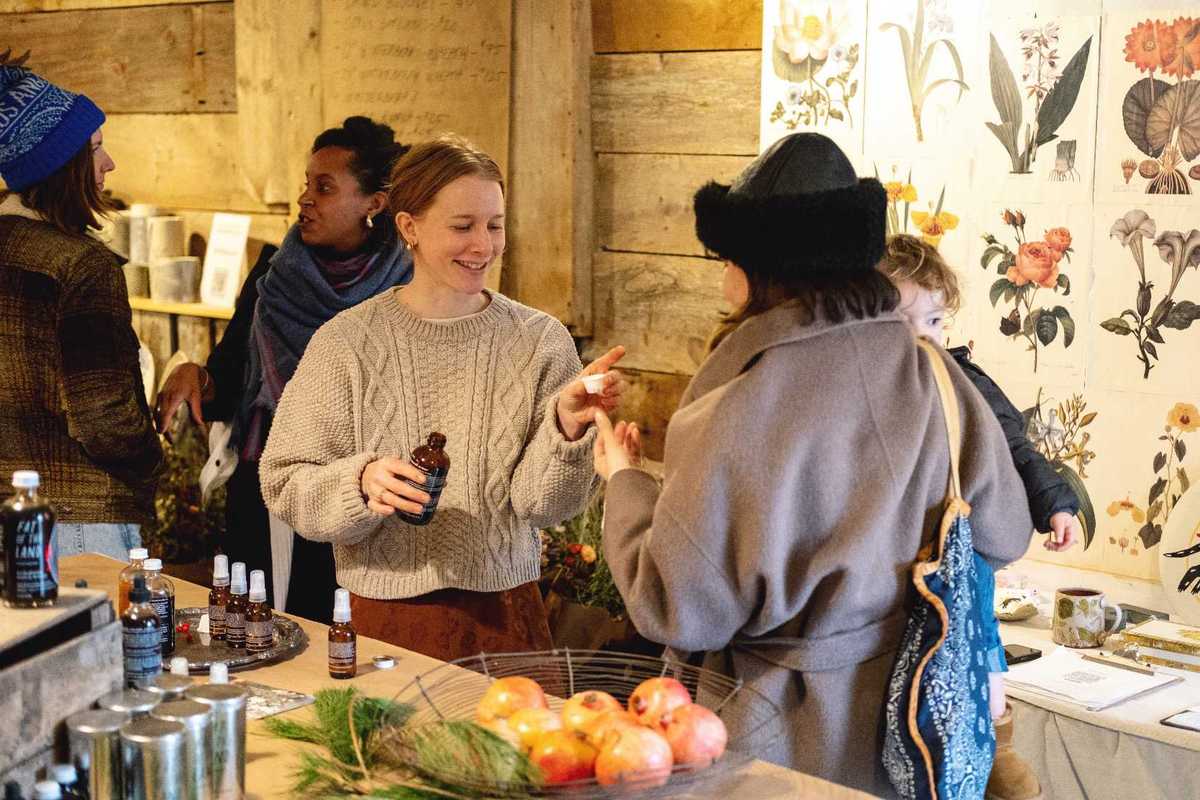
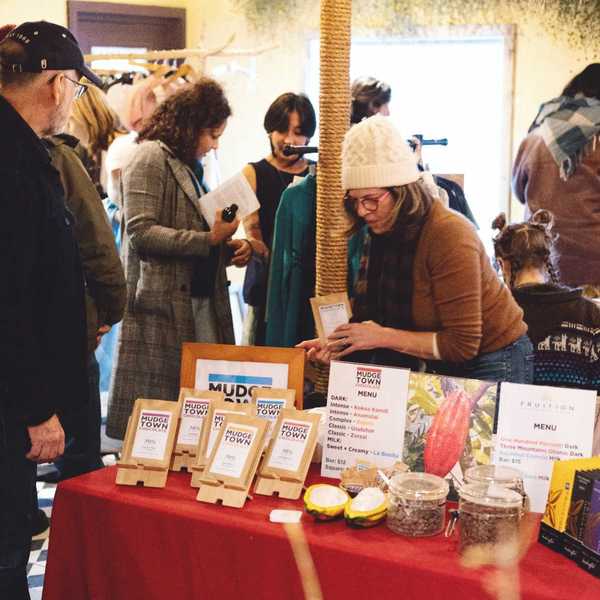
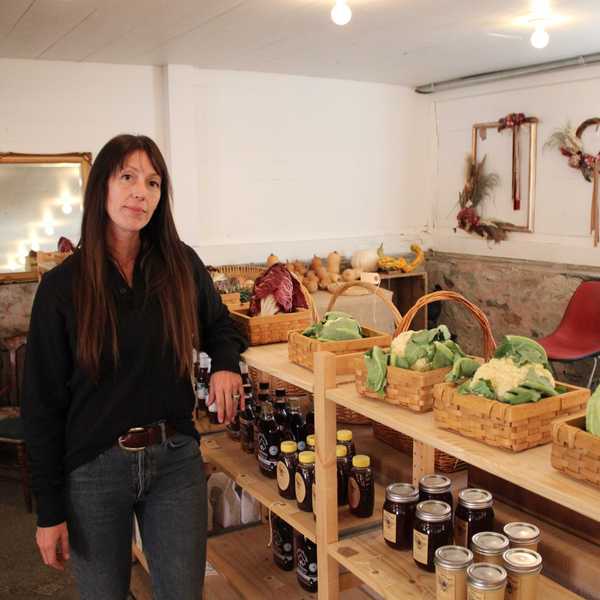
Farm & Friends: a holiday market that gives back

The Farm & Friends holiday market returns Nov. 21 and 22, featuring local makers, food producers and seasonal gifts.

Provided

According to PBS, “More than 5 million people have lost their Supplemental Nutrition Assistance Program, or SNAP, benefits since President Trump’s so-called One Big Beautiful Bill passed last year.” Combined with rising costs and new eligibility requirements, these cuts have placed additional pressure on families struggling to make ends meet. As more people turn to food banks and pantries for assistance, local farms are playing an increasingly important role in meeting that need. Hungry Reaper Farm in Morris, for example, supplies food and CSA shares to a variety of nonprofit organizations and schools.

In Dutchess County, The Webatuck Valley Farm Collaborative is working to strengthen the pipeline from farms to foodbanks. Led by Rock Steady Farm, Sweet Freedom Farm and Wildseed Community Farm and Healing Village, the collaborative hopes to double the infrastructure capacity for at least 15 local farms. This will allow them to increase supplies for food pantries and regional schools while expanding the farms’ reach to industrial buyers and distributors. By their estimation, the food hub “will supply and impact 9 school districts, 13 food pantries, and partner with 6 institutional buyers and 8 aggregators and distributors.”

Keep ReadingShow less
google preferred source

Want more of our stories on Google? Click here to make us a Preferred Source.

Under the big top at Full Circus Farm

Under the big top at Full Circus Farm

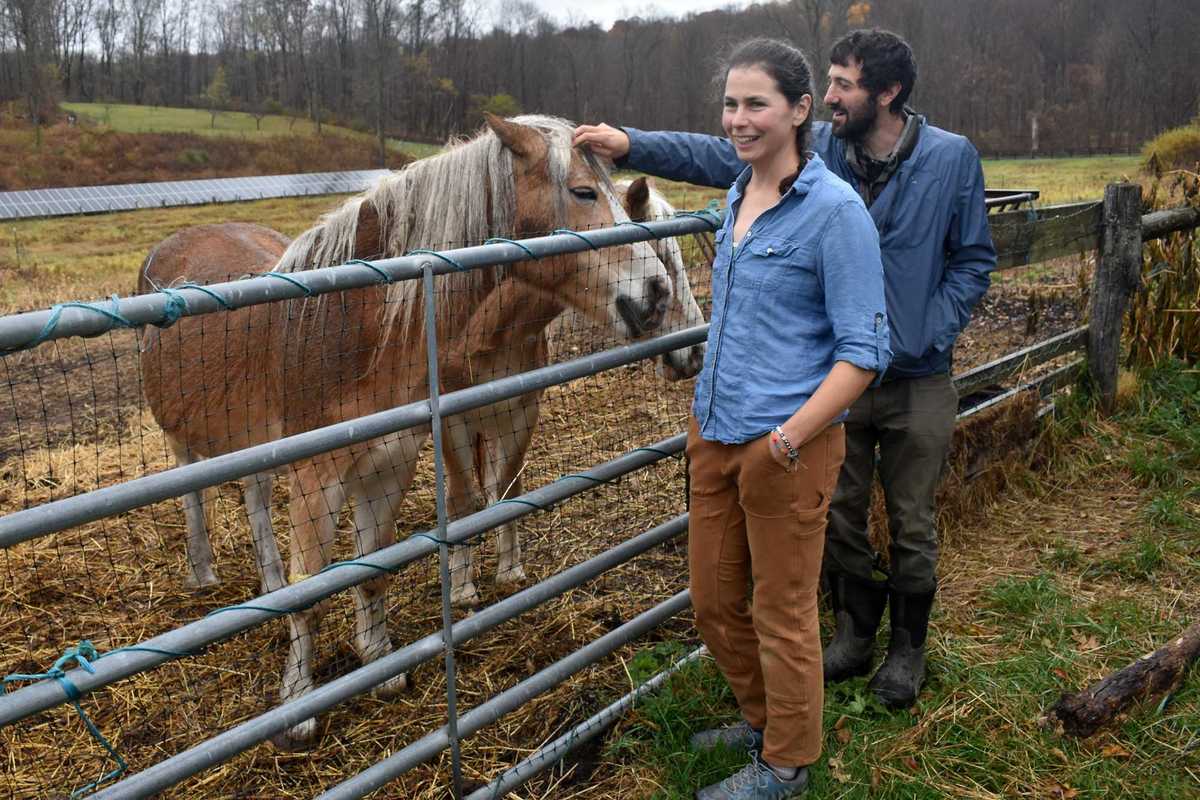
Miriam Goler and Mark Stonehill with their Haflinger horses, Sunshine and Sandy, at Full Circus Farm in Pine Plains.

L. Tomaino
We share this farm with such amazing human and nonhuman neighbors.
— Mark Stonehill

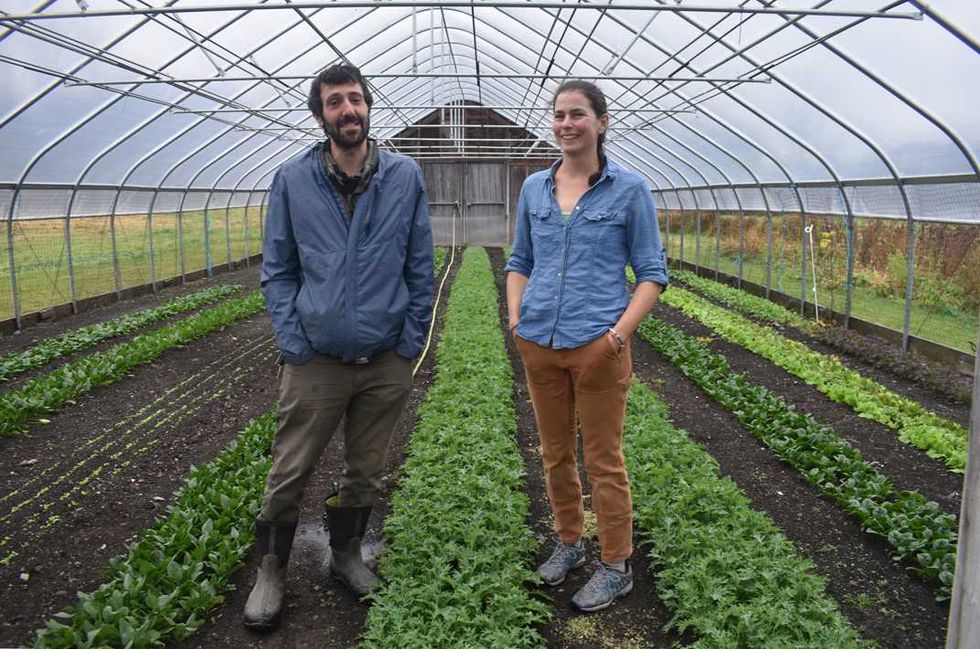
For Mark Stonehill and Miriam Stonehill Goler, the founder of Full Circus Farm in Pine Plains, farming has always been about more than what comes out of the ground.

“From the very beginning, we’ve envisioned the farm as a place not only for food production, but also merriment and community,” they said.

Keep ReadingShow less
At Ancram Center, community takes center stage
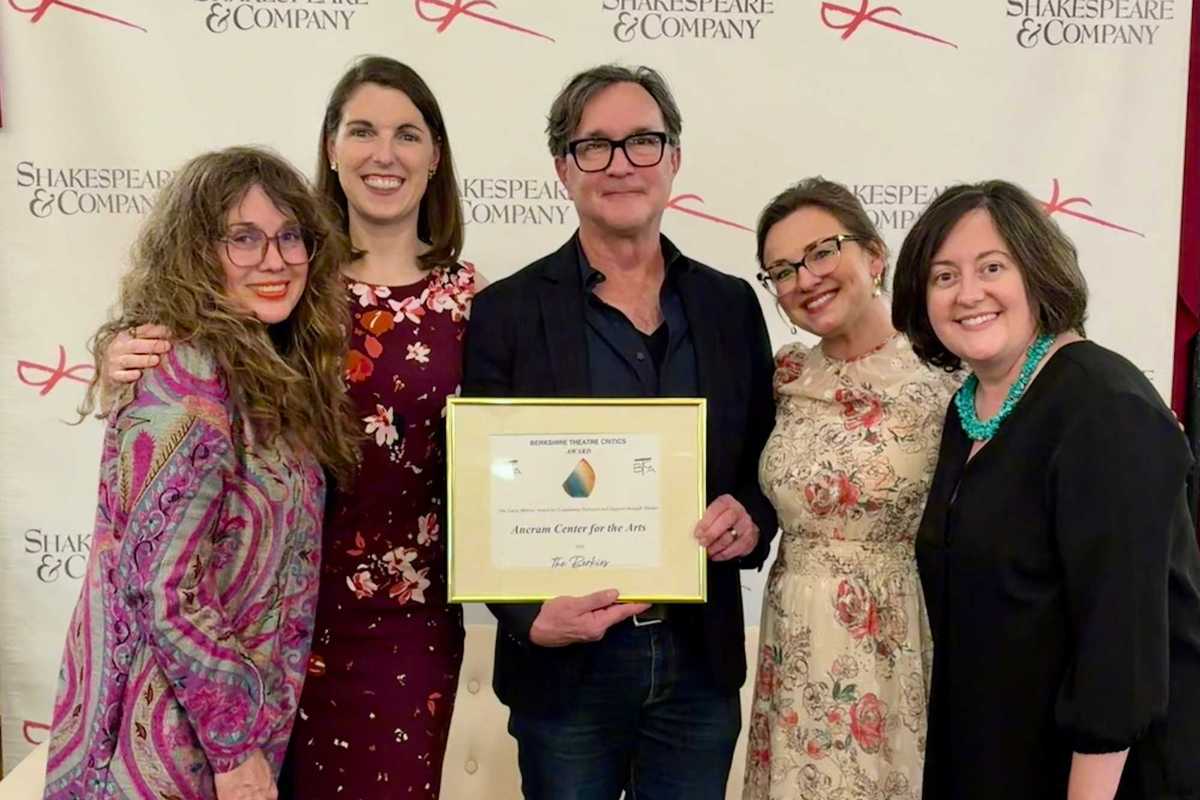
Ancram Center staff and teaching artists after the ceremony.From left to right,Simone Stevens, Sarah Katan, Jeffrey Mousseau, Erin Krom and Chris McCoy.
Provided

At the Ancram Center for the Arts, the stage has been host to numerous award winning professional actors, but it also often belongs to a neighbor with a story to tell. Other times, the performance moves out of the theater altogether, transforming a pond, a field or a corner of town into a stage.

That commitment to bringing theater into the community — and the community into the theater — has earned the Ancram Center the Larry Murray Award for Community Outreach and Support through Theater, one of the Berkshire Theatre Critics Association’s annual Berkie Awards.

Keep ReadingShow less

Social justice songwriting fall retreat

Social justice songwriting fall retreat

Singer, songwriter and activist Taína Asili leads a social justice songwriting retreat Nov. 20-23 at Soul Fire Farm in Petersburgh, N.Y.

Provided

Music has long been a powerful tool for protest, solidarity and social change. From civil rights anthems to contemporary songs of resistance, songwriting has helped give voice to movements and inspire collective action. Singer, composer and activist Taína Asili will explore that tradition during a four-day Social Justice Songwriting Retreat, Nov. 20 to 23, at Soul Fire Farm in Petersburgh, New York.

The retreat comes amid a renewed interest in collective singing as a form of activism. Organizations such as Singing Resistance are bringing people together across the country to use songs as tools for solidarity, nonviolent resistance and community building. The movement draws on the long history of music in social justice struggles, emphasizing the power of singing together to overcome fear, strengthen connections and inspire collective action.

Keep ReadingShow less
google preferred source

Want more of our stories on Google? Click here to make us a Preferred Source.

google preferred source

Want more of our stories on Google? Click here to make us a Preferred Source.