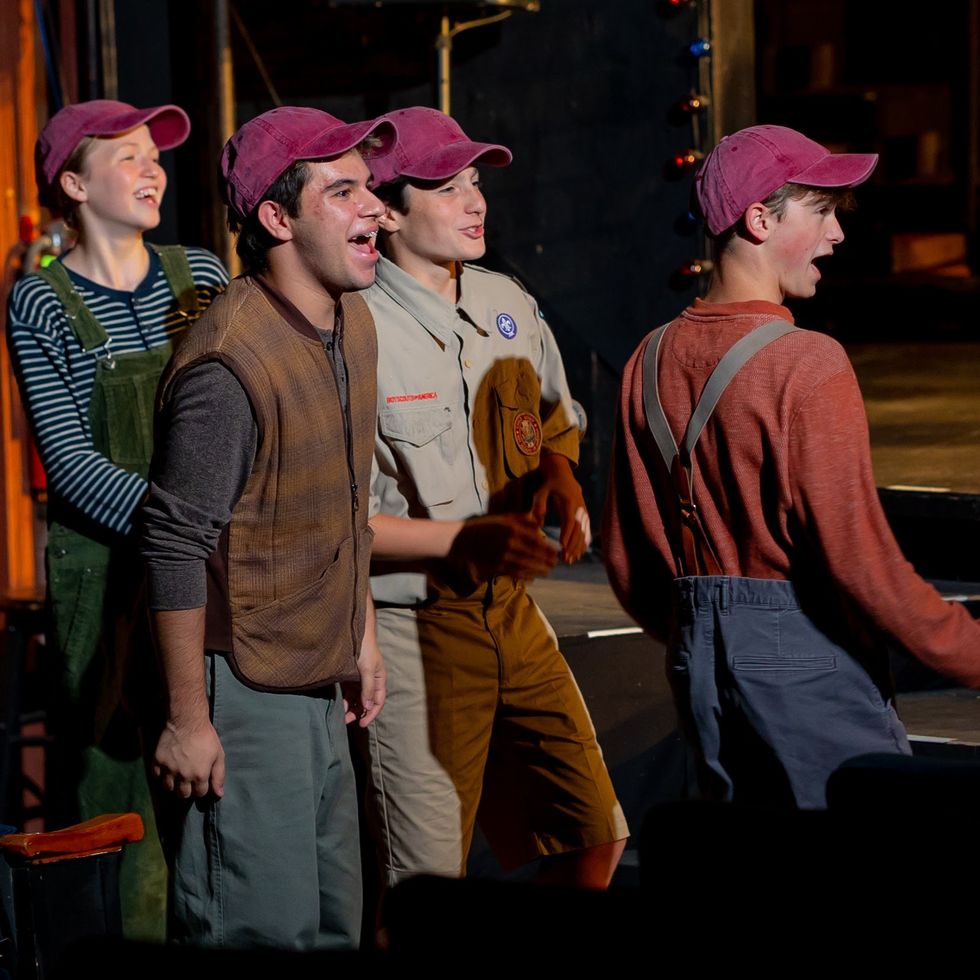
In Ann Patchett's new novel, "Tom Lake," (narrated on Audible by Litchfield County, Conn., resident Meryl Streep), Patchett describes a cavalcade of hopefuls flocking to the open-call auditions for "Our Town," a cross-section of young and elderly residents that neatly mirrors the demographics of Thornton Wilder's fictional New England town. Director Andrus Nichols has found the same kind of ensemble for her production at The Sharon Playhouse, led by Emmy and Golden Globe-nominated Sharon, Conn., resident Jane Kaczmarek and filled with plenty of Northwest Corner familiar faces — Playhouse board members Emily Soell, Savannah Stevenson, and John Champion, Associate Artistic Director Michael Kevin Baldwin, local students like Vincent Valcin, Carter McCabe and Kennadi Mitchell, and Housatonic Valley Regional High School social studies teacher Deron Bayer as Frank Gibbs, the town's doctor.
Set across three points in time in rural Grover's Corners at the turn of the 20th century, Wilder's 1938 Pulitzer-Prize-winning piece of metatheatre utilizes an undecorated stage with mimed prop work and a narrator who addresses the audience directly, free to interrupt a scene and provide explanation. The role has been inhabited famously by Orson Welles, Spalding Gray, and even Paul Newman. Here, Kaczmarek steps out of the patriarchal expectation to find something warmer, more empathetic, and emotionally resonant in her role as a sort of phantom historian.
While Dick Terhune and Deron Bayer as neighboring fathers and town staples — the doctor and the newspaper editor — and Eric Bryant as George Gibbs, the literal "boy-next-door," help color the first two acts' coming-of-age tone, Nichols' casting hands the final act to the actresses.
The final chapter of Grover's Corners closes as recently deceased Emily (Samantha Steinmetz) flickers between a memory of life and her afterlife, between her dead mother-in-law (perfect character work by Marinell Crippen) and her living mother (Dawn Stern, finding an earthy grit in the housewife's labor). In conjunction with Kaczmarek's heartfelt performance, the quartet of actresses delivers a poignant finale that is sure to leave an indelible mark on the audience, serving as the enduring takeaway from the production.


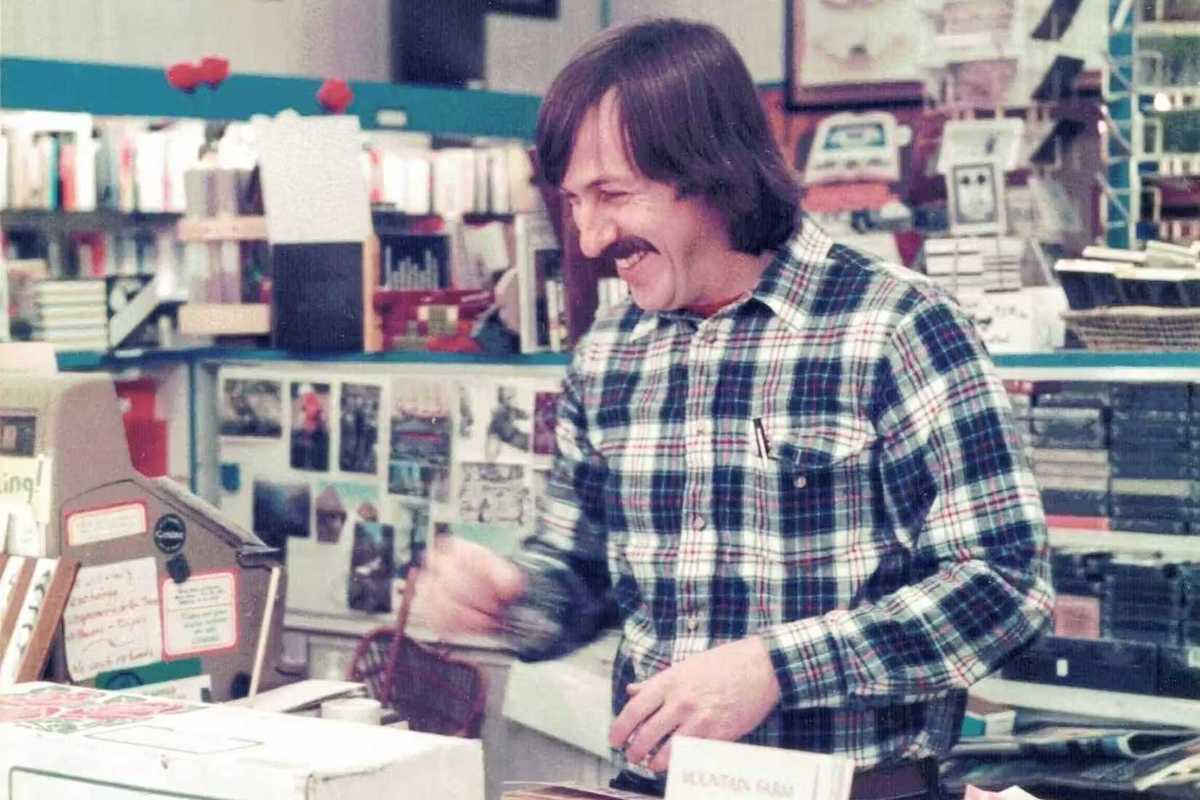
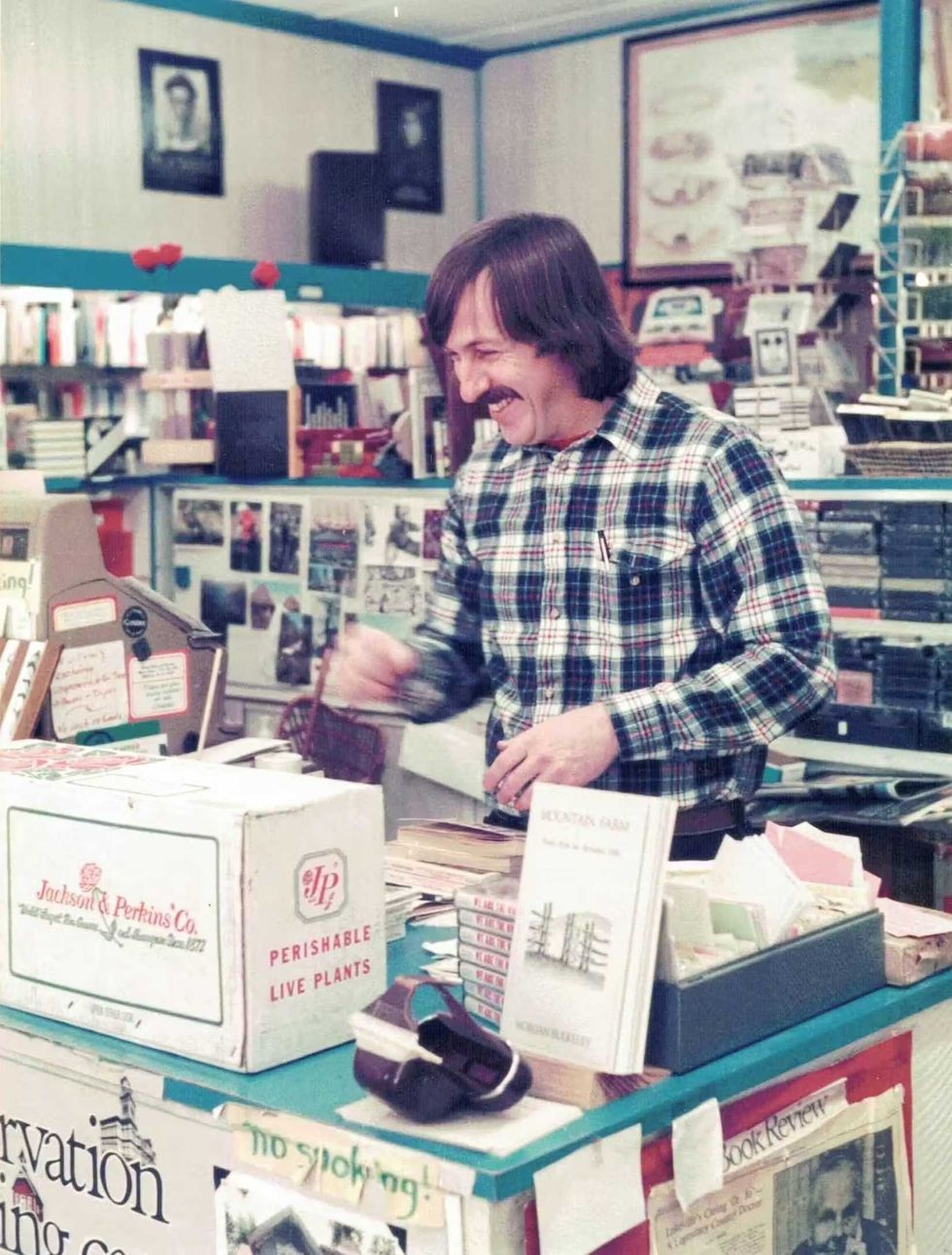 Dick Hermans in the Oblong Bookstore on Millerton’s Main Street in 1985.Provided

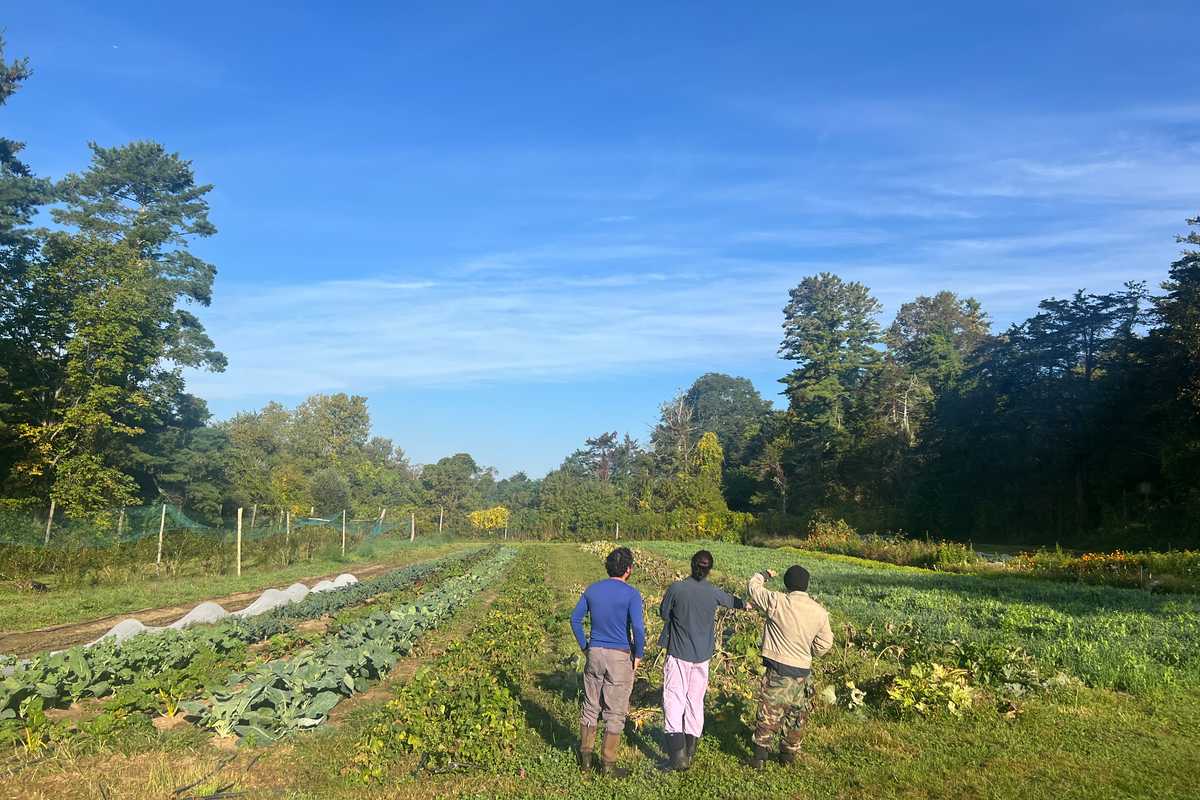
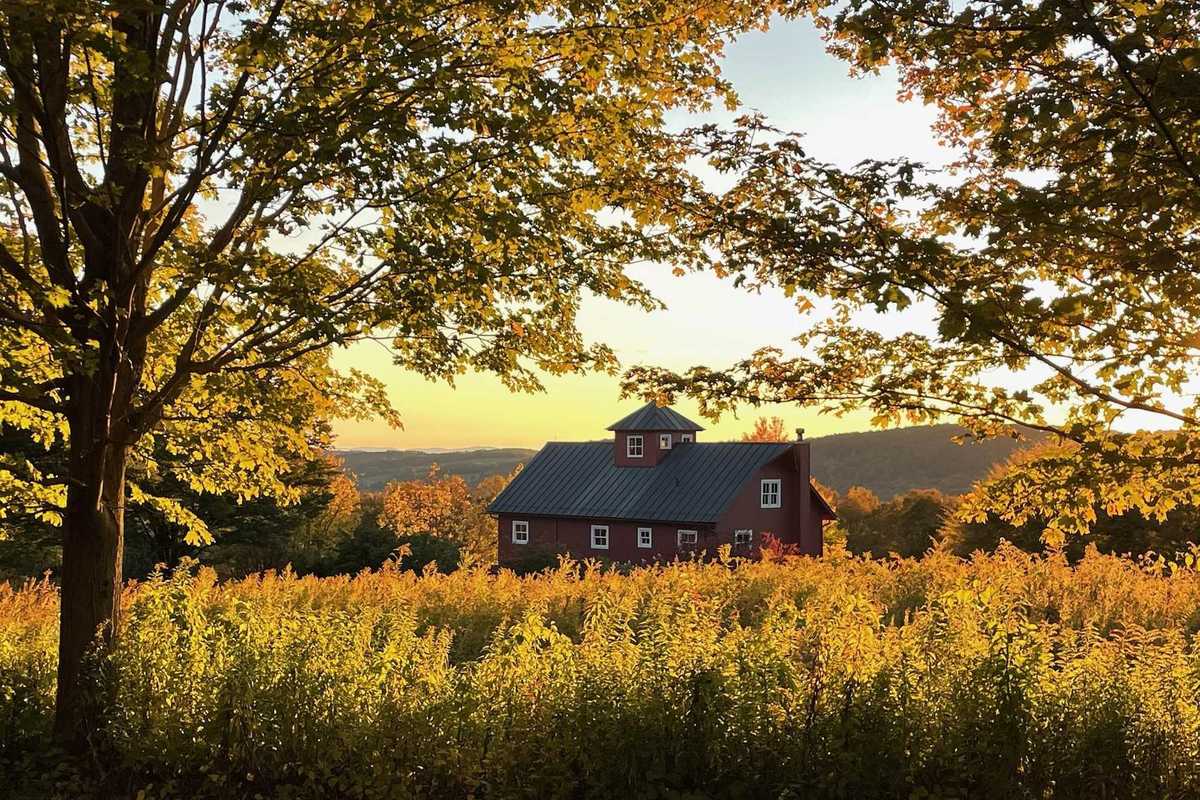
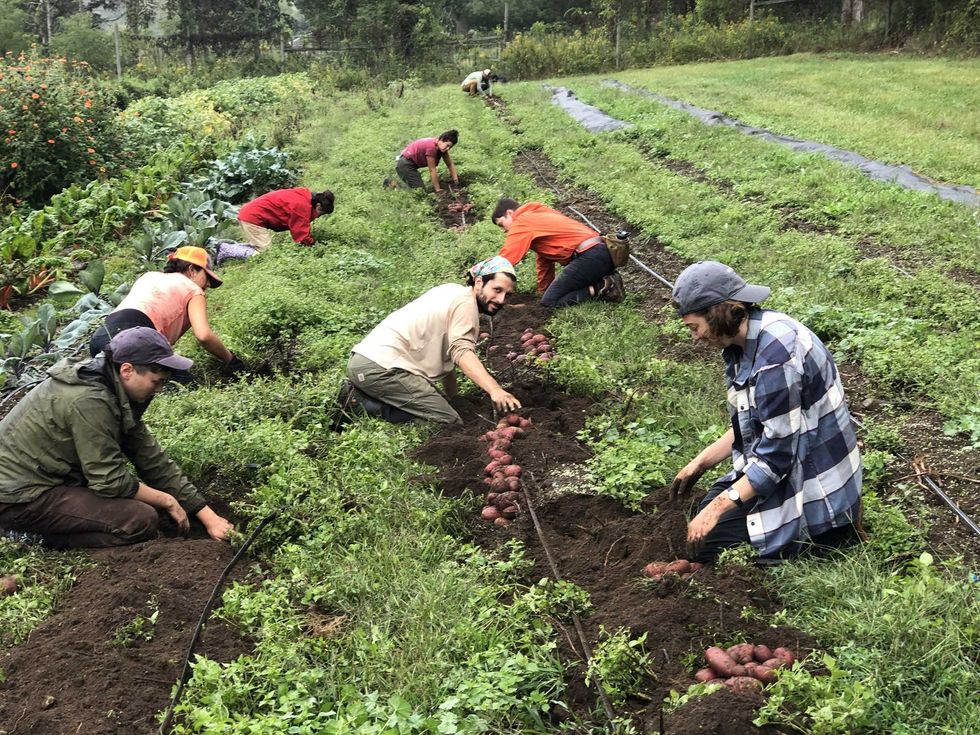 Fall storage crop harvests amid soil building cover crops at Adamah Farm in Falls Village. Janna Siller