“This season is staying true to the origins of Music Mountain,” Oskar Espina Ruiz, the summer concert series’s artistic director, told me while we sat in the back of Gordon Hall. Named after Jacques Gordan, the Russian child prodigy violinist and Music Mountain founder, classical enthusiasts have traveled to sit in the wooden pews of this intimate concert space housed in a quintessential Connecticut white clapboard since 1930 — when Gordan started inviting prominent musicians to sleepy Falls Village.
“Once again we’re offering a combination of masterworks and a well-known repertoire paired with some new, discovery pieces. That was the framework established by Gordon in 1930, and it’s a recipe that continues to work very well.”
The 2023 Music Mountain Summer Festival, which is already in full swing, offers live jazz selections on Saturdays and chamber music on Sundays and is tied together with the theme “Home and Belonging.”
“Composers would bring ‘home’ into their music,” Espina Ruiz said. “Immediately one can think of Dvorák or the Eastern European composers. We can think of The Russian Five in the 1850s [that’s Mily Balakirev, Cesar Cui, Modest Mussorgsky, Nikolai Rimsky-Korsakov, and Alexander Borodin], and in the early 20th century with my fellow countrymen, Manuel de Falla and Enrique Granados, you can hear their home in their music.”
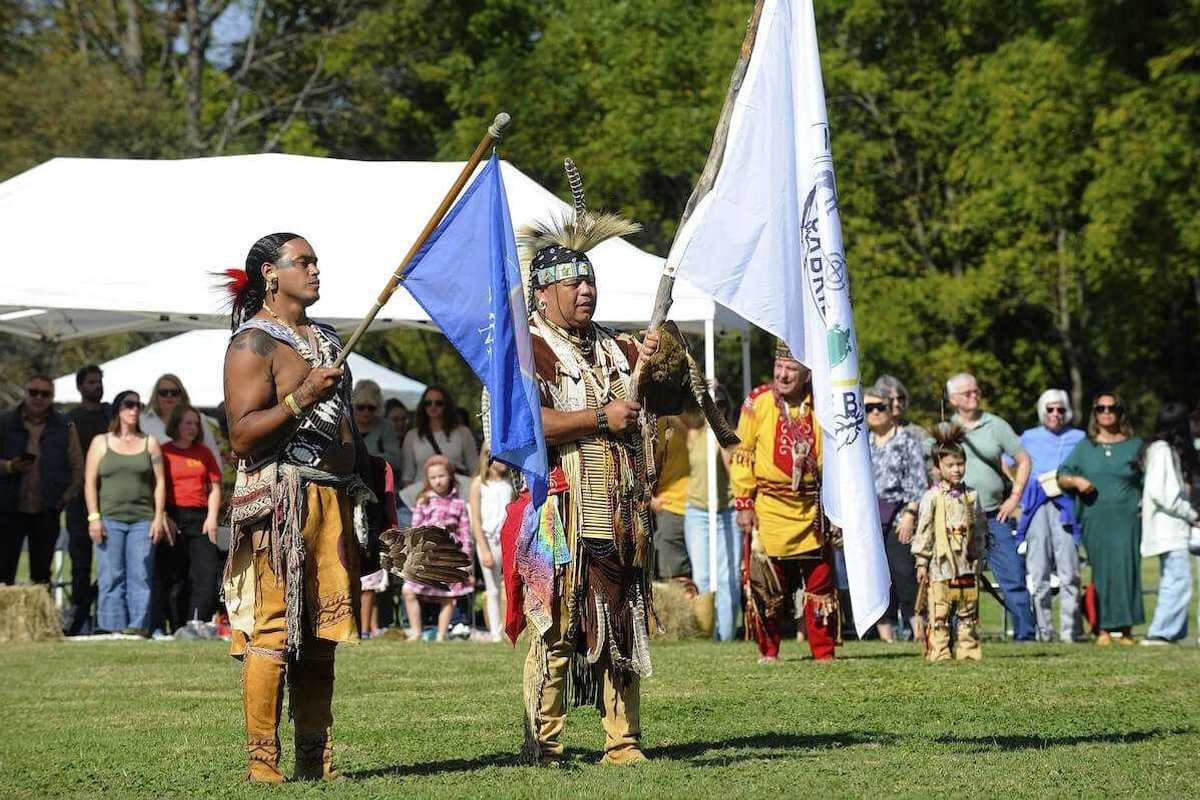
A musician himself, Espina Ruiz will play the clarinet with members of the New York City-based Ulysses Quartet on Sunday, Aug. 6, in a special concert event that will include a pre-performance talk with traditional Native American storytelling by Darlene Kascak, a member of the Schaghticoke Tribal Nation and the education director of The Institute for American Indian Studies Museum and Research Center in Washington, Conn.
This weekend on Sunday, June 25, at 2 p.m., Music Mountain’s Gordan Hall is opening its doors for a free family concert that Espina Ruiz sees as a gateway for younger audience members to be introduced to classical pieces. A concession stand is planned to open with ice cream and lemonade, and bringing a family picnic before the concert is encouraged. The Horszowski Trio, a New York City-based group, consisting of pianist Rieko Aizawa, cellist Ole Akahoshi, and violinist Jesse Mills, will be joined for this special concert by Jessica Thompson playing the viola, and Gregg August playing double bass as they perform Franz Shubert’s Piano Quintet in A Major — better known as “The Trout Quintet.” The five movements, fittingly written by Shubert at the height of his youth, have bright, animated flourishes to capture the attention of children, and a levity suitable for the start of summer. Breaking from the theme of "home," it is said Shubert was traveling when he wrote the quintet, on holiday in the picturesque statuary city of Steyr in Upper Austria, where two rivers meet. As the audience listens they will have to imagine the tension of the fisherman reeling in his line, and the trout riggling and wiggling in the water, dancing and full of life.
For a full list of performances and to purchase tickets go to www.musicmountain.org

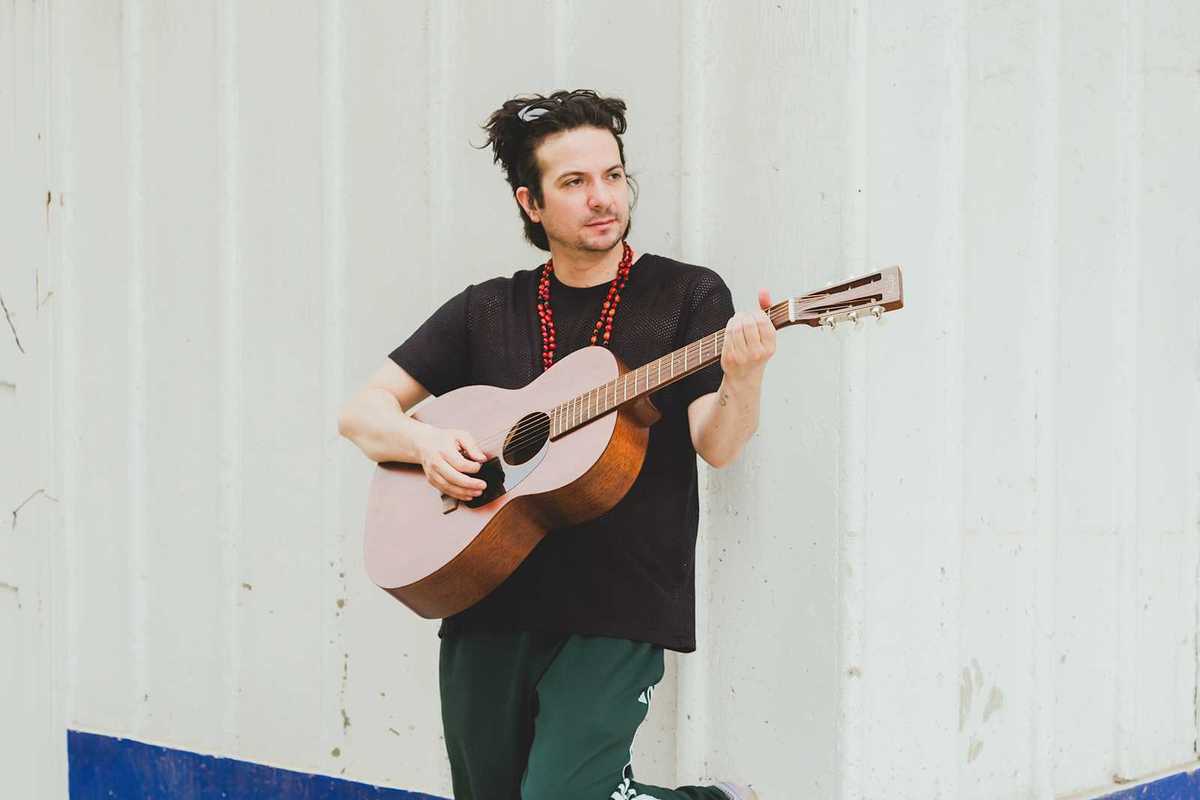
Oskar Espina Ruiz Photo by Alexander Wilburn
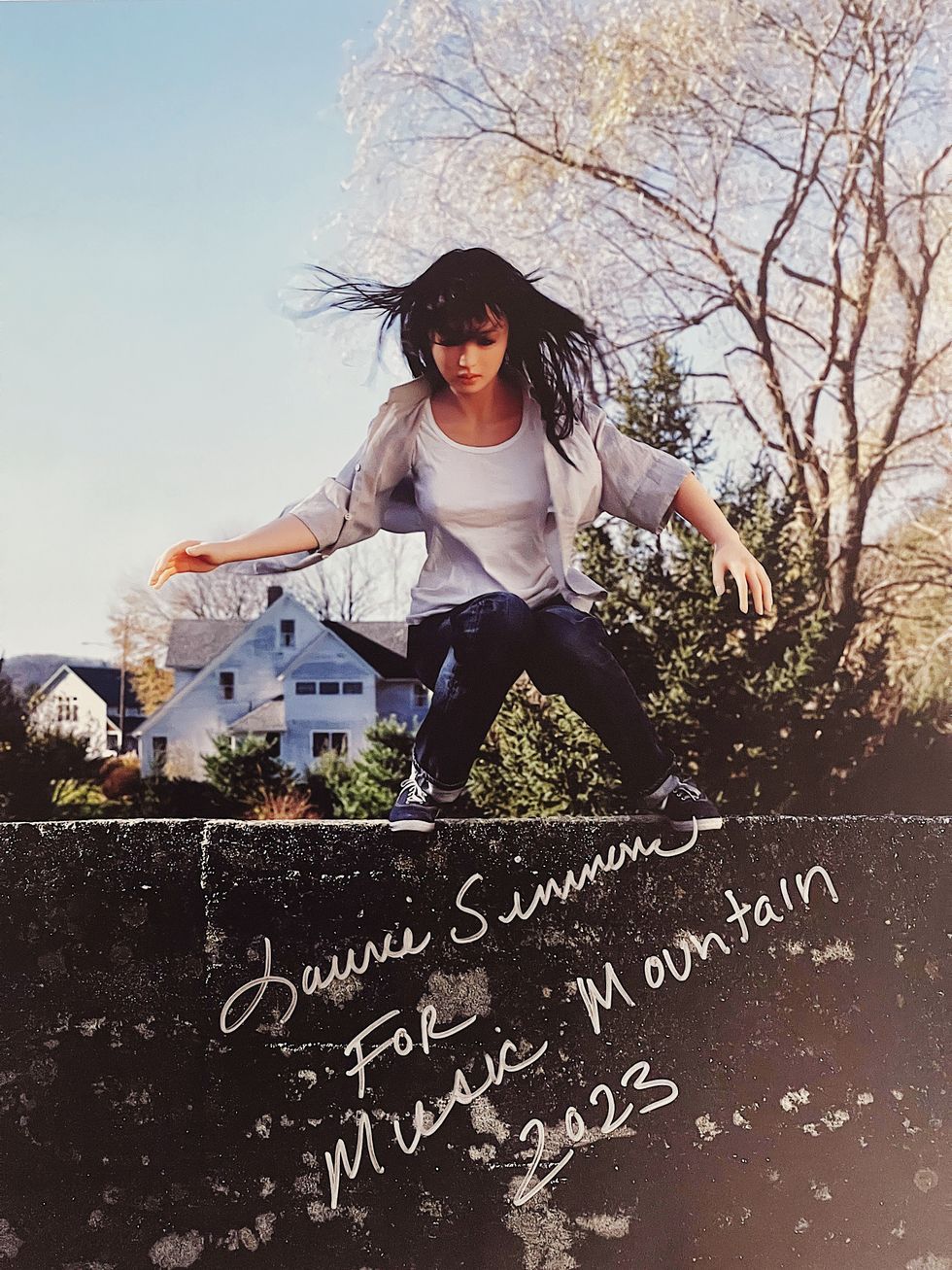
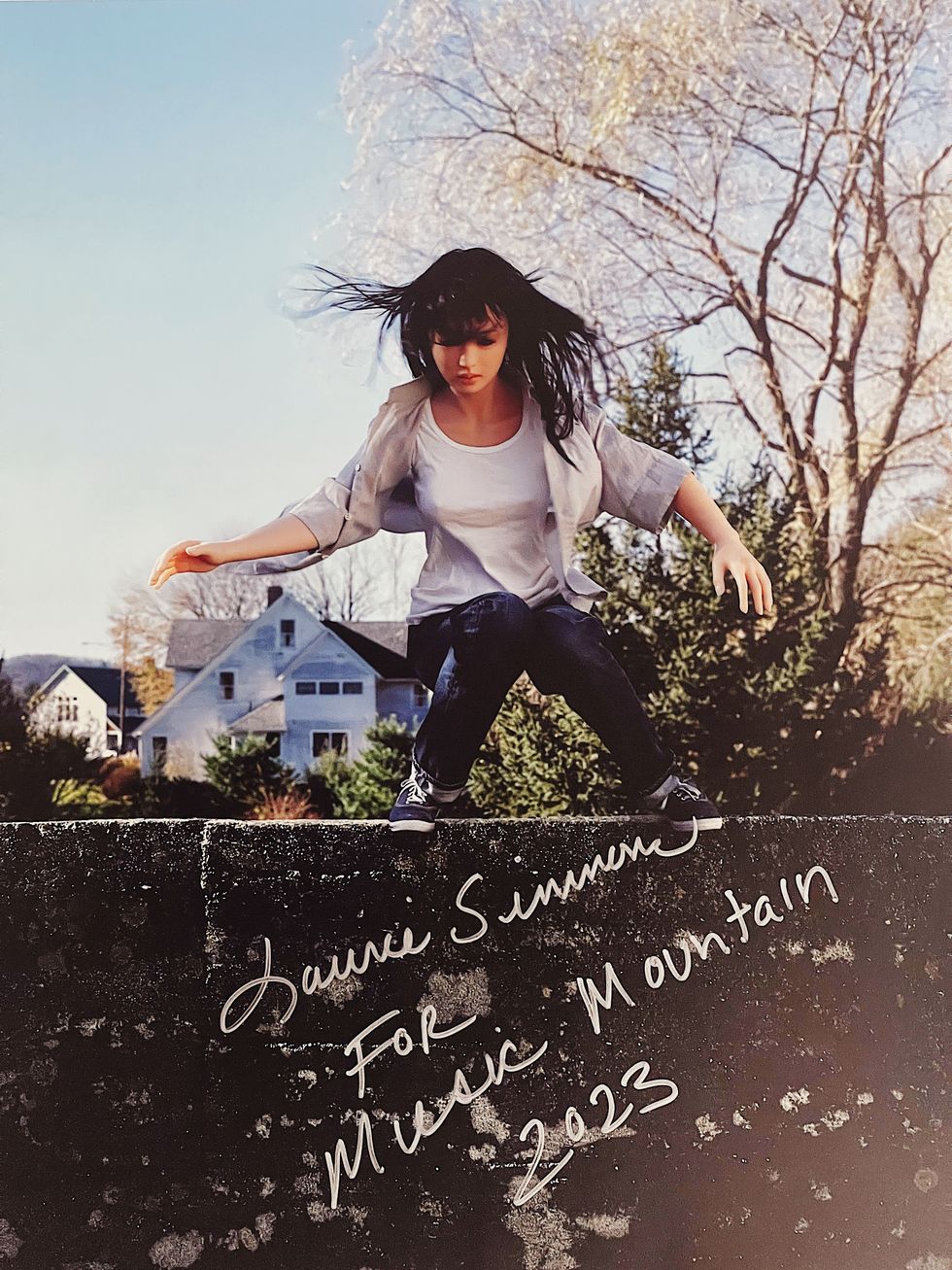
This summer Music Mountain is offering 50 editions of exclusive signed posters by Laurie Simmons to benefit the concert series. A resident of Cornwall, Conn, Simmons has challenged gender roles and redefined expectations of feminism in the New York art world for decades through her signature photography of miniatures, mannequins and dolls.





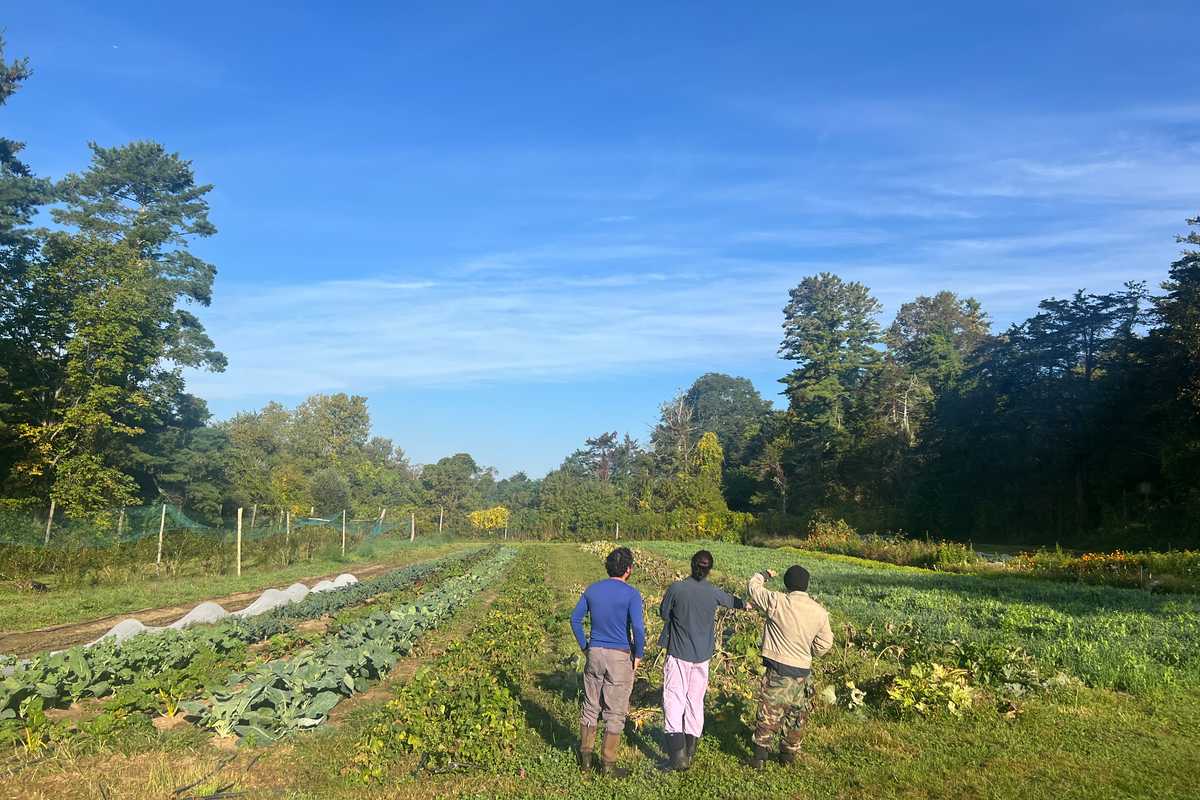
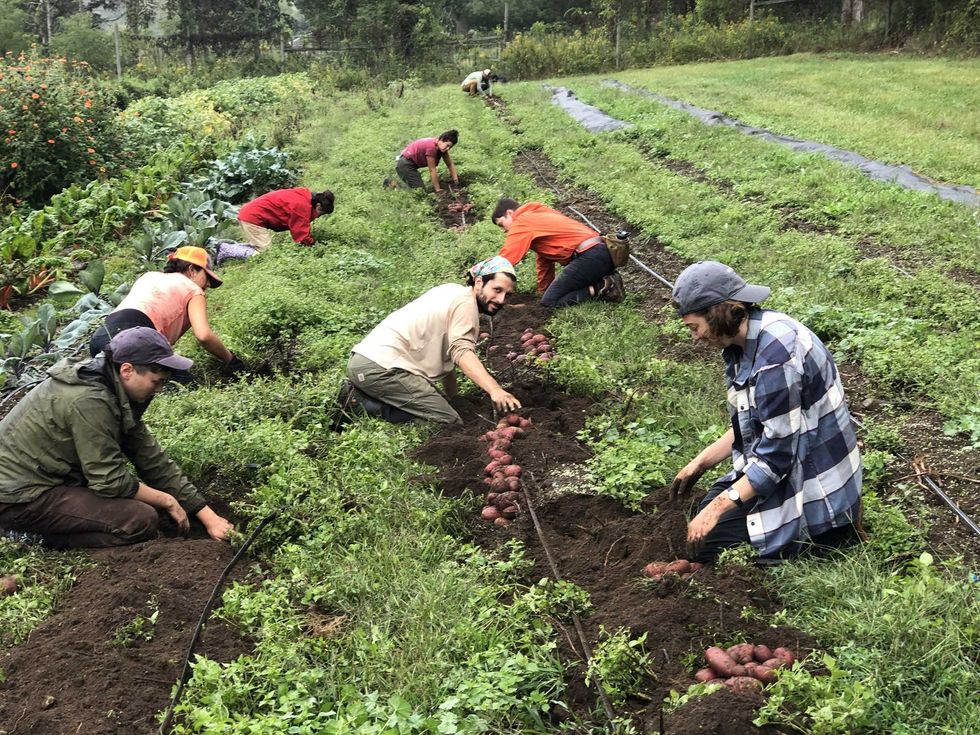 Fall storage crop harvests amid soil building cover crops at Adamah Farm in Falls Village. Janna Siller
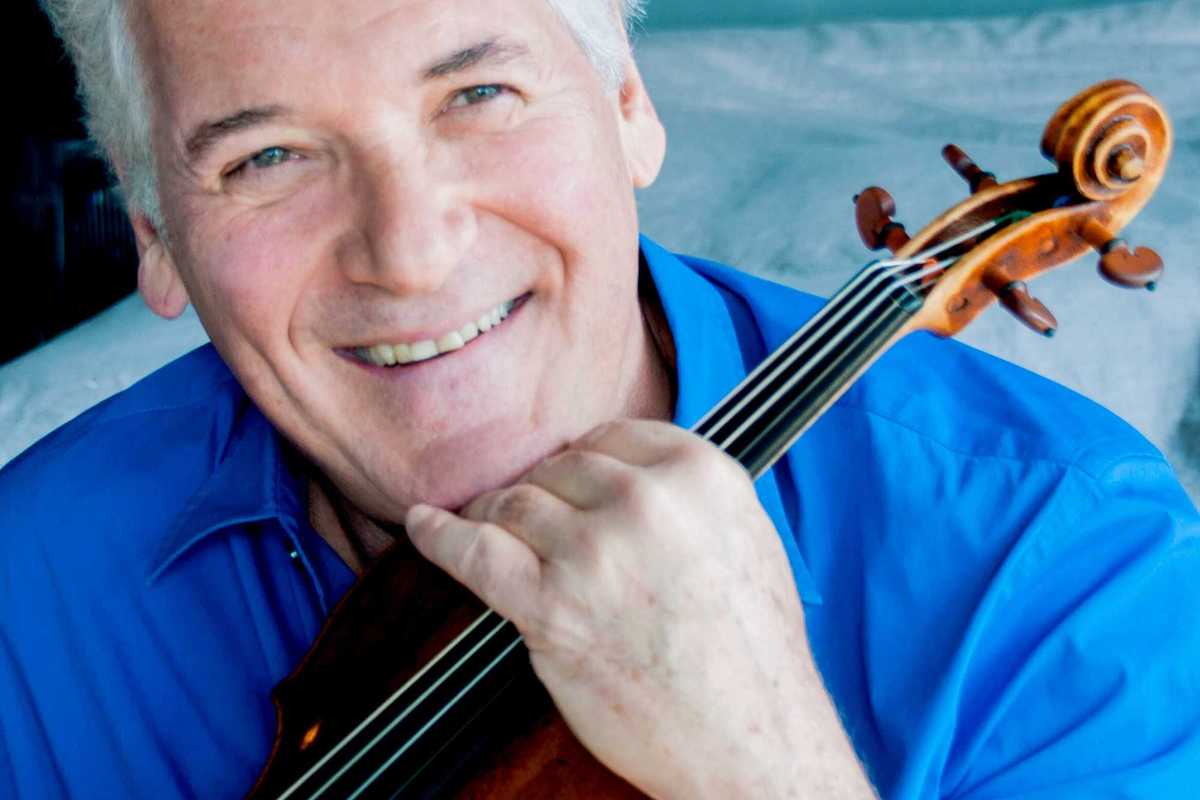

 The Found Footage Festival is a “celebration of the videos that time forgot.”Provided by Found Footage Festival