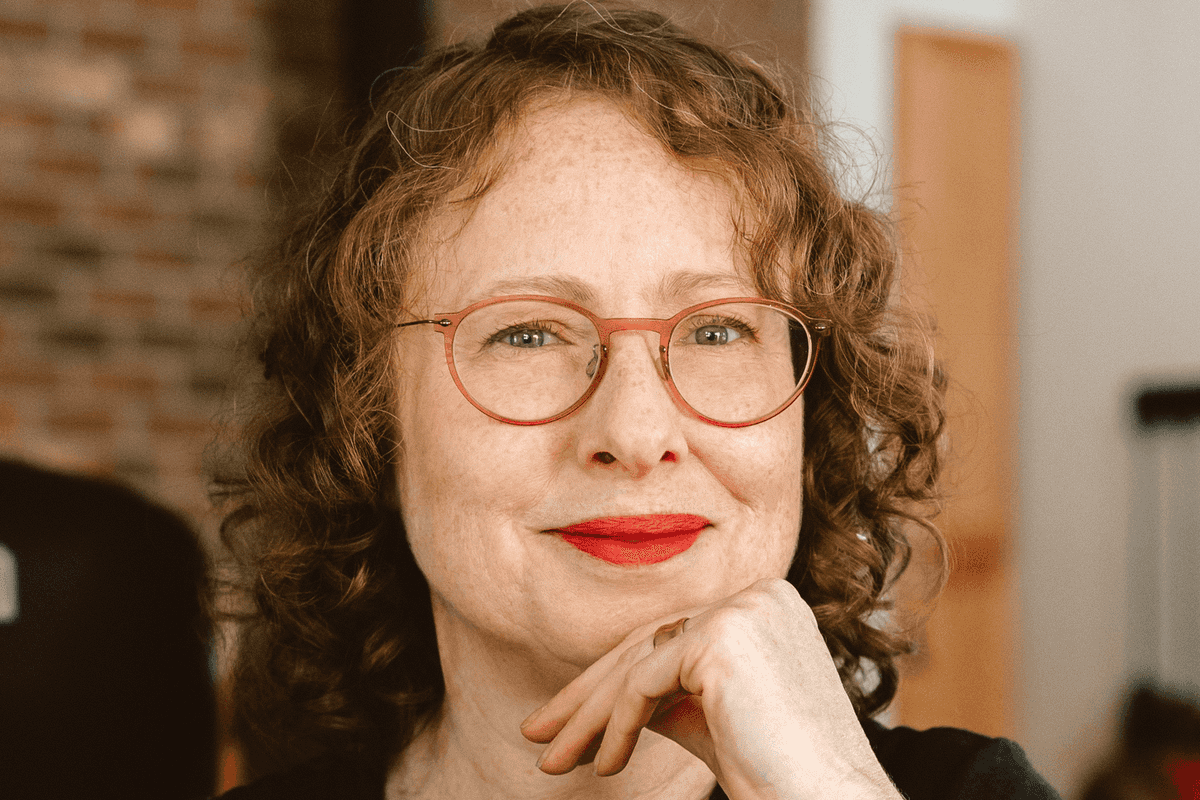
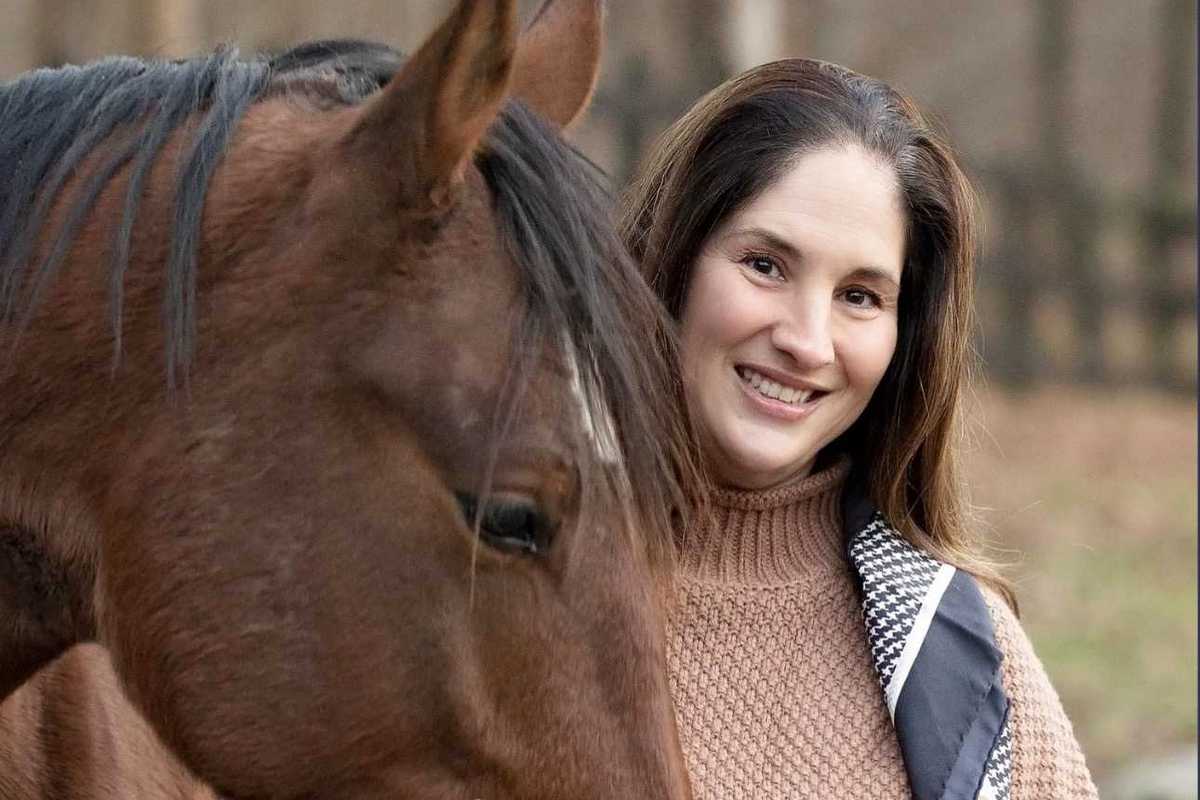
Castleberry’s idea of happiness is “looking at a great painting.”
May Castleberry is a ball of sunshine and passion, though she grew up an introverted child, moving with her family from Alberta to Colorado to Texas, finding comfort in mountains, books and wide-open skies. Today, the former art book editor and museum curator has found a new home in Lakeville, where the natural beauty of the Northwest Corner continues to captivate her. Whether walking with friends, painting, reading or visiting beloved local libraries in Salisbury, Norfolk and Cornwall, Castleberry has embraced the region since making her move permanent in 2022, bringing with her a remarkable career shaped by a lifelong love of books and art.
Castleberry grew up in the world of books, and especially art books, and she credits her artist mother, an avid art book collector, with igniting her passions. Castleberry’s high school art teacher in Dallas understood how to teach students to channel their imaginations into books and art.
Castleberry and her husband, Michael FitzGerald, a professor of art history at Trinity College and research director of an art foundation based in Europe, first moved to Lakeville in 2013 when their son attended Hotchkiss.
In college in Texas and graduate school at Columbia and NYU, Castleberry learned every aspect of fine art book production, from paper and design to the quality of printed reproductions and original works.
“I studied printmaking, design, art history and the history of the book,” said Castleberry. “In college, I learned even more when I started work as an art librarian. I haunted antiquarian and art book shops every weekend in New York City and wherever I traveled and was shaped by what I saw. I also took courses in papermaking and printmaking in my spare time.”
Castleberry entered the museum world in 1980 when she joined the Whitney Museum as a librarian.
“At the time, it was an underfunded one-person library, so not an obvious prize, but it turned out to be a great place to grow.”
When asked to help raise funds for acquisitions, she proposed creating a publishing program and, over the next 17 years, conceived, edited and produced over 20 books as the editor of the Whitney’s Artists and Writers Series. Castleberry also curated exhibitions of books, prints and photographs, culminating in a large-scale show about photography and photobooks titled “Perpetual Mirage: Photographic Narratives of the Desert West” in 1996.
After 20 years at the Whitney, Castleberry moved to the Museum of Modern Art to develop an artist’s book program that would explore the art of the book and help support the museum’s archives and library. This program, the Library Council, continued until Castleberry retired from MoMA late last year. During that time, she also organized an exhibition at New York City’s AXA Gallery on photography of archeological sites in the Americas: “The New World’s Old World.”
Asked about favorite stories from her museum roles, Castleberry recounts “looking for several very different artists to commission to make prints for ‘The Magic Magic Book’ by sleight-of-hand artist, collector and historian of magic Ricky Jay, and approaching artist Tomás Saraceno about making a pop-up book about spiders.”
Shortly after moving to Lakeville permanently, Castleberry heard about a part-time job coordinating events at the Scoville Library. She expected her program at MoMA to be shut down by the pandemic and thought the opportunity would be a great way to get to know the library, its staff and the community.
“I invited the poet Sally Van Doren to start a monthly poetry workshop, and artist and teacher Lily Rand to teach bookbinding and other classes. I was thrilled to bring in the founder of the Brooklyn’s Dieu Donné Papermill — one of the great papermakers in the world — as well as paper marblers and others for a series of outdoor art classes.”
MoMA’s Library Council revived only a few months later, and Castleberry no longer had the time her Scoville work required.
“Happily, I was replaced by the amazing Karen Vrotsos,” said Castleberry of the library’s current head of adult programs. “I am still in close contact with Karen Goodell, the library director, the library staff and some of the trustees.”
Castleberry’s idea of happiness is “looking at a great painting.”
In the region, her favorite art museums are the Clark in Williamstown, Massachusetts — which she recently supported by donating nearly all the books she worked on at the Whitney and MoMA to its art library — as well as Connecticut’s Hill-Stead Museum in Farmington and the Wadsworth Atheneum Museum of Art in Hartford.
Now newly retired from her museum position, Castleberry has returned to her passion for drawing and painting. She’s also in the initial planning stage of a museum book project. Stay tuned for her next chapter.