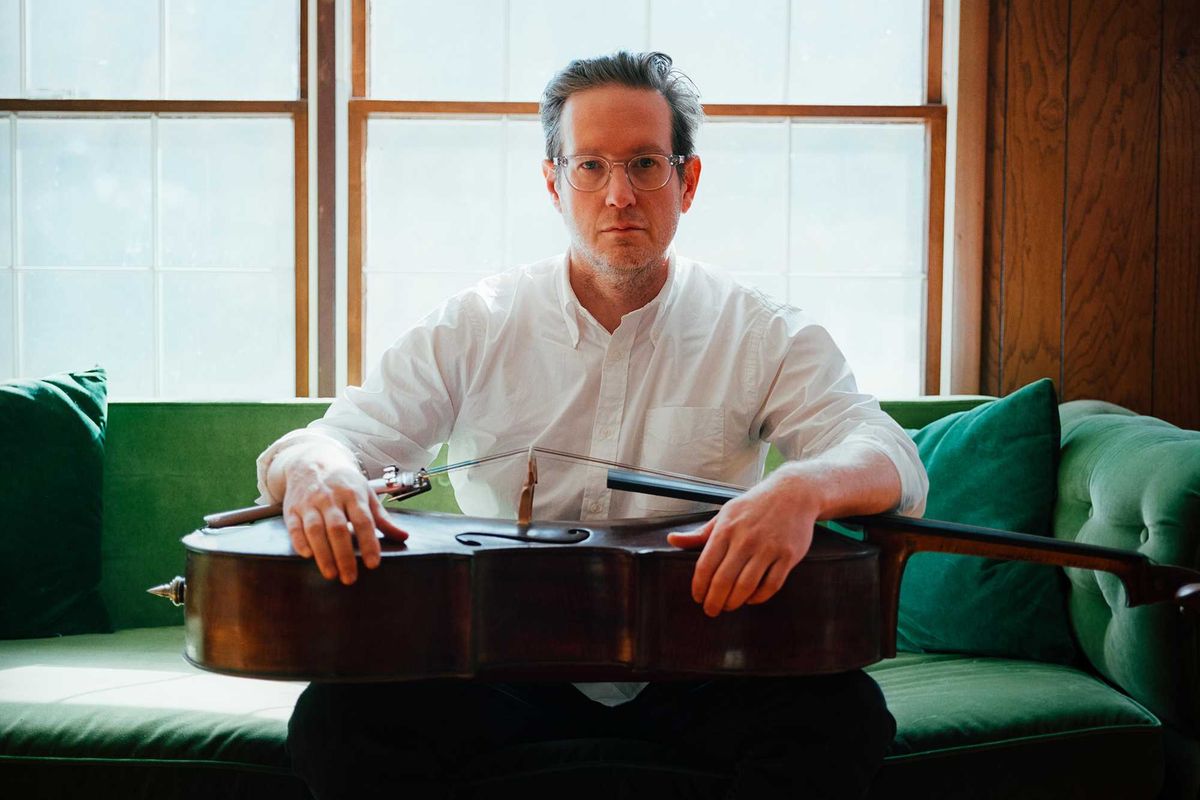
When cellist, composer and filmmaker Christopher Hoffman moved into the former home of Rex Brasher in Amenia in August 2023, he didn’t arrive with a plan to make an album about the painter and ornithologist who once lived there. But once he began to learn about the home’s former inhabitant — about his attention to land, to birds, to work done slowly and with devotion — he started to compose. “Rex,” Hoffman’s solo cello album (releases Jan. 16, 2026) is not a portrait of Brasher so much as an echo of a person, a place and a way of seeing the world.
Brasher (pronounced “brazier”) was born in Brooklyn in 1869, the son of a stockbroker whose passion for birds left a lifelong mark. After his father’s death, Brasher vowed to paint every bird in North America, and to do it from life. He eventually created more than 1,200 works, depicting birds with a precision and intimacy that bordered on obsession. Working largely outside the art world, Brasher lived on 116 wooded acres he called Chickadee Valley, where he painted, wrote and published his monumental 12-volume “Birds and Trees of North America.”
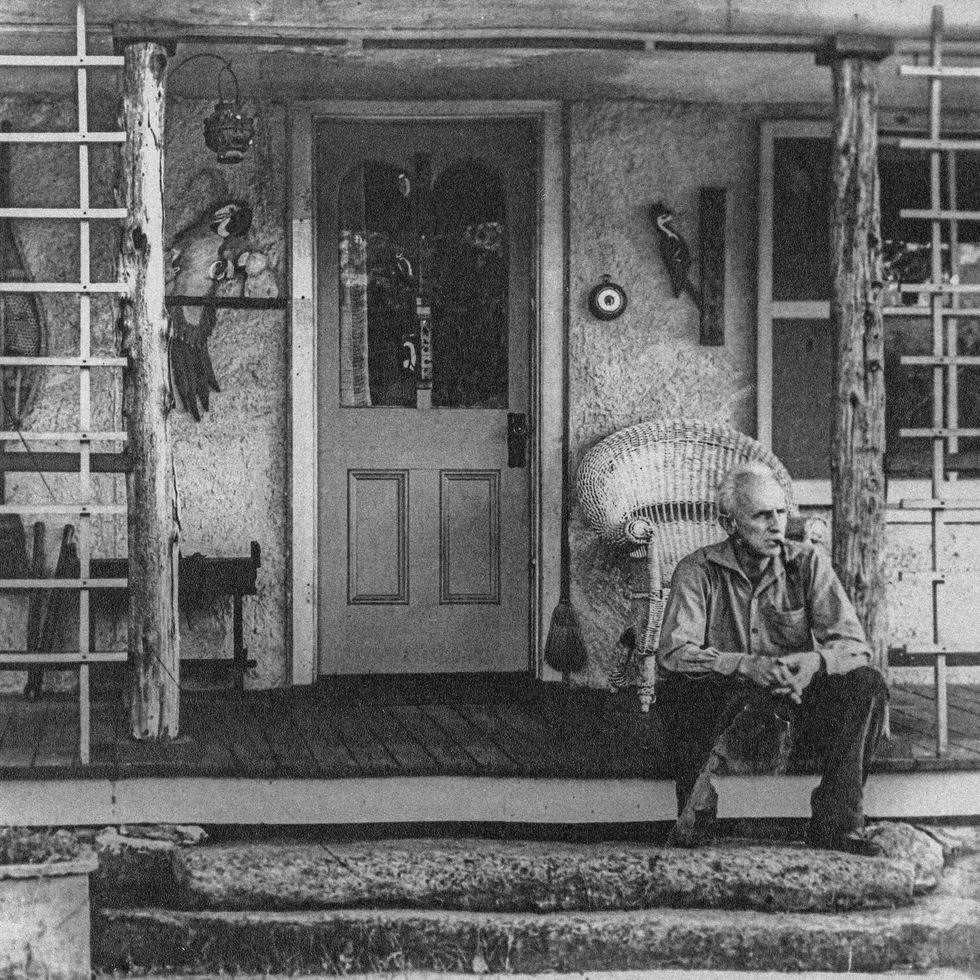 Rex Brasher at his home in Chickadee Valley.Provided
Founded in 2008 to preserve Brasher’s legacy and promote bird and habitat conservation through art, the Rex Brasher Association became an early point of connection for Hoffman, who composed and performed an original piece at the 2023 Rex Brasher Symposium just months after moving into Brasher’s former home. After many years in Brooklyn, Hoffman and his family had been looking for a change when they were shown the 116-acre property by association board member and architect Matthew Schnepf, who shared the history of the land and of Brasher himself.
“We’re the first renters outside of Rex’s family,” Hoffman said, explaining that the house is rented as part of an agreement to maintain the estate. Upon moving in, Hoffman dug deeper, purchasing the two-volume set of “Birds and Trees of North America” and immersing himself in Brasher’s world. Around the same time, and at the encouragement of composer, saxophonist and flutist Henry Threadgill, Hoffman debuted his first solo project at Tomeka Reid’s Chicago Jazz String Summit, planting the seed for the 13-track album that he then composed, recorded, mixed and mastered in Brasher’s home. The RBA (Rex Brasher Association) was equally supportive of the finished work, granting Hoffman permission to use Brasher’s artwork for the album, including the swallow-tailed kite painting that appears on the vinyl packaging. “You open up the record and the whole painting is right there,” said Hoffman.
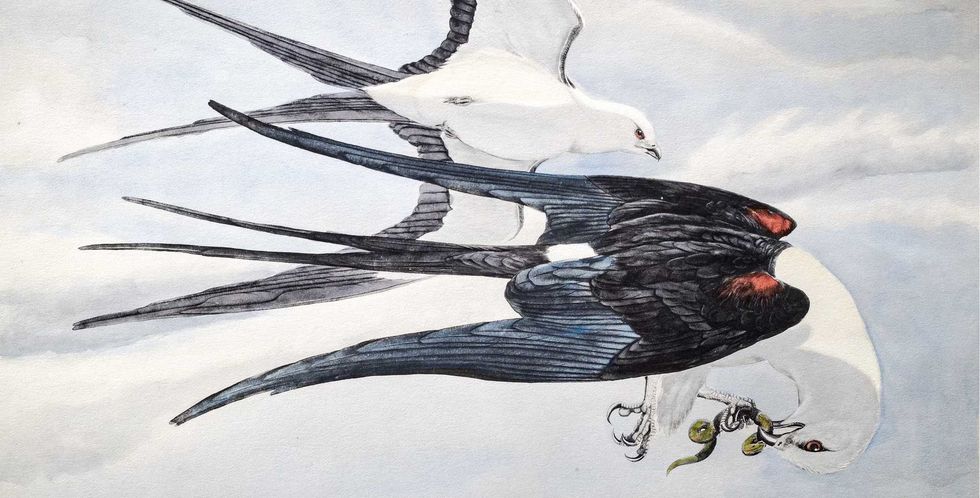 ‘Swallow Tail Kite’ by Rex BrasherProvided
Though birds are central to the record’s spirit, Hoffman deliberately avoided literal birdsongs. Instead, the cello is layered into dense soundscapes that suggest rather than illustrate. “There are tracks with tons of layered stuff where I guess you could hear bird sounds if you wanted to,” he said. Brasher’s refusal to accept approximation — destroying paintings when feathers didn’t look right — mirrored Hoffman’s own instincts as a musician. Tracks were built, discarded, rebuilt. Nothing stayed unless it felt true.
For Hoffman, “Rex” became a kind of reckoning. Though Hoffman has begun noticing birds with new intensity, using the Merlin bird app to identify some 30 species on the grounds, he says Brasher’s acuity still feels out of reach. “Even with binoculars, I still can’t see the details he was seeing.”
The album will be released Jan. 16 on Out of Your Head Records. Composed for acoustic and electric cello, the record reflects the solitude and intensity that shaped both Brasher’s vision and Hoffman’s process. “This guy was working so hard,” said Hoffman of Brasher. “And it was like, ‘Alright, Chris, get it together. Make the solo record you’re afraid to make.’”
To listen and purchase the album, go to: https://christopherhoffman.bandcamp.com/album/rex


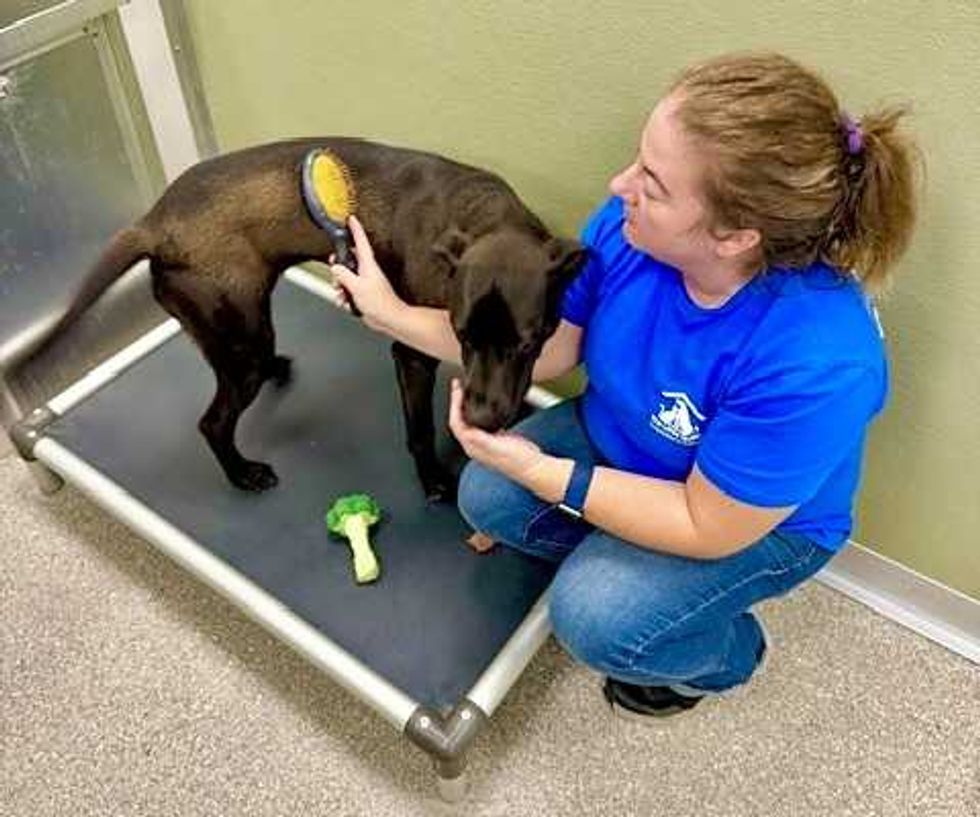 Tiffany Lemelin, shelter manager, brushing Marsala upon arrival.Provided
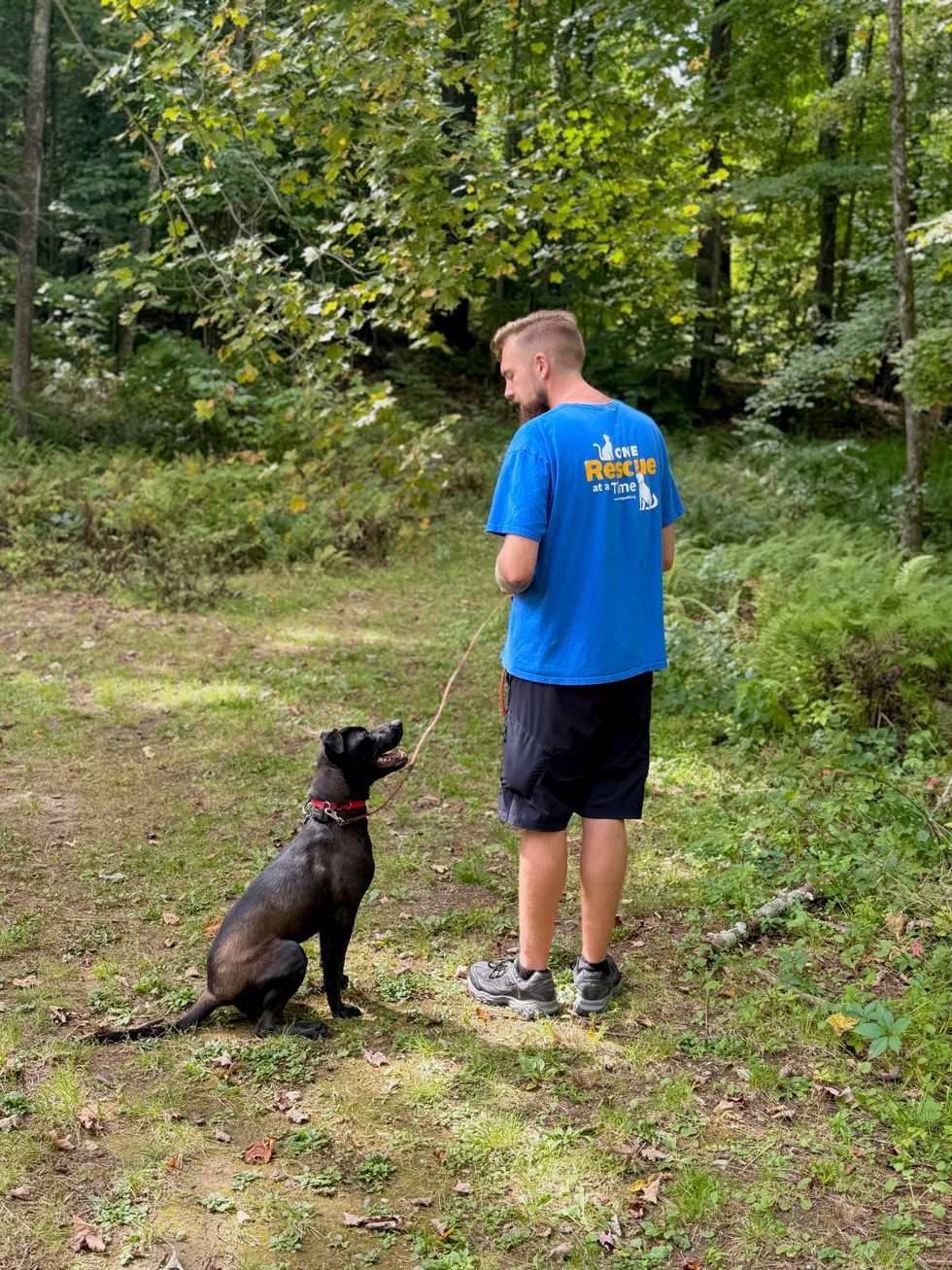 Michael DeBarba, certified dog trainer working with Marsala.Jennifer Almquist
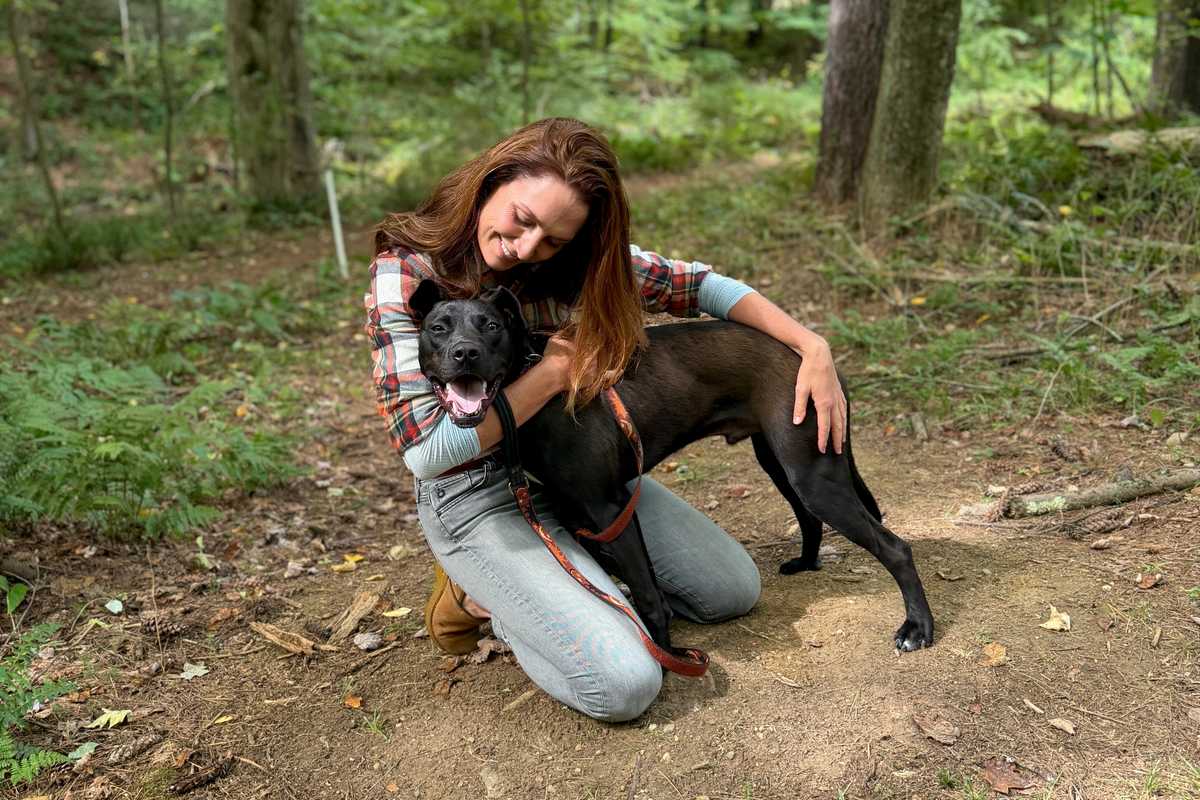 Marsala wins a heart.Jennifer Almquist
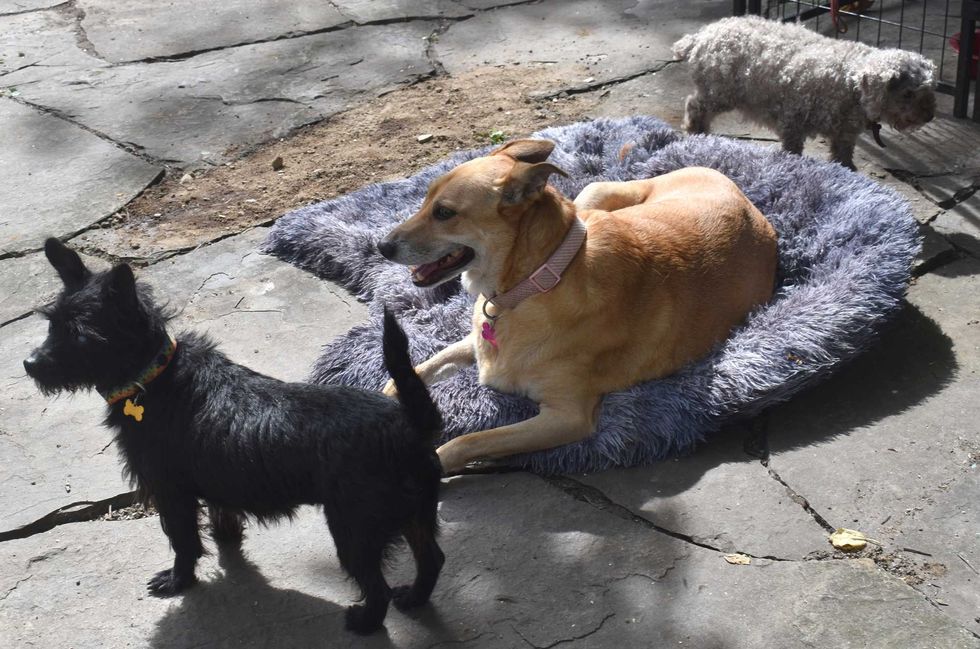 Sadie, center, a Carolina dog, plays with her friend Negra, a terrier mix. Bella Linda, the small poodle, has since been adopted.L. Tomaino
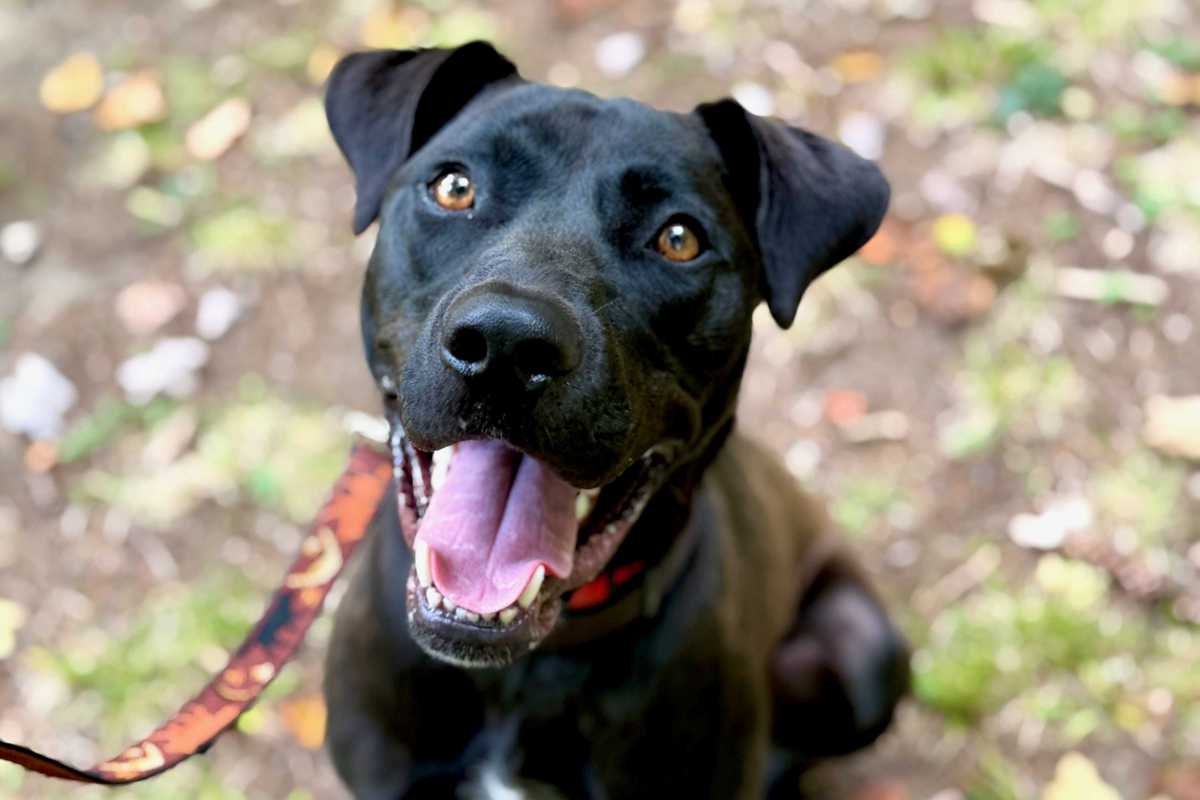
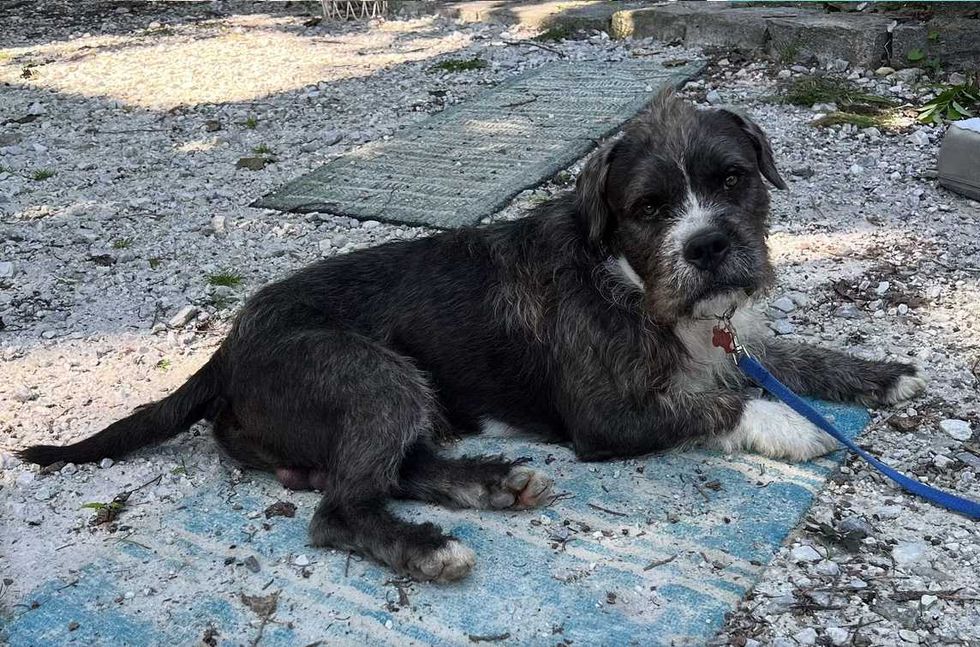 Wesley, a young, exuberant mix, is looking for an active home.L. Tomaino
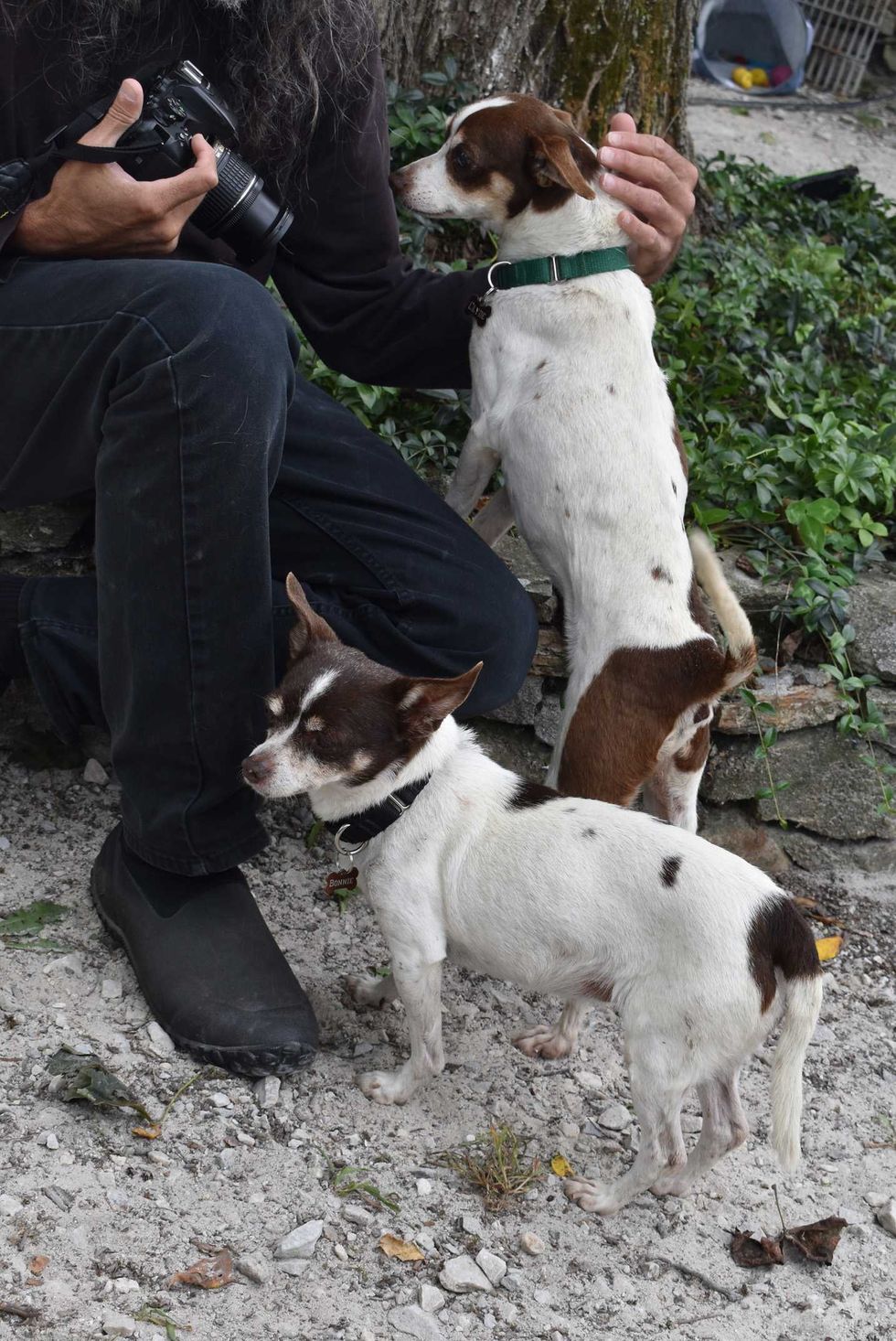 Bonnie and Clyde, an affectionate terrier pair.L. Tomaino