Thank you!
Your support is sustaining the future of local news in our communities.

Amenia wastewater panel considers system for distributing costs among users

AMENIA — Preparing for a scheduled meeting with Laberge Group Engineering of Albany, the Wastewater Committee discussed details of a possible system for distributing costs among potential users at their meeting on Thursday, Sept. 5.

The cost distribution system, termed Benefit units, was included in the Map, Plan and Report document of 2009 prepared by Morris Associates, Engineering Consultants. Laberge is expected to produce a Map, Plan and Report document, but key to that report is an agreed-upon system for spreading costs among users.

Wastewater Committee chairman Charlie Miller reported that the goal is to have Laberge’s MPR in hand by mid-autumn, so that a petition drive can begin. Results of the petition drive will allow the creation of a wastewater district, an essential step before major infrastructure funding applications can be submitted.

During discussion, the committee agreed to the Benefit Unit system of cost dispersal as described by Morris Associates’ 2009 report. Under the system, Miller explained, a single-family home, zoned residential, would be defined as one benefit unit. A two-family home would have two benefit units, and so on. An undeveloped lot with up to three residential parcels, would be defined as one benefit unit.

Commercially zoned units would be assessed at one benefit unit for each 165 gallons of average daily flow.

Committee member Shannon Roback expressed concern that the added costs might result in landlords increasing rents for their tenants.
Latest News

Slow fashion takes the runway at Stone Ridge Orchard

The organic runway at HVSFW puts sustainable style among the apple trees at Stone Ridge Orchard.

Jay Ballesteros

Fast fashion has made it possible to buy the latest trend almost as quickly as it appears on social media. The environmental cost, however, is anything but fleeting. Fashion production accounts for about 10% of global carbon emissions, consumes enormous quantities of water and energy, and an estimated 85% of textiles end up in landfills each year. Synthetic fabrics also shed microplastics when washed.

So what would happen if we slowed things down?

Keep ReadingShow less
google preferred source

Want more of our stories on Google? Click here to make us a Preferred Source.

Susan Schneider and the magic of marbling
Susan Schneider, owner of Shandell’s in Ashley Falls, in her studio.
It’s a joyful process. —Susan Schneider

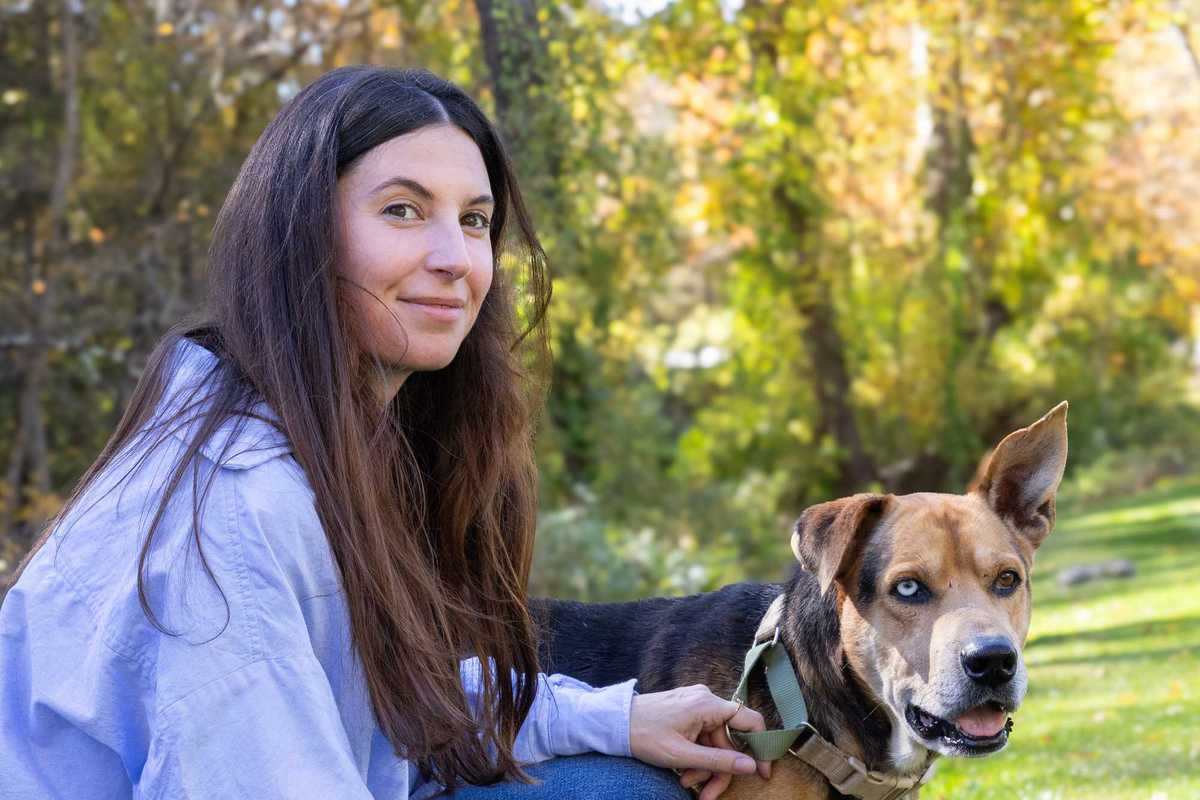
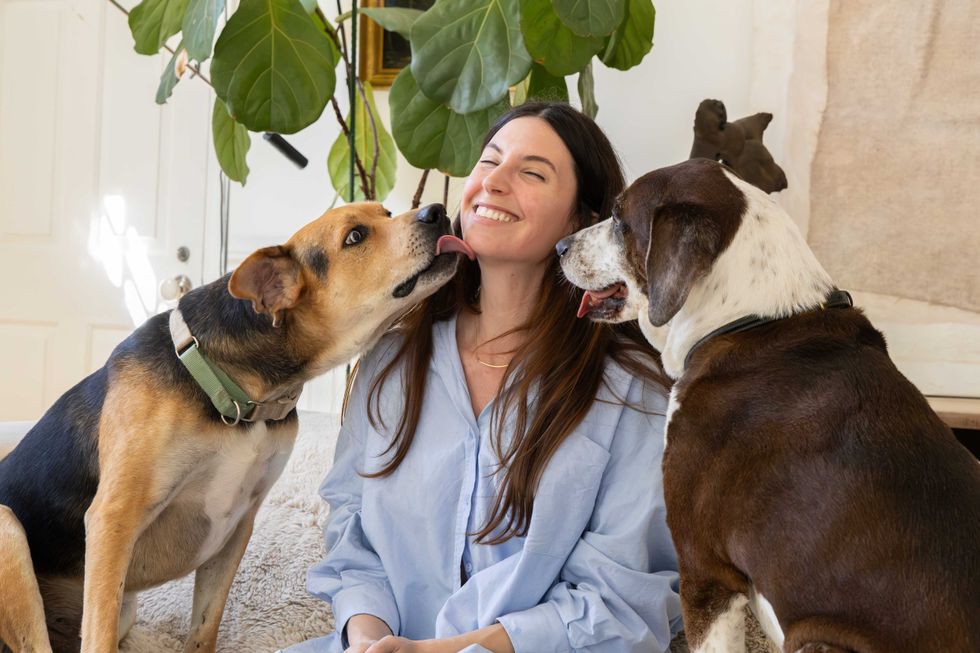
A beautiful September morning found Susan Schneider of Shandell’s working in her Ashley Falls home studio, while linen cocktail napkins she had marbled the day before hung on a line outside her back door. Her helpers, dogs Daisy and Stubbs, are never far from her.

“Marbling,” Schneider explained, “the art of floating paint on a liquid and printing it on a medium, has been around for hundreds of years.”

Keep ReadingShow less

Through the lens of war

Through the lens of war

“Omaha Beach Rescue, D-Day +1, Normandy, June 7, 1944.” one of the best-known photographs of D-Day.

Walter Rosenblum

Longtime Norfolk resident Nina Rosenblum will present her award-winning documentary, “They Fight With Cameras,” on Saturday, Sept. 26, at 6:30 p.m. at the Norfolk Library.

The film tells the story of her father, decorated U.S. Army Signal Corps combat cameraman Walter Rosenblum.

Keep ReadingShow less
Brian Gersten finds the story in the overlooked

Filmmaker Brian Gersten

D.H. Callahan

At 6 p.m. on Saturday, Sept. 26, award-winning filmmaker Brian Gersten will screen four short documentaries at the David M. Hunt Library in Falls Village, exploring obscure topics such as a lingering territorial dispute between the United States and Canada, a nationwide toilet paper panic sparked by a late-night joke, the infamous “Balloon Boy” saga and the history of bowling in America.

The Chicago-raised, Millerton-based filmmaker has worked as an editor on feature-length documentaries like the cycling film “Enter the Slipstream” and Netflix’s profile on author Tom Wolfe, “Radical Wolfe.” In 2025, “Why We Dream,” a film he edited about bringing D-Day veterans back to the beaches of Normandy, premiered aboard the U.S.S. Intrepid in New York City. When it comes to directing, Gersten’s own interests focus more on the underappreciated and unremembered, as the four short films he directed will demonstrate.

Keep ReadingShow less
google preferred source

Want more of our stories on Google? Click here to make us a Preferred Source.

google preferred source

Want more of our stories on Google? Click here to make us a Preferred Source.