Thank you!
Your support is sustaining the future of local news in our communities.

The bear necessities of living in bear country

Local Matters

The bear necessities of living in bear country

A bear outside Cornwall Consolidated School in West Cornwall.

D.H. Callahan
Take down bird feeders when bears are active. Secure garbage cans left outside, and never leave pet food or trash on porches, screened-in or otherwise.

This here is bear country. In fact, Connecticut has an unusually high rate of bear home entries compared with neighboring states. So far this year, the state has documented more than 60 home entries, and bears have been spotted in all 169 towns and cities.

Bears are also part of life in neighboring Dutchess County. But don’t worry. It’s not as bad as it sounds.

The first thing to know is that we only have black bears round these parts. Black bears are generally not aggressive toward humans, although they are wild animals and can behave unpredictably. Even in autumn, when bears are actively bulking up for hibernation, attacks on humans are very rare. Luckily, the Connecticut Department of Energy and Environmental Protection, or DEEP, has tips and tricks for living safely and comfortably in bear country.

If you see a bear from your car, stay inside and enjoy nature’s majesty from a safe distance. Give the bear plenty of room and never approach it.

If you encounter a bear while outside, additional caution should be taken. Do not approach or corner it. DEEP recommends “hazing,” or scaring a bear away, in certain circumstances.

Leave the bear alone if you are in its habitat, it is already running away or climbing a tree, it is a lone cub, or scaring it could drive it toward people, dogs or traffic.

If a bear lingers in your yard or another developed area, however, hazing may be appropriate, but first get children and pets inside.

The best way to scare a bear is to make eye contact, get big and get loud. If you have a whistle or air horn, use it. Pots and pans can also do the trick.

Barring those instruments, your hands and voice can work wonders. Clap loudly and yell firmly.

If a bear enters your house, keep your distance and back away. Next, open as many doors and windows as possible to give the bear an easy escape route. Again, do not approach the bear.

Making sure your home is not actively attracting bears in the first place is even better. Take down bird feeders when bears are active. Secure garbage cans left outside, and never leave pet food or trash on porches, screened-in or otherwise. And make sure you pack away those pick-a-nic baskets.

Contact wildlife authorities if a bear is highly agitated, sick or injured, approaches people or does not leave after hazing. In Connecticut, call DEEP’s 24-hour emergency dispatch line at 860-424-3333. In Dutchess County, contact the New York State Department of Environmental Conservation at(518)402-8044.
Latest News

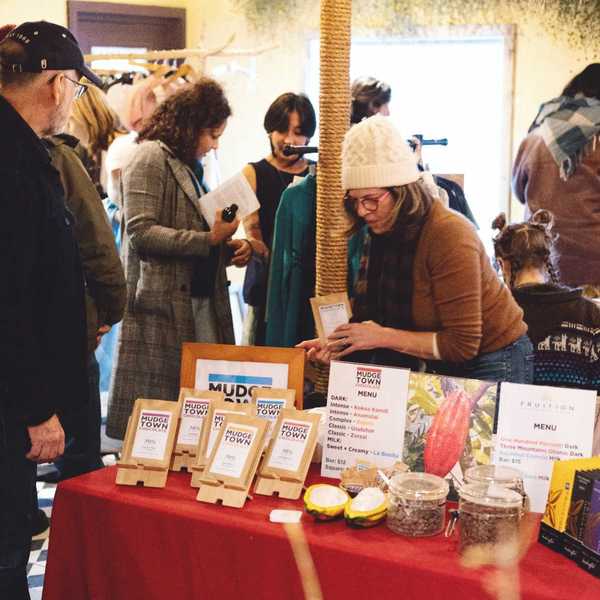
Farm & Friends: a holiday market that gives back

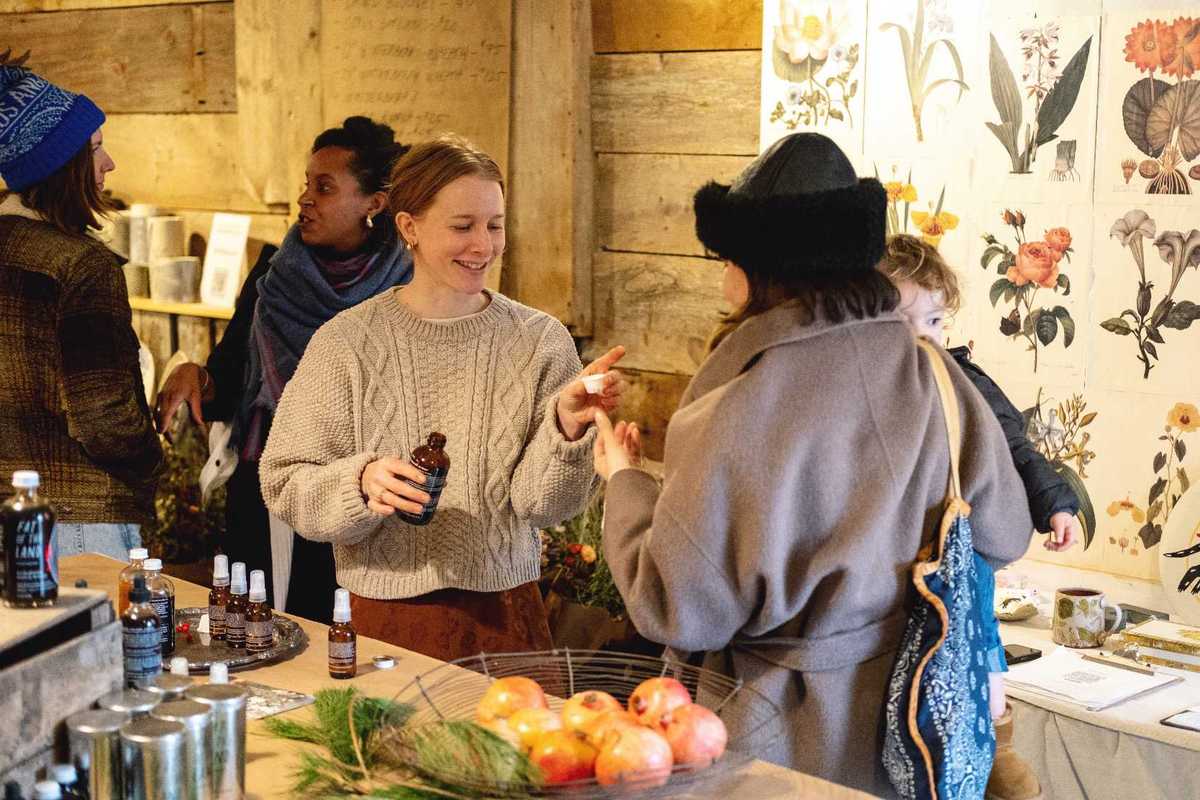
The Farm & Friends holiday market returns Nov. 21 and 22, featuring local makers, food producers and seasonal gifts.

Provided

According to PBS, “More than 5 million people have lost their Supplemental Nutrition Assistance Program, or SNAP, benefits since President Trump’s so-called One Big Beautiful Bill passed last year.” Combined with rising costs and new eligibility requirements, these cuts have placed additional pressure on families struggling to make ends meet. As more people turn to food banks and pantries for assistance, local farms are playing an increasingly important role in meeting that need. Hungry Reaper Farm in Morris, for example, supplies food and CSA shares to a variety of nonprofit organizations and schools.

In Dutchess County, The Webatuck Valley Farm Collaborative is working to strengthen the pipeline from farms to foodbanks. Led by Rock Steady Farm, Sweet Freedom Farm and Wildseed Community Farm and Healing Village, the collaborative hopes to double the infrastructure capacity for at least 15 local farms. This will allow them to increase supplies for food pantries and regional schools while expanding the farms’ reach to industrial buyers and distributors. By their estimation, the food hub “will supply and impact 9 school districts, 13 food pantries, and partner with 6 institutional buyers and 8 aggregators and distributors.”

Keep ReadingShow less
google preferred source

Want more of our stories on Google? Click here to make us a Preferred Source.

Under the big top at Full Circus Farm

Under the big top at Full Circus Farm

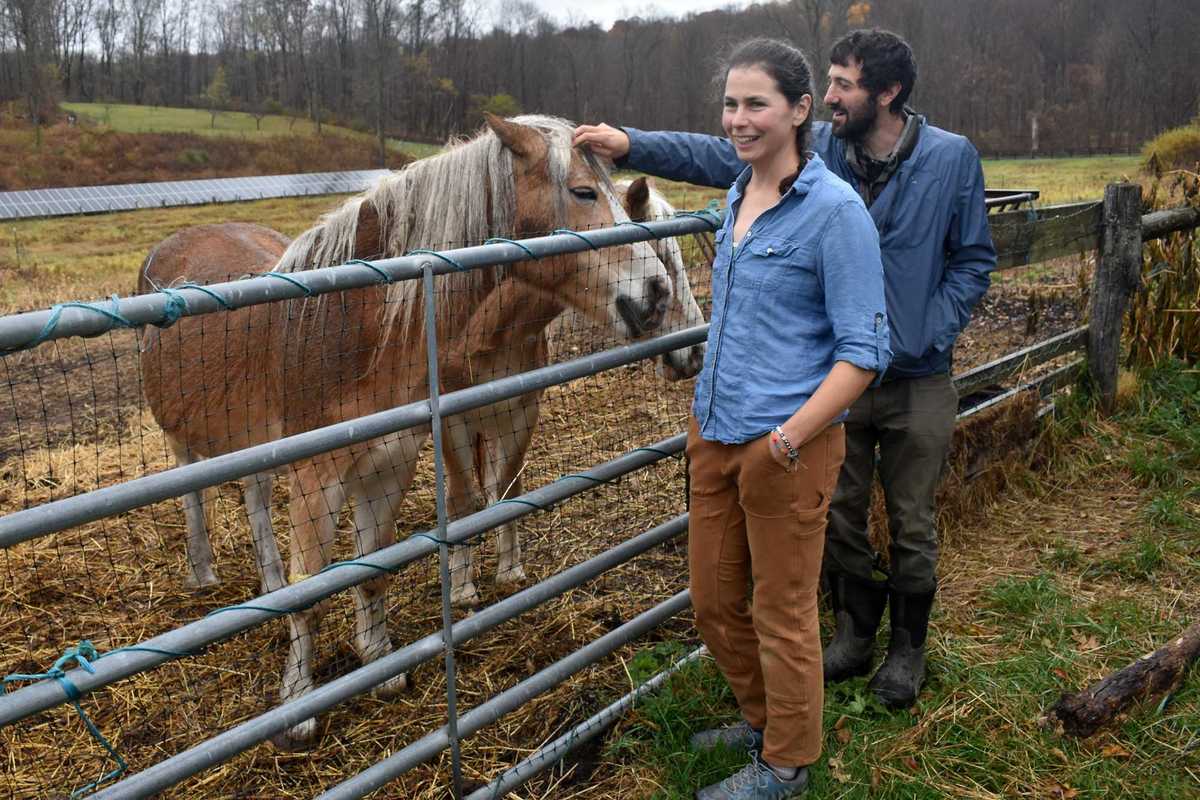
Miriam Goler and Mark Stonehill with their Haflinger horses, Sunshine and Sandy, at Full Circus Farm in Pine Plains.

L. Tomaino

We share this farm with such amazing human and nonhuman neighbors.
— Mark Stonehill

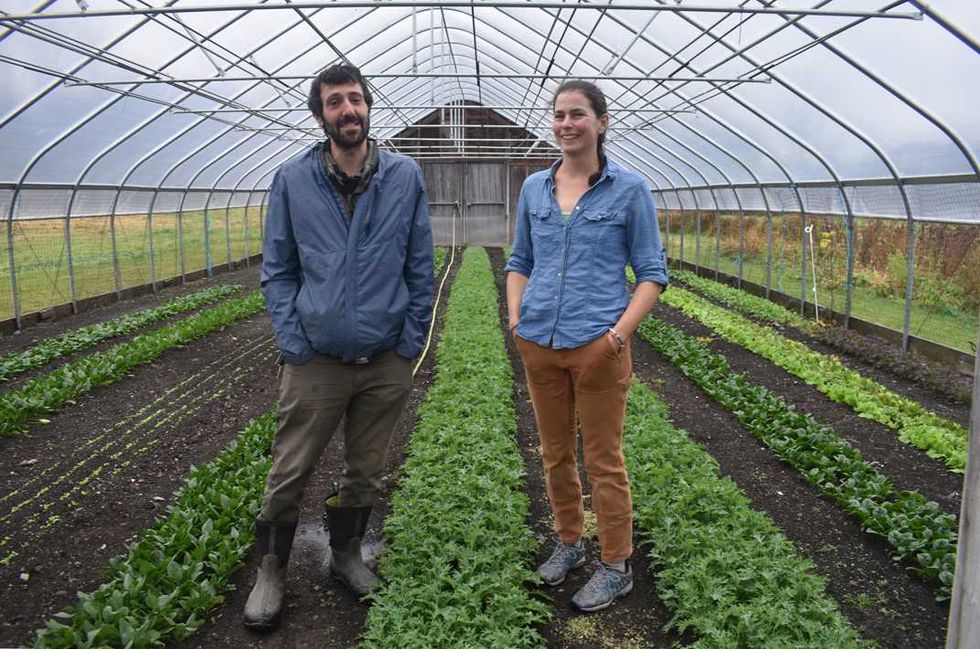
For Mark Stonehill and Miriam Stonehill Goler, the founder of Full Circus Farm in Pine Plains, farming has always been about more than what comes out of the ground.

“From the very beginning, we’ve envisioned the farm as a place not only for food production, but also merriment and community,” they said.

Keep ReadingShow less
At Ancram Center, community takes center stage
Ancram Center staff and teaching artists after the ceremony.From left to right,Simone Stevens, Sarah Katan, Jeffrey Mousseau, Erin Krom and Chris McCoy.
Provided

At the Ancram Center for the Arts, the stage has been host to numerous award winning professional actors, but it also often belongs to a neighbor with a story to tell. Other times, the performance moves out of the theater altogether, transforming a pond, a field or a corner of town into a stage.

That commitment to bringing theater into the community — and the community into the theater — has earned the Ancram Center the Larry Murray Award for Community Outreach and Support through Theater, one of the Berkshire Theatre Critics Association’s annual Berkie Awards.

Keep ReadingShow less
The Cornwall Whale resurfaces in West Cornwall

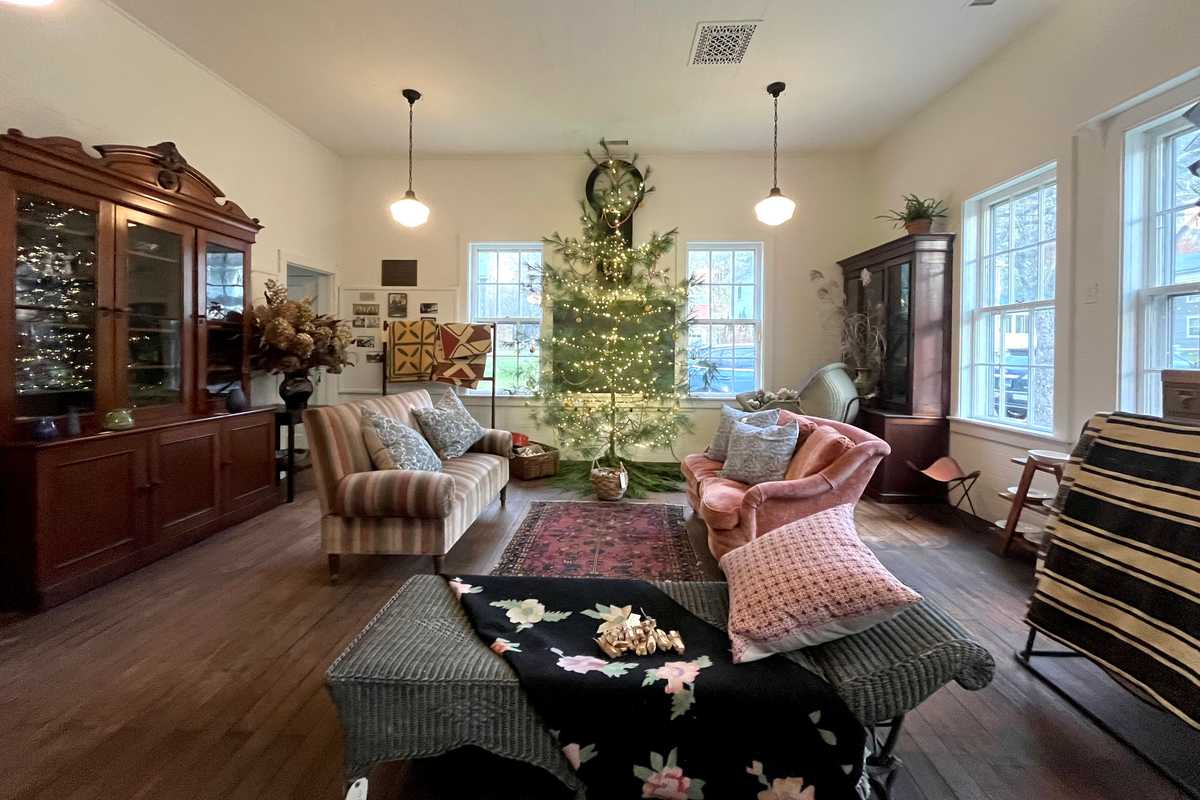
The Cornwall Whale is the brain-child of visual and experiential designer Lindsay Stadig.

D.H. Callahan

There’s something oddly familiar yet intangibly foreign about the Cornwall Whale. It’s not an interiors store, even though there are chairs and furnishings for sale. It’s not an art gallery, though there are paintings and sculptures occupying every corner of the space. It’s not a boutique, even with locally handmade shoes and carefully selected garments. No, The Cornwall Whale is something truly unique in the world of the truly unique.

The enigmatic shop popped up in the early winter of 2025 at the Hughes Memorial Library, right on the bank of the Housatonic River in West Cornwall. It is the brain-child of visual and experiential designer Lindsay Stadig.

Keep ReadingShow less
google preferred source

Want more of our stories on Google? Click here to make us a Preferred Source.

google preferred source

Want more of our stories on Google? Click here to make us a Preferred Source.