Thank you!
Your support is sustaining the future of local news in our communities.

Animals matter at the Trevor-Lovejoy Zoo

Local Matters

Animals matter at the Trevor-Lovejoy Zoo

Hands-on experience is key to the educational program at The Trevor-Lovejoy Zoo at The Millbrook School. Students regularly assist veterinary staff in the care of the zoo’s resident animals and birds.

Provided

A visit to the Trevor-Lovejoy Zoo at Millbrook School brings home the importance of living responsibly in partnership with the natural world. There is a strong commitment to supporting conservation and protecting wildlife. Animals clearly matter.

Now in his 36th year with the zoo, including 12 years as its director, Alan Tousignant embodies a lifelong commitment to animals and the workings of a modern zoo. He began as a young intern at what was then the Trevor Zoo — and stayed.

“I’ve always loved animals,” said Tousignant, who was raised on a dairy farm in upstate New York near Lake Champlain. As a young man, he wanted to become a veterinarian but later expanded his interests to other careers, as long as they involved animals. That exploratory process led to an internship at the Trevor Zoo.

The Trevor Zoo was established in 1936 by Frank Trevor, the school’s first biology teacher. In 2025, the zoo added the name of Tom Lovejoy, a Millbrook alumnus who had been taught by Trevor and went on to become a pioneer in the field of conservation biology.
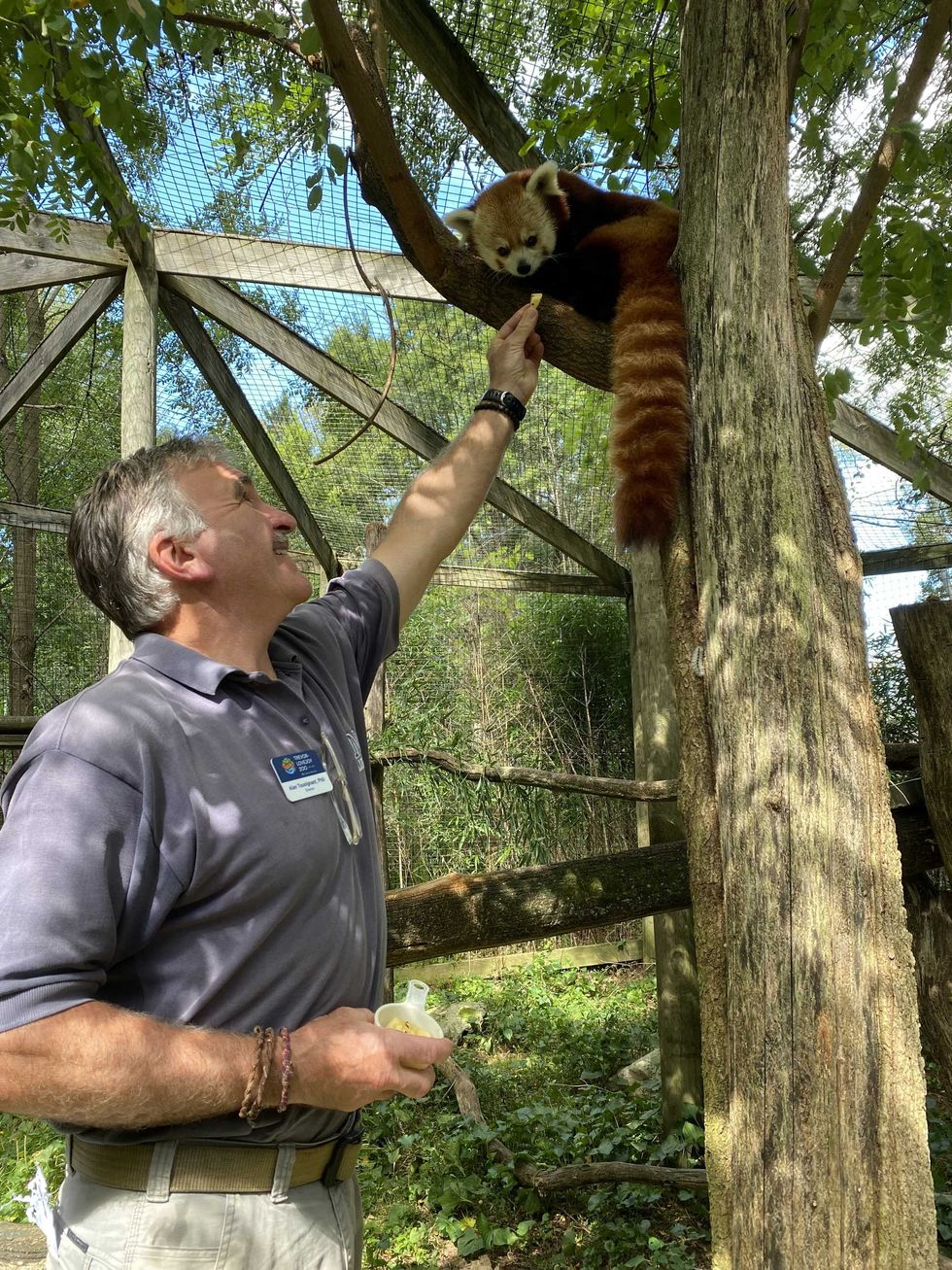
Trevor-Lovejoy Zoo Director Alan Tousignant offers a treat to one of the zoo’s pair of Red Pandas.Leila Hawken

Today, the zoo features a 6-acre exhibit area within a 16-acre parcel. It is a recognized wildlife rehabilitation site with a 50% to 60% success rate. Ten full-time staff members are assisted by 10 part-time and seasonal staff members. The zoo also works with approximately 200 volunteers from the local community, colleges and universities, as well as Millbrook School students.

“If you really want people to develop a good conservation ethic, it has to be hands-on work,” Tousignant said of the zoo’s mission and its value to students.

“Nothing can replace the experience of the sights, the sounds and the smells of the living aspects of the natural world,” Tousignant said.

A new master plan for the zoo was developed in 2024 and outlines growth in phases. The first phase includes an animal wellness center, allowing for better animal care on site. Millbrook students will also benefit by being able to observe veterinary care of exotic and native animals.
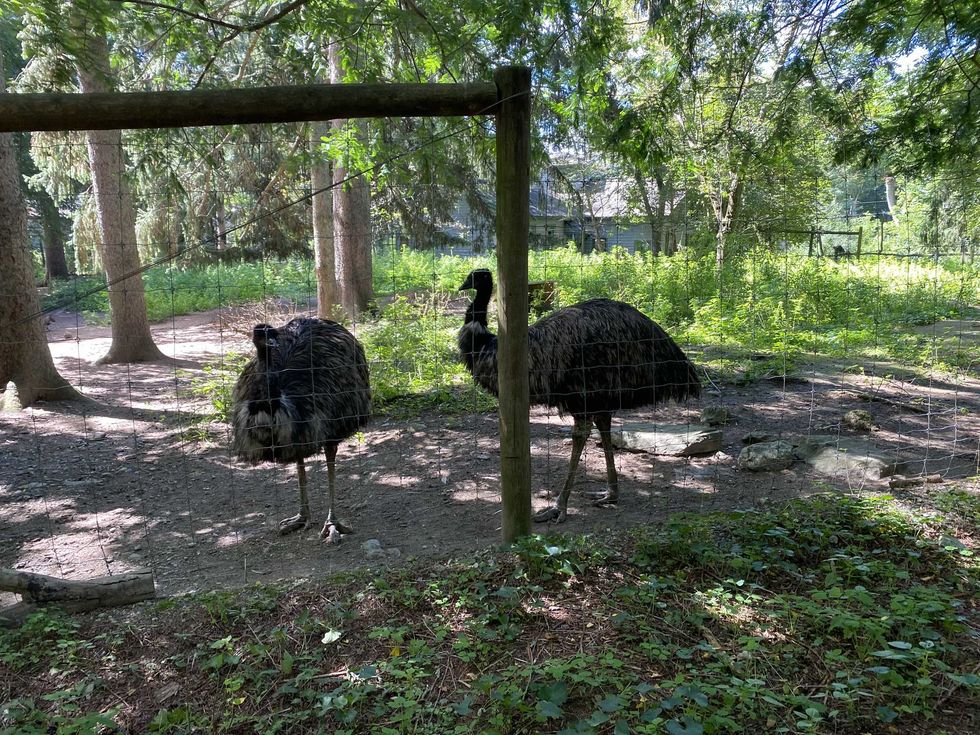
A pair of Emus enjoy some shade in one of the enclosures at the Trevor-Lovejoy Zoo at The Millbrook School.Leila Hawken

The zoo’s most recent acquisition is a binturong, an Asian mammal also known as a bearcat that smells like popcorn, Tousignant said. The tree-dwelling animal, whose population is declining and is therefore of concern to conservationists, came from Mesker Park Zoo in Evansville, Indiana.

Also included in the new master plan is the acquisition of a Przewalski’s horse, considered the last remaining truly wild horse. Native to the steppes of Central Asia, the species became extinct in the wild before reintroduction efforts began.

“The Earth matters; wildlife matters,” Tousignant said, speaking of the balance within the planet’s complex ecosystem.

“We’re good at manipulating the landscape. We’re not good at taking care of it,” Tousignant added.

The Trevor-Lovejoy Zoo is accredited by the Association of Zoos and Aquariums and is the only accredited zoo in the U.S. located at a secondary school. It houses 70 distinct species, 10 of which are endangered.

For information about visiting the zoo, go to trevorlovejoyzoo.org.
Latest News

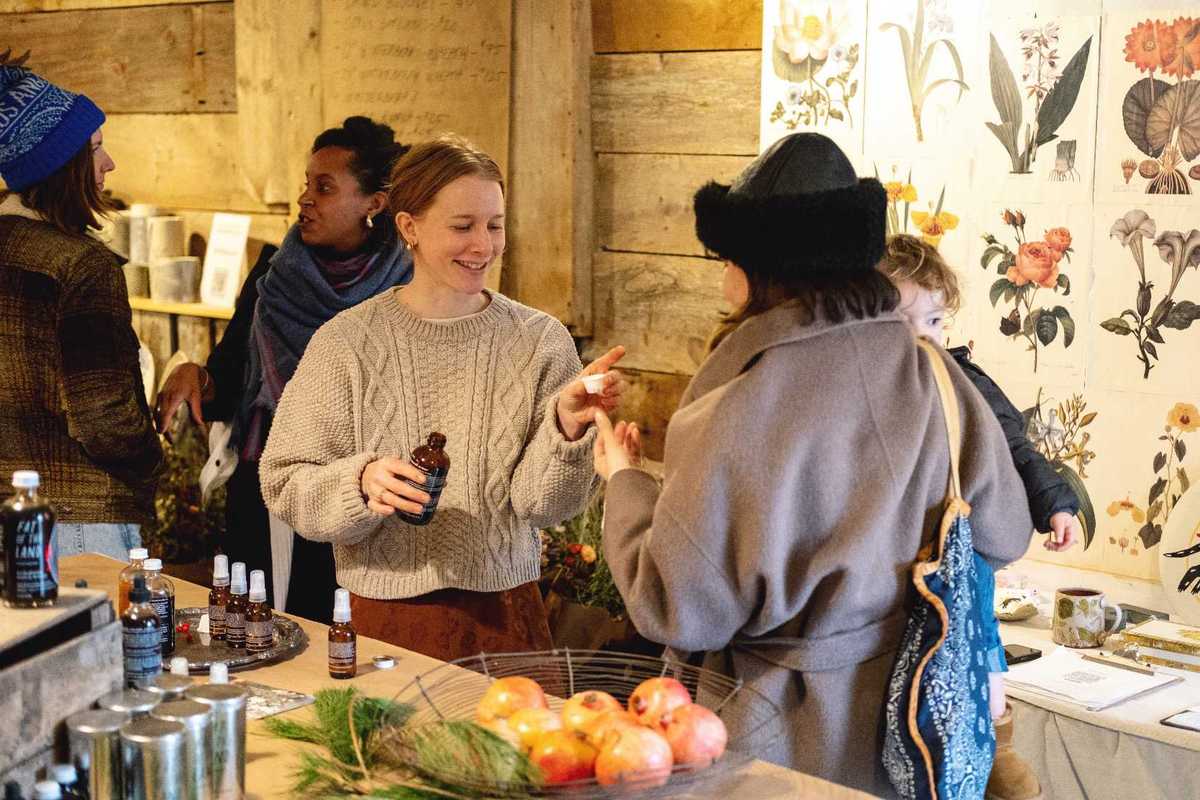
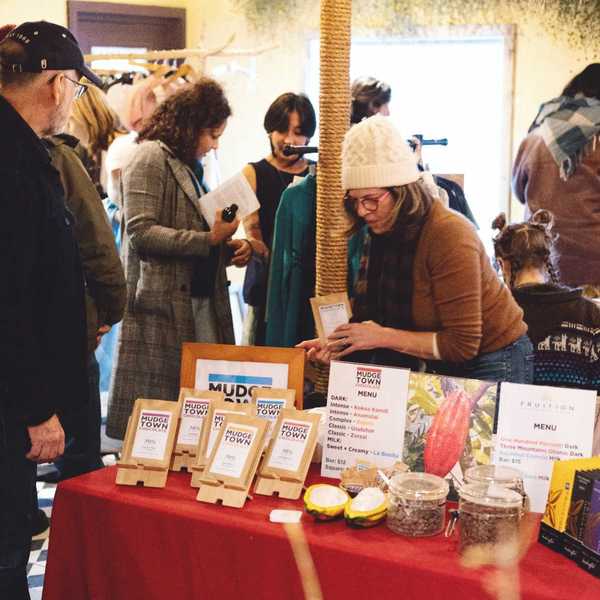
Farm & Friends: a holiday market that gives back

The Farm & Friends holiday market returns Nov. 21 and 22, featuring local makers, food producers and seasonal gifts.

Provided

According to PBS, “More than 5 million people have lost their Supplemental Nutrition Assistance Program, or SNAP, benefits since President Trump’s so-called One Big Beautiful Bill passed last year.” Combined with rising costs and new eligibility requirements, these cuts have placed additional pressure on families struggling to make ends meet. As more people turn to food banks and pantries for assistance, local farms are playing an increasingly important role in meeting that need. Hungry Reaper Farm in Morris, for example, supplies food and CSA shares to a variety of nonprofit organizations and schools.

In Dutchess County, The Webatuck Valley Farm Collaborative is working to strengthen the pipeline from farms to foodbanks. Led by Rock Steady Farm, Sweet Freedom Farm and Wildseed Community Farm and Healing Village, the collaborative hopes to double the infrastructure capacity for at least 15 local farms. This will allow them to increase supplies for food pantries and regional schools while expanding the farms’ reach to industrial buyers and distributors. By their estimation, the food hub “will supply and impact 9 school districts, 13 food pantries, and partner with 6 institutional buyers and 8 aggregators and distributors.”

Keep ReadingShow less
google preferred source

Want more of our stories on Google? Click here to make us a Preferred Source.

Under the big top at Full Circus Farm

Under the big top at Full Circus Farm

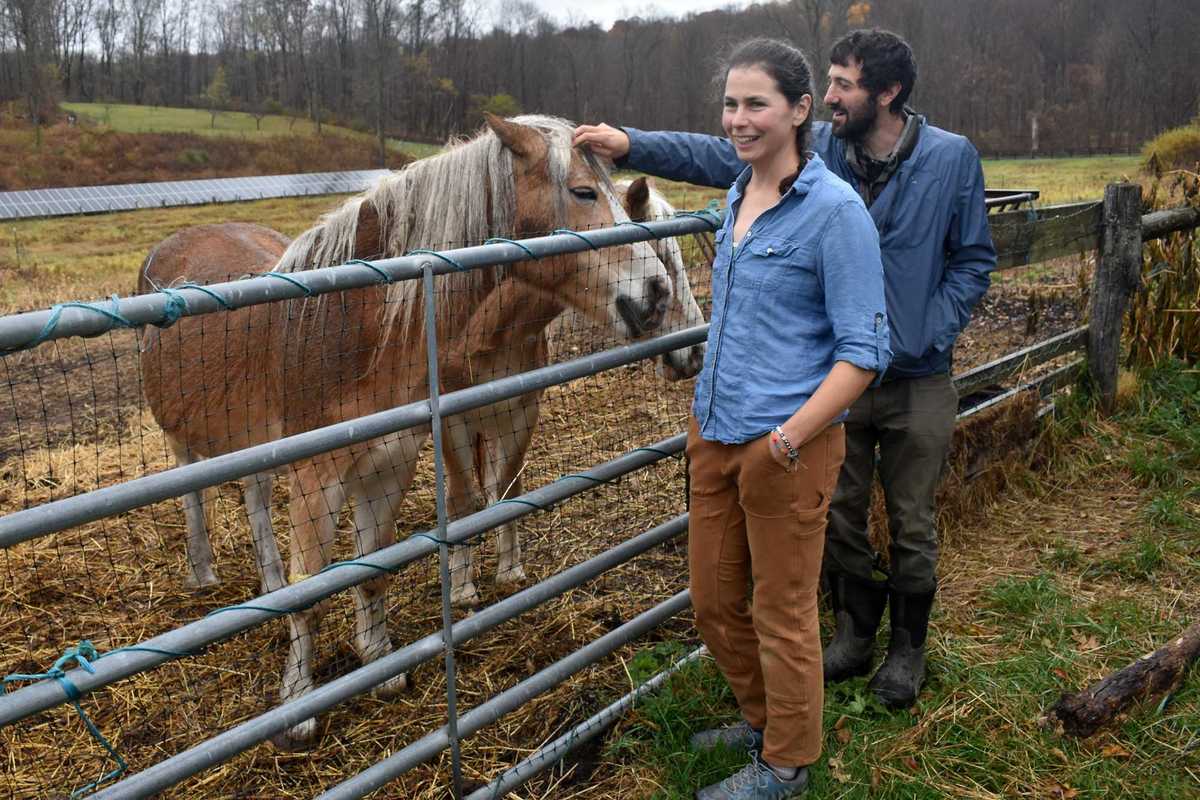
Miriam Goler and Mark Stonehill with their Haflinger horses, Sunshine and Sandy, at Full Circus Farm in Pine Plains.

L. Tomaino
We share this farm with such amazing human and nonhuman neighbors.
— Mark Stonehill

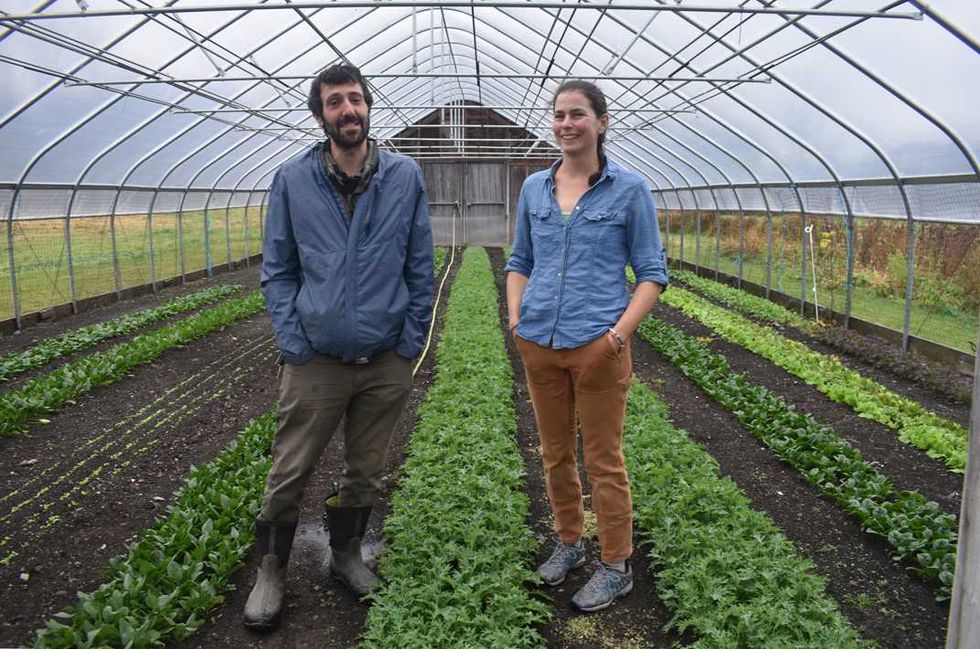
For Mark Stonehill and Miriam Stonehill Goler, the founder of Full Circus Farm in Pine Plains, farming has always been about more than what comes out of the ground.

“From the very beginning, we’ve envisioned the farm as a place not only for food production, but also merriment and community,” they said.

Keep ReadingShow less
At Ancram Center, community takes center stage
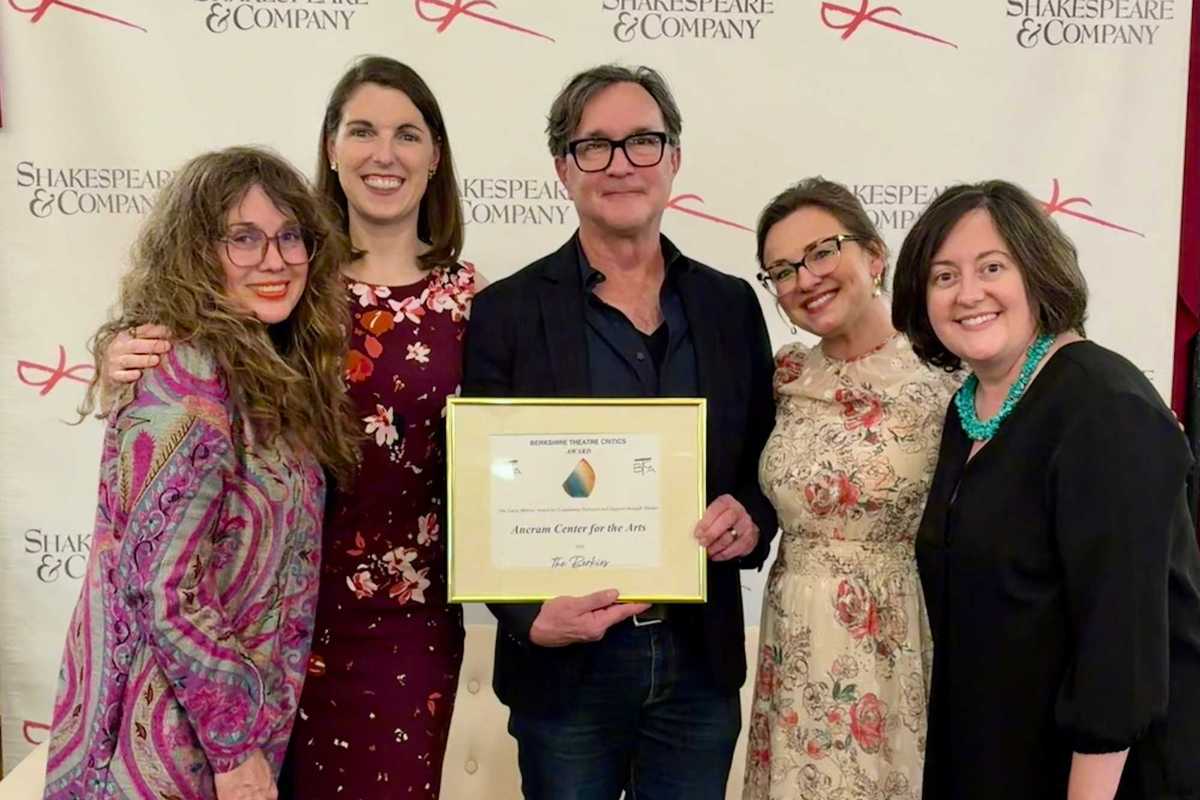
Ancram Center staff and teaching artists after the ceremony.From left to right,Simone Stevens, Sarah Katan, Jeffrey Mousseau, Erin Krom and Chris McCoy.
Provided

At the Ancram Center for the Arts, the stage has been host to numerous award winning professional actors, but it also often belongs to a neighbor with a story to tell. Other times, the performance moves out of the theater altogether, transforming a pond, a field or a corner of town into a stage.

That commitment to bringing theater into the community — and the community into the theater — has earned the Ancram Center the Larry Murray Award for Community Outreach and Support through Theater, one of the Berkshire Theatre Critics Association’s annual Berkie Awards.

Keep ReadingShow less
The Cornwall Whale resurfaces in West Cornwall

The Cornwall Whale is the brain-child of visual and experiential designer Lindsay Stadig.

Provided

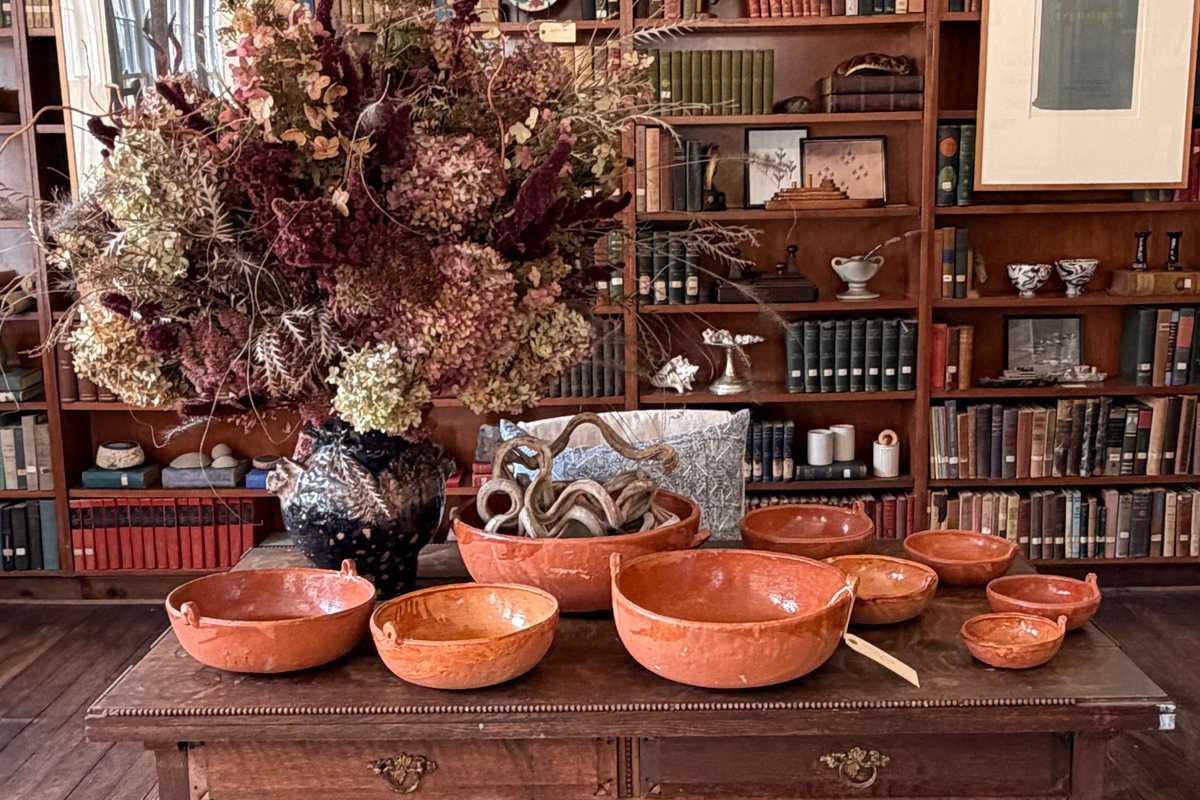
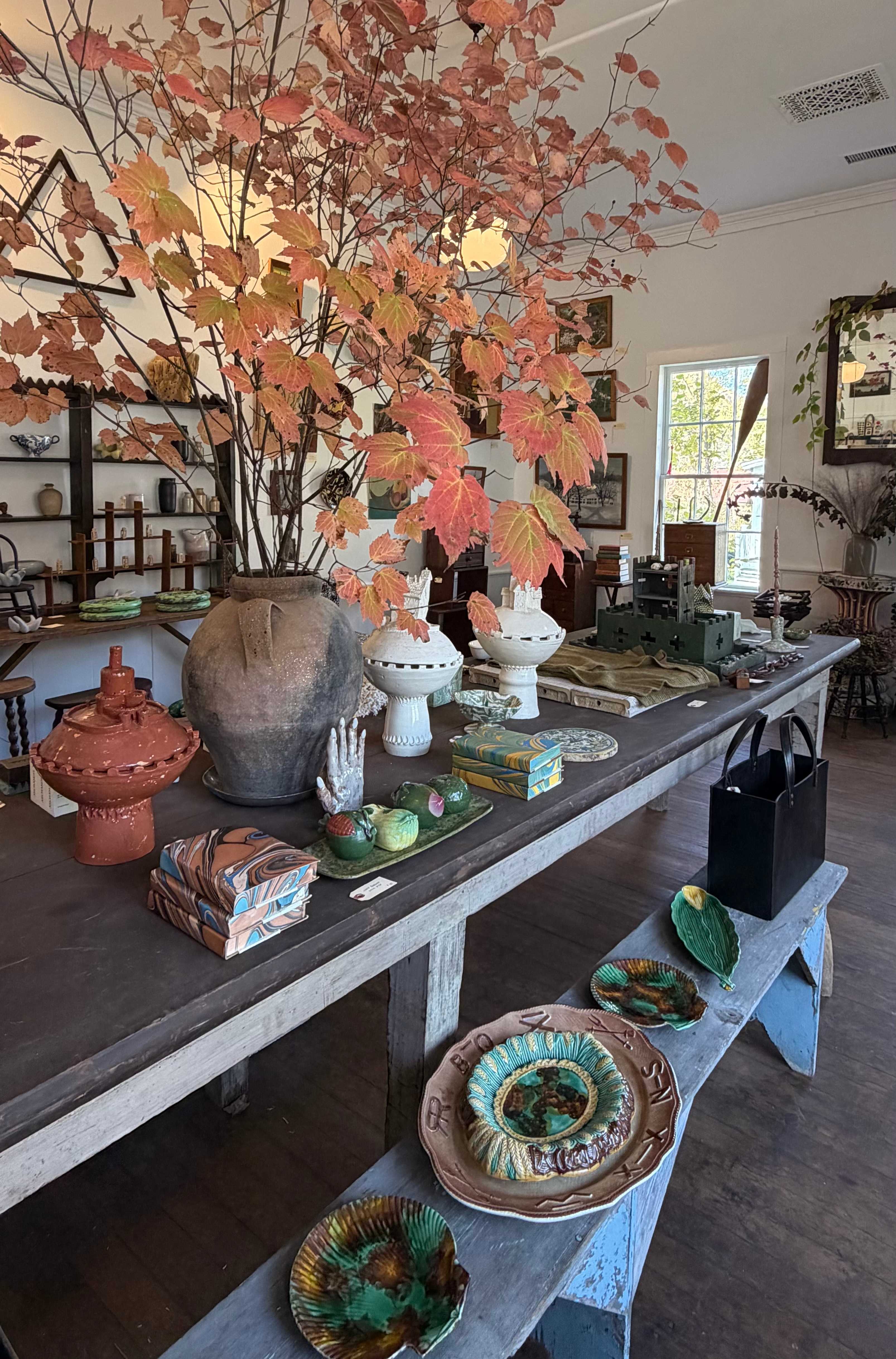
There’s something oddly familiar yet intangibly foreign about the Cornwall Whale. It’s not an interiors store, even though there are chairs and furnishings for sale. It’s not an art gallery, though there are paintings and sculptures occupying every corner of the space. It’s not a boutique, even with locally handmade shoes and carefully selected garments. No, The Cornwall Whale is something truly unique in the world of the truly unique.

The enigmatic shop popped up in the early winter of 2025 at the Hughes Memorial Library, right on the bank of the Housatonic River in West Cornwall. It is the brain-child of visual and experiential designer Lindsay Stadig.

Keep ReadingShow less
google preferred source

Want more of our stories on Google? Click here to make us a Preferred Source.

google preferred source

Want more of our stories on Google? Click here to make us a Preferred Source.